Mold exposure doesn’t announce itself with dramatic symptoms overnight. Instead, it often begins with subtle health changes that many families dismiss as seasonal allergies, stress, or minor illnesses. Understanding the early warning signs of mold exposure can be the difference between addressing a manageable problem and facing serious long-term health consequences for your loved ones.
The challenge lies in mold’s ability to remain hidden while continuously releasing spores and mycotoxins into your home’s air. These microscopic particles can affect your family’s health long before you notice visible mold growth. By the time black spots appear on walls or that musty odor becomes obvious, exposure may have been occurring for months.
Protecting your family starts with education. When you know what to look for, you can take swift action to identify the source, minimize exposure, and restore your home’s healthy environment before minor symptoms develop into chronic health issues.
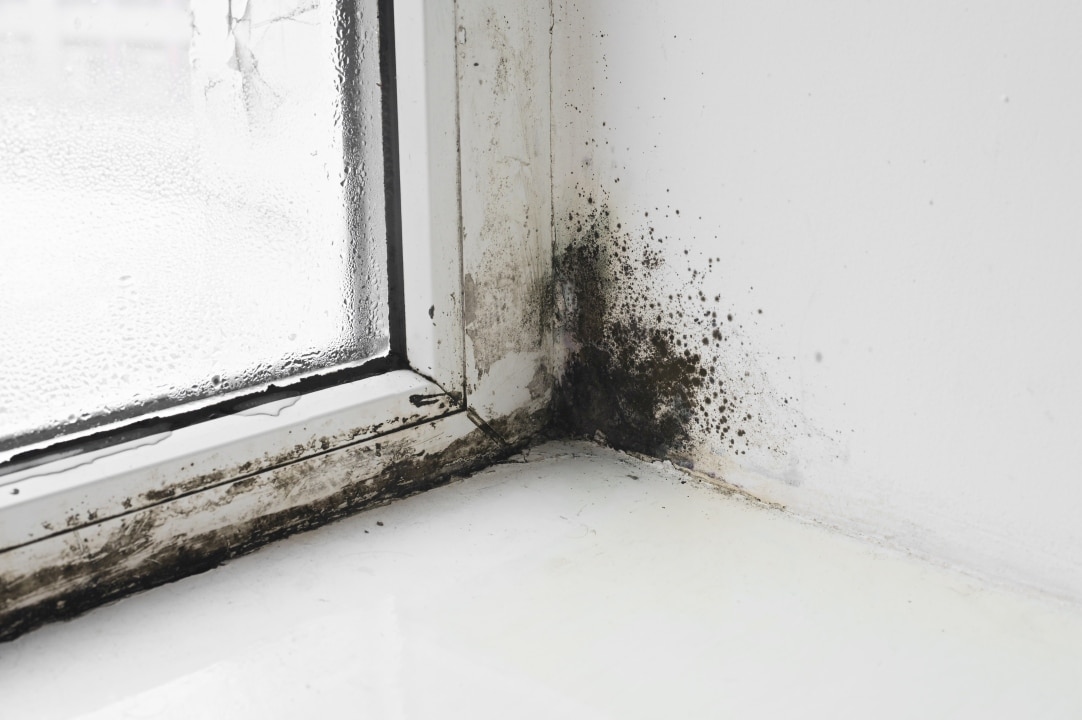
Understanding How Mold Affects the Human Body
The Exposure Pathway
Mold exposure primarily occurs through inhalation, though skin contact and ingestion can also play roles. When mold spores become airborne, they’re small enough to penetrate deep into the respiratory system. At just 0.2 to 3.5 microns in size, about 70% of certain mold spores can reach the trachea and primary bronchi, where they can trigger immediate and long-term health responses.
Your respiratory system acts as the first line of defense, but it’s not equipped to handle continuous exposure to high concentrations of mold spores. The nose and throat contain protective mechanisms like cilia and mucus production, but microscopic mold particles can bypass these defenses and reach deeper lung tissue where they cause inflammation and irritation.
Individual Vulnerability Factors
Not everyone in your family will react to mold exposure in the same way. Several key factors influence how individuals respond to mold contamination:
- Age-related susceptibility: Children under two and elderly family members face the highest risks
- Existing health conditions: Asthma, allergies, or compromised immune systems significantly increase vulnerability
- Genetic predisposition: Some people inherit makeups that increase mold allergy susceptibility
- Previous exposure history: Past mold exposure can sensitize the immune system
- Overall health status: Stress levels, current illnesses, or medications affect response
- Breathing patterns: Higher breathing rates in children increase exposure to airborne contaminants

Early Respiratory Warning Signs
Initial Breathing Difficulties
The respiratory system often provides the first clear signals of mold exposure. These early indicators may seem minor but represent important warning signs that require attention:
- Persistent dry cough: Doesn’t respond to typical treatments, often worse at night
- Throat irritation: Scratchy or sore sensation without other cold symptoms
- Nasal congestion: Stuffiness unrelated to seasonal allergies or current illnesses
- Frequent sneezing: Especially in certain areas like basements or poorly ventilated rooms
- Shortness of breath: Difficulty breathing during previously manageable activities
Progressive Respiratory Symptoms
If early signs go unaddressed, respiratory symptoms typically worsen and become more noticeable. Wheezing develops as airways become inflamed and constricted, creating high-pitched sounds during breathing, particularly during exhalation. Chest tightness often accompanies wheezing, creating a feeling of pressure or constriction that may be mistaken for anxiety or stress.
Increased mucus production becomes evident as the respiratory system attempts to trap and expel irritants. This mucus is often clear or white initially but may change color if secondary infections develop. Many people notice that symptoms are worse in the morning, particularly upon waking, as overnight exposure in bedrooms with poor air quality concentrates the effects.
Exercise intolerance develops as lung function becomes compromised. Activities that were previously manageable become difficult, and recovery times after physical exertion increase significantly.
Asthma-Related Complications
For family members with existing asthma, mold exposure can create dangerous complications that require immediate attention:
- Increased inhaler use: Need for rescue medications multiple times daily instead of occasional relief
- Nighttime awakening: Sleep disruption due to breathing difficulties becomes common
- Reduced peak flow readings: Measurable declines in lung function if regularly monitored
- Extended recovery periods: Longer recovery times after asthma episodes
- Medication ineffectiveness: Previously effective treatments provide less relief
Allergic Reactions and Skin Manifestations
Common Allergic Responses
Mold exposure frequently triggers allergic reactions that may initially seem unrelated to indoor air quality. Eye irritation manifests as redness, wateriness, or itching without obvious allergen exposure. These symptoms often worsen in specific areas of the home or during certain weather conditions that increase indoor humidity.
Skin reactions can range from mild irritation to widespread rashes or hives. The timing and location of these reactions often provide clues about environmental triggers. A runny nose with clear discharge that persists despite allergy medications suggests ongoing exposure to airborne irritants.
Facial pressure and sinus headaches, particularly around the forehead and cheeks, indicate inflammation of the sinus cavities. These symptoms often coincide with changes in weather or increased time spent in areas with poor air quality.
Skin Contact Reactions
Direct contact with mold-contaminated surfaces produces immediate and delayed reactions that help identify problem areas in the home. Contact dermatitis appears as red, inflamed skin at points where contaminated surfaces were touched. Common locations include hands after touching damp walls, feet after walking on contaminated carpeting, or any skin area that contacts moldy materials during cleaning or maintenance activities.
- Immediate itching and burning: Sensations occur upon contact with contaminated surfaces
- Contact dermatitis: Red, inflamed skin at contact points
- Delayed rash development: Reactions appearing hours after exposure
- Location-specific patterns: Symptoms concentrated where contaminated materials were touched
Neurological and Cognitive Warning Signs
Cognitive Function Changes
One of the most concerning aspects of mold exposure involves its potential impact on neurological function. Research continues to explore the connections between mold exposure and cognitive symptoms, but many individuals report significant changes in mental clarity and function during periods of exposure.
Difficulty concentrating becomes evident in work, school, or daily activities that previously presented no challenges. Family members may struggle to focus on tasks, maintain attention during conversations, or complete projects that require sustained mental effort. Memory problems often develop gradually, affecting both short-term recall and the ability to form new memories effectively.
Mental fatigue occurs despite adequate rest and sleep, leaving individuals feeling mentally exhausted even after minimal cognitive demands. Decision-making and problem-solving abilities may decline, affecting job performance, academic achievement, and daily life management.

Mood and Behavioral Changes
Mold exposure may influence emotional well-being in ways that seem unrelated to physical health problems:
- Increased irritability: Easily frustrated or quick to anger over minor issues
- Heightened anxiety: Worry or nervousness about everyday situations
- Depression symptoms: Persistent sadness or loss of interest in activities
- Sleep disturbances: Difficulty falling asleep or staying asleep
- Personality changes: Uncharacteristic behaviors or emotional responses
- Social withdrawal: Reduced interest in interactions with family and friends
Physical Neurological Symptoms
Some individuals experience physical manifestations of neurological involvement that provide clear indicators of environmental health problems. Headaches become frequent or severe, often concentrated in specific areas and triggered by time spent in particular rooms or areas of the home.
Dizziness and balance problems may develop, ranging from mild lightheadedness to significant equilibrium issues that affect walking and coordination. Tingling sensations, numbness, or pins-and-needles feelings in extremities can occur, though these symptoms warrant medical evaluation to rule out other serious conditions.
Recognizing Patterns and Environmental Connections
Location-Based Symptom Patterns
Understanding when and where symptoms occur provides crucial information for identifying mold problems and protecting family health. Symptoms that consistently improve when family members leave the house and return when they come home strongly suggest environmental causes within the home.
Room-specific symptoms help pinpoint problem areas, with basements, bathrooms, and areas with known moisture problems commonly triggering the most severe reactions. Seasonal variations in symptoms often correlate with periods of increased humidity, heavy rainfall, or changes in HVAC system usage that affect air circulation patterns.
Time-of-day patterns frequently emerge, with morning symptoms being particularly common as overnight exposure in bedrooms concentrates the effects of poor air quality. Symptoms that gradually improve throughout the day as individuals spend time in different areas or leave the home entirely support environmental causation.
Family-Wide Health Changes
Monitoring collective family health patterns reveals important information about environmental health threats:
- Multiple affected members: Several family members experiencing similar symptoms simultaneously
- Pet health changes: Animals showing respiratory distress, behavioral changes, or skin irritation
- Visitor reactions: Guests commenting on air quality or experiencing symptoms during visits
- Service worker observations: Utility workers or technicians noticing musty odors or moisture issues
- Synchronized symptom timing: Family members developing similar issues around the same time
- Severity variations: Different family members experiencing varying degrees of the same types of symptoms

When to Seek Professional Help
Immediate Medical Attention
Certain symptoms require prompt medical evaluation regardless of suspected environmental causes. Severe breathing difficulties, including wheezing that doesn’t respond to rescue medications, shortness of breath at rest, or any signs of respiratory distress, constitute medical emergencies requiring immediate attention.
High fever combined with respiratory symptoms may indicate serious respiratory infections that require antibiotic treatment. Persistent bleeding, whether nosebleeds or coughing up blood, demands immediate medical investigation. Severe allergic reactions, including widespread rashes, difficulty swallowing, or any signs of anaphylaxis, require emergency medical intervention.
Professional Mold Assessment
Professional mold inspection becomes necessary when multiple warning signs are present and affecting several family members. Symptoms that persist despite appropriate medical treatment suggest ongoing environmental exposure that must be identified and addressed:
- Multiple family members affected: Several people experiencing unexplained health issues
- Symptoms persist despite treatment: Medical interventions aren’t providing lasting relief
- Visible moisture problems: Water damage, active leaks, or persistently high humidity areas
- Persistent musty odors: Earthy or moldy smells that don’t resolve with cleaning
- Seasonal symptom patterns: Health issues that worsen during humid periods or after rain
Medical Documentation
When consulting healthcare providers about suspected mold exposure, thorough documentation improves diagnostic accuracy and treatment effectiveness:
- Detailed symptom tracking: Record when symptoms occur, their severity, and triggering factors
- Environmental history: Document water damage, flooding, leaks, or moisture issues
- Timeline correlation: Note if symptoms began after moving, renovations, or weather events
- Family health patterns: Report if multiple family members have similar issues
- Medication effectiveness: Track which treatments provide relief and which prove ineffective
- Activity correlations: Document if symptoms worsen during specific activities or locations
- Seasonal variations: Note patterns related to weather, humidity, or HVAC system usage
- Photographic evidence: Take pictures of any visible mold, water damage, or moisture problems
Creating a Health Protection Action Plan
Immediate Response Strategies
When early warning signs appear, immediate action can prevent symptoms from worsening and protect family health while professional assessment is arranged. Increasing ventilation by opening windows and using fans improves air circulation and dilutes airborne contaminants, though this approach has limitations during high humidity periods.
Reducing indoor humidity using dehumidifiers helps control conditions that promote mold growth, with target levels below 55% relative humidity. Thorough cleaning with HEPA vacuum cleaners removes settled spores and particles from surfaces and fabrics. Regular monitoring of family health symptoms helps track improvement or deterioration and guides decision-making about professional intervention.
Professional Intervention Planning
Developing relationships with qualified professionals before problems become severe ensures rapid response when issues arise:
- Indoor Environmental Professional (IEP): Comprehensive home assessment and air quality testing
- Certified mold remediation specialists: Safe and effective mold removal services
- Healthcare providers experienced with environmental health: Appropriate medical evaluation and treatment
- Insurance representatives: Coverage explanation and claims process guidance
- HVAC professionals: System inspection and maintenance for optimal air quality
Long-Term Health Protection Strategies
Ongoing Monitoring Systems
Implementing systems to detect problems early prevents minor issues from developing into serious health threats. Regular home inspections should include monthly checks of vulnerable areas like basements, crawl spaces, bathrooms, and areas around plumbing or HVAC equipment.
Humidity monitoring using digital hygrometers in key locations provides early warning of conditions that promote mold growth. Family health check-ins through weekly discussions about developing symptoms help identify patterns and trigger appropriate responses. Professional annual assessments by indoor air quality specialists can detect problems before they affect family health.
Prevention-Focused Maintenance
Maintaining optimal home environments requires proactive attention to moisture control and air quality:
- Prompt leak repairs: Address water issues immediately before mold growth begins
- Proper ventilation maintenance: Ensure exhaust fans and HVAC systems function effectively
- Moisture control measures: Install vapor barriers, proper insulation, and adequate drainage
- Regular cleaning protocols: Use HEPA vacuuming and appropriate surface cleaning products
- Humidity management: Maintain indoor humidity levels between 30-50% year-round
- Air filtration upgrades: Install high-quality air filters in HVAC systems
- Seasonal inspections: Check for new moisture problems after severe weather events

Protecting Your Most Vulnerable Family Members
Special Considerations for Children
Children require extra protection due to their developing immune systems and higher breathing rates that increase exposure to airborne contaminants. Bedroom air quality should be prioritized, as children spend significant time sleeping and playing in these spaces. Activity monitoring helps identify decreased energy levels, behavioral changes, or reduced participation in physical activities that may indicate health impacts.
School performance tracking can reveal cognitive effects of mold exposure, including difficulty concentrating, memory problems, or declining academic achievement. Playtime observations during physical activities help identify breathing difficulties or reduced stamina that may indicate respiratory health impacts.
Elderly Family Member Protection
Older adults face increased risks from mold exposure due to age-related changes in immune function and potential interactions with existing medical conditions and treatments:
- Medication interaction considerations: Mold exposure might affect treatment effectiveness
- Mobility accommodation: Ensure easy avoidance of problem areas during remediation
- Communication assistance: Help clearly report symptoms and receive appropriate care
- Emergency response planning: Develop procedures for serious symptoms requiring immediate intervention
- Regular health monitoring: More frequent check-ins to catch problems early
The early warning signs of mold exposure often masquerade as common, minor health issues, making recognition challenging for even attentive families. However, by understanding these subtle indicators and their patterns, you can protect your family from the serious long-term health consequences of prolonged mold exposure. The key lies in recognizing that multiple family members experiencing unexplained health issues, particularly respiratory or neurological symptoms, may indicate environmental problems requiring professional assessment.
Remember that prompt action in both addressing the source and seeking appropriate medical care can prevent minor symptoms from developing into chronic health problems that affect your family’s quality of life for years to come. When environmental health is at stake, professional evaluation of both your home and your family’s health provides the comprehensive approach needed to restore safety and well-being to your living environment.