Most homeowners never think about their crawlspace until a major problem forces them to venture into that dark, cramped area beneath their home. This “out of sight, out of mind” mentality creates a dangerous blind spot that can cost families dearly in terms of health, comfort, and financial burden. The crawlspace may seem disconnected from your daily life, but the reality is that this forgotten area plays a crucial role in your home’s air quality and your family’s health.
Research indicates that approximately 25% to 50% of the air you breathe on your home’s first floor previously circulated through your crawlspace or basement. This startling fact means that whatever exists in your crawlspace—including mold, moisture, and other contaminants—eventually makes its way into your living spaces where your family spends their time sleeping, eating, and relaxing.
Understanding the hidden health costs of crawlspace mold problems empowers homeowners to take proactive steps before minor issues become major health threats. The financial and health consequences of ignoring these problems far exceed the cost of prevention and early intervention, making crawlspace maintenance a critical investment in your family’s well-being.
Understanding the Stack Effect: How Crawlspace Air Enters Your Home
The Physics of Air Movement
The stack effect operates like a natural chimney system in your home, creating predictable air movement patterns that directly impact indoor air quality. Warm air naturally rises and escapes through the upper levels of your home, including the attic and upper floors. This upward movement creates negative pressure in lower levels, which draws replacement air from the lowest available source—typically your crawlspace or basement.
This continuous air circulation means that contaminated crawlspace air doesn’t stay contained in that lower area. Instead, it moves upward through floor penetrations, around plumbing fixtures, through unsealed joints, and via HVAC ductwork. The process operates 24 hours a day, 365 days a year, making your crawlspace environment a direct contributor to your home’s overall air quality.
Penetration Points and Air Leakage
Modern homes contain numerous penetration points that allow air movement between the crawlspace and living areas:
- Plumbing penetrations: Gaps around pipes where they pass through floors
- Electrical wiring: Openings around electrical lines and fixtures
- HVAC ductwork: Leaky joints and connections in heating and cooling systems
- Floor joints: Natural gaps between flooring materials and subfloors
- Structural connections: Areas where walls meet foundations
- Access panels: Poorly sealed crawlspace entry points
Seasonal Variations in Air Movement
The stack effect intensifies during certain seasons and weather conditions, increasing the rate at which crawlspace air enters your living spaces. Winter heating creates stronger temperature differentials that accelerate upward air movement. Summer air conditioning can reverse some air flow patterns but still allows significant air exchange between levels.
Rainy seasons and periods of high humidity increase moisture levels in crawlspaces, creating conditions that promote mold growth while simultaneously increasing the rate at which contaminated air moves into your home. Understanding these seasonal patterns helps homeowners recognize when crawlspace problems may have the greatest impact on family health.
The Hidden Nature of Crawlspace Mold Problems
Why Crawlspace Mold Goes Undetected
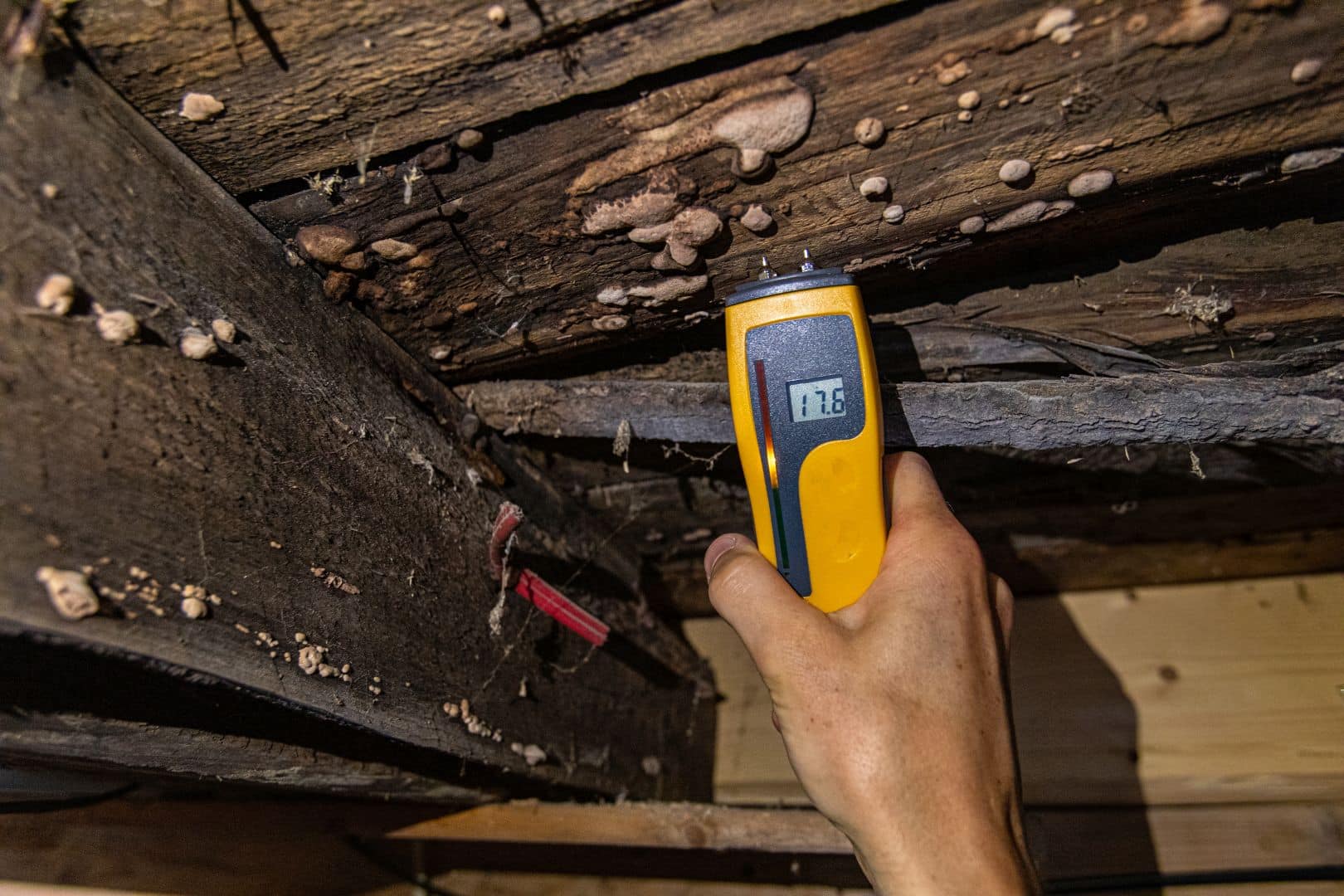
Crawlspace mold problems develop and persist for years without detection due to several factors that make this area particularly challenging to monitor. The physical difficulty of accessing crawlspaces means most homeowners rarely inspect these areas, allowing problems to develop and worsen over time.
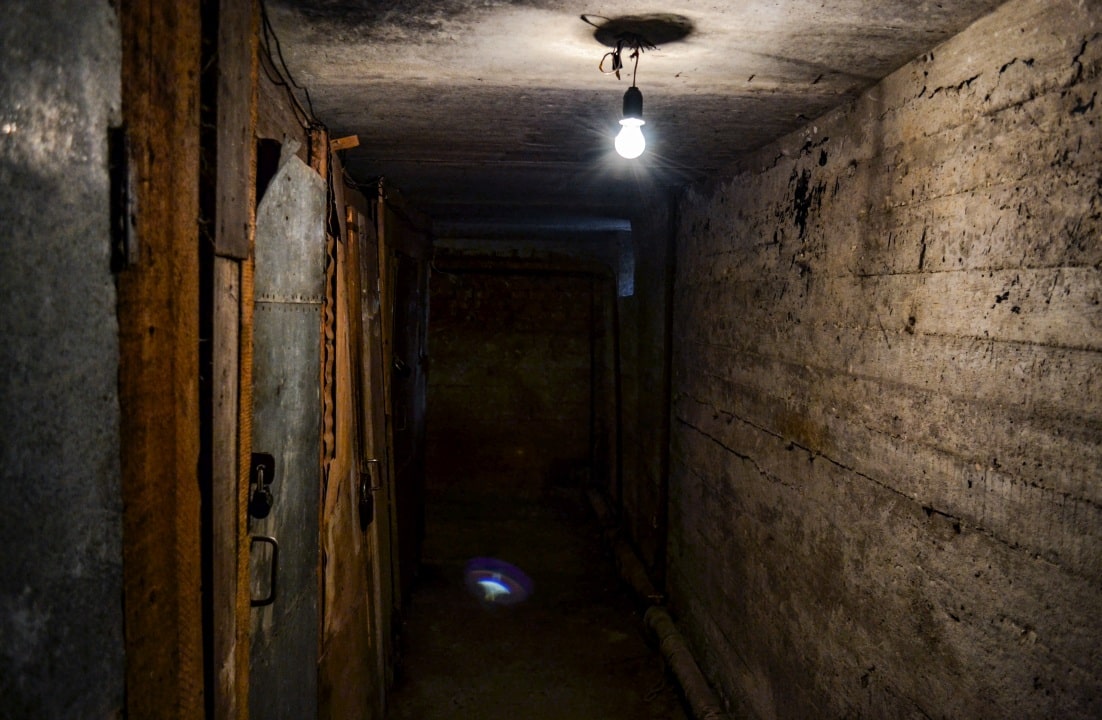
Limited lighting and cramped conditions make thorough visual inspection difficult even when homeowners do venture into crawlspaces. Mold can grow on hidden surfaces, behind insulation, or in areas that aren’t visible during casual inspection. The musty odors that typically alert homeowners to mold problems may be attributed to normal basement smells or dismissed as temporary issues.
Environmental Conditions That Promote Growth
Crawlspaces create ideal conditions for mold growth through a combination of factors that rarely occur simultaneously in other areas of the home:
- Consistent moisture: Ground moisture, humidity, and occasional water intrusion
- Organic food sources: Wooden floor joists, subflooring, and stored materials
- Limited air circulation: Poor ventilation allows moisture accumulation
- Stable temperatures: Less temperature variation than other home areas
- Darkness: Lack of sunlight eliminates natural mold growth inhibition
- Undisturbed environment: Minimal human activity allows uninterrupted growth
Common Sources of Moisture
Understanding moisture sources helps homeowners identify and address the root causes of crawlspace mold problems. Ground moisture represents the most persistent source, as water naturally evaporates from soil and migrates upward into the crawlspace environment. Before homes were built, this moisture evaporated freely into the atmosphere, but foundation walls now channel this moisture directly toward organic building materials.
Plumbing leaks, whether from supply lines, drain pipes, or fixtures above, introduce additional moisture that can saturate insulation, subflooring, and structural elements. HVAC system condensation from ductwork or equipment creates localized moisture problems that may not be immediately visible but provide ideal conditions for mold growth.
Poor drainage around the home’s foundation allows surface water to accumulate and seep through foundation walls, creating ongoing moisture problems that persist long after visible water disappears. Inadequate vapor barriers or damaged ground coverings allow continuous ground moisture migration into the crawlspace environment.

Direct Health Impacts of Crawlspace Mold Exposure
Respiratory Health Consequences
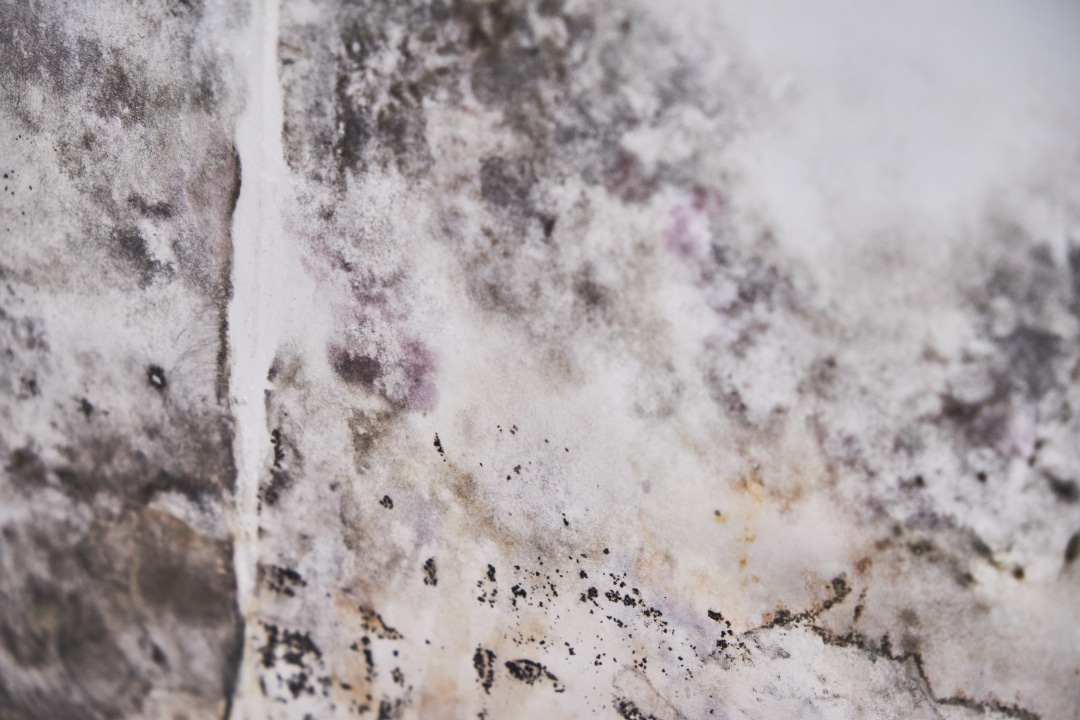
Crawlspace mold exposure creates ongoing respiratory health challenges that often develop gradually, making the connection to environmental causes difficult to recognize. Unlike sudden exposure to high concentrations of mold, crawlspace contamination typically involves chronic, low-level exposure that produces subtle but persistent symptoms.
Chronic cough represents one of the most common early indicators of crawlspace mold exposure. This cough often worsens at night or upon waking, as overnight exposure in bedrooms concentrates the effects of contaminated air circulation. The cough may be dry and irritating or produce clear to white mucus as the respiratory system attempts to expel irritants.
Nasal congestion and sinus pressure develop as the upper respiratory system responds to continuous exposure to airborne mold spores and mycotoxins. These symptoms often fluctuate with weather conditions and seasonal changes that affect crawlspace moisture levels and air circulation patterns.
Asthma symptoms worsen significantly in homes with crawlspace mold problems, requiring increased medication use and more frequent medical interventions. Exercise tolerance may decrease as lung function becomes compromised, and recovery times after physical activities extend beyond normal ranges.
Allergic Reactions and Sensitivities
Crawlspace mold exposure can trigger new allergic sensitivities or worsen existing allergies through continuous exposure to multiple mold species simultaneously:
- Eye irritation: Persistent redness, wateriness, or itching without obvious allergen sources
- Skin reactions: Unexplained rashes, hives, or general skin irritation
- Nasal symptoms: Runny nose with clear discharge that doesn’t respond to typical allergy treatments
- Throat irritation: Scratchy or sore throat that persists despite other treatments
- Headaches: Recurring headaches, particularly upon waking or spending time at home
- Fatigue: Persistent tiredness that doesn’t improve with adequate rest
Neurological and Cognitive Effects
Emerging research suggests that chronic mold exposure, particularly from crawlspace sources, may contribute to neurological symptoms that significantly impact quality of life. These effects often develop so gradually that families adapt to reduced cognitive function without recognizing the environmental cause.
Concentration difficulties become apparent in work, school, and daily activities that previously presented no challenges. Family members may struggle to focus on tasks, maintain attention during conversations, or complete projects requiring sustained mental effort. Memory problems affect both short-term recall and the ability to form new memories effectively.
Decision-making and problem-solving abilities may decline, affecting job performance, academic achievement, and daily life management. Mental fatigue occurs despite adequate rest, leaving individuals feeling mentally exhausted even after minimal cognitive demands.
Mood changes, including increased irritability, anxiety, or depression symptoms, can develop as neurological function becomes affected by ongoing exposure to mycotoxins and other mold-related compounds.
Long-Term Health Consequences
Chronic Respiratory Conditions
Prolonged exposure to crawlspace mold can lead to the development of chronic respiratory conditions that persist even after the mold source is addressed. Chronic sinusitis becomes a recurring problem as sinus tissues remain inflamed and susceptible to infection. This condition often requires ongoing medical treatment and may not fully resolve without addressing the underlying environmental cause.
Asthma development can occur in previously healthy individuals, particularly children whose immune systems are still developing. Once established, asthma typically requires lifelong management and can significantly impact quality of life, physical activity participation, and overall health.
Hypersensitivity pneumonitis represents a more serious condition that can develop with prolonged exposure to certain types of mold commonly found in crawlspaces. This inflammatory lung disease causes scarring of lung tissue and can result in permanent respiratory impairment if not recognized and treated promptly.
Immune System Compromise
Chronic mold exposure places ongoing stress on the immune system, potentially leading to increased susceptibility to other illnesses and infections. The immune system’s continuous response to mold exposure can become dysregulated, leading to autoimmune reactions or increased sensitivity to other environmental triggers.
Children exposed to crawlspace mold during critical developmental periods may experience lasting effects on immune system development, potentially increasing their risk of developing allergies, asthma, and other immune-related conditions later in life.
Cardiovascular Implications
Recent research has begun exploring potential connections between chronic mold exposure and cardiovascular health problems. Inflammation triggered by ongoing mold exposure may contribute to systemic inflammatory processes that affect heart and blood vessel health.
Some studies suggest correlations between mold exposure and increased blood pressure, though more research is needed to fully understand these connections. The stress response triggered by chronic illness symptoms may also contribute to cardiovascular strain over time.
Financial Health Costs
Medical Expenses
The medical costs associated with crawlspace mold exposure often accumulate gradually, making the total financial impact difficult to recognize initially. Frequent doctor visits for respiratory symptoms, allergy treatments, and unexplained health issues create ongoing medical expenses that may not be covered entirely by insurance.
Prescription medications for asthma, allergies, and other mold-related symptoms represent recurring monthly expenses that can total hundreds or thousands of dollars annually. Specialized testing to diagnose mold-related illnesses or rule out other conditions adds to the financial burden.
Emergency room visits for severe asthma attacks or allergic reactions create significant one-time expenses while indicating serious health impacts that require immediate environmental intervention.
Lost Productivity and Income
Chronic health problems resulting from crawlspace mold exposure often lead to reduced work productivity, increased sick leave usage, and potential income loss. Frequent medical appointments interrupt work schedules and may affect job performance evaluations.
Children’s academic performance may suffer, potentially requiring tutoring, special educational services, or other interventions that create additional expenses for families. School absences due to respiratory symptoms or other mold-related health issues can impact long-term educational achievement.
Property Value Impact
Homes with known mold problems, including crawlspace issues, often face significant reductions in market value. Disclosure requirements in many areas mandate reporting mold problems to potential buyers, which can extend time on the market and reduce final sale prices.
The cost of professional remediation, when delayed until sale time, often exceeds the cost of early intervention by substantial amounts. Emergency remediation under sale timeline pressure typically costs more than planned remediation performed at optimal times.

Impact on Vulnerable Populations
Children’s Developing Systems
Children face the highest risks from crawlspace mold exposure due to several physiological factors that increase their vulnerability. Higher breathing rates mean children inhale more air per pound of body weight, increasing their exposure to airborne contaminants. Developing immune systems are less equipped to handle chronic exposure to mold spores and mycotoxins.
Brain development during childhood can be affected by neurological impacts of mold exposure, potentially influencing learning abilities, behavior patterns, and cognitive development. Respiratory system development may be impaired, increasing the risk of developing chronic conditions like asthma that persist into adulthood.
Sleep quality often suffers in children exposed to crawlspace mold, as nighttime symptoms worsen due to prolonged exposure in bedrooms. Poor sleep affects physical growth, cognitive development, and behavioral regulation in developing children.
Elderly Family Members
Older adults face increased risks from crawlspace mold exposure due to age-related changes in immune function and the presence of other health conditions that may be exacerbated by mold exposure:
- Weakened immune systems: Reduced ability to fight off mold-related infections
- Existing respiratory conditions: COPD, emphysema, or other conditions worsened by mold exposure
- Medication interactions: Potential conflicts between mold-related treatments and existing medications
- Reduced mobility: Difficulty avoiding contaminated areas during remediation
- Multiple health conditions: Complex interactions between mold exposure and existing medical issues
Immunocompromised Individuals
Family members with compromised immune systems, whether due to medical treatments, chronic illnesses, or genetic conditions, face particularly serious risks from crawlspace mold exposure. These individuals may develop severe infections from mold species that don’t typically cause problems in healthy people.
Cancer patients undergoing chemotherapy, organ transplant recipients taking anti-rejection medications, and individuals with autoimmune diseases requiring immunosuppressive treatments all face elevated risks from even minimal mold exposure.
Environmental Health Connections
Multiple Contaminant Exposure
Crawlspaces with mold problems often harbor additional environmental contaminants that compound health risks. Bacteria thrive in the same moist conditions that promote mold growth, creating additional sources of airborne pathogens. Dust mites flourish in humid environments, adding another allergen source to the contaminated air entering living spaces.
Chemical contaminants from building materials, stored items, or pest control treatments can interact with mold exposure to create more complex health effects than any single contaminant would produce alone. These synergistic effects make diagnosis and treatment more challenging while increasing the overall health impact on exposed families.
Radon Accumulation
Crawlspaces can accumulate radon gas, a naturally occurring radioactive element that poses serious long-term health risks. Moisture problems that contribute to mold growth can also create conditions that increase radon accumulation and transfer into living spaces.
The combination of mold exposure and radon exposure creates multiple pathways for serious health consequences, including increased cancer risks and respiratory system damage. Addressing crawlspace moisture and air quality problems often improves both mold and radon issues simultaneously.
Prevention and Early Intervention Strategies
Moisture Control Fundamentals
Effective crawlspace mold prevention requires comprehensive moisture control that addresses all potential sources of water intrusion and humidity. Proper ground coverage using heavy-duty vapor barriers prevents ground moisture from evaporating into the crawlspace environment. These barriers must extend up foundation walls and be properly sealed to create effective moisture protection.
Drainage improvements around the home’s perimeter redirect surface water away from foundation walls, preventing water intrusion through foundation materials. Gutter systems and downspouts must function properly and direct water at least 4-6 feet away from the home’s foundation.
Interior moisture sources, including plumbing leaks and HVAC condensation, require prompt attention to prevent localized moisture problems that can quickly lead to mold growth.
Ventilation and Air Quality Management
Traditional crawlspace ventilation strategies often prove counterproductive in humid climates, where outdoor air contains more moisture than crawlspace air. Modern approaches focus on controlled ventilation and dehumidification to maintain optimal moisture levels year-round.
Crawlspace encapsulation systems create controlled environments that prevent moisture intrusion while allowing proper air quality management. These systems include sealed vapor barriers, controlled ventilation, and dehumidification equipment designed specifically for crawlspace environments.
Regular Monitoring and Maintenance
Implementing systematic monitoring and maintenance programs helps detect problems before they develop into serious health threats:
- Monthly visual inspections: Check for visible moisture, mold growth, or other changes
- Humidity monitoring: Use digital hygrometers to track moisture levels continuously
- Equipment maintenance: Service dehumidifiers, fans, and other air quality equipment regularly
- Professional assessments: Annual inspections by qualified environmental professionals
- Prompt repairs: Address any moisture intrusion or equipment problems immediately
- Air quality testing: Periodic testing to verify that air quality remains within healthy ranges
Professional Solutions and Remediation
Comprehensive Assessment
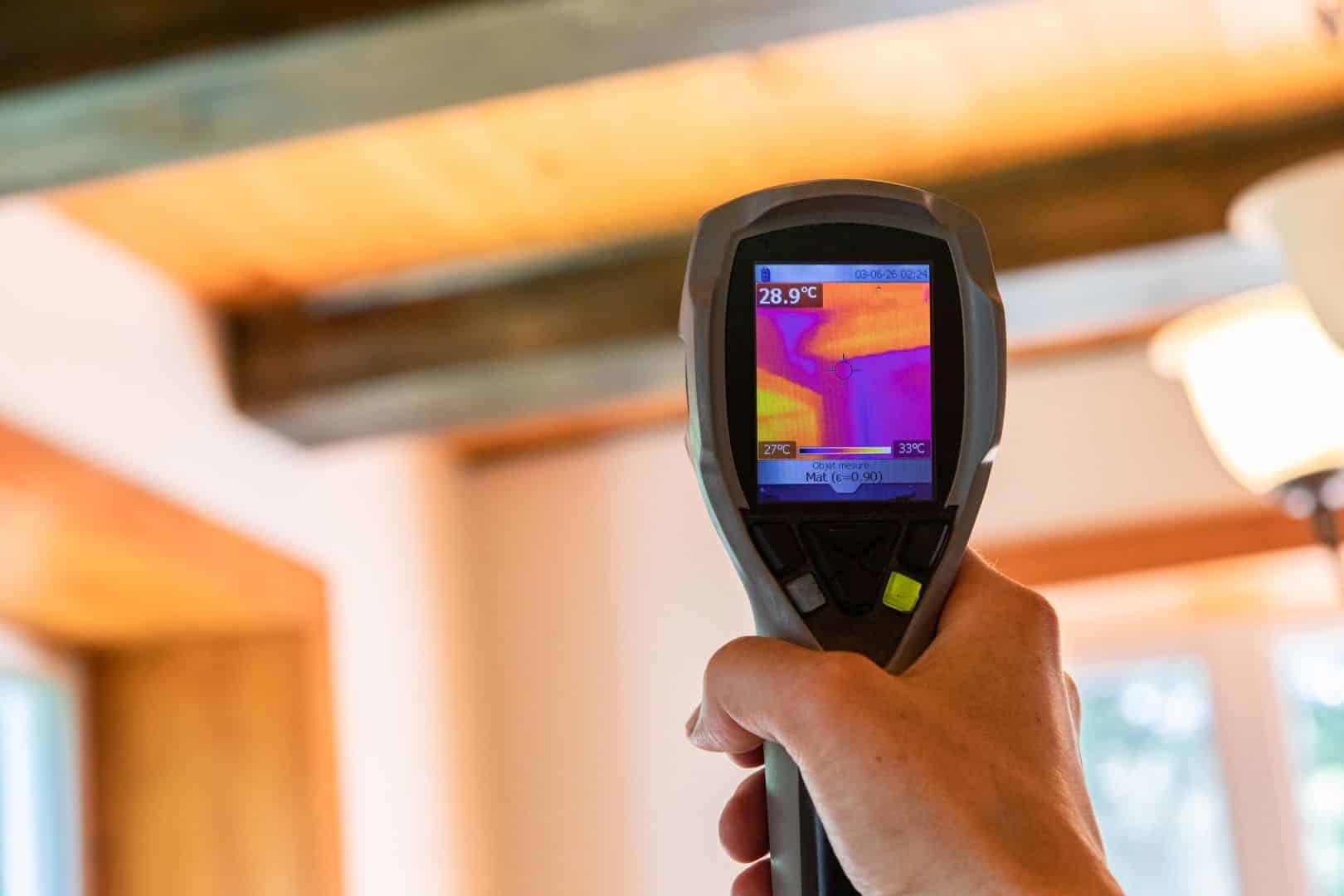
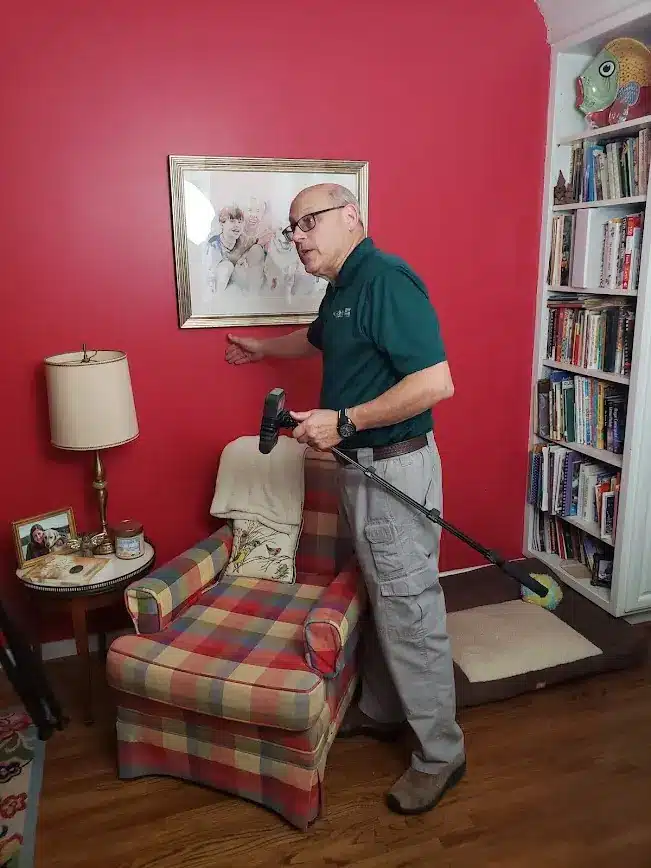
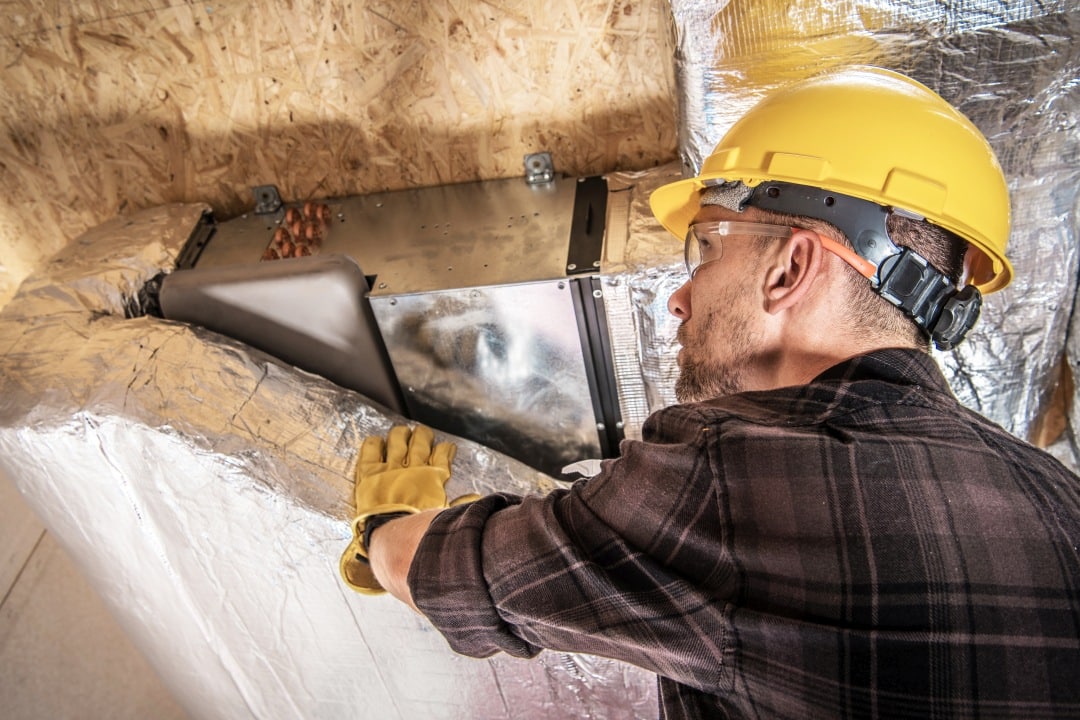
Professional crawlspace evaluation provides the expertise needed to identify all factors contributing to mold problems and health risks. Indoor Environmental Professionals (IEPs) have the training and equipment necessary to assess moisture sources, air quality issues, and contamination levels that affect family health.
Comprehensive assessment includes moisture mapping to identify all sources of water intrusion, air quality sampling to determine contamination levels, and structural evaluation to assess damage and remediation requirements. This professional evaluation provides the information needed to develop effective solutions that address root causes rather than just symptoms.
Safe Remediation Practices
Professional mold remediation in crawlspaces requires specialized techniques and equipment to safely remove contamination without spreading it to other areas of the home. Containment systems prevent contaminated air from entering living spaces during remediation work.
HEPA filtration and negative air pressure systems ensure that mold spores and other contaminants are captured and removed rather than redistributed throughout the home. Personal protective equipment protects workers while specialized cleaning techniques ensure thorough removal of all contaminated materials.
Long-Term Solutions
Effective crawlspace mold remediation includes implementation of long-term solutions that prevent recurrence of moisture and mold problems. Encapsulation systems create controlled environments that eliminate conditions conducive to mold growth while improving overall air quality.
Dehumidification systems maintain optimal moisture levels year-round, preventing the humidity spikes that allow mold growth to begin. Monitoring systems provide early warning of any changes that could lead to future problems, allowing prompt intervention before health impacts occur.
The hidden health costs of ignoring crawlspace mold problems extend far beyond the immediate discomfort of respiratory symptoms or allergic reactions. These costs accumulate over time, affecting every aspect of family life from daily comfort and productivity to long-term health outcomes and financial stability. Understanding the stack effect and its role in distributing contaminated air throughout your home reveals why crawlspace conditions directly impact your family’s health and well-being.
The good news is that crawlspace mold problems are entirely preventable and manageable with proper attention and professional guidance. Early intervention not only protects your family’s health but also proves far more cost-effective than dealing with advanced contamination and its associated health consequences. When you consider the full scope of hidden health costs—medical expenses, lost productivity, reduced quality of life, and property value impacts—investing in professional crawlspace assessment and maintenance becomes one of the most important decisions you can make for your family’s future health and financial security.