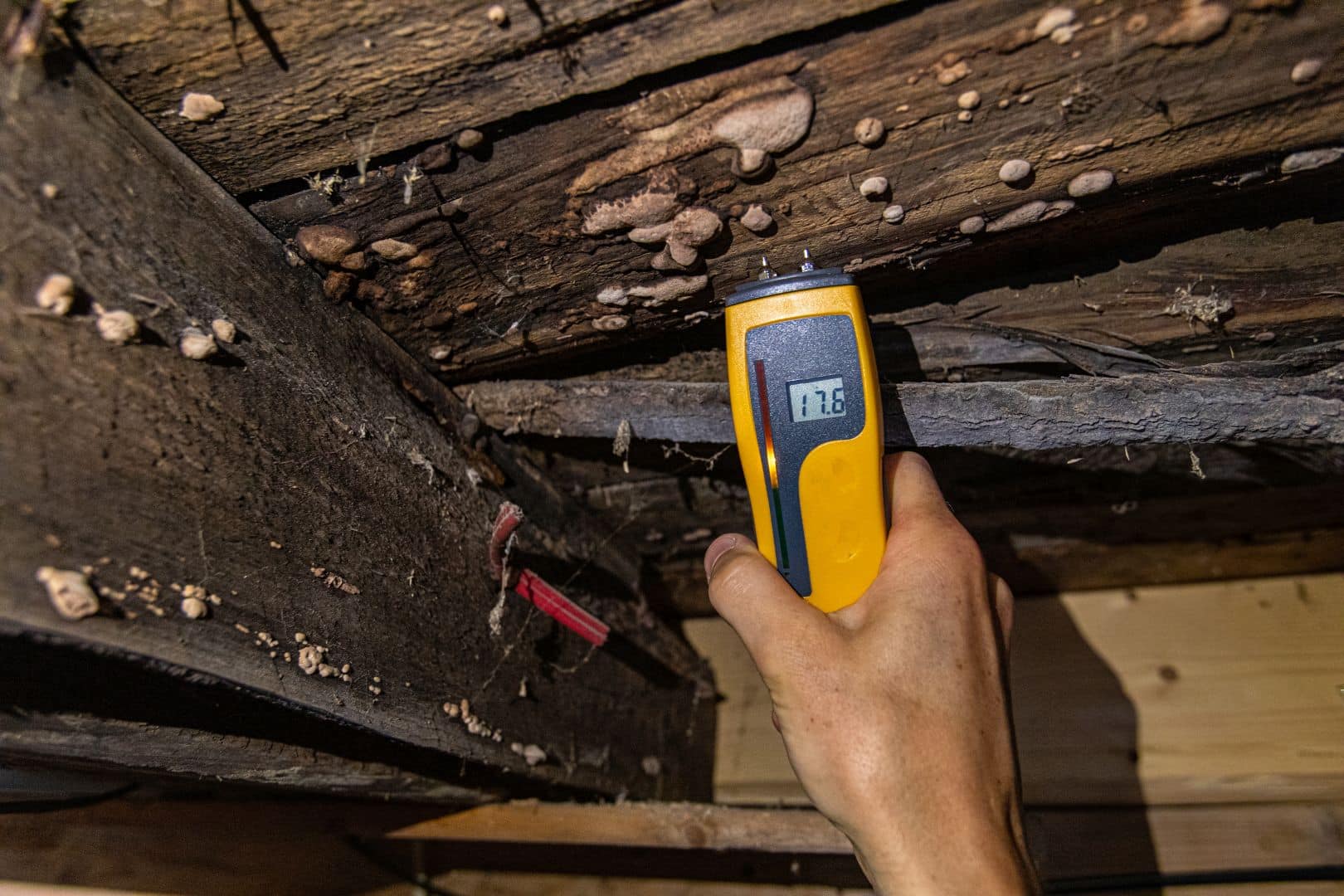
When most people think about mold exposure, they immediately consider respiratory symptoms like coughing, wheezing, or allergic reactions. However, emerging research and countless patient experiences reveal a more troubling aspect of mold exposure: its potential impact on neurological function and cognitive health. These neurological symptoms from mold exposure often develop so gradually that individuals and families adapt to declining mental performance without recognizing the environmental cause.
The connection between mold exposure and neurological symptoms represents one of the most concerning aspects of indoor air quality problems. Unlike respiratory symptoms that are immediately obvious, cognitive and neurological effects can profoundly impact quality of life, job performance, academic achievement, and personal relationships while remaining difficult to diagnose and treat through conventional medical approaches.
Understanding these neurological manifestations empowers individuals to recognize potential environmental causes of unexplained cognitive symptoms and seek appropriate professional help. Early identification and intervention can prevent temporary cognitive impairment from developing into long-term neurological health problems that affect every aspect of daily life.
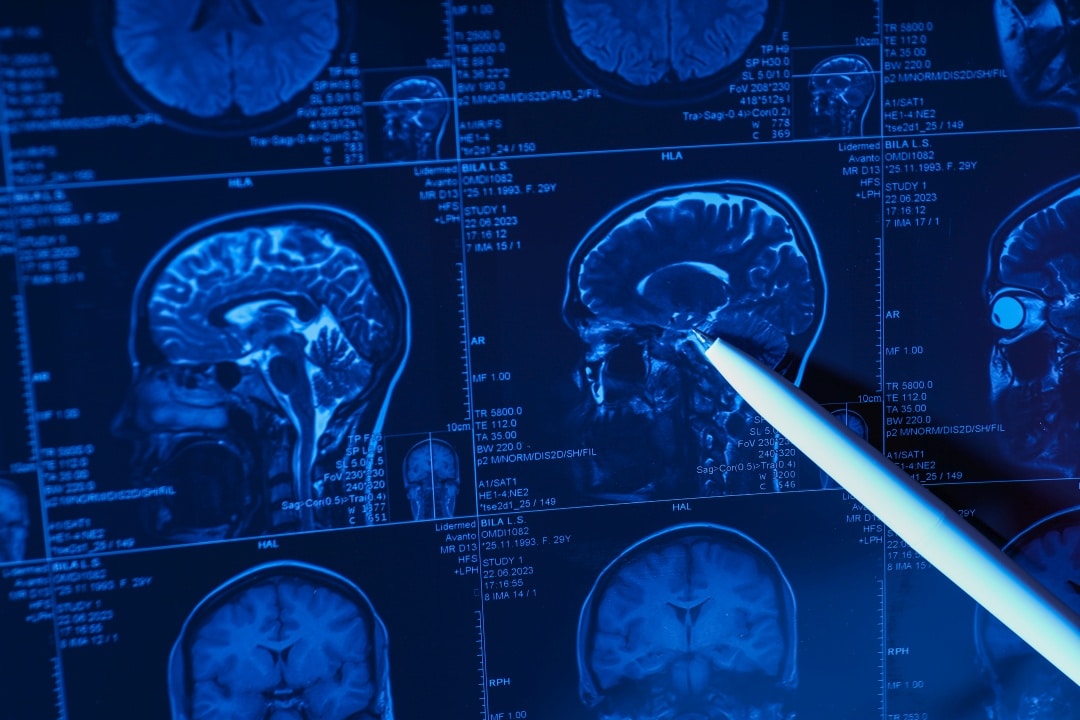
How Mold Affects the Brain and Nervous System
Mycotoxin Pathways to the Brain
Certain species of mold produce mycotoxins—toxic compounds that can cross the blood-brain barrier and directly affect neurological function. These microscopic toxins enter the body primarily through inhalation but can also be absorbed through skin contact or ingestion. Once in the bloodstream, mycotoxins can travel throughout the body, including to the brain and nervous system.
The blood-brain barrier, which normally protects the brain from harmful substances, can be compromised by chronic inflammation and oxidative stress caused by ongoing mold exposure. This compromise allows mycotoxins and other inflammatory compounds to enter brain tissue where they can disrupt normal neurological function and interfere with neurotransmitter production and regulation.
Different mold species produce different mycotoxins, each with unique effects on neurological function. Stachybotrys chartarum, commonly known as “black mold,” produces trichothecenes that have been associated with neurological symptoms in both human and animal studies. Aspergillus species produce aflatoxins and other compounds that can affect cognitive function and memory formation.
Inflammatory Response in the Brain
Mold exposure triggers systemic inflammation throughout the body, including neuroinflammation that specifically affects brain tissue and function. This inflammatory response can disrupt the delicate balance of neurotransmitters responsible for mood regulation, cognitive function, and memory formation.
Chronic neuroinflammation has been linked to various cognitive symptoms including difficulty concentrating, memory problems, and mood changes. The inflammatory cascade triggered by mold exposure can persist long after the initial exposure ends, creating ongoing neurological symptoms that may not immediately improve when the mold source is removed.
Oxidative Stress and Cellular Damage
Mold exposure increases oxidative stress throughout the body, including in brain cells that are particularly vulnerable to damage from free radicals. This oxidative stress can damage cellular structures necessary for proper neurological function, including mitochondria that provide energy for brain cells.
When brain cells cannot function optimally due to oxidative damage, cognitive symptoms naturally develop. Memory formation requires significant cellular energy, making this function particularly vulnerable to the effects of oxidative stress caused by mold exposure.

Common Neurological Symptoms from Mold Exposure
Brain Fog and Mental Clarity Issues
Brain fog represents one of the most commonly reported neurological symptoms of mold exposure. This condition involves a persistent feeling of mental cloudiness that makes thinking, concentrating, and processing information more difficult than usual. Individuals describe feeling like their thoughts are moving through thick fog or that their mental processing speed has significantly slowed.
The severity of brain fog can fluctuate throughout the day and may worsen in environments with poor air quality or during periods of increased stress. Many people notice that brain fog improves when they leave their home or workplace, only to return when they’re exposed to the contaminated environment again.
Brain fog affects various cognitive functions simultaneously:
- Processing speed: Taking longer to understand information or complete mental tasks
- Mental clarity: Difficulty organizing thoughts or following complex conversations
- Decision-making: Struggling with choices that were previously straightforward
- Word retrieval: Having words “on the tip of the tongue” but being unable to recall them
- Mental energy: Feeling mentally exhausted after minimal cognitive effort
- Focus maintenance: Inability to sustain attention on tasks for normal periods
Memory Problems and Cognitive Decline
Memory issues represent another significant neurological manifestation of mold exposure, affecting both short-term and long-term memory function. Short-term memory problems become evident when individuals forget recent conversations, misplace items frequently, or struggle to remember information they just learned.
Long-term memory can also be affected, with some individuals reporting difficulty recalling events, faces, or information that was previously easily accessible. The formation of new memories may be impaired, making it challenging to learn new skills or retain new information effectively.
Working memory—the ability to hold and manipulate information temporarily while completing tasks—often shows significant impairment during mold exposure. This affects the ability to follow multi-step instructions, perform calculations mentally, or maintain focus during complex activities.
Concentration and Attention Difficulties
Sustained attention becomes increasingly difficult for individuals experiencing neurological symptoms from mold exposure. Tasks that previously required minimal mental effort may become challenging and exhausting. Reading comprehension suffers as individuals find themselves re-reading paragraphs multiple times without retaining the information.
Attention span shortens significantly, making it difficult to complete work projects, follow television programs, or engage in lengthy conversations without losing focus. This can be particularly frustrating for individuals whose jobs or education require sustained mental attention.
Multitasking abilities often disappear entirely, forcing individuals to focus on one simple task at a time. Previously routine activities like cooking while having a conversation or listening to music while working become overwhelming and impossible to manage effectively.

Mood and Behavioral Changes
Depression and Anxiety Symptoms
Mold exposure can trigger significant mood changes that may be misdiagnosed as primary psychiatric conditions rather than environmentally-induced symptoms. Depression symptoms often develop gradually, including persistent sadness, loss of interest in previously enjoyable activities, and feelings of hopelessness or worthlessness.
Anxiety symptoms may manifest as generalized worry, panic attacks, or specific phobias that weren’t present before mold exposure. Social anxiety can develop as cognitive symptoms make it difficult to participate in conversations or professional interactions with confidence.
Sleep disturbances commonly accompany mood changes, creating a cycle where poor sleep exacerbates cognitive symptoms while cognitive symptoms make restful sleep more difficult to achieve. This combination can worsen both mood and neurological symptoms over time.
Irritability and Emotional Regulation
Emotional regulation becomes significantly more challenging during mold exposure, with individuals reporting increased irritability, anger outbursts, or emotional reactions that seem disproportionate to triggering events. Previously patient individuals may find themselves easily frustrated by minor inconveniences or normal daily stressors.
Mood swings can occur rapidly and unpredictably, affecting personal relationships and professional interactions. Family members often notice personality changes that seem out of character for their loved one, though the affected individual may not recognize these changes in themselves.
Behavioral Changes and Social Withdrawal
As cognitive symptoms worsen, many individuals begin withdrawing from social activities, work responsibilities, or family interactions that previously brought them satisfaction. This withdrawal often occurs because social interactions become mentally exhausting or because cognitive symptoms create embarrassment about reduced mental performance.
Changes in personal habits may become apparent, including decreased attention to personal hygiene, household maintenance, or previously important responsibilities. These changes often reflect the significant mental effort required for basic daily functioning when neurological symptoms are present.
Physical Neurological Manifestations
Headaches and Head Pressure
Headaches represent one of the most common physical neurological symptoms associated with mold exposure. These headaches often differ from typical tension or migraine headaches, presenting as persistent pressure or a feeling of fullness in the head. The pain may be concentrated in specific areas or feel like a band of pressure around the entire head.
Location-specific headaches can provide clues about environmental triggers, with symptoms often worsening in areas of the home or workplace with poor air quality. The timing of headaches may correlate with exposure patterns, improving when individuals leave contaminated environments and returning upon re-exposure.
Dizziness and Balance Issues
Balance problems and dizziness can range from mild lightheadedness to significant equilibrium issues that affect walking and coordination. Some individuals report feeling like they’re walking on a boat or that the ground is moving beneath their feet.
Vertigo episodes may occur, creating spinning sensations that can be disabling and frightening. These episodes may be triggered by head movements, changes in position, or exposure to bright lights or loud sounds.
Neurological Sensations
Various unusual neurological sensations can occur during mold exposure:
- Tingling or numbness: Pins-and-needles sensations in hands, feet, or face
- Burning sensations: Feelings of heat or burning in skin without visible cause
- Tremors: Slight shaking or trembling in hands or other body parts
- Muscle twitching: Involuntary muscle contractions or spasms
- Light sensitivity: Increased sensitivity to bright lights or glare
- Sound sensitivity: Normal sounds seeming unusually loud or irritating

Cognitive Performance Impacts
Work and Academic Performance
The cognitive symptoms of mold exposure can severely impact professional and academic performance, often leading to decreased productivity, increased errors, and difficulty meeting deadlines or expectations. Complex problem-solving becomes challenging, affecting performance in careers that require analytical thinking or creative solutions.
Reading comprehension and information processing slow significantly, making it difficult to keep up with work demands or educational requirements. Memory problems affect the ability to retain training information, follow complex procedures, or remember important details about projects or assignments.
Communication skills often suffer as word-finding difficulties, reduced mental clarity, and concentration problems make it challenging to express ideas clearly or participate effectively in meetings and presentations.
Learning and Skill Acquisition
Learning new skills or information becomes significantly more difficult when neurological symptoms are present. The brain’s ability to form new neural pathways and consolidate memories is impaired, making training programs, continuing education, or skill development frustrating and ineffective.
Previously acquired skills may seem to deteriorate as cognitive function declines. Musicians may struggle with pieces they once played easily, athletes may have difficulty with coordination and timing, and professionals may make errors in routine procedures they’ve performed successfully for years.
Creative and Problem-Solving Abilities
Creative thinking often suffers significantly during mold exposure, with individuals reporting decreased ability to generate new ideas, solve problems creatively, or engage in artistic pursuits that previously brought satisfaction. The mental flexibility required for creative thinking becomes impaired as cognitive resources are depleted by the constant struggle with basic mental functions.
Strategic thinking and planning abilities decline, making it difficult to organize complex projects, anticipate potential problems, or develop long-term plans effectively. This can affect both personal and professional aspects of life, limiting career advancement and personal goal achievement.
Sleep and Neurological Function
Sleep Quality Disruption
Mold exposure often significantly disrupts sleep quality through multiple mechanisms that affect both the ability to fall asleep and maintain restful sleep throughout the night. Respiratory symptoms may cause frequent awakening due to coughing, congestion, or breathing difficulties that interrupt normal sleep cycles.
Neurological symptoms themselves can interfere with sleep, as an overstimulated or inflamed nervous system may have difficulty transitioning into the relaxed state necessary for quality sleep. Racing thoughts, anxiety, or physical discomfort can prevent the deep sleep stages necessary for neurological recovery and repair.
Sleep’s Role in Cognitive Recovery
Quality sleep plays a crucial role in cognitive function and neurological health, making sleep disruption particularly problematic for individuals experiencing mold-related neurological symptoms. During deep sleep, the brain performs essential maintenance functions including toxin removal, memory consolidation, and cellular repair.
When sleep quality is compromised by mold exposure, the brain cannot perform these restorative functions effectively, creating a cycle where poor sleep worsens neurological symptoms while neurological symptoms make quality sleep more difficult to achieve.
Sleep Environment Contamination
Often, bedrooms represent areas of highest mold exposure due to poor ventilation, moisture problems, or contaminated HVAC systems that distribute contaminated air during sleep hours. This prolonged overnight exposure can intensify neurological symptoms and prevent the recovery that should occur during rest periods.
Addressing sleep environment air quality often provides significant improvement in both sleep quality and neurological symptoms, highlighting the direct connection between environmental exposure and neurological health.
Diagnosis and Medical Evaluation
Challenges in Conventional Diagnosis
Neurological symptoms from mold exposure present significant diagnostic challenges within conventional medical systems that may not routinely consider environmental causes for cognitive and neurological complaints. Standard neurological testing may not detect the subtle changes in brain function caused by mold exposure, leading to normal test results despite significant symptoms.
Many healthcare providers lack training in environmental medicine and may not consider mold exposure as a potential cause of neurological symptoms. This can result in misdiagnosis of primary psychiatric conditions, chronic fatigue syndrome, or other conditions that don’t address the underlying environmental cause.
The gradual onset and fluctuating nature of mold-related neurological symptoms can make them difficult to document and describe accurately during medical appointments, particularly when cognitive symptoms affect the ability to communicate clearly about symptoms.
Comprehensive Evaluation Approaches
Effective evaluation for mold-related neurological symptoms requires a comprehensive approach that includes detailed environmental and medical histories. Healthcare providers familiar with environmental medicine can better assess the potential connections between environmental exposures and neurological symptoms.
Cognitive testing may reveal subtle changes in mental function that aren’t apparent during routine medical examinations. Neuropsychological testing can document specific areas of cognitive impairment and track changes over time as environmental interventions are implemented.
Laboratory testing may include assessments for mycotoxin exposure, inflammatory markers, and nutritional deficiencies that commonly accompany chronic mold exposure. While these tests aren’t definitively diagnostic, they can provide supporting evidence for environmental causation of symptoms.
Documentation and Tracking
Keeping detailed symptom diaries helps establish patterns and connections between environmental exposures and neurological symptoms. Recording symptom severity, timing, and potential triggers provides valuable information for healthcare providers and helps track improvement during environmental interventions.
Cognitive function tracking through simple mental exercises or standardized assessments can provide objective measures of improvement or decline over time. This documentation becomes particularly important when symptoms fluctuate significantly based on environmental exposures.
Environmental Assessment and Testing
Home and Workplace Evaluation
Professional environmental assessment provides crucial information for understanding potential mold exposure sources that may be contributing to neurological symptoms. Indoor Environmental Professionals (IEPs) have the training and equipment necessary to identify hidden moisture problems, air quality issues, and contamination sources that aren’t obvious during casual inspection.
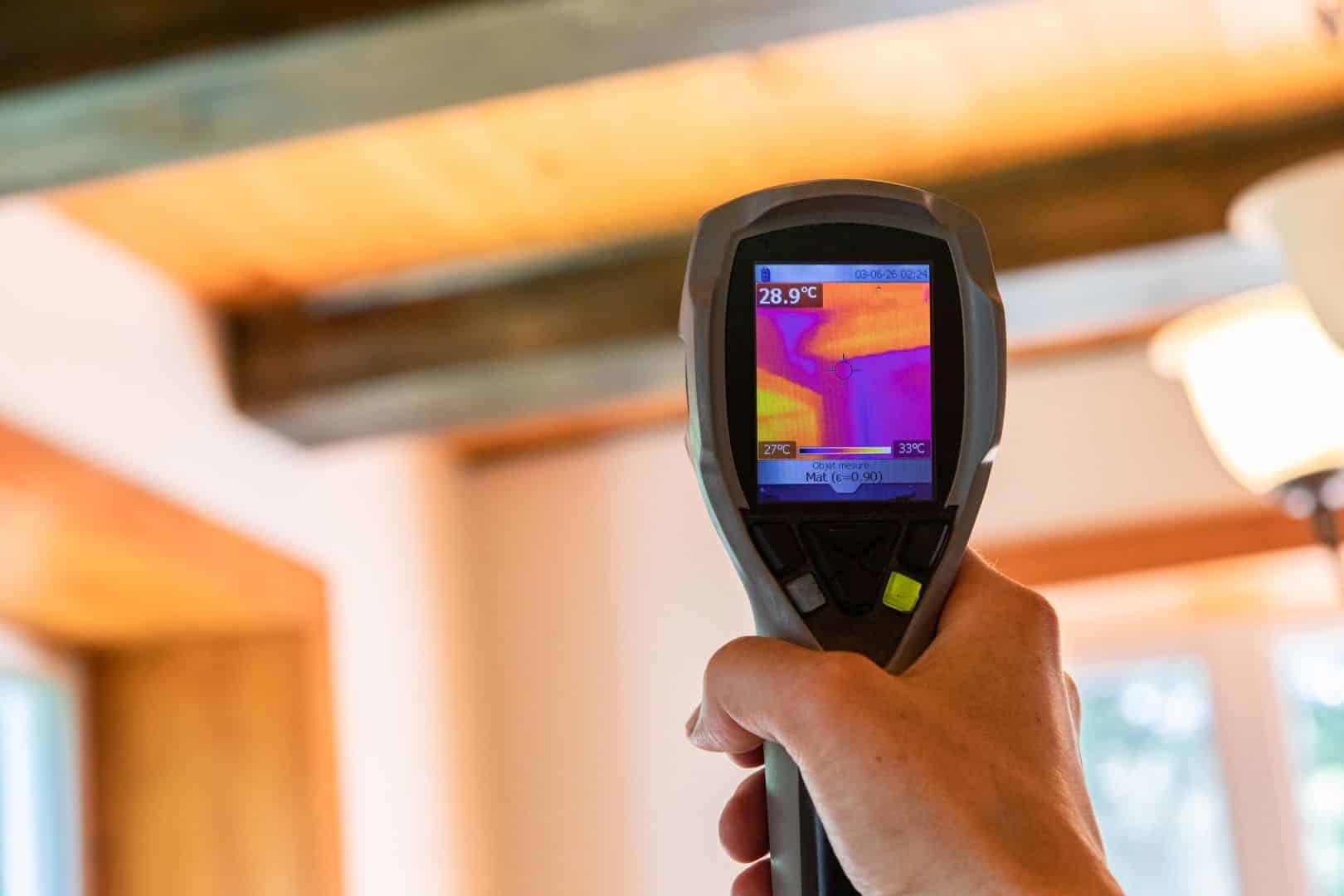
Comprehensive environmental evaluation includes moisture mapping, air quality sampling, and identification of all potential exposure sources throughout the home or workplace. This assessment helps determine whether environmental factors are likely contributing to neurological symptoms and guides remediation efforts.
Air Quality Testing
Air sampling can detect airborne mold spores and other contaminants that may be contributing to neurological symptoms. While air sampling provides only a snapshot of conditions at the time of testing, it can identify specific mold species and contamination levels that help guide treatment decisions.
Surface sampling of suspected contaminated areas can identify mold growth that may not be releasing significant spores into the air but still represents a potential source of mycotoxin exposure through direct contact or proximity.
Personal Exposure Assessment
Understanding individual exposure patterns helps identify when and where neurological symptoms are most likely to worsen. Tracking symptom patterns in relation to time spent in different environments can reveal connections between specific locations and symptom severity.
Mycotoxin testing, while controversial and not standardized, may provide information about individual exposure levels and guide treatment decisions. These tests should be interpreted by healthcare providers familiar with environmental medicine and their limitations.

Treatment and Recovery Strategies
Environmental Remediation
Addressing the source of mold exposure represents the most critical component of treatment for mold-related neurological symptoms. Professional mold remediation ensures safe and complete removal of contamination sources while preventing cross-contamination during the cleanup process.
Temporary relocation during remediation may be necessary for individuals with severe neurological symptoms, as exposure to disturbed mold during cleanup can temporarily worsen symptoms. Planning for safe temporary housing protects health during the remediation process.
Long-term environmental controls, including proper moisture management, air filtration, and regular monitoring, help prevent recurrence of mold problems that could trigger return of neurological symptoms.
Medical Support and Detoxification
Medical treatment for mold-related neurological symptoms often focuses on supporting the body’s natural detoxification processes and reducing inflammation that contributes to neurological dysfunction. This may include nutritional support, antioxidant therapy, and treatments to support liver and kidney function.
Addressing secondary health issues that commonly accompany mold exposure, such as nutrient deficiencies, sleep disorders, or hormonal imbalances, can significantly improve neurological function and overall recovery.
Brain-supporting nutrients and supplements may help restore optimal neurological function, though these should be used under professional guidance as part of a comprehensive treatment plan.
Cognitive Rehabilitation
Cognitive rehabilitation exercises can help restore mental function as environmental exposures are addressed and medical treatment progresses. These exercises focus on rebuilding cognitive skills that have been impaired by mold exposure.
Mental stimulation through reading, puzzles, learning new skills, or engaging in creative activities helps rebuild neural pathways and restore cognitive function. Starting with simple activities and gradually increasing complexity allows the brain to recover without becoming overwhelmed.
Sleep hygiene and stress management play crucial roles in cognitive recovery, as both quality sleep and stress reduction support neurological healing and function restoration.
Prevention and Long-Term Management
Environmental Monitoring
Ongoing environmental monitoring helps prevent recurrence of mold problems that could trigger return of neurological symptoms. Regular inspection of vulnerable areas, humidity monitoring, and prompt attention to moisture problems maintains the healthy environment necessary for continued neurological health.
Air quality monitoring through professional assessments or personal monitoring devices helps identify potential problems before they develop into significant contamination that could affect neurological function.
Lifestyle Modifications
Maintaining optimal overall health supports neurological function and resilience against environmental challenges. Regular exercise, particularly activities that promote cardiovascular health, supports brain function and may help reduce neuroinflammation.
Nutrition plays a crucial role in neurological health, with anti-inflammatory diets and brain-supporting nutrients helping maintain optimal cognitive function. Avoiding processed foods, sugar, and other inflammatory substances supports both physical and neurological health.
Early Warning Recognition
Learning to recognize early signs of renewed mold exposure or declining neurological function allows for prompt intervention before symptoms become severe. Subtle changes in cognitive function, mood, or energy levels may indicate environmental problems that require attention.
Family members and close contacts often notice changes in cognitive function or behavior before the affected individual recognizes them, making communication and awareness important components of long-term management.
The neurological symptoms of mold exposure represent a serious and often underrecognized aspect of environmental health that can profoundly impact quality of life, relationships, and professional success. Understanding the connection between mold exposure and cognitive symptoms empowers individuals to seek appropriate help and make informed decisions about their environmental health.
Recognition of these symptoms as potentially environmental in origin opens pathways to effective treatment through environmental remediation, medical support, and cognitive rehabilitation. While recovery from mold-related neurological symptoms can take time and requires comprehensive intervention, most individuals can achieve significant improvement when both environmental and medical aspects are properly addressed.
The key to successful management lies in early recognition, comprehensive professional assessment, and commitment to both environmental remediation and supportive medical care. When these elements work together, individuals can recover their cognitive function and return to the mental clarity and neurological health they experienced before mold exposure affected their lives.