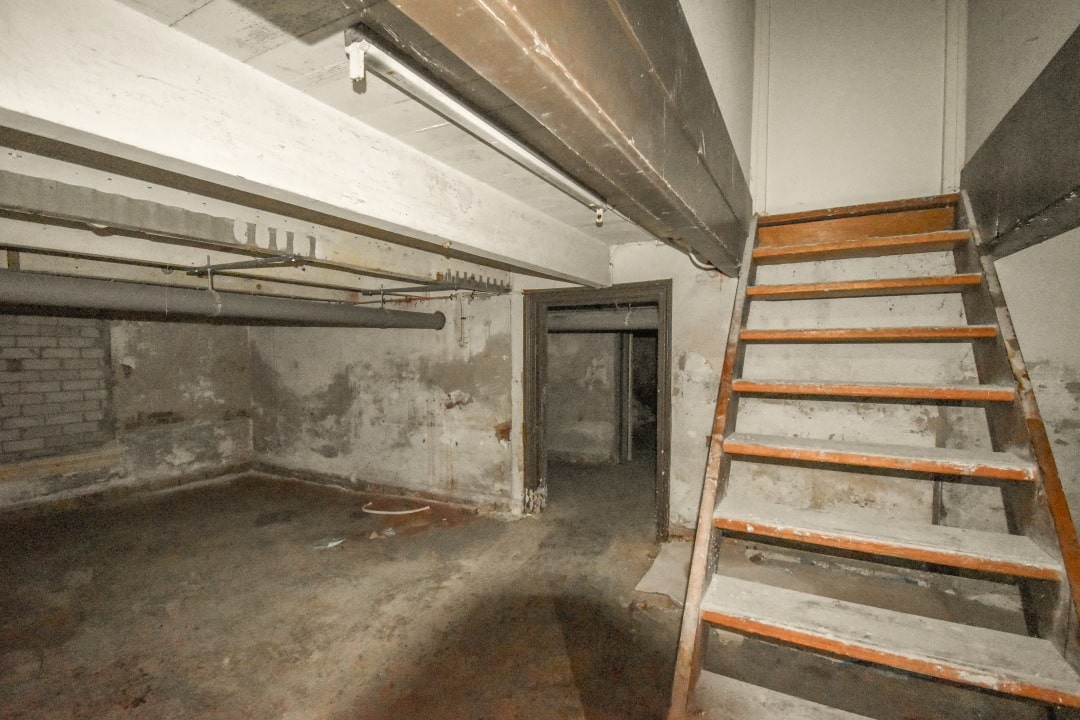
Your crawlspace might be out of sight, but it should never be out of mind. This often-neglected area beneath your home plays a critical role in your family’s health, your home’s structural integrity, and your property’s value. Yet most homeowners rarely venture into their crawlspace, allowing problems to develop unchecked until they become expensive emergencies.
The reality is sobering: studies suggest that 25-50% of the air you breathe on your home’s first floor has previously circulated through your crawlspace or basement. This phenomenon, known as the stack effect, means that any contamination, moisture problems, or mold growth in your crawlspace directly impacts your indoor air quality. What happens in your crawlspace doesn’t stay in your crawlspace.
A systematic crawlspace inspection schedule transforms this hidden area from a liability into a protective asset. Regular inspections allow you to identify moisture problems before they cause mold growth, detect pest intrusions before they damage structural components, and spot mechanical system issues before they fail completely. The key is knowing what to look for, when to look for it, and how to address problems before they escalate.
Understanding that your crawlspace is an integral part of your home’s environmental system—not just empty space beneath your floors—is the first step toward protecting your investment and your family’s health. With proper inspection and maintenance, your crawlspace can contribute to better indoor air quality, improved energy efficiency, and long-term structural stability.
Understanding Your Crawlspace’s Role in Home Health
Before establishing an inspection schedule, it’s crucial to understand how your crawlspace affects your entire home’s health and performance. This knowledge will help you prioritize your inspection efforts and recognize the significance of seemingly minor issues.
The Stack Effect and Air Movement
Natural Air Circulation: Warm air naturally rises through your home, creating negative pressure at lower levels that draws replacement air from crawlspaces and basements. This means crawlspace air inevitably becomes part of your breathing environment, making air quality in this space directly relevant to your family’s health.
Seasonal Variations: The stack effect intensifies during temperature extremes when the difference between indoor and outdoor temperatures is greatest. Winter heating and summer cooling both increase air movement from crawlspaces into living areas, making seasonal inspections particularly important.
Unsealed Penetrations: Plumbing, electrical, and HVAC penetrations through floors create direct pathways for air movement. Even small unsealed gaps can allow significant air exchange, carrying moisture, odors, and contaminants from crawlspaces into living spaces.
Moisture Dynamics in Crawlspaces
Humidity Accumulation: Crawlspaces naturally tend toward higher humidity levels due to their proximity to soil, limited ventilation, and cooler temperatures. Understanding these moisture dynamics helps you recognize when conditions favor mold growth or structural damage.
Seasonal Moisture Challenges: Different seasons create unique moisture challenges. Spring brings snow melt and increased groundwater, summer brings high humidity, fall brings temperature differentials that cause condensation, and winter brings potential freezing and condensation issues.
Building Material Vulnerability: Most crawlspace structural components are organic materials like wood joists, subflooring, and insulation—all of which provide food sources for mold when moisture levels are elevated.
Monthly Crawlspace Inspection Checklist
Establishing a monthly inspection routine helps you catch problems early when they’re still manageable and inexpensive to address. Monthly inspections should be brief but systematic, focusing on key indicators of developing problems.
Visual Assessment Priorities
Structural Component Inspection: Each month, visually inspect floor joists, support beams, and subflooring for signs of sagging, cracking, or distress. Look for new stains, discoloration, or soft spots that might indicate moisture damage or the beginning stages of rot.
Surface Moisture Indicators: Check walls, floors, and ceiling surfaces for visible moisture, condensation, or new staining. Pay particular attention to areas around foundation walls, beneath plumbing fixtures, and near HVAC equipment where moisture problems commonly develop.
Vapor Barrier Condition: If your crawlspace has vapor barrier material, inspect it monthly for tears, displacement, or areas where it has pulled away from walls. Even small compromises in vapor barriers can allow significant moisture infiltration.

Mechanical System Monitoring
HVAC Equipment Check: Examine any heating, cooling, or ventilation equipment located in the crawlspace. Look for signs of moisture around units, check that condensate drains are clear and functioning, and ensure that ductwork shows no signs of condensation or damage.
Plumbing System Inspection: Check visible plumbing for leaks, corrosion, or moisture accumulation. Pay special attention to pipe joints, valve connections, and areas where pipes pass through the foundation. Even minor leaks can create significant moisture problems over time.
Electrical System Safety: Inspect electrical components for signs of moisture exposure, corrosion, or unusual conditions. Moisture and electricity create dangerous combinations, making this aspect of monthly inspection critical for safety.
Pest and Intrusion Detection
Entry Point Assessment: Look for new holes, gaps, or damage that could allow pest entry. Check foundation vents, utility penetrations, and areas where different materials meet. Small entry points can quickly become major pest highways.
Activity Evidence: Check for signs of pest activity including droppings, nesting materials, damaged insulation, or gnaw marks on structural components. Early detection allows for intervention before pest populations become established.
Seasonal Deep Inspection Protocols
While monthly inspections focus on immediate concerns, seasonal deep inspections provide comprehensive assessment of your crawlspace’s condition and long-term trends. These more thorough inspections should coincide with major seasonal transitions.
Spring Comprehensive Assessment
Spring inspections focus on assessing winter damage and preparing for the active growing season when mold and pest activity increases.
Winter Damage Evaluation: Look for any damage caused by freezing temperatures, ice, or winter moisture accumulation. Check for pipe damage, insulation displacement, or structural issues that may have developed during cold weather.
Drainage System Check: Inspect foundation drainage, ensure proper grading around the foundation perimeter, and verify that gutters and downspouts are directing water away from the foundation. Spring is the ideal time to address drainage issues before heavy rains arrive.
Moisture Control Preparation: Assess the effectiveness of existing moisture control measures including vapor barriers, ventilation systems, and dehumidification equipment. Spring preparation prevents summer humidity problems.
Summer Humidity Management Focus
Summer inspections concentrate on moisture control during peak humidity season when mold growth potential is highest.
Humidity Level Monitoring: Use hygrometers to measure humidity levels throughout the crawlspace, identifying areas with consistently high moisture that could support mold growth. Ideal crawlspace humidity should remain below 60%, with 50% or lower being optimal.
Ventilation System Performance: Test all ventilation equipment to ensure proper operation during peak demand periods. Clean or replace filters, check fan operation, and verify that ventilation systems are effectively removing moisture.
Condensation Problem Detection: Look for condensation on ductwork, pipes, or other surfaces that could indicate inadequate insulation or ventilation. Summer’s temperature differentials often reveal condensation problems not visible during other seasons.
Fall Winterization and Sealing
Fall inspections prepare your crawlspace for winter while addressing any issues that developed during the humid summer months.
Air Sealing Assessment: Check weatherstripping, caulking, and other air sealing measures around foundation vents, access doors, and utility penetrations. Proper air sealing prevents winter condensation problems caused by warm, moist indoor air reaching cold surfaces.
Insulation Condition Review: Inspect insulation for damage, displacement, or moisture absorption. Damaged insulation loses effectiveness and can harbor mold growth, making fall replacement crucial for winter performance.
Heating System Preparation: If heating equipment is located in the crawlspace, ensure it’s ready for winter operation. Check for proper clearances, clean combustion air intakes, and verify that all safety systems are functional.
Winter Condensation Monitoring
Winter inspections focus on preventing and detecting condensation problems that develop when temperature differentials are greatest.
Condensation Problem Detection: Look for condensation on cold surfaces, ice formation, or moisture accumulation that could indicate air leakage or inadequate insulation. Winter conditions often reveal problems not apparent during warmer months.
Heating System Performance: Monitor heating equipment operation, ensure proper ventilation for combustion appliances, and check that heating distribution systems are operating efficiently without moisture problems.
Pipe Freeze Prevention: Inspect pipe insulation and heating measures designed to prevent freezing. Frozen pipes create immediate damage and long-term moisture problems when they thaw.
Equipment and Tools for Effective Inspections
Having the right tools makes crawlspace inspections more effective and helps you gather accurate information about your crawlspace’s condition.
Essential Inspection Equipment
Lighting Solutions: Quality lighting is crucial for effective crawlspace inspection. LED headlamps provide hands-free illumination, while powerful flashlights help identify problems in dark corners. Consider rechargeable options for convenience and reliability.
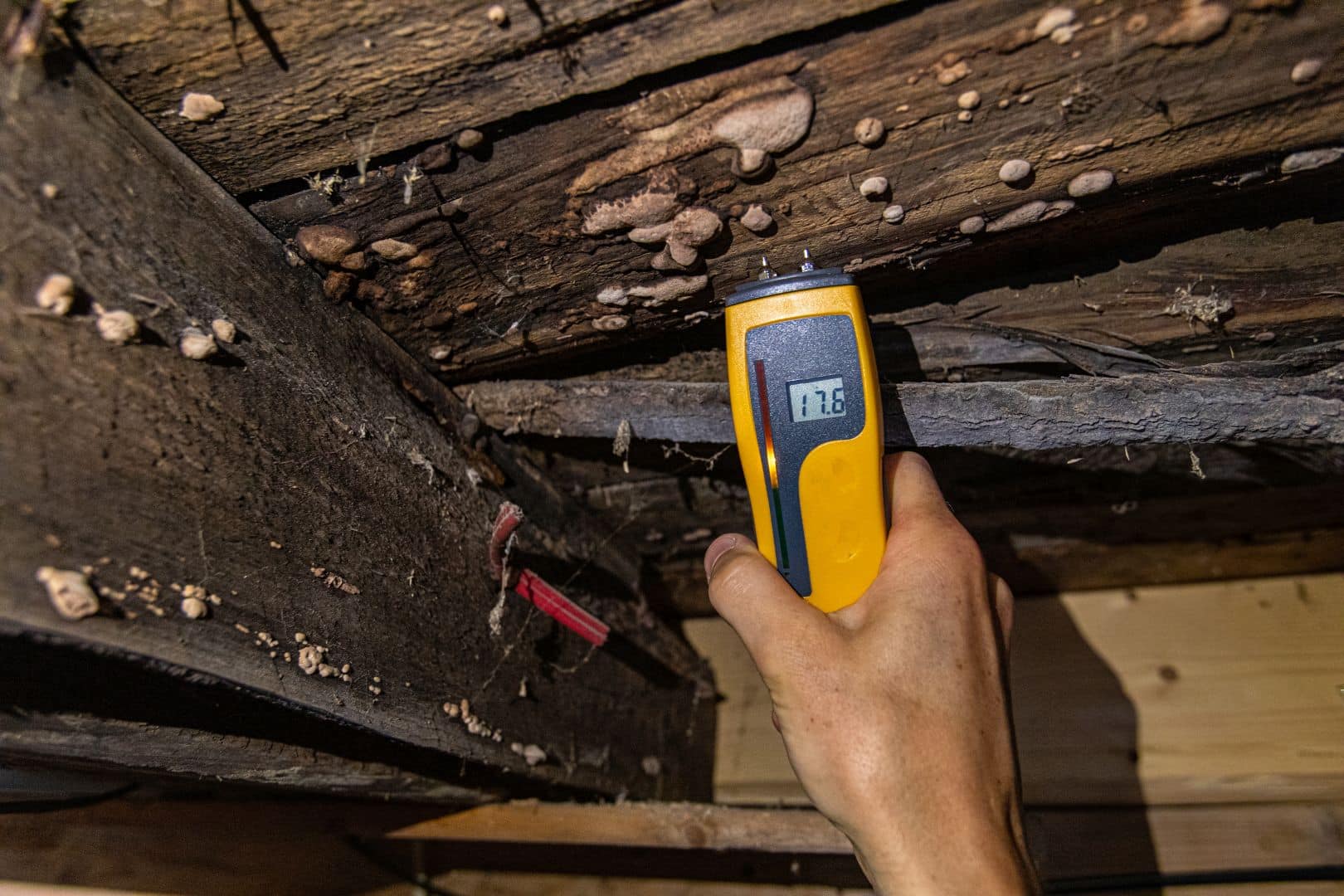
Moisture Detection Tools: Digital hygrometers help monitor humidity levels, while moisture meters can test specific materials for water content. These tools provide objective measurements that help track trends and identify developing problems.
Safety Equipment: Knee pads, gloves, and dust masks protect you during inspections. If your crawlspace has limited height, consider coveralls to protect clothing and skin from insulation or debris.

Documentation and Tracking Tools
Inspection Forms: Develop standardized inspection checklists that ensure you examine all critical areas consistently. Written documentation helps track changes over time and provides records for insurance or professional consultation purposes.
Photography for Progress Tracking: Take photos of key areas during each inspection, including both problem areas and normal conditions. Photographic records help track gradual changes that might not be obvious from visit to visit.
Measurement Tools: Keep measuring tape and rulers available for documenting the size of stains, cracks, or other issues. Quantifying problems helps determine whether they’re stable, improving, or worsening over time.
Advanced Detection Technology
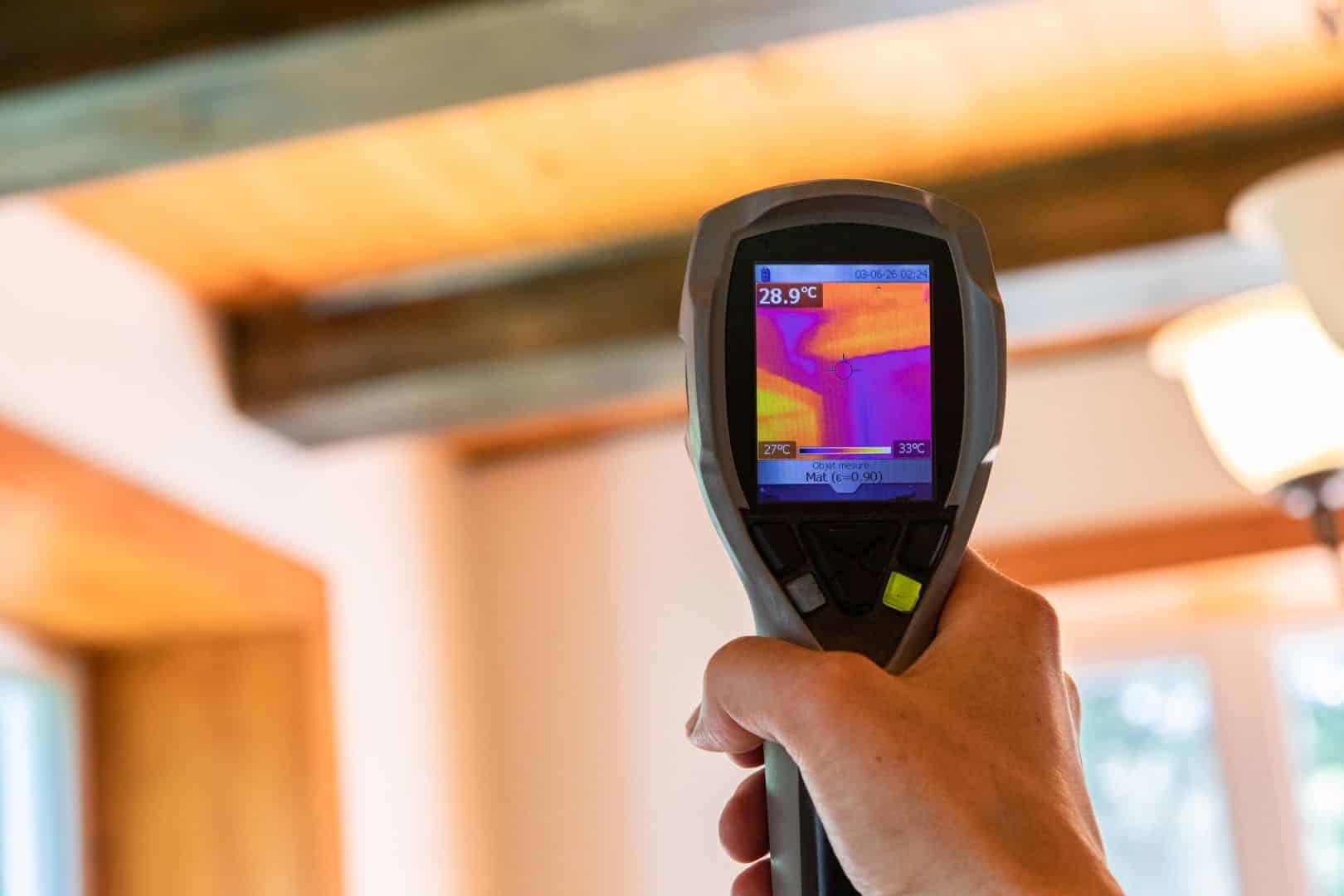
Thermal Imaging Applications: While professional-grade thermal imaging cameras are expensive, smartphone thermal imaging attachments can help identify temperature differences that indicate insulation problems, air leaks, or moisture issues.
Smart Monitoring Systems: WiFi-enabled sensors can continuously monitor crawlspace temperature, humidity, and even water presence, providing alerts when conditions change. These systems are particularly valuable for vacation homes or properties you can’t inspect frequently.
Identifying Critical Issues During Inspections
Knowing what constitutes a critical issue requiring immediate attention versus normal wear and aging helps you prioritize your response to inspection findings.
Immediate Action Required
Structural Safety Concerns: Sagging floor joists, cracked support beams, or shifting foundation elements require immediate professional assessment. These issues can affect your home’s structural integrity and safety.
Active Water Intrusion: Any active leaks, standing water, or ongoing moisture infiltration needs immediate attention. Water problems typically worsen quickly and can cause extensive damage if not promptly addressed.
Electrical Safety Hazards: Moisture exposure to electrical components, damaged wiring, or unsafe electrical installations create fire and shock hazards that require immediate professional attention.
Professional Assessment Needed
Extensive Mold Growth: While small amounts of surface mold can often be addressed by homeowners, extensive mold growth or mold in hidden areas requires professional assessment and remediation.
Pest Infestations: Significant pest activity, especially evidence of destructive pests like termites or carpenter ants, requires professional pest control intervention to prevent structural damage.
System Failures: HVAC equipment failures, plumbing system problems, or ventilation system malfunctions often require professional diagnosis and repair to restore proper function.
Monitoring and Maintenance Items
Minor Surface Issues: Small stains, minor condensation, or slight humidity elevation can often be addressed through improved ventilation, dehumidification, or minor repairs.
Gradual Changes: Slight increases in humidity, minor settling cracks, or gradual wear of materials typically require monitoring and planned maintenance rather than emergency intervention.
Preventive Maintenance Needs: Items like filter replacement, vapor barrier adjustment, or minor caulking updates can usually be handled as part of regular maintenance activities.
Professional Inspection Integration
While regular homeowner inspections are valuable, professional inspections provide expertise and equipment that supplement your own efforts.
Annual Professional Assessment
Comprehensive System Evaluation: Professional inspectors can assess complex interactions between structural, mechanical, and environmental systems that might not be apparent during homeowner inspections.
Specialized Equipment Access: Professionals have access to advanced moisture detection equipment, thermal imaging cameras, and other tools that can identify problems not visible during basic inspections.
Code Compliance Review: Professional inspections can identify code compliance issues or safety concerns that might not be obvious to homeowners but could affect insurance coverage or resale value.

Coordination with Other Services
Pest Control Integration: Coordinate crawlspace inspections with regular pest control services to ensure comprehensive monitoring for destructive pests that could affect structural integrity.
HVAC Service Coordination: Schedule professional HVAC maintenance to coincide with seasonal crawlspace inspections, ensuring that mechanical systems in the crawlspace receive proper attention.
Plumbing System Coordination: Include crawlspace plumbing assessment as part of annual plumbing system maintenance to catch minor leaks before they become major moisture problems.
Creating Your Personalized Inspection Schedule
Developing a realistic and sustainable inspection schedule requires considering your specific circumstances, crawlspace conditions, and available time.
Frequency Determination Factors
Climate Considerations: Homes in humid climates or areas with significant seasonal variation may require more frequent inspections than those in dry, stable climates.
Crawlspace Conditions: Crawlspaces with known moisture issues, pest problems, or aging systems may need more frequent monitoring than those with excellent environmental control.
Access Limitations: Crawlspaces with difficult access might require less frequent but more thorough inspections, while easily accessible spaces can accommodate brief monthly checks.
Seasonal Scheduling Strategy
Peak Activity Periods: Schedule your most thorough inspections during spring and fall when seasonal transitions create the greatest potential for new problems to develop.
Weather-Based Timing: Plan inspections after significant weather events like heavy rains, storms, or temperature extremes that could reveal vulnerabilities or cause new problems.
System Maintenance Coordination: Coordinate inspections with other home maintenance activities like HVAC service, pest control, or annual home maintenance schedules for maximum efficiency.
Documentation and Record Keeping
Inspection Log Maintenance: Keep detailed records of each inspection including date, conditions found, actions taken, and areas requiring future attention. These records help identify patterns and track the effectiveness of corrective measures.
Photo Documentation System: Maintain organized photo records showing the condition of key areas over time. Digital photos with date stamps provide excellent documentation for insurance purposes or professional consultations.
Problem Tracking: Document recurring issues, seasonal patterns, and the effectiveness of corrective actions to improve your understanding of your crawlspace’s unique characteristics and needs.
Preventive Measures Based on Inspection Findings
Regular inspections are only valuable if they lead to appropriate preventive actions. Understanding how to respond to common inspection findings helps maintain your crawlspace’s health.
Moisture Control Interventions
Ventilation Improvements: Based on humidity measurements and moisture observations, you may need to improve natural ventilation, add mechanical ventilation, or install dehumidification equipment.
Vapor Barrier Maintenance: Regular inspection findings should guide vapor barrier repairs, upgrades, or replacement to maintain effective moisture control.
Drainage Enhancements: Inspection findings may indicate the need for improved foundation drainage, better surface grading, or gutter system improvements to reduce moisture infiltration.
Structural Protection Measures
Pest Exclusion: Use inspection findings to identify and seal entry points, install barriers, or implement monitoring systems to prevent pest intrusion.
Wood Protection: Apply appropriate wood preservatives, improve ventilation around structural components, or install moisture barriers to protect organic building materials.
Foundation Maintenance: Address minor foundation issues identified during inspections before they become major structural problems requiring expensive repairs.
Conclusion: Your Crawlspace as a Home Health Asset
A systematic crawlspace inspection schedule transforms this neglected area from a potential liability into a protective asset for your home and family. Regular monitoring allows you to maintain optimal conditions that prevent mold growth, protect structural integrity, and contribute to healthy indoor air quality throughout your home.
Remember that consistency is more valuable than perfection. A simple inspection routine performed regularly will catch more problems than elaborate inspections done sporadically. Start with basic monthly checks and gradually develop more sophisticated monitoring as you become familiar with your crawlspace’s unique characteristics and needs.
The time invested in regular crawlspace inspection pays dividends in prevented problems, lower maintenance costs, and improved indoor air quality. Your crawlspace affects every breath your family takes and every dollar of your home’s value—making this investment in preventive care one of the wisest home maintenance decisions you can make.
Begin implementing your crawlspace inspection schedule immediately. Your future self will thank you for the problems prevented and the peace of mind achieved through proactive care of this critical home component.