Introduction to Mold Exposure and Its Health Effects
Mold exposure is a common problem in many homes and buildings, stemming from excessive moisture and poor ventilation. It is crucial to recognize the health effects associated with mold exposure symptoms to protect your health and wellbeing. From mild irritations to severe respiratory issues, understanding these symptoms can prompt timely intervention and ensure better living conditions.
What is Mold Exposure?
Mold is a type of fungus that grows in moist environments. Mold exposure occurs when individuals come into contact with mold spores in the air. These spores are invisible to the naked eye but can have significant health impacts if inhaled, ingested, or come into contact with skin.
Living in a mold-infested environment over time can lead to various health issues, often manifesting initially as mild symptoms. Recognizing these early can prevent more severe conditions.
Common Sources of Mold
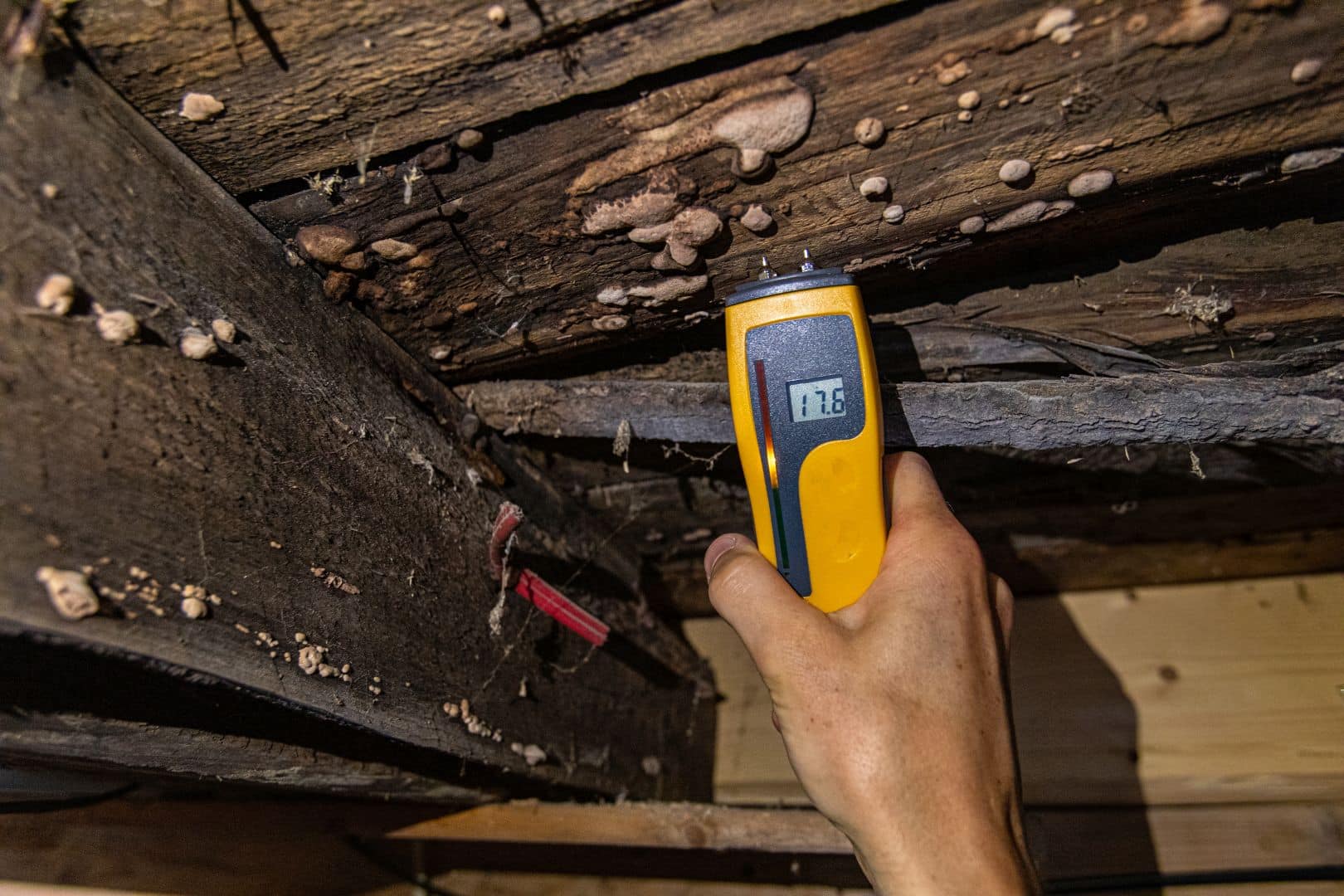
Mold can thrive in various environments, but is most commonly found in damp, warm areas. Common areas of mold growth include bathrooms, basements, kitchens, and crawl spaces. Leaky pipes, flooding, or poor insulation can exacerbate the problem. Identifying and mitigating these sources can reduce the risk of mold exposure in the home.
Why Recognizing Symptoms is Crucial?
Understanding and identifying toxic mold symptoms are crucial for safeguarding your respiratory health and overall wellbeing. Symptoms can range from headaches and fatigue to chronic respiratory conditions and neurological issues. Immediate awareness and action can prevent the escalation of these health risks.
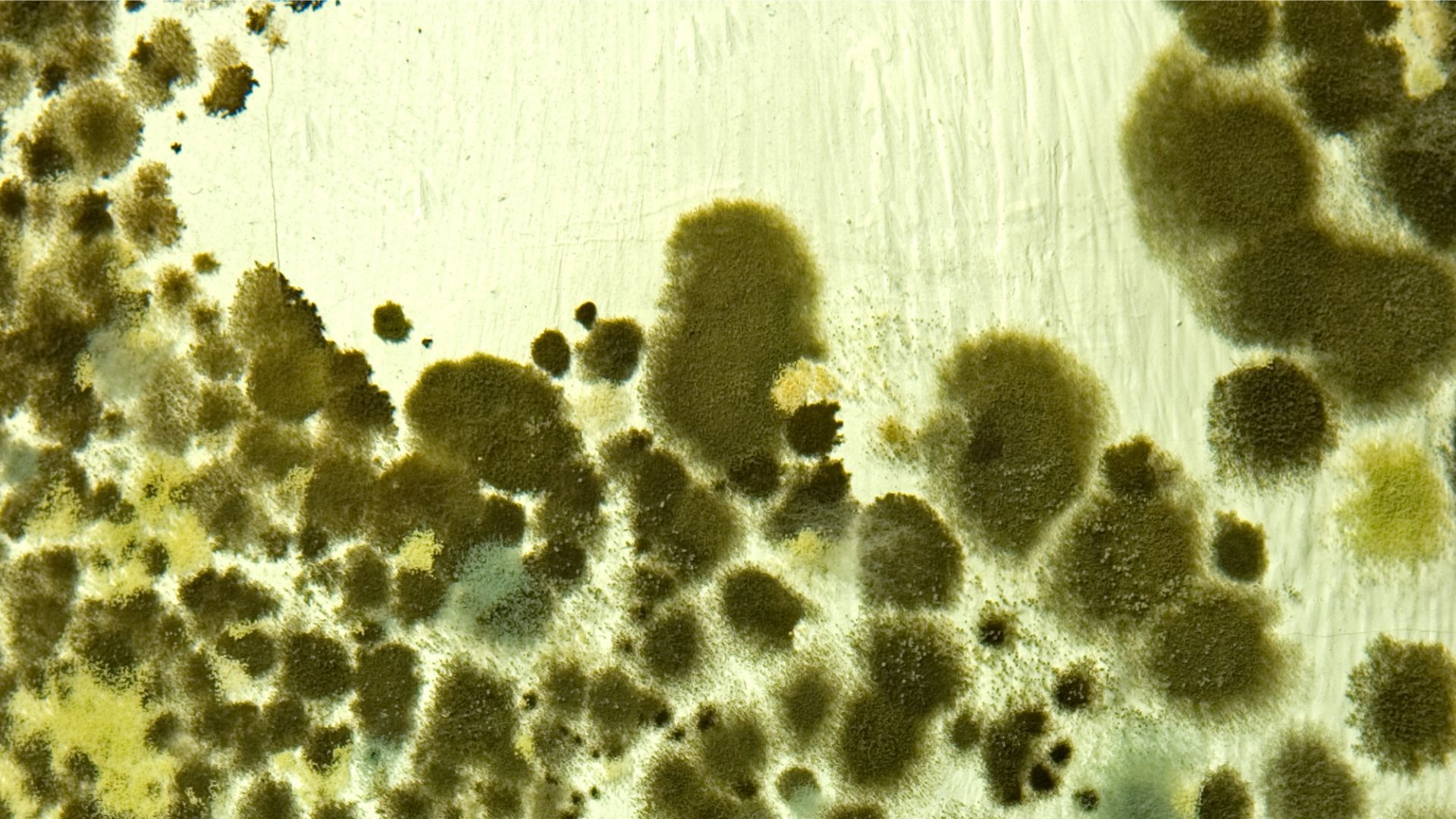
Close-up image showing green mold spores on a light background, highlighting the need for effective mold solutions in Alabama.
Detailed Overview of Mold Exposure Symptoms
Mold exposure symptoms can vary from person to person, often depending on the level and duration of exposure. Recognizing the range of symptoms, from mild to severe, helps in managing and mitigating health risks effectively.
Mild Symptoms
Initial exposure to mold often results in mild symptoms, including nasal congestion, coughing, and minor skin irritations. Although these might seem insignificant, they can be the body’s first warning of mold presence.
These symptoms typically persist and do not respond well to over-the-counter remedies without addressing the underlying mold issue.
Moderate Symptoms
As exposure continues, symptoms may progress to include persistent headaches, fatigue, and more severe skin irritations. These may also include respiratory discomforts such as persistent cough and wheezing.
Severe Symptoms
Prolonged exposure can lead to severe health issues, such as chronic respiratory conditions like asthma and severe allergic reactions. Neurological symptoms, like confusion and difficulty concentrating, may also arise, indicating the need for immediate intervention.
Long-Term Health Effects
If exposure is not curtailed, long-term health effects can develop:
- Respiratory issues: Chronic conditions such as asthma and other respiratory illnesses.
- Neurological effects: Prolonged exposure can cause symptoms like memory loss and “brain fog.”
- Economic costs on health: Increased medical bills and potential loss of income due to health complications.
- Chronic fatigue syndrome: Ongoing tiredness not relieved by rest.
How Mold Affects Respiratory Health and Overall Wellbeing
Mold exposure poses significant threats to respiratory health and beyond, affecting vulnerable groups more severely. By understanding its comprehensive health impacts, individuals can better safeguard their health and wellbeing.
Impact on Respiratory System
Mold spores can irritate the lungs, leading to chronic respiratory issues such as asthma and bronchitis. These conditions can severely impact quality of life, especially in those with pre-existing respiratory ailments.
For sensitive individuals, exposure can trigger immediate allergic reactions or asthma attacks, underscoring the necessity for proper foundation protection and home maintenance to prevent mold growth.
Impact on Children and Vulnerable Groups
Children, the elderly, and immunocompromised individuals are particularly susceptible to the adverse effects of mold. Mold exposure can impair cognitive development in children and exacerbate health issues in older adults.
Psychological Effects
Beyond physical health, mold exposure can have psychological impacts, leading to increased anxiety, depression, and stress. Understanding these connections can help in seeking comprehensive treatment for those affected.
Prevention Strategies and When to Seek Medical Help
Prevention is the most effective strategy against the health impacts of mold exposure. Understanding when to seek medical help is equally critical to mitigate severe health risks.
Preventive Measures
Employing preventive strategies can greatly reduce the risk of mold growth and exposure. Regular home maintenance and monitoring are keys to a healthy living environment.
Mold prevention entails consistent vigilance and home upkeep, ensuring that moisture levels are controlled to inhibit mold growth.
When to Seek Medical Help
If mold exposure symptoms become persistent or severe, seeking medical assistance is essential. A healthcare professional can diagnose and provide insights into managing symptoms effectively.
Health Protection for Your Family
Ensuring a safe and healthy home environment is crucial for preventing mold-related health issues. Implementing regular preventive measures can safeguard your family’s health:
- Regular mold inspections: Detect issues early with scheduled checks.
- Home moisture control: Keep humidity levels below 60% inside the home.
- Dehumidifiers in damp areas: Reduce moisture accumulation in basements and crawl spaces.
- Proper ventilation systems: Ensure efficient airflow in kitchens and bathrooms.
These strategies not only protect health but also uphold the integrity of your living space. Find local remediation services for professional intervention.
Legal and Economic Implications of Mold Exposure
Apart from health issues, mold exposure brings potential legal and economic challenges, especially concerning remediation costs and home value.
Cost of Mold Remediation
Addressing mold issues can be financially demanding but necessary to ensure a safe living environment. It’s crucial to understand the financial aspects involved.
- Average remediation costs: Typically range from $500 to $6,000 depending on severity.
- Insurance coverage: Varies by policy; some may cover remediation.
- Legal liabilities: Homeowners are responsible for safe living conditions.
- Home market value effects: Mold presence can significantly lower property value.
Weighing these factors helps maintain your property’s value and safety.
Health Cost Implications
Long-term exposure can result in significant medical expenses due to recurring doctor visits and medication. Understanding these costs can aid in proactive health management.
Understanding Your Rights
Tenants and homeowners should understand their legal rights and obligations regarding mold issues. Awareness helps in navigating potential legal challenges effectively.

A basement in Birmingham, AL, shows significant water damage with flooding, highlighting the need for expert mold inspection and restoration services.
Finding Professional Help and Reputable Services
When dealing with mold issues, professional remediation is often necessary. Knowing how to choose the right service can protect both health and property.
Choosing the Right Remediation Service
The selection of a qualified mold remediation service is a critical decision. Evaluating potential candidates based on expertise and reliability ensures quality outcomes.
Conducting thorough research and asking the right questions helps in identifying reputable firms. Get started with local experts today.
Questions to Ask Mold Remediation Companies
Before hiring, consider asking these essential questions to ensure service quality:
- Experience and certifications: Proven track record and professional accreditation are paramount.
- Safety protocols: Inquire about the safety measures followed during the process.
- Warranty and follow-up services: Ask about guarantees and post-service checks.
- Customer reviews and reputation: Research past customer experiences and ratings.
- Cost estimates: Request detailed pricing information upfront.
Importance of Professional Assessment
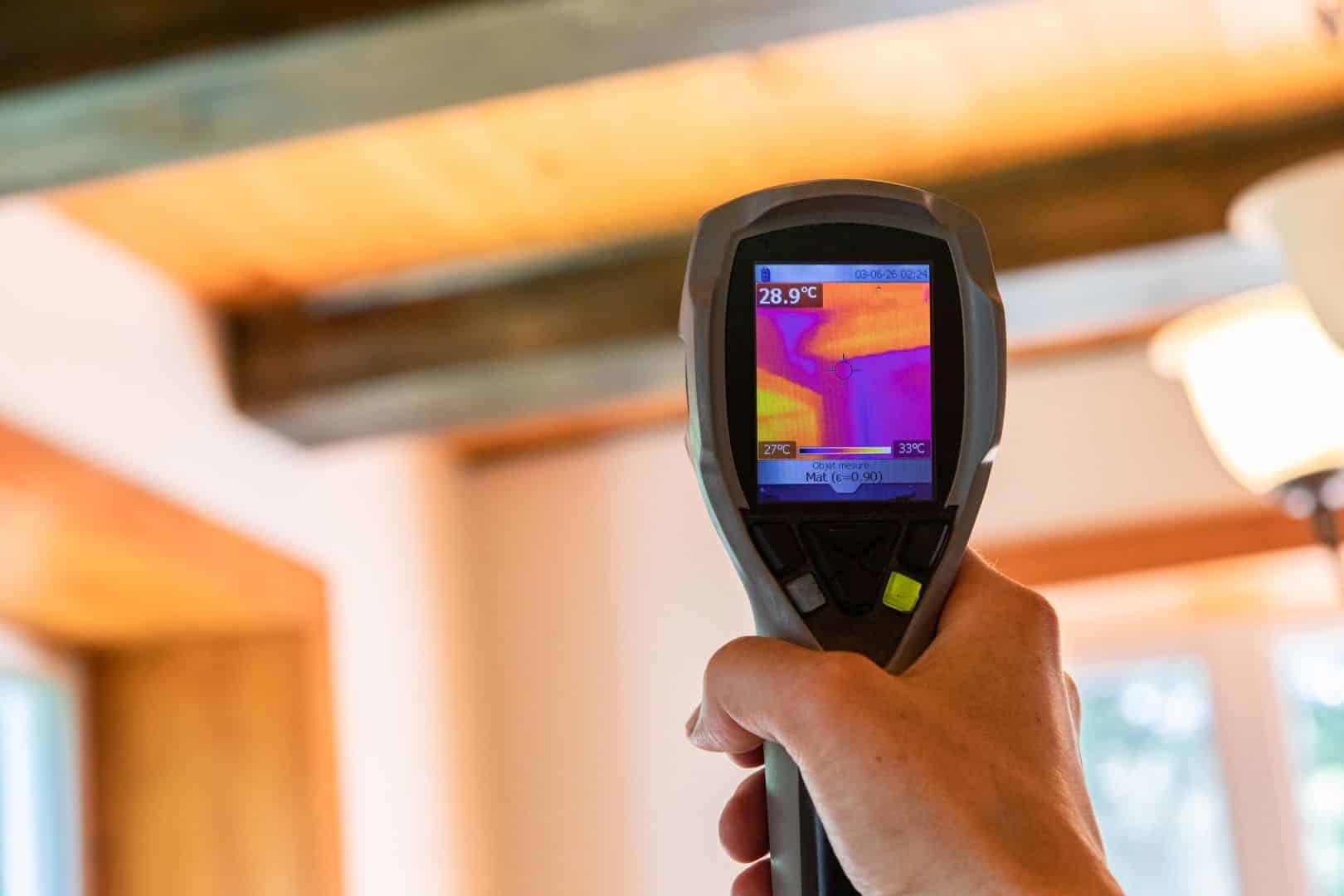
An expert evaluation helps in accurately diagnosing mold-related issues. Specialized knowledge and tools ensure comprehensive assessments and solutions that DIY efforts might miss.
Addressing mold promptly with professional services guards against long-term health costs and property damage.
Summary of Mold Exposure Health Impacts
Mold exposure poses various health risks that can escalate from mild to severe. Recognizing symptoms early and taking preventive measures are keys to maintaining health and property integrity.
Recap of Mold Health Effects
Mold exposure ranges from minor irritations to severe health conditions, significantly affecting respiratory and neurological health. Understanding these impacts empowers individuals to take necessary precautions.
Final Thoughts on Mold Awareness
A proactive approach to mold prevention and timely intervention can protect both health and property. Stay informed and vigilant to ensure a safe living environment for yourself and your family.
Symptoms of mold exposure can range from mild, such as nasal congestion and eye irritation, to severe, including respiratory issues and neurological effects. It is essential to monitor these symptoms closely and consider testing your environment for mold if they persist. Children are particularly vulnerable to mold exposure, as it can cause developmental issues and exacerbate asthma and allergies. Maintaining a mold-free environment is crucial for their health and wellbeing. Professional help should be sought if you notice persistent or worsening health symptoms, visible mold growth, or if DIY efforts have failed to resolve the issue. Experts can provide comprehensive solutions and address hidden mold problems. To prevent mold growth, ensure good ventilation in damp areas, control indoor humidity levels, fix leaks promptly, and conduct regular mold inspections. Using a dehumidifier in basements and other moisture-prone areas can also be beneficial.Mold Exposure Health Effects FAQ