Overview of the Importance of Finding Local Mold Remediation Specialists
Understanding Mold Remediation
Mold remediation is a critical process for ensuring the safety and health of indoor environments. Essentially, it involves identifying the source of moisture that feeds mold, eliminating existing mold damage, and preventing future growth. This comprehensive approach ensures that your property remains safe from the harmful effects of mold exposure, which can include respiratory issues and other health concerns. By engaging with local mold remediation specialists, homeowners can access timely and effective services designed to protect their homes and loved ones.
Highly skilled in addressing mold growth, these specialists focus on containment and removal techniques tailored to the specific needs of each case. They use advanced equipment and products to not only remove visible mold but also to ensure that no spores remain that could cause future infestations. Therefore, understanding the full scope and benefits of professional mold remediation helps property owners make informed decisions.
Why Local Specialists Matter
Engaging local experts in mold remediation offers numerous advantages, including quick response times and an in-depth understanding of regional climate and environmental factors that contribute to mold issues. Local specialists are familiar with the particularities of their area, allowing them to tailor their solutions to effectively mitigate mold risks common in your community. This expertise is coupled with reliable service that ensures long-term results.
In addition, local companies tend to have robust networks within the community that provide insights into reliable suppliers and additional services such as commercial mold remediation. This not only enhances their service offerings but also fosters a sense of accountability and trust within the community, further reinforcing the importance of choosing local specialists for mold treatment needs.
Key Factors in Selection
When selecting mold remediation companies, several key factors should be evaluated to ensure you choose a service that aligns with your specific needs. First, confirm the range of services offered. Comprehensive mold remediation not only includes removal but also preventative measures to avoid recurrence. Additionally, ensure the company has appropriate licensing and credentials, which affirm their credibility and expertise in handling such sensitive projects.
Another critical factor is their customer service and communication. Reliable companies will keep you informed and involved throughout the process, ensuring transparency and aligning with your expectations. Moreover, examine reviews and testimonials which can provide deeper insights into their performance and reliability, assisting you in making an informed decision.
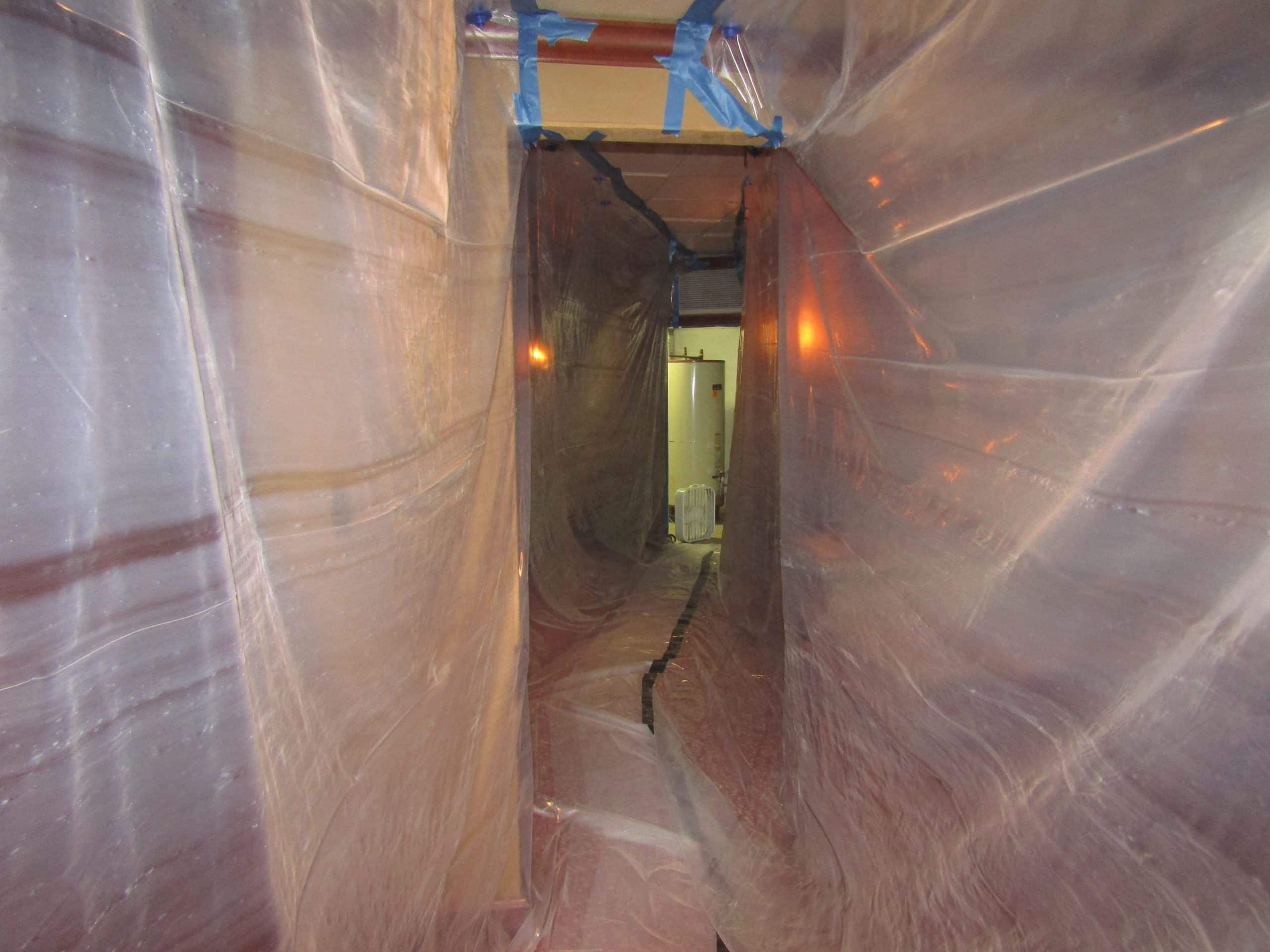
Hallway containment setup for mold remediation by Mold and Mildew Solutions in Alabama, ensuring effective mold removal and air quality improvement.
Discussion on the Qualifications to Look for in Mold Remediation Companies
Licensing and Certifications
Ensuring that a mold remediation company has the right licensing and certifications is crucial for quality assurance. Licensed professionals have met stringent standards in training, ethical practice, and their ability to effectively remove mold and mitigate potential hazards. Certifications from recognized bodies such as the Institute of Inspection Cleaning and Restoration Certification (IICRC) are essential markers of a company’s commitment to excellence. They validate the company’s proficiency in tackling complex mold issues using advanced methods.
These credentials not only ensure competence but also provide peace of mind, assuring clients that the services rendered will be both effective and safe. It’s vital to ask prospective companies about their qualifications and verify the validity of their certifications to ensure you are working with experts.
Experience and Reputation
When choosing a mold remediation company, experience plays a significant role. Years in business: Companies that have been in the industry for many years are likely to have encountered a wide variety of mold issues, making them adept at finding effective solutions.
Certifications held: These reflect the company’s dedication to maintaining up-to-date skills and knowledge in the latest mold remediation techniques.
Customer reviews: Valuable insights into past client experiences can help gauge the reliability and quality of service of the company.
Services Offered
Understanding the breadth of services a mold remediation company provides is essential in ensuring comprehensive care. Effective companies offer a full suite of solutions, from initial assessment and removal to preventative strategies and repairs. Services may also include water damage repair, a common need given the nature of mold growth conditions. It’s beneficial to work with a company that offers personalized solutions tailored to the specific needs of the property, ensuring a long-lasting impact.
Additionally, companies that integrate moisture control in their services provide invaluable preventative measures, reducing the risk of future issues. Comprehensive service offerings are often indicative of a company’s expertise and commitment to mitigating all facets of mold-related problems.
Steps to Evaluate Mold Remediation Companies
Initial Consultation
The first step in evaluating mold remediation companies is to schedule an initial consultation. This stage allows homeowners to discuss their specific mold issues and learn about potential solutions. During this consultation, it’s important to assess the company’s ability to communicate effectively, offering clear explanations of their methods and suggesting tailored solutions. This meeting sets the tone for future interactions and helps establish trust and transparency.
Property owners should feel confident in asking questions about the remediation process, including techniques used and timeframes. This is also a good opportunity to gauge the company’s willingness to address concerns and customize approaches to meet unique needs. A competent company will view this initial discussion as pivotal, ensuring you feel comfortable and informed about the next steps.
In-Site Assessment
The next critical phase involves an in-site assessment where the specialists evaluate the extent of the mold problem. During this step, the company should demonstrate thoroughness in inspecting visible and hidden mold areas while considering environmental factors contributing to mold growth. A comprehensive assessment helps in developing a targeted and effective remediation plan.
Specialists should convey their findings clearly and propose a remediation strategy that addresses both immediate and potential future issues. This is where detailed inspection and professional expertise truly shine, ensuring that remediation efforts align with your specific needs and priorities, enhancing family health protection.
Cost Estimates
Before committing to any remediation work, understanding cost estimates is crucial. These estimates should be transparent and detailed, providing a clear breakdown of what the project will entail. Understanding pricing methods: Companies may charge flat rates or hourly fees for different aspects of remediation.
Get multiple quotes: Allows for comparison and ensures you’re getting a fair rate.
Ask about hidden fees: Ensure all costs are accounted for upfront to avoid surprises later.
Evaluate what’s included: Ensure the estimate covers assessment, removal, preventative strategies, and any necessary repairs.
Ensure clarity in the contract: Documentation should be thorough, detailing work scopes and guarantees.
Final Decision
Making a final decision requires weighing all gathered information about each company, from communication effectiveness and technical expertise to cost transparency and service comprehensiveness. By comparing initial consultations, site assessments, and cost estimates, you can identify the company best suited to address your mold concerns.
The final choice should reflect a balance of quality, reliability, and cost, ensuring peace of mind that your mold issues will be managed effectively and efficiently. It’s prudent to select a specialist with proven success in providing robust solutions tailored to the unique challenges mold presents.
Common Questions About Mold Remediation Expertise and Techniques
Understanding Mold Types
Mold comes in various types, each requiring a different approach for effective remediation. Common household molds include Cladosporium, Penicillium, and Aspergillus, all of which can cause health issues if not properly addressed. While some minor mold problems can be managed with DIY solutions, larger infestations often necessitate professional intervention.
Understanding the specific mold types present in your home aids in developing an appropriate strategy for removal and prevention. It’s essential that homeowners work with professionals familiar with these variations to avoid potential risks and ensure a thorough and lasting solution.
Treatment Techniques
Effectively addressing mold issues requires a variety of treatment techniques:
- Containment strategies: Involve isolating the affected areas to prevent the spread of mold spores.
- Removal processes: Include physically removing mold-infested materials and cleaning surfaces.
- Dehumidification measures: Reduce moisture levels to inhibit mold growth recovery.
- Post-remediation testing: Ensures the effectiveness of the remediation efforts.
- Preventative measures: Such as fixing water leaks and improving ventilation methods.
- Sustainable practices: Incorporate eco-friendly cleaning agents to both protect health and the environment.
Employing these techniques ensures not only the removal of existing mold but also guards against future outbreaks, aiming for long-term peace of mind.
How to Evaluate Results
After remediation efforts, it’s essential to evaluate the results critically. Effective evaluation involves verifying the complete removal of mold and the success of preventative measures. Post-remediation testing plays a crucial role here, offering confirmed insights into the safety and cleanliness of the treated area.
Additionally, consider external signs like improved air quality and absence of mold odors, which indicate the success of the remediation project. Continual vigilance, through regular checks and maintenance, further ensures that mold problems do not return, securing your home as a healthy living environment. For particularly flood-prone areas, consider additional steps like interior basement waterproofing to prevent future growth.
Tips on How to Prevent Mold Growth in Homes
Moisture Control
Preventing mold growth is highly dependent on effective moisture control. Here are some essential strategies to manage moisture within your home:
- Regular inspections: Conduct routine checks for areas prone to moisture accumulation.
- Fix leaks promptly: Address issues in plumbing or roofing as soon as they’re detected.
- Ensure proper ventilation: Use exhaust fans in bathrooms and kitchens to reduce humidity.
- Use dehumidifiers: Particularly in basements or other damp areas to lower moisture levels.
- Maintain gutters: Clear them regularly to prevent water overflow that can seep into the home.
- Be aware of humidity levels: Keep indoor humidity below 60% to hinder mold growth.
- Check for signs of mold regularly: Such as musty smells or visible spots.
- Keep heating and cooling systems maintained: Regular maintenance to ensure systems are not contributing to moisture buildup.
Regular Maintenance Tips
Beyond moisture control, regular maintenance practices are integral in preventing mold proliferation. Start by ensuring that all home areas, including seldom-used spaces like attics or crawl spaces, are dry and well-ventilated. Scheduling periodic inspections by professionals can also preemptively catch issues that might lead to mold growth.
Additionally, integrating mold-resistant products such as sealants and finishes in your renovation projects provides an added layer of protection. Consistent upkeep in home environments is a small commitment compared to the substantial health and financial benefits it offers by avoiding mold-related problems.
Seasonal Precautions
Different seasons bring unique challenges and opportunities to prevent mold. In the wetter months, attention to moisture hotspots is crucial, involving frequent cleaning and dryness checks. In contrast, the dry seasons offer a perfect chance to undertake more robust protective measures such as enhancing ventilation systems and addressing any structural vulnerabilities that may cause water ingress.
Adopting seasonal approaches to your maintenance schedule helps distribute efforts effectively throughout the year, leveraging the best conditions to ensure mold remains at bay. By adhering to these preventative measures, homeowners can maintain a healthy indoor environment year-round, preventing the cumbersome challenges of devastating mold outbreaks.
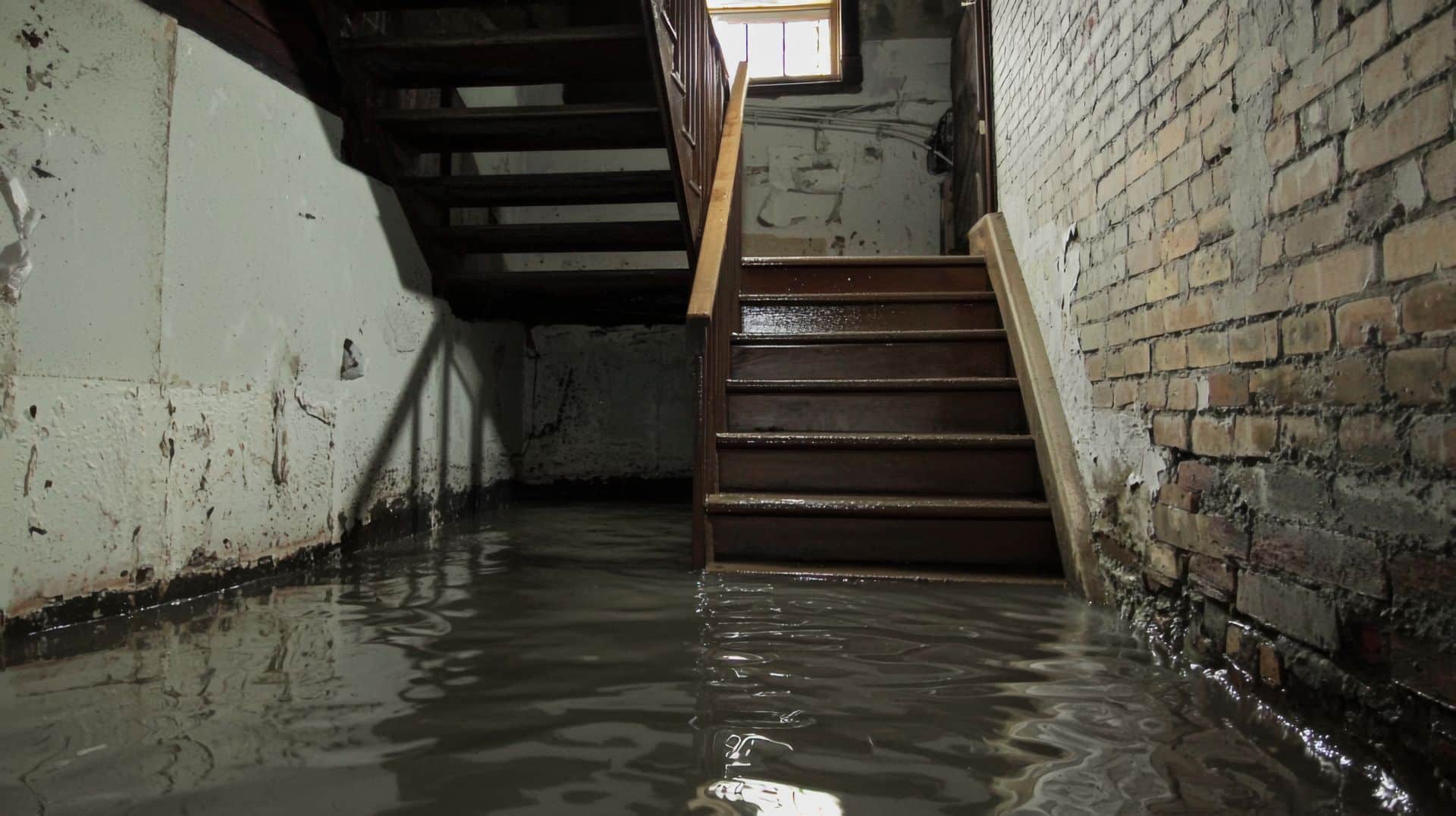
A basement in Birmingham, AL, shows significant water damage with flooding, highlighting the need for expert mold inspection and restoration services.
Discussing the Importance of Choosing Experienced Professionals
Professional Vs. DIY
Deciding between hiring a professional and DIY approaches for mold remediation depends heavily on the scope and severity of the issue. Professionals bring expertise, advanced tools, and experience in identifying and treating mold effectively, qualities often lacking in DIY efforts. While minor mold problems may appear manageable on your own, improper handling can exacerbate the situation by releasing spores into the air or missing hidden mold sources.
DIY methods may offer short-term savings but often fall short in ensuring thorough remediation. They generally lack the comprehensive approach necessary to address the diverse ways mold can impact a property. Therefore, entrusting the process to experienced professionals not only ensures more effective results but also mitigates the associated health risks.
Benefits of Expert Services
Engaging experts in mold remediation offers numerous advantages, from comprehensive assessments and treatment to post-remediation support. Access to advanced tools and techniques: Professional services utilize the latest advancements in mold detection and removal, which are inaccessible in typical consumer markets.
Longevity of remediation efforts: Certified companies are more likely to offer guarantees on their work, emphasizing long-term solutions over temporary fixes.
Protection from hidden damages: Extensive experience helps in uncovering hidden mold threats that are often missed.
Furthermore, professionals offer assurances, providing a level of quality and consistency necessary for your home’s safety. Should an emergency arise, having established service relationships can expedite essential interventions such as black mold removal or emergency response, highlighting the invaluable benefits of choosing seasoned experts over DIY approaches.
Case Studies or Examples of Successful Mold Remediation Projects
Residential Success Stories
Residential environments often present unique challenges in mold remediation. For instance, a home located in a humid climate underwent a complete mold remediation process that highlighted the importance of comprehensive moisture control and ongoing assessments. The project involved meticulous inspection and crawl space solutions to ensure all potential mold sources were addressed.
Through advanced techniques and a team of skilled professionals, the remediation efforts not only removed existing mold but also fortified the property against future risks. Homeowners reported noticeable improvements in air quality and overall health, serving as a testament to effective professional intervention.
Commercial Projects
In commercial settings, the stakes can be considerably higher due to factors like larger spaces and potential for extensive damage. A notable project involved a multi-story office building experiencing widespread mold issues due to poor humidity control and structural leakage. The remediation team executed a multi-phase strategy, including crawl space encapsulation and upgrading ventilation systems.
The project’s success was driven by employing sustainable practices and cutting-edge technology, directly addressing the root causes of moisture infiltration. This approach not only safeguarded the building’s structure but also maintained tenancy by addressing health concerns. Such projects exemplify the transformative impact of employing experienced mold remediation specialists, emphasizing their role in preserving both property values and occupant well-being.
Summary of Choosing the Right Mold Remediation Company and Next Steps
Key Takeaways
Choosing the right mold remediation company is integral for safeguarding your home from potential mold-related issues. Key considerations include verifying licensing and certifications, assessing a company’s experience and reputation, and ensuring they offer comprehensive services. These factors contribute significantly to successful and long-lasting remediation efforts.
Moreover, local expertise remains a critical asset, offering timely responses and tailored solutions accounting for regional challenges. Equipped with this understanding, homeowners can make informed choices that protect both property and health over long durations, ensuring peace of mind against the often unpredictable nature of mold growth.
Getting Started with Your Search
To begin your search for a competent mold remediation company, start by compiling a list of potential candidates and reviewing their qualifications, reviews, and service offerings. Initial consultations are a valuable step in assessing their expertise firsthand and discussing your specific concerns.
Utilize this opportunity to ask critical questions surrounding their methods, experience, and success rates. Opting for a company that aligns with your needs and expectations ensures a smooth remediation process. Let the emphasis be on finding mold removal experts who can provide sustainable solutions and outstanding service. Moreover, for specific challenges like attic issues, seek specialists for targeted interventions like attic mold removal.
Finding Local Mold Specialists FAQ
Mold remediation involves the professional removal, cleaning, sanitizing, and reconstruction processes necessary to mitigate mold issues within a building. The objective is to address mold growth comprehensively, ensuring that current and future issues are effectively managed. Professionals use specialized equipment and techniques to contain, remove, and prevent further mold occurrences.
The duration of mold remediation depends on the extent of the mold infestation and the size of the area affected. Generally, a typical home can require a few days to a week for thorough remediation. However, extensive projects may require longer periods, especially in larger commercial buildings. Quick assessment and precise execution are key in minimizing disruption while ensuring safety and effectiveness.
During a mold remediation consultation, you can expect a detailed inspection of the affected areas by trained professionals. They will assess the extent of the mold growth, identify the underlying cause, and propose a detailed remediation plan. This consultation serves as the foundation for a tailored approach to resolving your mold problems effectively and efficiently.
Mold remediation companies often offer limited guarantees on their services, usually related to the methods and products used in the remediation process. Guarantees vary, so it is crucial to understand what is covered under your agreement before choosing a service provider. Look for companies that offer checks or follow-up services as part of their guarantee.
Preventing mold from returning involves addressing the factors that contribute to mold growth. These include maintaining low indoor humidity levels, repairing leaks and water infiltrations promptly, and ensuring adequate ventilation. Regular inspections and maintenance are also vital in keeping your property mold-free long-term. Adopting these practices helps create a proactive approach to mold management.