Moisture problems don’t announce themselves with fanfare. They creep silently through your home, often undetected until significant damage has already occurred. By the time most homeowners notice visible mold growth, the underlying moisture issue may have been present for weeks or even months, potentially affecting indoor air quality and requiring costly remediation.
The key to preventing devastating moisture damage lies in recognizing the early warning signs before they escalate into major problems. Most moisture issues begin small and gradually worsen, but homeowners who know what to look for can catch these problems early, saving thousands of dollars in repairs and protecting their family’s health. Understanding these early indicators transforms you from reactive to proactive, giving you the power to address issues before they compromise your home’s integrity.
Learning to identify moisture problems early isn’t just about protecting your property value—it’s about safeguarding your family’s health and maintaining a safe, comfortable living environment. The subtle signs of moisture intrusion are often overlooked because they seem minor or temporary, but these early warnings can prevent serious mold growth and structural damage when properly recognized and addressed.
Visual Indicators: What Your Eyes Can Tell You
Your eyes are your first and most reliable tools for detecting moisture problems. Many early signs of water intrusion are subtle but visible to homeowners who know what to look for. Regular visual inspections of key areas can reveal problems long before they become serious.
Discoloration and Staining Patterns
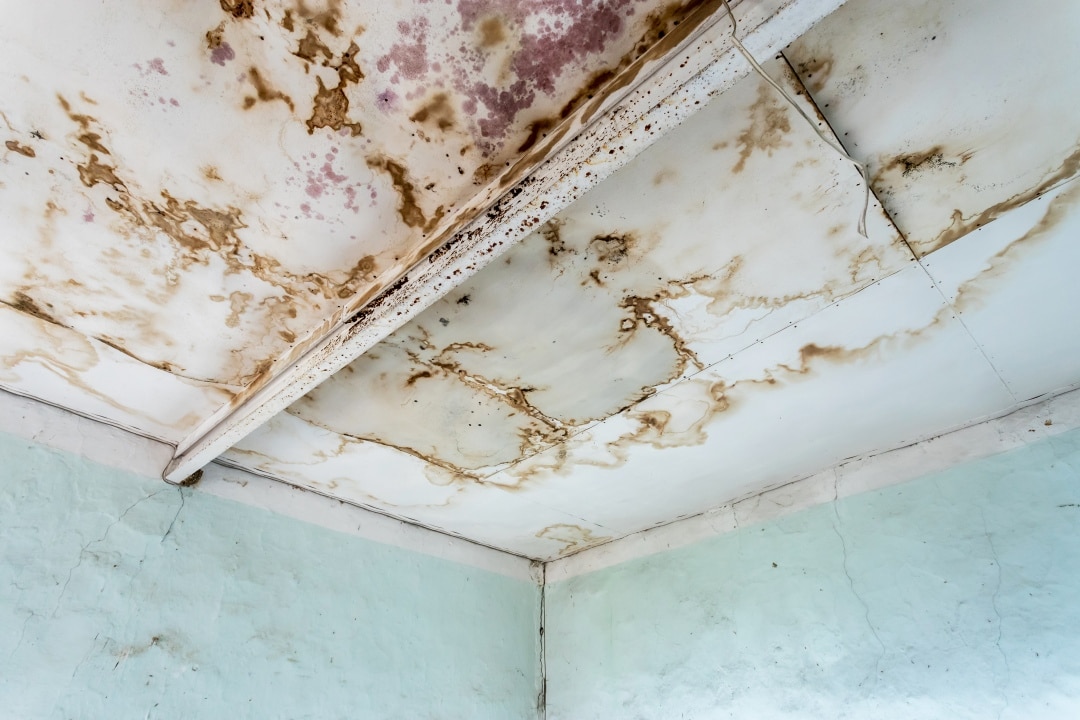
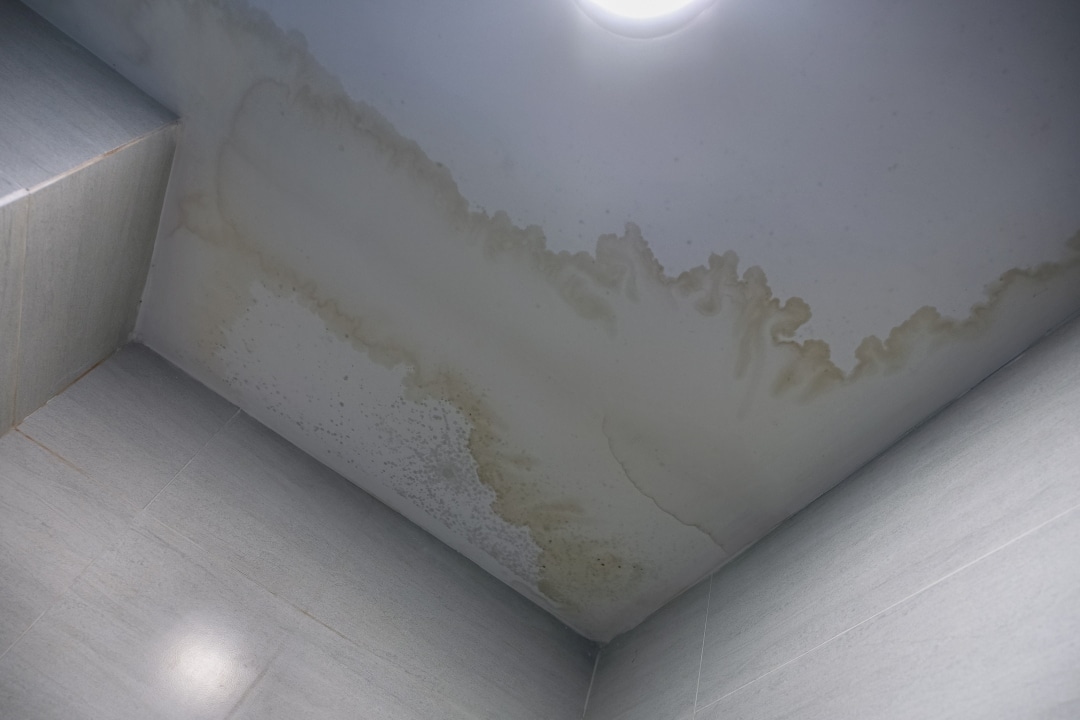
Water Stains on Ceilings and Walls: Even small water stains indicate moisture penetration that could lead to mold growth. Look for yellowish, brownish, or grayish discoloration, especially around light fixtures, in corners, or near plumbing fixtures. These stains often appear as rings or irregular patches and may be barely noticeable at first.
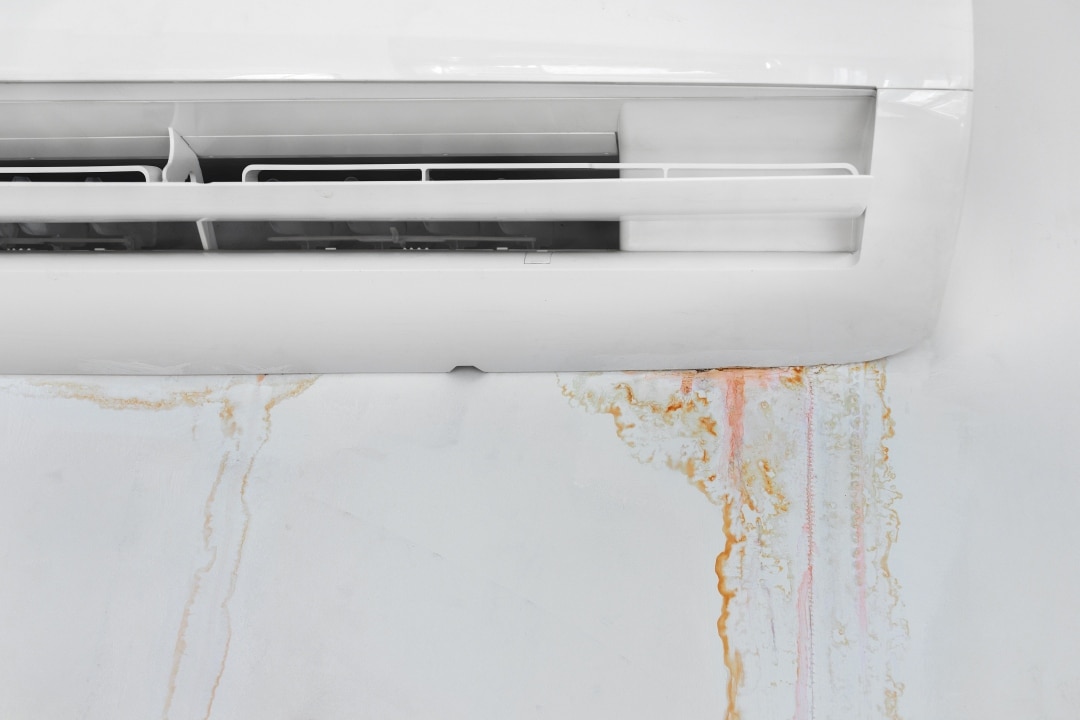
Rust Stains Around Metal Fixtures: Orange or reddish-brown staining around screws, nails, or metal fixtures indicates moisture exposure. This is particularly common around bathroom fixtures, windows, and exterior penetrations where metal components are exposed to humidity.
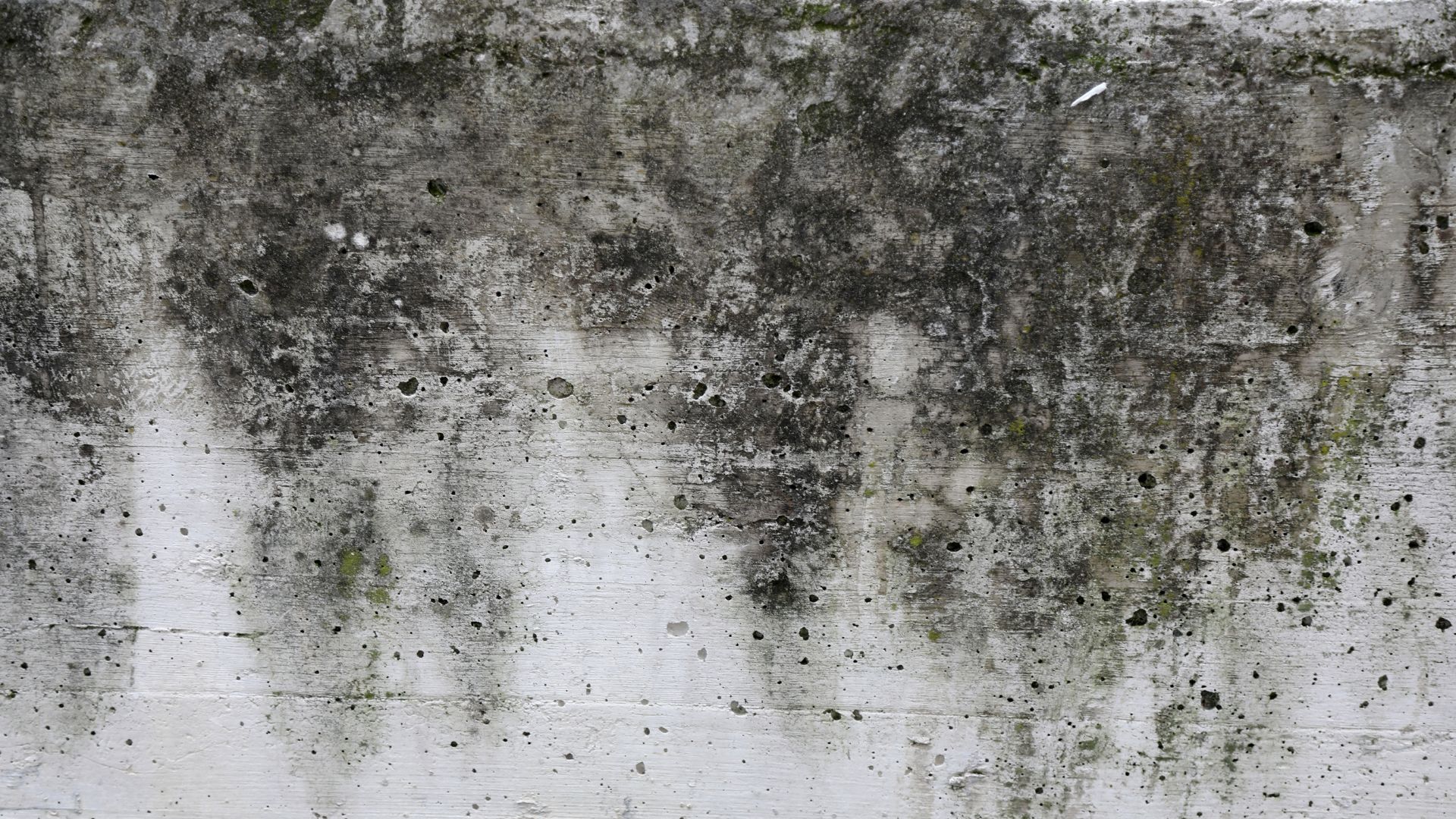
Mineral Deposits on Surfaces: White, chalky deposits on basement walls, crawlspace surfaces, or around foundations indicate water movement through porous materials. These efflorescence deposits show that water is carrying minerals through concrete or masonry, creating conditions favorable for mold growth.
Paint and Surface Changes
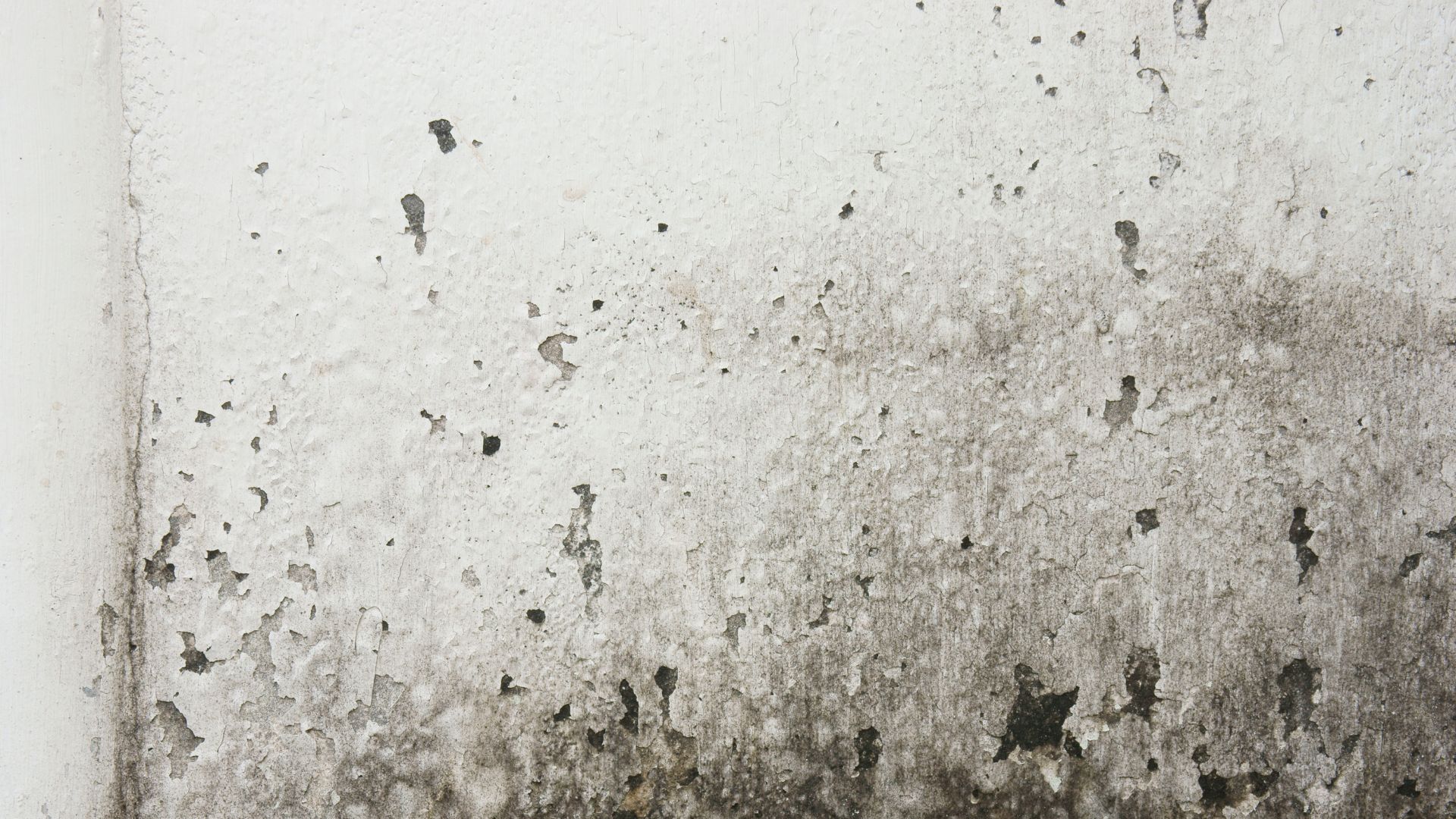
Peeling or Bubbling Paint: Paint that peels, bubbles, or flakes off surfaces often indicates moisture trapped beneath the surface. This is especially significant on interior walls, ceilings, or around windows and doors where moisture infiltration is common.
Wallpaper Issues: Wallpaper that’s lifting at edges, showing bubbles, or beginning to separate from walls signals moisture problems behind the surface. The adhesive breakdown typically occurs before visible mold appears, making this an excellent early warning sign.
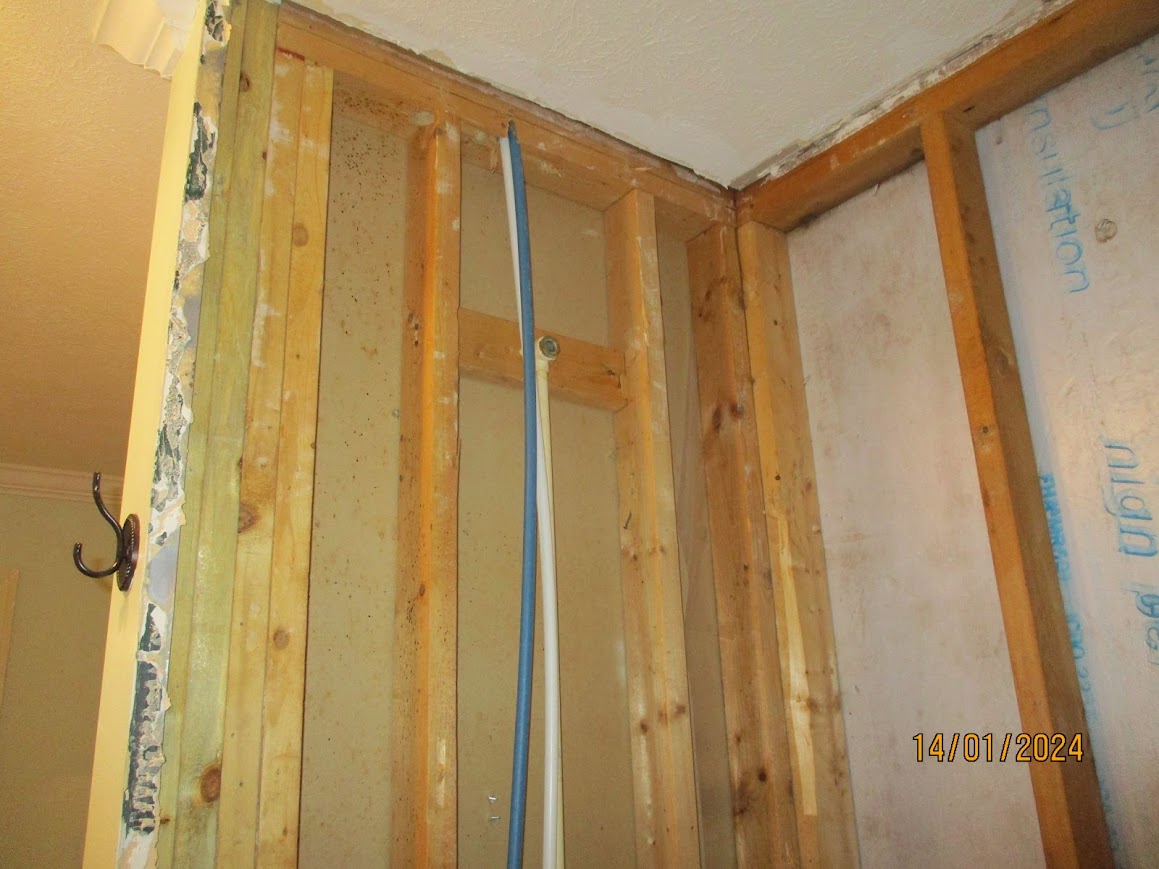
Warped or Soft Drywall: Drywall that feels soft to the touch, shows slight warping, or has areas that appear to sag indicates water absorption. Even minor warping suggests ongoing moisture exposure that requires immediate attention.
Structural Warning Signs
Warped Wood Surfaces: Wooden trim, baseboards, or flooring that shows slight warping, cupping, or separation from adjacent surfaces indicates moisture absorption. Wood is particularly sensitive to humidity changes, making it an excellent early indicator of moisture problems.
Tile or Grout Issues: Loose tiles, cracked grout, or grout that’s changing color can indicate moisture problems behind bathroom or kitchen surfaces. Pay special attention to areas around tubs, showers, and sinks where water exposure is frequent.
Olfactory Clues: Following Your Nose
Your sense of smell can detect moisture problems before they become visually apparent. Musty or unusual odors often indicate hidden moisture issues, making olfactory inspection a crucial part of early detection.
Musty and Earthy Odors
Basement and Crawlspace Smells: A persistent musty, earthy, or damp smell in below-grade areas indicates excessive moisture and possible early mold growth. These odors are often most noticeable when you first enter the space or during humid weather.
Bathroom Lingering Odors: If bathroom odors persist despite good ventilation and cleaning, hidden moisture behind walls or under flooring may be encouraging bacterial or fungal growth. This is particularly common around tubs, showers, and toilets where water can seep into hidden areas.
Closet and Storage Area Smells: Musty odors in closets, especially those on exterior walls or in basements, often indicate humidity problems or minor water intrusion that hasn’t yet caused visible damage.
HVAC System Odors
Ductwork Smells: Musty odors coming from air vents when the HVAC system runs can indicate moisture problems within the ductwork or air handler. This is particularly concerning because it can distribute mold spores throughout the home.
Air Handler Odors: Smells originating from the air handler unit, especially during startup, may indicate condensation problems, clogged drains, or moisture accumulation within the system.
Seasonal Odor Changes
Weather-Related Smell Increases: Odors that become more pronounced during rainy weather, high humidity periods, or seasonal changes often indicate moisture problems that worsen under specific conditions.
Temperature-Related Changes: Smells that appear when heating or cooling systems operate may indicate condensation problems or moisture issues that are temperature-dependent.
Condensation and Humidity Signs
Excess humidity and condensation are often the first indicators of moisture problems. These signs are frequently overlooked because they seem normal, but persistent condensation indicates humidity imbalances that can lead to mold growth.
Window Condensation Problems
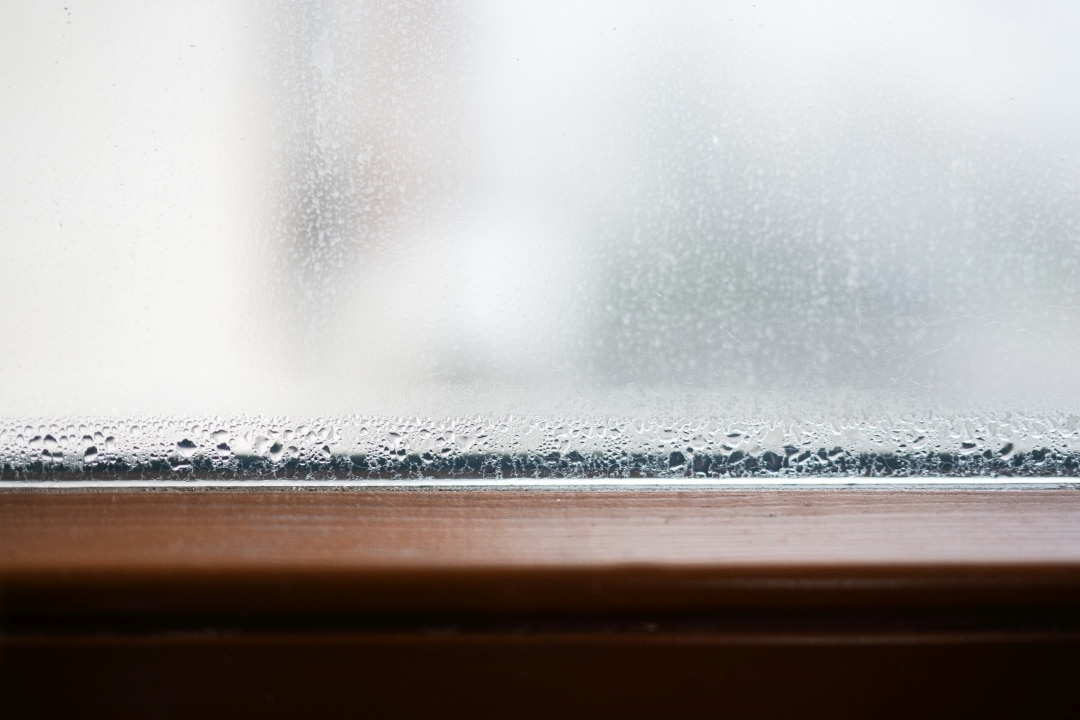
Excessive Interior Condensation: While some condensation on windows during temperature changes is normal, persistent or heavy condensation indicates humidity problems. This is particularly concerning when condensation appears on interior window sills or frames.
Condensation Patterns: Pay attention to where condensation appears most frequently. Certain windows or rooms that consistently show condensation may indicate ventilation problems or moisture sources in those specific areas.
Frame and Sill Moisture: Water collecting on window sills or frames, especially if it causes staining or warping, indicates ongoing condensation problems that require attention.
HVAC-Related Condensation
Ductwork Sweating: Visible moisture on air conditioning ducts, especially in basements, crawlspaces, or attics, indicates inadequate insulation and condensation problems that can lead to dripping and moisture accumulation.
Air Handler Moisture: Excessive moisture around air handling units, condensate drains, or cooling coils indicates drainage problems or humidity issues within the HVAC system.
General Humidity Indicators
Indoor Plant Issues: Houseplants showing signs of fungal problems, excessive mold in soil, or unusual pest problems may indicate high indoor humidity levels that could affect your home’s overall moisture balance.
Clothing and Fabric Problems: Clothes, linens, or upholstered furniture that feel damp, develop odors, or show signs of mildew indicate excessive indoor humidity that needs correction.
Subtle Structural Changes
Many moisture problems cause subtle structural changes long before obvious damage appears. Learning to recognize these minor alterations can help you catch problems early.
Flooring Irregularities
Hardwood Floor Changes: Slight cupping, crowning, or gaps between boards can indicate moisture problems beneath the flooring. These changes are often gradual and may be dismissed as normal settling.
Carpet Issues: Carpet that feels slightly damp, shows unusual wear patterns, or develops odors may indicate moisture problems in subflooring or concrete slabs beneath.
Tile Movement: Tiles that feel slightly loose, show hairline cracks, or have grout that’s changing color may indicate moisture issues affecting the substrate.
Wall and Ceiling Subtleties
Slight Wall Bowing: Walls that appear slightly bowed or have areas that feel different when touched may indicate moisture absorption in drywall or insulation behind the surface.
Ceiling Texture Changes: Subtle changes in ceiling texture, especially around light fixtures or in corners, can indicate minor water intrusion before stains become obvious.
Baseboard Separation: Baseboards that show slight gaps where they meet walls or floors may indicate wood movement due to moisture absorption.
Mechanical System Warning Signs
Your home’s mechanical systems often provide the first indication of moisture problems. Understanding what these systems are telling you can help identify issues before they cause structural damage.
HVAC System Indicators
Reduced System Efficiency: Air conditioning or heating systems that seem to run longer or work harder to maintain comfortable temperatures may indicate humidity problems affecting system performance.
Frequent Filter Clogging: HVAC filters that need replacement more frequently than normal may indicate excess moisture creating conditions for increased particulate matter or biological growth.
Condensate Drain Issues: Air conditioning systems with frequently clogged condensate drains or standing water around units indicate drainage problems that can lead to moisture accumulation.
Plumbing System Signs
Water Pressure Changes: Gradual decreases in water pressure, especially in specific fixtures, may indicate mineral buildup from hard water or small leaks affecting system performance.
Unusual Water Bills: Water usage that gradually increases without explanation may indicate hidden leaks that haven’t yet caused obvious damage but are creating moisture problems.
Hot Water System Issues: Water heaters that seem less efficient or produce less hot water may have moisture-related problems affecting insulation or components.
Electrical System Warnings
GFCI Outlet Trips: Ground fault circuit interrupter outlets that trip frequently, especially in bathrooms, kitchens, or basements, may indicate moisture exposure affecting electrical systems.
Light Fixture Issues: Light fixtures that flicker, show corrosion, or have bulbs that burn out frequently may indicate moisture exposure affecting electrical connections.
Health and Comfort Indicators
Sometimes the first signs of moisture problems appear as changes in indoor comfort or family health. These human indicators can alert you to problems before physical damage becomes apparent.
Indoor Air Quality Changes
Increased Allergy Symptoms: Family members experiencing increased respiratory symptoms, especially when at home, may be reacting to mold spores or other biological contaminants related to moisture problems.
Sleep Quality Issues: Difficulty sleeping, morning stuffiness, or respiratory irritation that improves when away from home may indicate indoor air quality problems related to hidden moisture issues.
General Comfort Changes: Rooms that feel more humid, stuffy, or uncomfortable than usual may indicate ventilation problems or moisture infiltration affecting overall indoor climate.
Seasonal Health Patterns
Weather-Related Symptoms: Health issues that worsen during rainy seasons, high humidity periods, or when heating/cooling systems operate may indicate moisture-related indoor air quality problems.
Room-Specific Issues: Symptoms that appear or worsen in specific rooms may indicate localized moisture problems affecting air quality in those areas.
Technology-Assisted Detection
Modern technology can help homeowners detect moisture problems before they become visible. Understanding how to use simple tools and interpret their readings can significantly improve your early detection capabilities.
Moisture Detection Tools
Infrared Thermometers: These inexpensive tools can help identify temperature differences that indicate moisture problems, insulation issues, or air leaks that could lead to condensation.
Humidity Monitors: Digital hygrometers placed in various rooms can help track humidity levels and identify areas with consistently high moisture that could support mold growth.
Moisture Meters: Simple pin-type moisture meters can help test suspect areas of wood, drywall, or other materials to confirm moisture content before problems become visible.

Smart Home Integration
WiFi-Enabled Sensors: Modern smart home sensors can monitor temperature, humidity, and even water detection, providing alerts when conditions favor mold growth or when water intrusion occurs.
HVAC System Monitoring: Smart thermostats and HVAC monitoring systems can alert you to system inefficiencies or unusual operation patterns that may indicate moisture-related problems.
Creating an Early Detection Routine
Establishing a systematic approach to early moisture detection helps ensure you catch problems before they become expensive repairs or health hazards.
Monthly Inspection Schedule
Visual Walkthrough: Conduct monthly visual inspections of key areas including basements, crawlspaces, bathrooms, kitchens, and around windows and doors. Look for the subtle signs discussed throughout this article.
Smell Test: Include olfactory inspection in your routine, paying attention to any new or changing odors, especially in enclosed or poorly ventilated areas.
System Performance Check: Monitor HVAC system performance, water pressure, and other mechanical systems for changes that might indicate developing moisture problems.
Seasonal Deep Inspections
Transition Period Focus: Pay extra attention during spring and fall when temperature and humidity changes create the greatest risk for condensation and moisture problems.
Post-Weather Event Checks: Always inspect your home after heavy rains, storms, or other weather events that could cause water intrusion or reveal existing vulnerabilities.
Documentation Practice: Keep records of your inspections, including photos of any questionable areas, to help track changes over time and identify developing patterns.
When to Call Professionals
Understanding when early warning signs require professional assessment can save money and prevent health problems. Some situations need expert evaluation even when damage isn’t yet obvious.
Professional Assessment Triggers
Multiple Warning Signs: When you notice several early warning signs in the same area or throughout the home, professional assessment can determine if there’s an underlying systemic problem.
Persistent Issues: Problems that don’t respond to basic corrective measures or continue to worsen despite your efforts require professional diagnosis.
Health Concerns: If family members experience health symptoms that might be related to indoor air quality, professional indoor environmental assessment can identify hidden problems.
Specialized Equipment Benefits
Thermal Imaging: Professional moisture inspections often use thermal imaging cameras that can detect temperature differences indicating moisture problems behind walls or in other hidden areas.
Advanced Moisture Detection: Professional-grade moisture meters and other specialized equipment can quantify moisture levels and identify problems not detectable with basic tools.
Air Quality Testing: Professional air quality testing can determine if early moisture problems have already begun affecting indoor air quality, even before visible mold appears.
Conclusion: Vigilance Pays Off
Recognizing early warning signs of moisture problems is one of the most valuable skills any homeowner can develop. The ability to spot subtle indicators before they become obvious problems can save thousands of dollars in repairs and protect your family’s health from mold-related issues.
Remember that moisture problems are progressive—they start small and gradually worsen. By developing keen observation skills and establishing regular inspection routines, you can catch these issues when they’re still manageable and inexpensive to fix.
The early warning signs discussed in this article are your home’s way of communicating with you. Learning to interpret these signals and respond appropriately transforms you from someone who reacts to problems into someone who prevents them. Your vigilance today determines whether you’ll face minor maintenance issues or major remediation projects tomorrow.
Start implementing these early detection strategies immediately. Your home is constantly providing information about its condition—now you have the knowledge to understand what it’s telling you.