Mold doesn’t take a vacation. While you’re enjoying the changing seasons, mold spores are constantly searching for the perfect conditions to establish colonies in your home. The good news? A well-planned seasonal home maintenance checklist can be your most powerful weapon against mold growth, protecting both your property value and your family’s health.
Most homeowners react to mold problems after they’ve already developed, leading to costly remediation and potential health issues. However, proactive seasonal maintenance can prevent mold from ever gaining a foothold in your home. By understanding how different seasons create unique challenges for moisture control, you can stay ahead of potential problems and maintain a healthy indoor environment year-round.

Spring: Awakening Your Home’s Defenses
Spring brings renewal, but it also brings unique moisture challenges as winter’s grip loosens and humidity levels begin to fluctuate. This season is crucial for assessing winter damage and preparing your home for the active growing season ahead.
Exterior Spring Maintenance Tasks
Foundation and Drainage Inspection: Walk around your home’s perimeter, looking for standing water, cracks in the foundation, or areas where water pools against the structure. Pay special attention to areas where snow may have accumulated during winter, as these spots are particularly vulnerable to moisture infiltration.
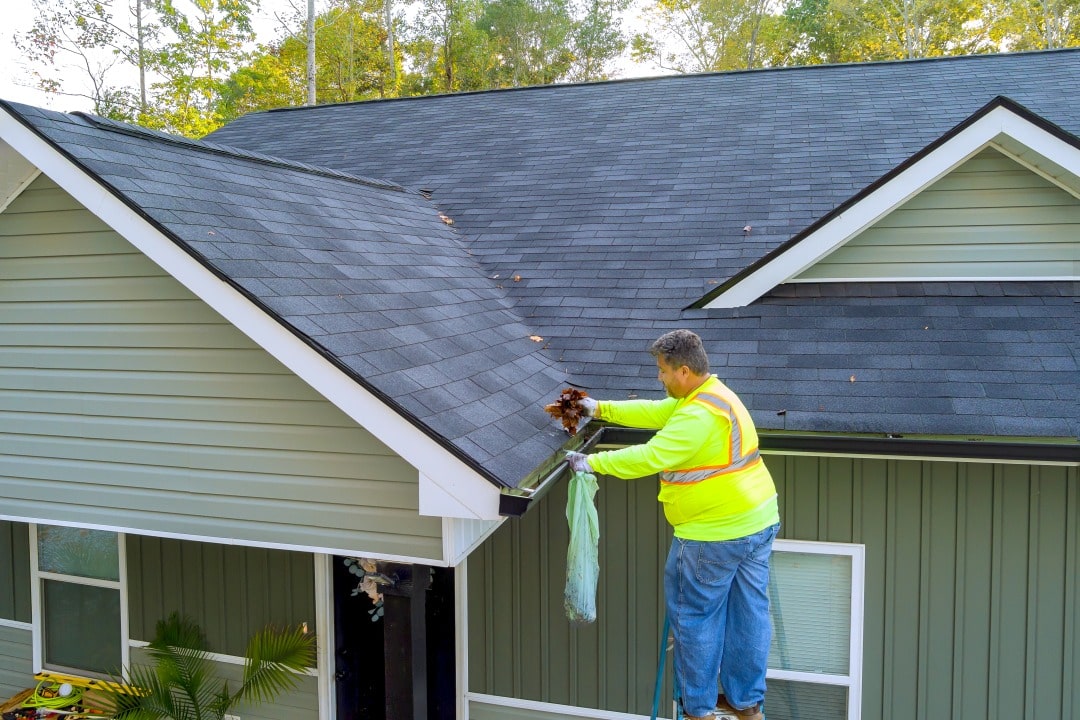
Gutter System Overhaul: Spring cleaning isn’t complete without a thorough gutter inspection. Remove all debris, leaves, and buildup from gutters and downspouts. Check for proper drainage and ensure downspouts direct water at least 4-6 feet away from your foundation. Look for:
- Sagging gutters: These create water collection points
- Loose connections: These allow water to escape near your foundation
- Clogged downspouts: These cause water to overflow and pool
- Missing splash blocks: These fail to direct water away properly
Roof Assessment: Winter weather can damage roofing materials, creating entry points for water. Inspect shingles for damage, check flashing around chimneys and vents, and look for any signs of ice dam damage. Even small roof leaks can lead to significant mold problems in attics and wall cavities.
Interior Spring Maintenance Focus
HVAC System Preparation: As you transition from heating to cooling season, your HVAC system needs attention. Replace air filters, clean air vents, and schedule professional maintenance if needed. This is particularly important because HVAC systems can distribute mold spores throughout your home if they become contaminated.
Basement and Crawlspace Inspection: Winter moisture can accumulate in below-grade spaces. Check for:
- Standing water or dampness
- Musty odors indicating hidden mold growth
- Condensation on pipes or surfaces
- Proper ventilation functioning
Plumbing System Check: Look for any pipes that may have frozen or been damaged during winter. Check under sinks, around water heaters, and in basements for signs of leaks or moisture accumulation.
Summer: Managing Peak Humidity Challenges
Summer presents the greatest mold growth potential in most climates, with high humidity levels and warm temperatures creating ideal conditions for fungal development. Your summer maintenance checklist should focus heavily on moisture control and ventilation.
Humidity Control Strategies
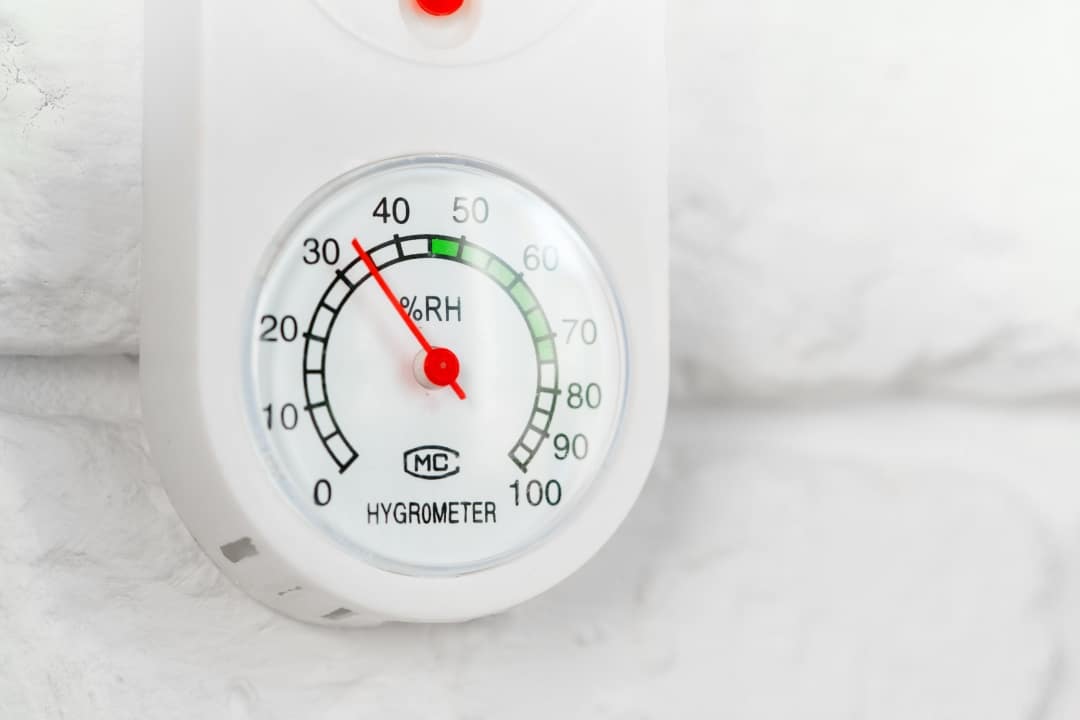
Monitor Indoor Humidity Levels: Invest in quality hygrometers for different areas of your home. Maintain indoor humidity between 30-50% to prevent mold growth while ensuring comfort. Areas to monitor closely include:
- Basements and crawlspaces: These areas tend to have higher humidity
- Bathrooms: High-moisture areas need constant attention
- Kitchens: Cooking and dishwashing create significant moisture
- Laundry rooms: Washers and dryers generate substantial humidity
Air Conditioning Maintenance: Your AC system is your primary humidity control tool during summer. Ensure it’s functioning efficiently by:
- Changing filters monthly during peak usage
- Cleaning condensate drains to prevent backups
- Checking ductwork for leaks or condensation
- Ensuring proper insulation around ducts in unconditioned spaces
Ventilation System Optimization
Exhaust Fan Performance: Test all bathroom and kitchen exhaust fans to ensure they’re moving air effectively. Clean fan housings and check that exterior vents aren’t blocked by debris or pest nests. Poor ventilation is one of the leading causes of indoor mold growth.
Attic Ventilation Assessment: Proper attic ventilation prevents moisture buildup and reduces cooling costs. Check that soffit vents aren’t blocked and ridge vents are clear. Look for signs of condensation or moisture accumulation in the attic space.
Summer-Specific Problem Areas
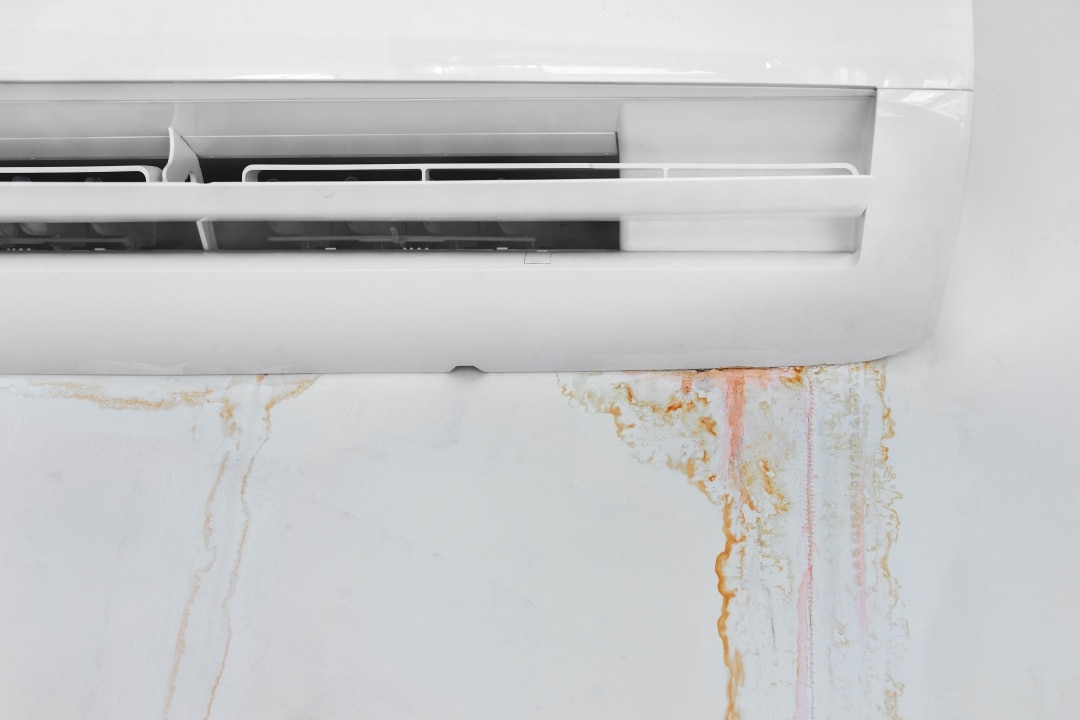
Window Air Conditioner Units: These units can become mold factories if not properly maintained. Clean or replace filters, ensure proper drainage, and check for mold growth around the unit. Remove and store window units properly if they’re seasonal.
Dehumidifier Maintenance: If you use dehumidifiers, empty water reservoirs regularly, clean filters, and ensure they’re properly sized for the space they’re serving.
Fall: Preparing for Winter’s Challenges
Fall maintenance focuses on preparing your home for winter weather while addressing any moisture issues that developed during the humid summer months. This season is critical for preventing winter mold problems caused by condensation and poor ventilation.
Weatherization and Sealing
Air Leak Detection: Use caulk and weatherstripping to seal gaps around windows, doors, and other penetrations. This prevents warm, moist indoor air from reaching cold surfaces where condensation can occur. Pay special attention to:
- Window and door frames: Common areas for air infiltration
- Electrical outlets: Especially on exterior walls
- Pipe penetrations: Where utilities enter the home
- Basement rim joists: Major sources of air leakage
Insulation Assessment: Check that insulation levels are adequate and that vapor barriers are intact. Poor insulation can create condensation problems when warm indoor air meets cold surfaces.

Heating System Preparation
Furnace and Ductwork Inspection: Before firing up your heating system, replace filters, check ductwork for damage or disconnections, and ensure proper ventilation. Have your system professionally serviced if it’s been more than a year since the last maintenance.
Humidity Control Planning: Winter heating can create very dry conditions, but be cautious about over-humidifying, which can lead to condensation problems. If you use a whole-house humidifier, ensure it’s properly maintained and calibrated.
Fall Cleanup Priorities
Leaf and Debris Management: Keep gutters clean throughout fall as leaves continue to fall. Organic debris in gutters creates ideal conditions for mold growth and can lead to water infiltration problems.
Exterior Drainage: Ensure proper grading around your home and that all drainage systems are clear and functional before winter weather arrives.
Winter: Vigilant Monitoring and Maintenance
Winter maintenance focuses on monitoring for condensation problems and ensuring proper ventilation despite closed-up conditions. Cold weather creates unique challenges as the temperature differential between indoor and outdoor air increases.
Condensation Control
Window Condensation Management: Excessive condensation on windows indicates humidity problems that can lead to mold growth. If you notice persistent condensation:
- Improve ventilation in affected rooms
- Check humidity levels and adjust as needed
- Ensure proper air circulation around windows
- Consider upgrading to more efficient windows if the problem persists
Bathroom and Kitchen Ventilation: Even in winter, proper ventilation is crucial in high-moisture areas. Run exhaust fans during and after showers or cooking, even if it means temporarily losing heated air.
Winter-Specific Monitoring
Ice Dam Prevention: Ice dams can force water under roofing materials, leading to interior water damage and mold growth. Ensure proper attic insulation and ventilation to prevent ice dam formation.
Pipe Insulation and Monitoring: Prevent frozen pipes, which can burst and create significant water damage and mold problems. Insulate pipes in unheated areas and maintain adequate heating in all areas of the home.
Indoor Air Quality Management
Air Filtration Enhancement: Since windows remain closed during winter, indoor air quality becomes more critical. Consider upgrading to high-efficiency air filters and ensure your HVAC system is circulating air properly throughout the home.
Houseplant Management: While houseplants can improve indoor air quality, overwatering can create mold problems. Monitor plant watering carefully and ensure proper drainage.
Creating Your Personalized Maintenance Schedule
Monthly Task Integration
Every Month Year-Round:
- Check and replace HVAC filters: This single task prevents many mold problems
- Test exhaust fans: Ensure proper operation in all high-moisture areas
- Inspect plumbing: Look for leaks under sinks and around fixtures
- Monitor humidity levels: Keep indoor humidity in the 30-50% range

Seasonal Priority Setting
High-Priority Seasons: Spring and fall are your most critical maintenance periods. These transition seasons require the most attention to prevent problems from developing.
Maintenance Timing: Schedule major maintenance tasks during mild weather when you can work comfortably and address problems before they become emergencies.
Documentation and Tracking
Maintenance Records: Keep detailed records of maintenance activities, including dates, observations, and any problems discovered. This information is valuable for tracking patterns and planning future maintenance.
Professional Service Scheduling: Coordinate professional services like HVAC maintenance, roof inspections, and pest control with your seasonal maintenance schedule for maximum efficiency.
Recognizing When Professional Help Is Needed
While many maintenance tasks can be handled by homeowners, some situations require professional expertise. Understanding when to call professionals can prevent small problems from becoming major mold remediation projects.
Warning Signs Requiring Professional Assessment
Persistent Moisture Problems: If you consistently find moisture in the same areas despite your maintenance efforts, underlying issues may require professional diagnosis and repair.
Musty Odors: Any persistent musty smells indicate potential mold growth that may be hidden within wall cavities, ductwork, or other inaccessible areas.
Health Symptoms: If family members experience respiratory issues, allergies, or other symptoms that seem related to indoor air quality, professional indoor air quality assessment may be necessary.
Professional Service Integration
Annual Professional Inspections: Consider scheduling annual professional inspections of key systems like HVAC, roofing, and plumbing as part of your overall maintenance strategy.
Specialized Equipment Access: Professionals have access to specialized equipment like thermal imaging cameras and moisture meters that can detect problems not visible to homeowners.
Conclusion: Your Path to a Mold-Free Home
A comprehensive seasonal home maintenance checklist is your best defense against mold growth and the health and property problems it creates. By staying ahead of moisture issues and maintaining proper ventilation and humidity control, you can prevent mold from ever gaining a foothold in your home.
Remember that consistency is key. Mold problems develop gradually, and prevention requires ongoing attention throughout the year. The time and effort invested in regular maintenance is minimal compared to the cost and disruption of mold remediation.
Start implementing these seasonal maintenance practices immediately, and you’ll enjoy the peace of mind that comes with knowing your home is protected against mold growth. Your family’s health and your property’s value depend on the proactive steps you take today.