Understanding Mold Growth
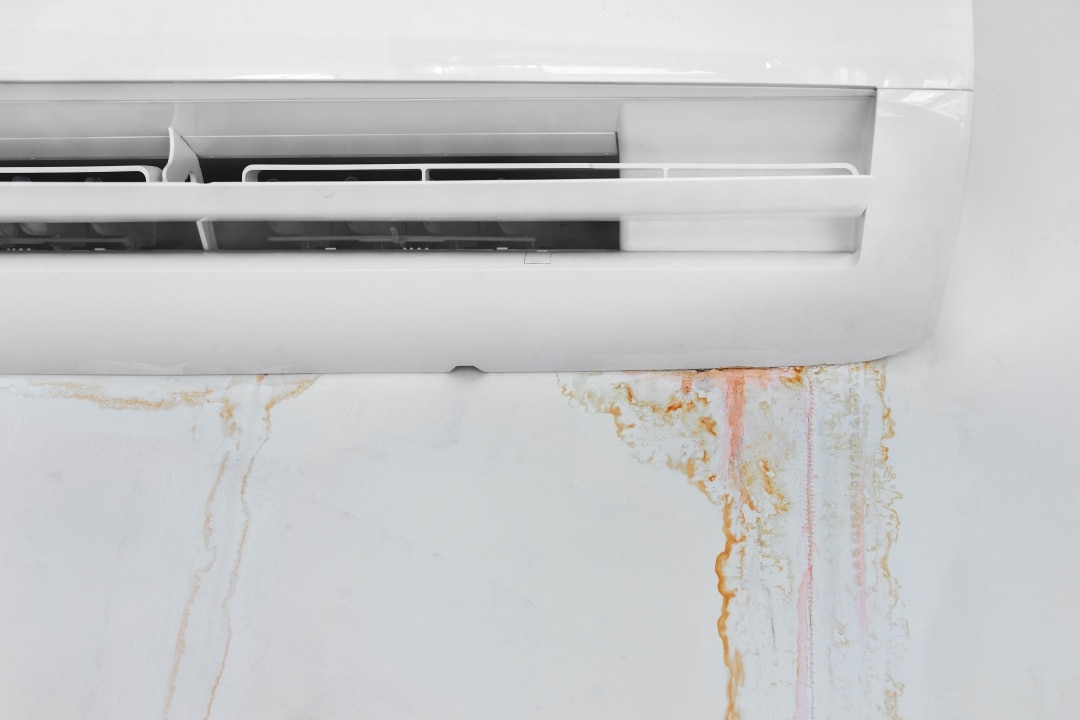
Mold growth is a common household issue that poses significant health and structural risks. Understanding its fundamentals can help mitigate its impact effectively. Mold thrives in damp, warm environments, making it essential to monitor indoor conditions actively. Early warning signs of mold exposure include small spots of discoloration or a musty smell.
Why Mold Presence is a Problem
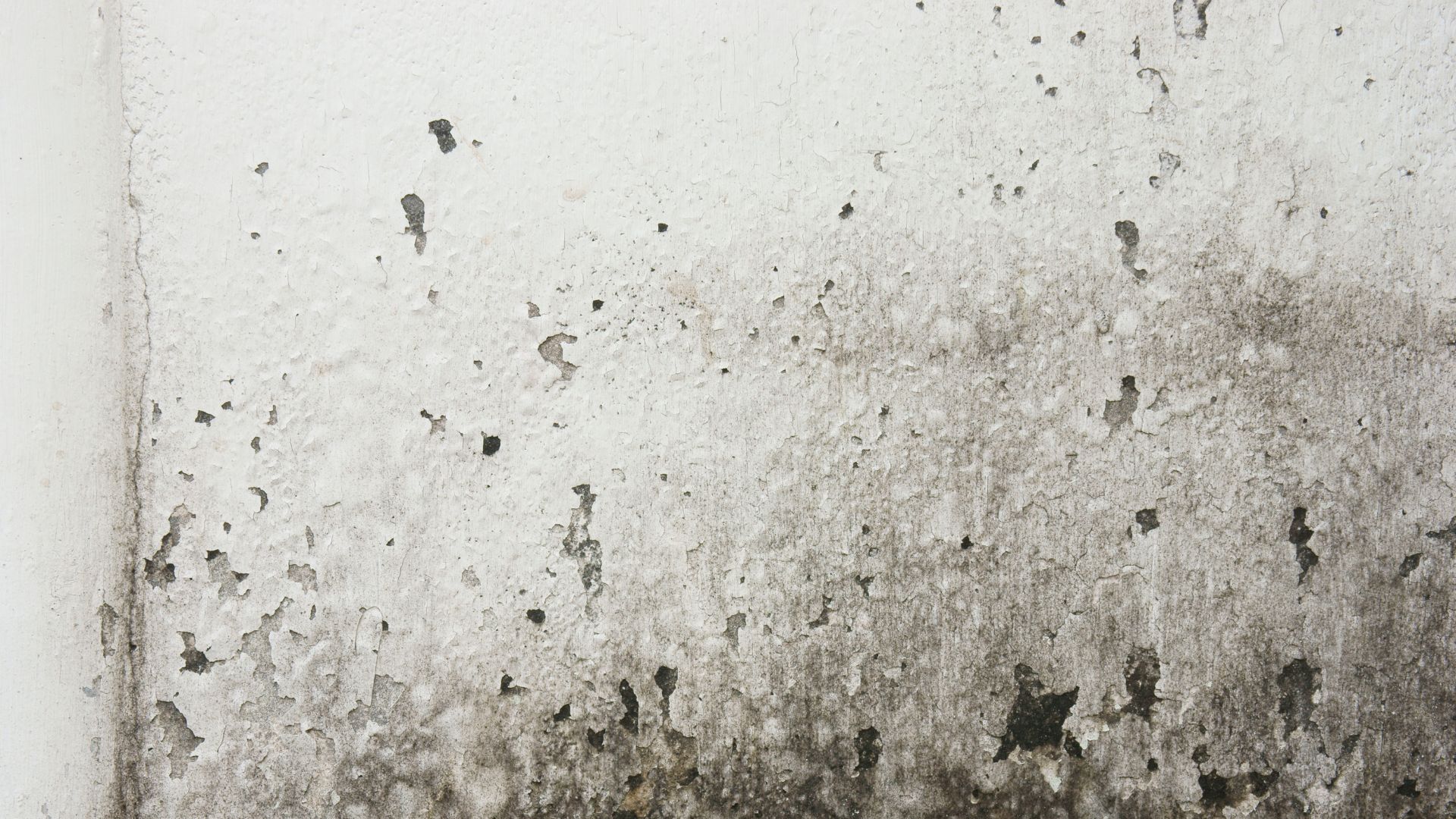
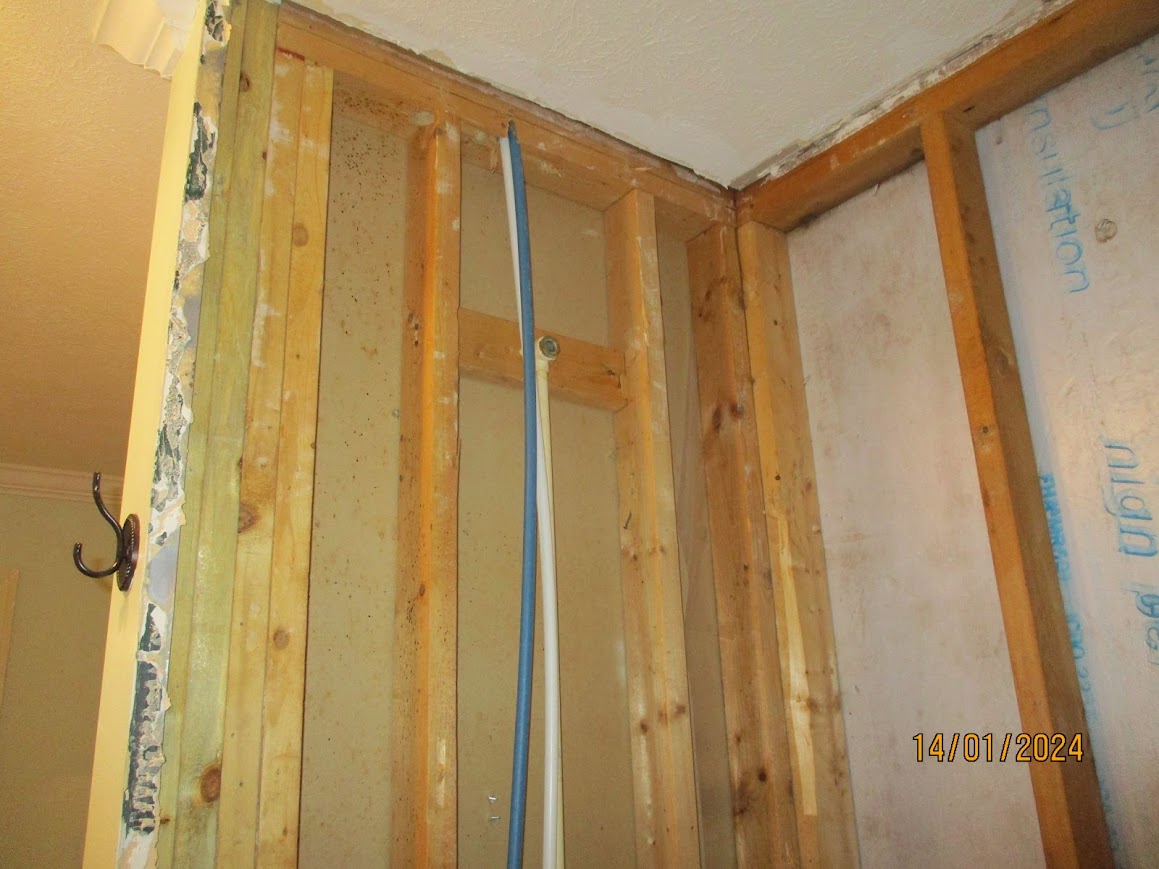
The presence of mold in your home can lead to a variety of health issues, including allergies and respiratory problems. It can also damage the integrity of your home’s structure, leading to costly repairs. Addressing beginning mold on walls promptly prevents it from escalating into a larger problem. For more insights, consider exploring what does mold look like on walls.
The Importance of Timely Removal
Tackling mold issues quickly is crucial to minimizing health risks and property damage. Mold can spread rapidly under the right conditions, so understanding how fast does mold grow is vital. Proactive measures, including professional evaluations, can help ensure timely removal, preserving both health and your investment.
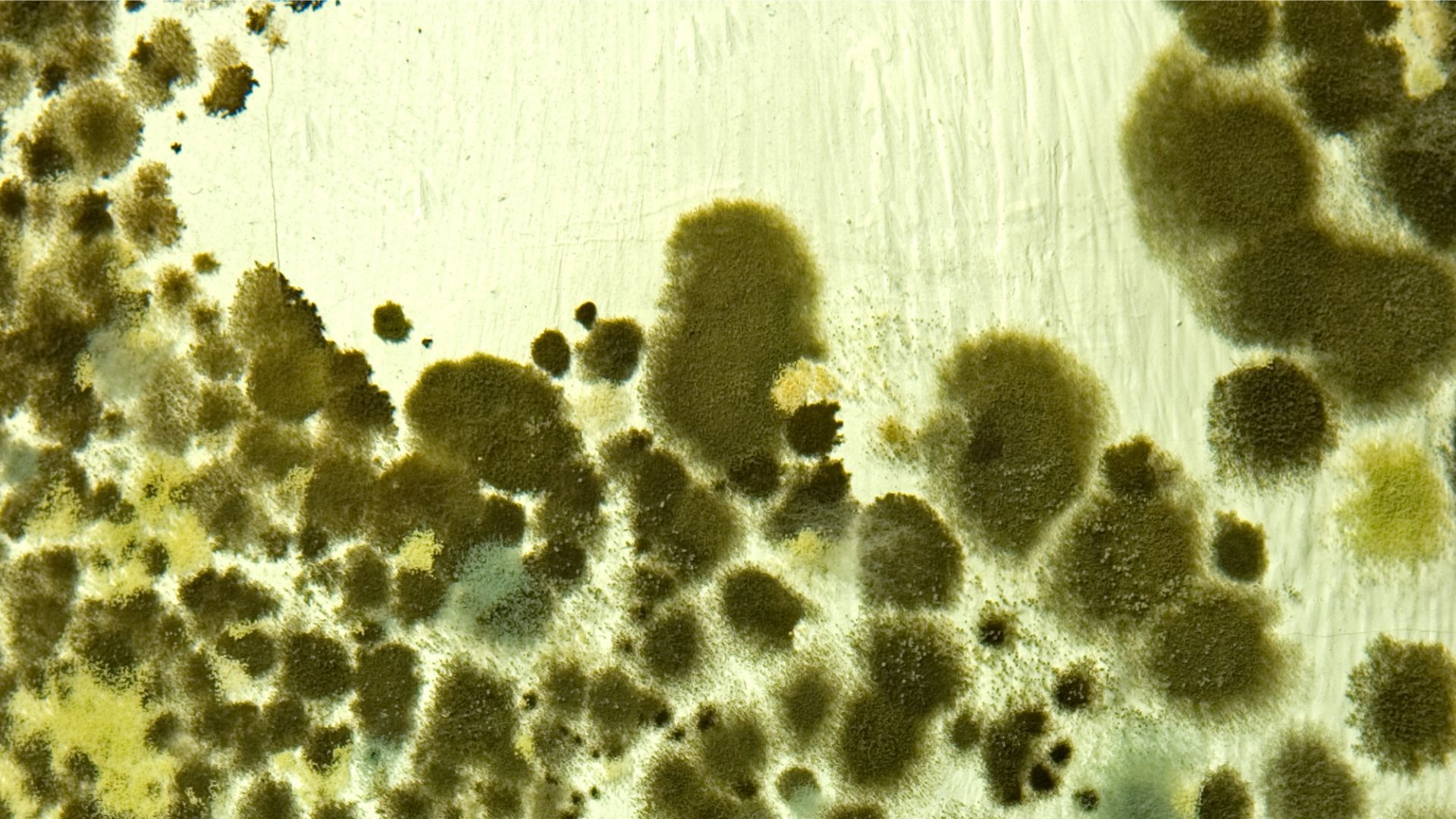
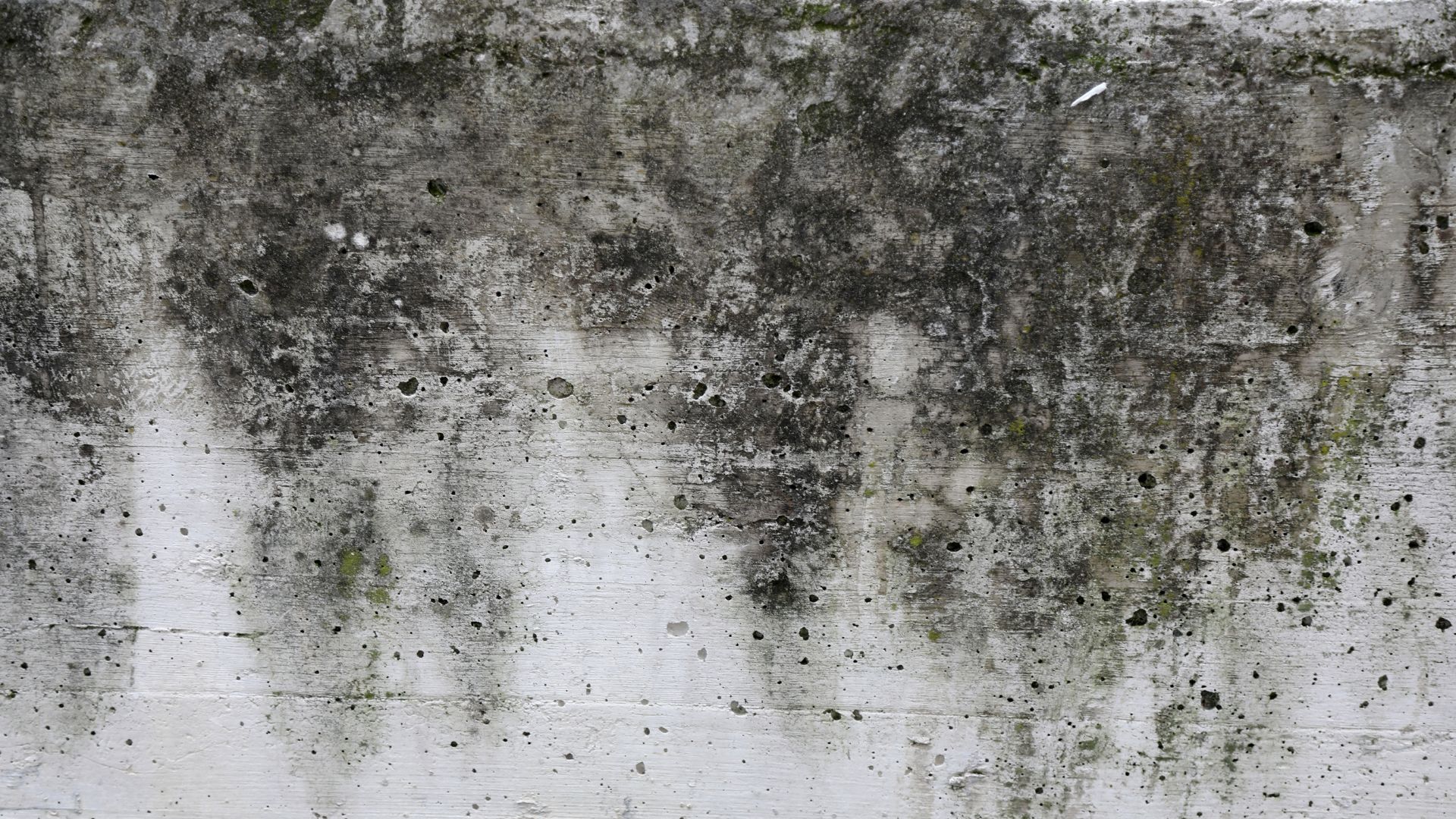
Close-up image showing green mold spores on a light background, highlighting the need for effective mold solutions in Alabama.
Factors Contributing to Mold Growth
Several environmental factors contribute to mold growth, including humidity, temperature, and the presence of organic materials. Keeping these factors under control is key to preventing mold. Mold solutions often involve adjusting indoor climates to deter growth. You might find services like what is mold remediation helpful in handling severe cases.
Humidity and Moisture Levels
High humidity and moisture levels are primary catalysts for mold growth. Ensuring proper ventilation and moisture control is essential, especially in areas prone to dampness like bathrooms and basements. Implementing emergency mold removal measures can be necessary in high-risk situations.
Mold Growth Stages
Mold progresses through various growth stages, beginning with spore germination, followed by colony establishment, and eventual spread. Immediate action during early stages prevents extensive damage. Understanding the timeline of how long does black mold take to grow can aid in better prevention and management strategies. For larger infestations, consider commercial mold remediation services.
Symptoms of Mold Presence
Identifying the symptoms of mold presence can be the first step in combating a mold problem. Look for these indicators in your home:
- Visible spots or discoloration: These are often found on walls and ceilings.
- Musty odor: A strong, earthy smell that indicates hidden mold.
- Increased allergy symptoms: Frequent sneezing, runny nose, and itchy eyes can be signs.
Understanding Black Mold
Black mold, also known as Stachybotrys chartarum, is particularly hazardous. It can produce mycotoxins that are harmful to humans and pets. Recognizing the signs of early stage light mold on walls and knowing the timeline of how long it takes to develop is crucial in addressing and preventing severe infestations. Protect your home’s structure further with foundation protection services.
Regular Mold Inspections
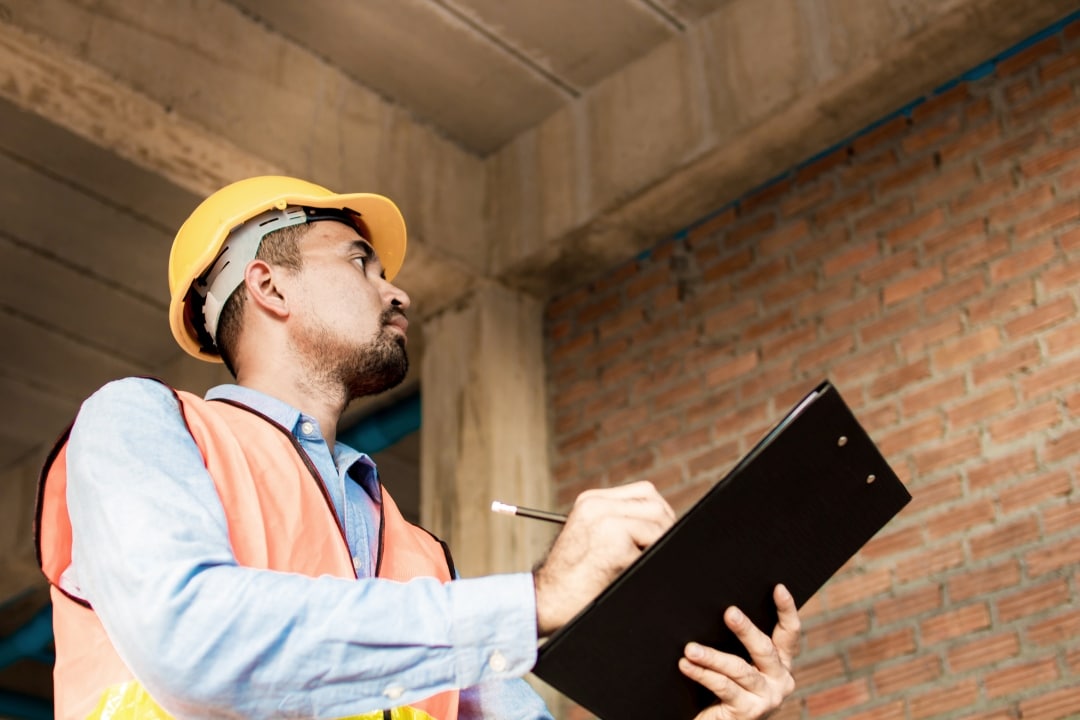
Conducting regular mold inspections helps in early detection and intervention, reducing health risks and repair costs. These inspections should be a part of your routine home maintenance to ensure mold does not become a lingering issue. Professionals can offer remediation services to evaluate and address detected mold promptly.
Maintaining Indoor Air Quality
Maintaining good indoor air quality is paramount in preventing mold growth. This involves using dehumidifiers, ensuring proper ventilation, and sealing areas prone to moisture entry. Practices like crawl space encapsulation can provide effective moisture barriers, further safeguarding your home against mold.
Preventive Measures
Preventing mold growth involves a variety of measures aimed at reducing moisture and improving indoor conditions. Keeping an eye on potential problem areas and applying moisture control techniques is crucial. Regular home upkeep and awareness campaigns raise the bar on prevention.
Common Maintenance Tips
Routine maintenance tasks can significantly contribute to minimizing mold risks. Consider the following strategies:
- Fix leaks promptly: Attend to plumbing issues swiftly to avoid water accumulation.
- Use proper ventilation: Install exhaust fans in kitchens and bathrooms to remove excess moisture.
- Keep humidity in check: Maintain indoor humidity levels between 30% and 50% using dehumidifiers.
Implementing these practices not only helps in preventing mold but also ensures family health protection from mold-related ailments.

Close-up image depicting mold growth, ideal for showcasing remediation solutions by Mold and Mildew Solutions in Alabama.
Understanding Mold Remediation
Mold remediation is the process of removing mold and ensuring it does not return. This involves a series of steps to ensure thorough cleaning and disinfection. Professionals focus on eliminating existing spots and preventing new growth. Learn more about the services available through mold remediation near me.
Steps in the Remediation Process
Effective mold remediation involves specific steps designed to tackle and prevent mold issues comprehensively:
- Assessment and Inspection: Identifying the extent and type of mold present.
- Containment of Affected Areas: Preventing spread to unaffected regions.
- Removal of Contaminated Materials: Disposing of materials covered with mold.
- Cleaning and Disinfection: Using specialized solutions to eliminate mold spores.
- Restoration and Repair: Fixing any structural damage caused by mold.
- Monitoring for Future Growth: Ensuring mold doesn’t return through ongoing checks.
- Follow-up Inspections: Periodic evaluations post-remediation.
- Preventive Recommendations: Guidance on maintaining a mold-free environment.
Explore trusted mold remediation companies near me to tackle your mold problems effectively.
Identifying Professionals
When dealing with mold, engaging professional services ensures thorough inspection and removal. Professionals provide comprehensive solutions tailored to your specific needs, safeguarding your indoor environment from future mold issues. It’s crucial to evaluate their expertise to ensure effective results.
Questions to Ask Potential Services
When selecting mold inspection or removal services, asking the right questions guarantees you get the best value and service quality:
- Are they certified and insured? Ensure the company’s legitimacy and protection for your interests.
- Do they offer a detailed plan? A comprehensive plan indicates preparedness and clarity.
- What are the costs involved? Clarity on costs helps avoid unexpected expenses.
- How long will it take? Timeframes are vital for planning and expectations.
Resources for Further Help
For those looking to address mold issues comprehensively, consider these resources:
- Local Mold Remediation Services: Find nearby experts for hands-on help.
- Online Mold Inspection Tools: Use digital tools for preliminary evaluations.
- Community Health Resources: Access support and guidance through community health services.
- Consulting with Environmental Services: Gain insights from environmental experts.
- Home Repair Specialists: Address any damages with professional repairs.
- DIY Mold Testing Kits: Useful for quick checks at home.
- Insurance Guidance: Learn about policies that may cover mold damage.
- Preventive Maintenance Services: Ensure consistent management of mold risks.
Further enhance your home’s safety with services like attic mold removal near me and boost your indoor air quality.
Mold can begin growing within 24 to 48 hours of a moisture problem developing. The speed of growth depends on environmental conditions like humidity and temperature. This is why it is crucial to address leaks and dampness promptly. Typical signs include a musty odor, visible spots or stains, especially in corners and behind furniture, and increased respiratory allergies. Checking these signs regularly can prevent extensive mold problems. Professional mold removal is safe and recommended to avoid exposure to harmful spores. Experts use proper containment and cleaning methods to ensure your home is mold-free without posing health risks. Keep humidity levels low, ensure adequate ventilation, fix leaks immediately, and clean and dry damp areas quickly. Implementing these steps can substantially reduce mold growth risks. If you notice extensive mold growth, severe water damage, or recurrent mold issues, it is time to call a professional. They have the expertise and tools to handle widespread mold problems effectively. Mold exposure can lead to respiratory problems, allergic reactions, and even more severe health issues in immunocompromised individuals. Ensuring your home is mold-free is essential to maintaining good health. The cost can vary depending on the extent of the mold problem, but typically mold remediation costs range from $500 to $6,000, with larger or more complicated projects costing more. The process can take anywhere from a few days to a few weeks, depending on the severity of the infestation and the size of the area affected. Each situation is unique, and your service provider can give a more precise estimate.Understanding Mold Growth Fundamentals FAQ