What Is Mold?
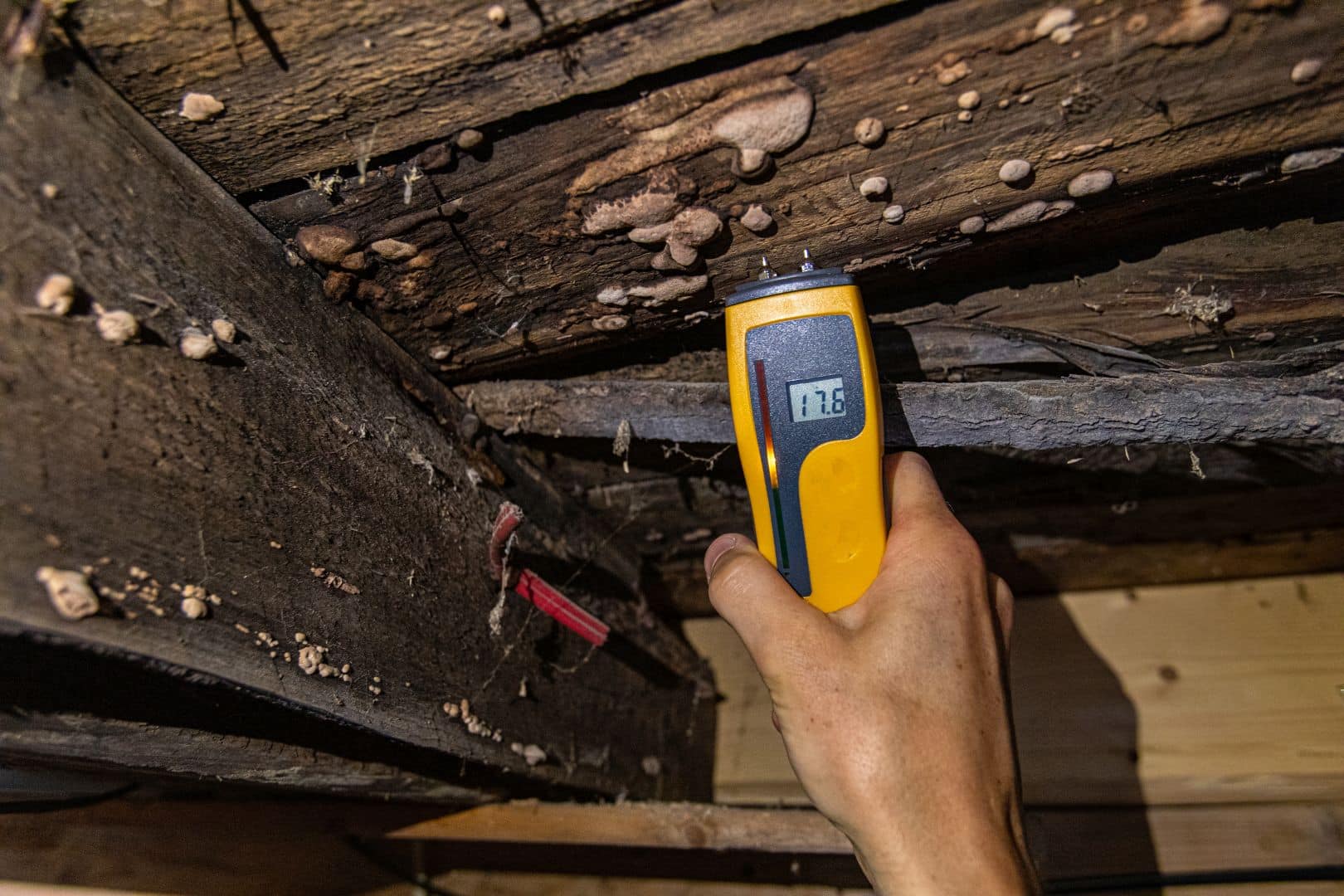
Mold is a type of fungus that thrives in damp and moist environments, often found in homes where water damage or high humidity is prevalent.
It reproduces through tiny spores that can become airborne, leading to a variety of health, structural, and aesthetic problems.
Why Identifying Mold Is Important
Identifying mold early is crucial as it can quickly spread and infiltrate other areas of the building. Recognizing what is mold remediation is a key step in knowing how to address it.
Early detection can prevent the need for extensive and costly repairs. It also helps protect your health since some mold types release harmful toxins.
Common Types of Mold on Walls
The most common molds found on walls include Cladosporium, Penicillium, and the notorious Stachybotrys, more commonly known as black mold.
Understanding their characteristics and potential health impacts can help in executing the right crawl space encapsulation and remediation methods. Commercial mold remediation experts often deal with these molds.
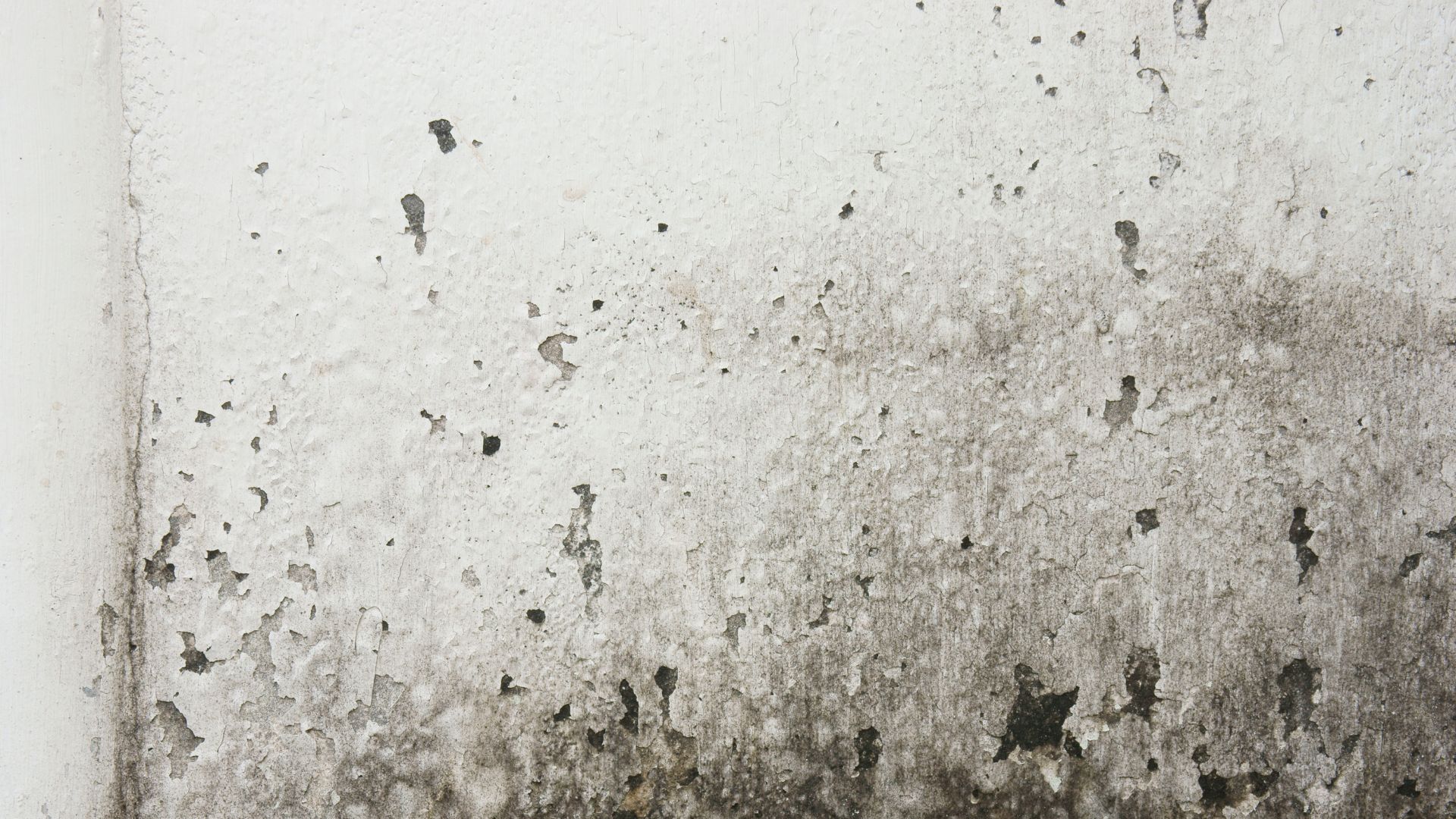
A wall with visible mold growth, highlighting the need for mold remediation and moisture control services in Alabama.
Identifying Black Mold
Black mold, or Stachybotrys, appears as dark green or black and is often slimy to touch. It typically grows in areas with a lot of moisture.
The presence of a mildew smell is often a giveaway, indicating the need for moisture control.
Recognizing Green Mold
Green mold is not a specific type but rather a group of molds that appear green. Aspergillus and Penicillium species often exhibit this color.
Finding them on walls can indicate a potential family health protection issue, requiring immediate attention.
Other Common Types of Mold
Besides black and green mold, other types include:
- Aspergillus: A common mold found indoors, known for causing respiratory issues.
- Penicillium: This mold is recognized for its green or blue color and its musty odor.
- Cladosporium: Black or green mold that grows on wet surfaces, not usually toxic but can cause allergies.
- Fusarium: Found in water-damaged areas, potentially harmful if inhaled or ingested.
- Rhizopus: Typically found in decaying organic matter, can thrive in homes that have sustained water damage.
Health Risks of Mold Exposure
Exposure to mold can lead to a range of health issues, particularly affecting the respiratory system.
Symptoms include sneezing, coughing, eye irritation, and, in severe cases, mold allergies or toxic mold symptoms.
Impact on Indoor Air Quality
Mold can severely degrade the quality of indoor air, contributing to asthma and other respiratory conditions.
It’s essential to maintain clean air and foundation protection to prevent mold infiltration.
Long-Term Effects of Mold on Wellbeing
Prolonged exposure to mold can lead to chronic health issues, including fatigue and neurological problems.
Understanding these hidden health costs of mold is crucial for greater preventive measures.
When to Seek Professional Help
It’s advisable to seek professional intervention when you detect significant mold growth or if you experience persistent health problems.
Consulting experts ensures proper diagnosis and removal, safeguarding your family’s health.
Importance of Ventilation
Proper ventilation is key to preventing mold, as it reduces humidity levels by allowing moisture-laden air to escape.
Inadequate ventilation in areas like bathrooms and kitchens often leads to mold growth, so systems need regular checks and maintenance.
Humidity Control Techniques
Managing humidity levels is essential in mold prevention. Use the following techniques to maintain a dry environment:
- Using dehumidifiers: Effective in enclosed spaces prone to high humidity.
- Proper drainage and grading: Ensures water moves away from your home, preventing seepage into foundations.
- Fixing leaks promptly: Stops water from infiltrating walls and ceilings.
- Installing vapor barriers: Helps to prevent ground moisture from entering the home.
- Regular inspections: Catch potential issues before they become major problems.
Home Maintenance Tips
Regularly inspect your home for signs of mold. Keep gutters clean, repair leaks swiftly, and ensure your home’s exterior has no water retention issues impacting foundational integrity.
These methods are key to effective attic mold removal near you and comprehensive home maintenance.
Steps in the Mold Remediation Process
The mold remediation process involves several key steps to effectively remove mold and prevent its return. These include:
- Inspection and assessment: Identify the extent and location of mold in your home.
- Containment: Prevent mold spores from spreading to other areas.
- Air filtration: Utilize HEPA filters to remove mold spores from the air.
- Removing mold-infested materials: Safely dispose of items that cannot be cleaned.
- Cleaning and sanitizing: Ensure the area is free of mold particles and toxins.
When to Call Experts
If the mold covers an area larger than 10 square feet or if you have toxic mold, it’s crucial to seek the help of mold remediation near you.
Professionals have the skills and equipment necessary for thorough mold cleaning services.
Cost Considerations in Mold Remediation
The cost for mold remediation depends on the magnitude of the infestation and the complexity of the removal process.
While cost can be a concern, mold abatement is an investment in health and property value.
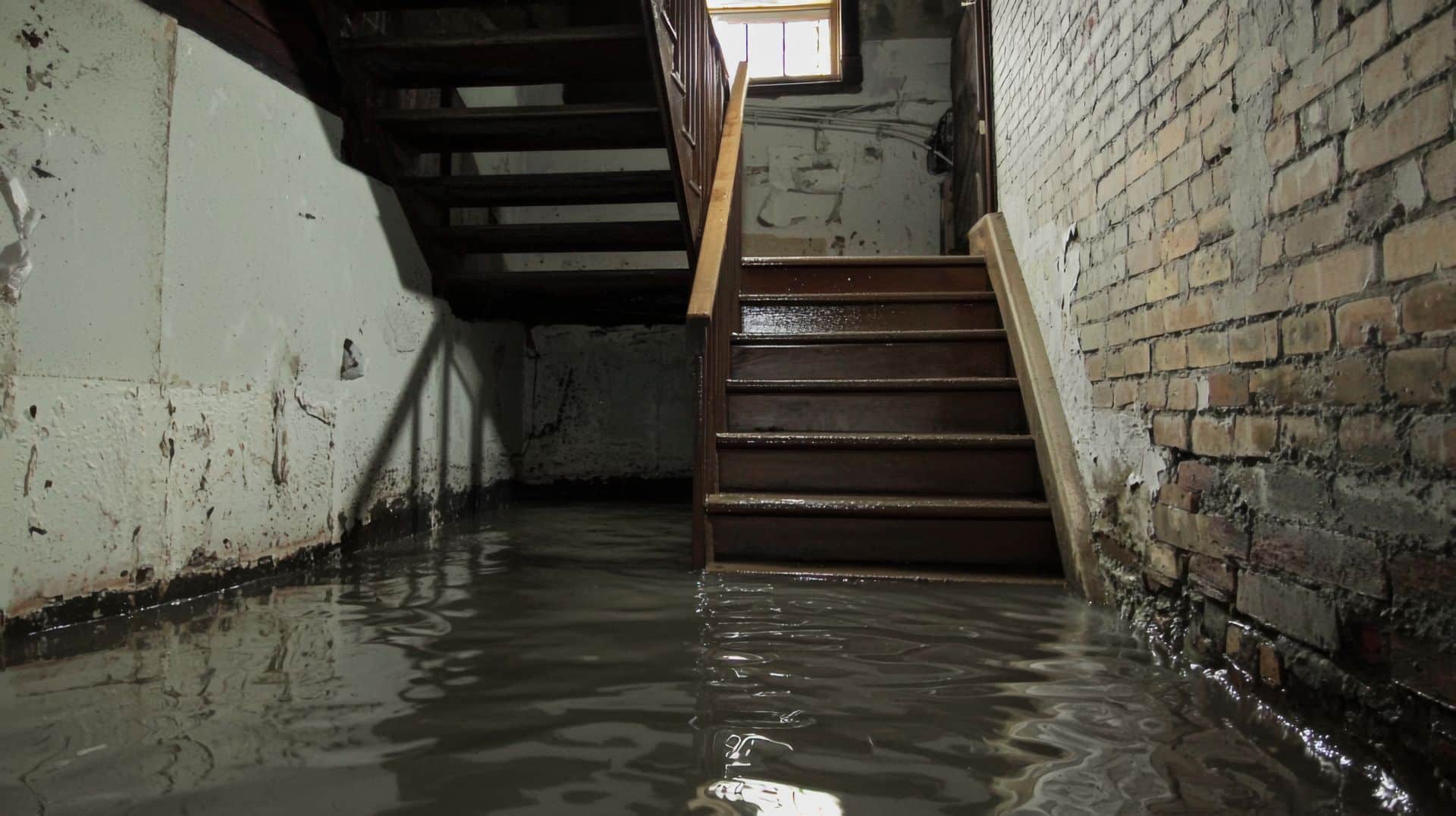
A basement in Birmingham, AL, shows significant water damage with flooding, highlighting the need for expert mold inspection and restoration services.
Key Takeaways
Effective mold management involves timely identification and appropriate mold treatment near you. Mold can spread quickly, making early detection crucial.
Resources for Further Help
Consult professionals for indoor air quality assessments to ensure your home remains a healthy environment.
A mold inspection can identify hidden issues before they escalate.
Maintaining a Healthy Home
Regular inspections, proper ventilation, and managing humidity levels are essential in maintaining a mold-free home.
By staying vigilant and taking proactive measures, you can protect your family’s health and your home’s structural integrity.
Mold on walls can appear in various colors such as green, black, white, or brown and often has a fuzzy or slimy texture. It usually forms in patches or clusters, especially in moist areas. Signs of mold presence include a musty odor, visible mold growth on walls, ceilings, or floors, and health symptoms such as sneezing and congestion. Water damage areas should be inspected regularly for mold. If you find mold, it’s crucial to address the moisture source first, then clean the area using appropriate protective gear. For large infestations, it’s best to seek professional removal services. Small areas of mold can be cleaned with soap and water or a mixture of vinegar and baking soda. However, DIY methods are not recommended for extensive mold growth or for black mold due to health risks. Hire a professional when mold covers an area larger than 10 square feet, if it’s black mold, or when health issues arise. Professionals can safely and thoroughly remove mold and prevent it from returning.Identifying Different Types of Mold FAQ