Understanding Seasonal Maintenance
Seasonal maintenance is a proactive approach to keeping your home in optimal condition by addressing specific needs associated with each of the four seasons. This practice not only helps in preserving the aesthetic and functional aspects of your home but also plays a significant role in preventing future issues.
By following a seasonal home maintenance checklist, homeowners can ensure that temperature changes, precipitation, and weather-related wear do not lead to costly repairs or urgent remediation work in the future. Whether it’s a routine inspection or a targeted repair, each activity is designed with long-term property sustainability in mind.
Why It Matters
Regular home maintenance significantly increases the lifespan of various home components, thus ensuring their efficiency and reducing the chances of sudden failures. By scheduling maintenance tasks throughout the year, you prevent the buildup of wear and tear that could eventually lead to severe problems, such as roof leaks or mold infestations.
Furthermore, focusing on seasonal maintenance can help maintain your property’s value and aesthetic appeal. Well-maintained homes are less likely to suffer from major repairs, preserving both the structural integrity and the market value of the residence.
Key Seasons for Home Maintenance
The four key seasons – spring, summer, fall, and winter – each present unique challenges to a home, making it necessary for homeowners to prioritize different tasks depending on the season. For instance, springtime may focus more on combating moisture and preparing for the warmer months, while fall may involve preparing the home for the cold weather.
Understanding these seasonal differences helps in planning maintenance tasks effectively and allows homeowners to stay ahead of potential problems.
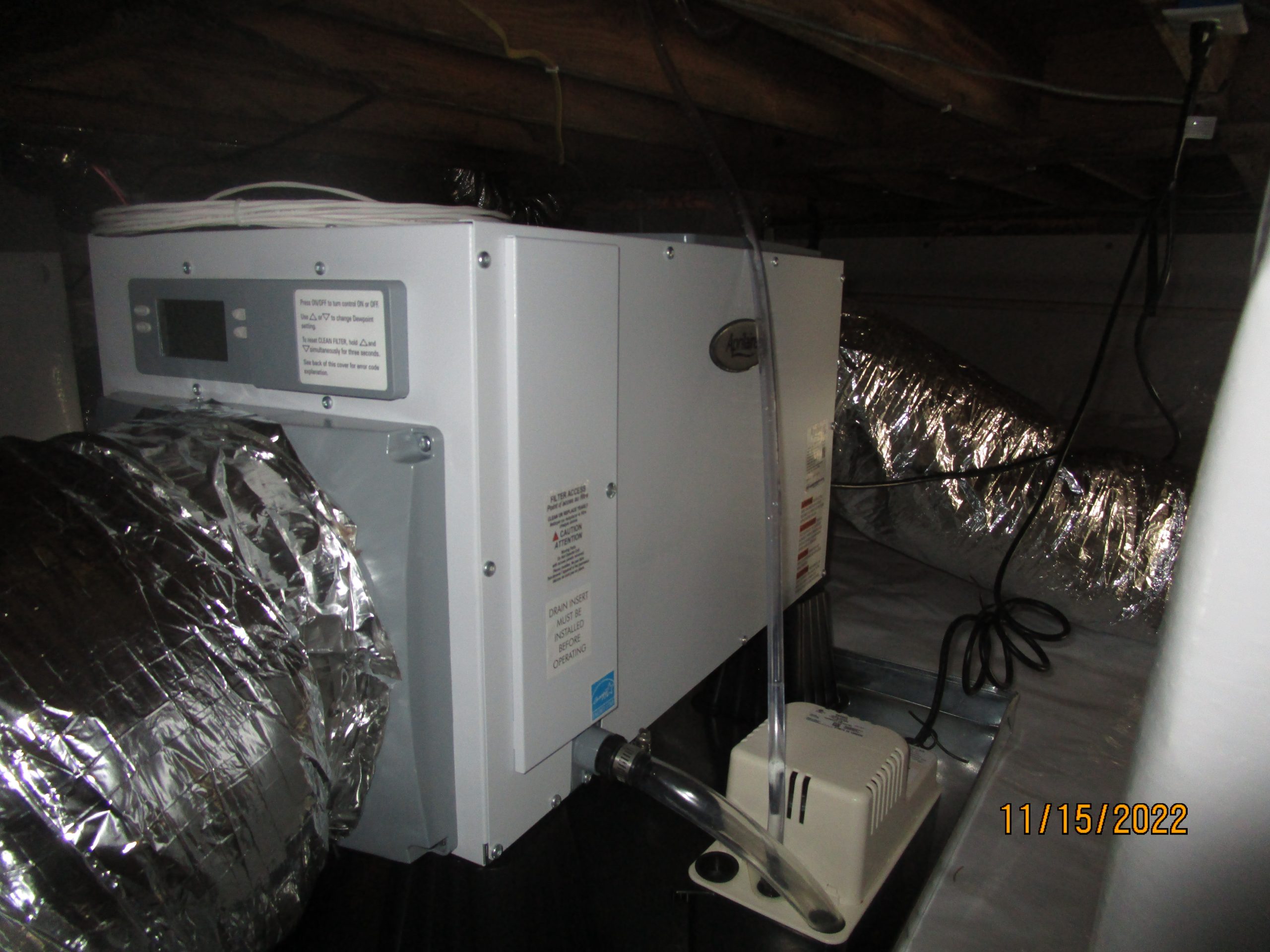
Advanced dehumidification system installed in a crawlspace for encapsulation and moisture control, improving air quality in Birmingham, AL.
Spring Maintenance Tasks
Spring is the perfect time to address moisture-related issues and prepare your home for the year ahead. Start by inspecting your roof for any winter damage and clean out gutters to ensure proper drainage.
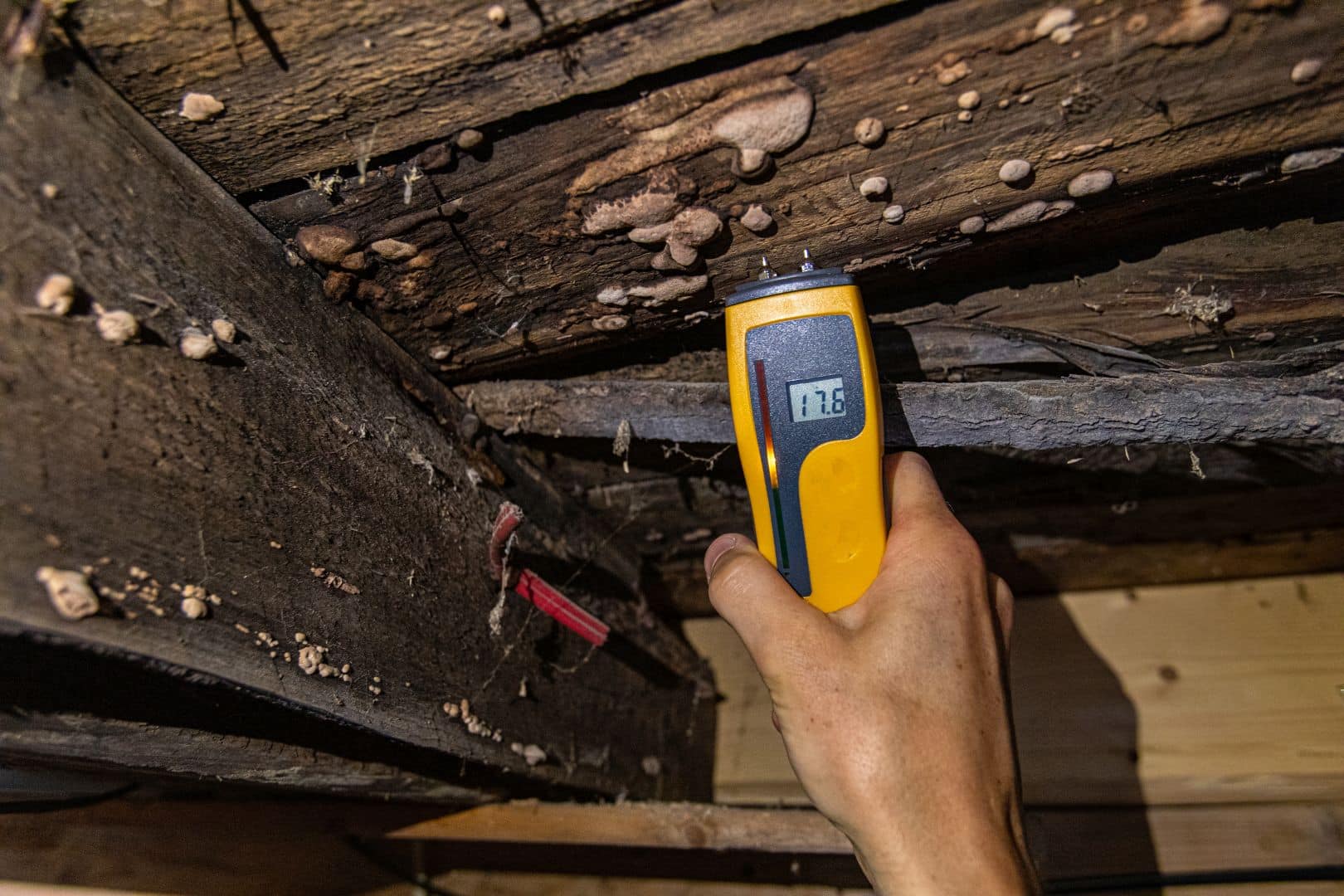
Checking your basement for signs of moisture intrusion is crucial. Proactively looking for early warning signs of moisture problems can help prevent significant issues down the line. Additionally, ensure that your HVAC system is ready for spring allergies and temperatures.
Summer Maintenance Tasks
In the summer months, focus shifts to maintaining cool air and addressing any pest control needs that may arise. Check for air leaks around windows and doors, and ensure your air condition systems are running efficiently.
Moreover, inspect your home’s exterior for any signs of pests or foundation cracks. Summer is also a great time to address basement flooding concerns by ensuring that your exterior drainage system is effective.
Fall Maintenance Tasks
As leaves begin to fall, it’s crucial to ensure your gutters remain clear to prevent water backup and ice dams in the colder months. Inspect your roof and attic for insulation integrity.
Additionally, fall is an excellent time to schedule professional inspections. Be on the lookout for potential crawlspace issues that could lead to moisture build-up.
Winter Maintenance Tasks
Winter is about keeping your home warm and energy-efficient. With temperatures dropping, now is the time to focus on Inspect heating systems:Ensure that your heating systems are operating effectively and safely.
- Check insulation:Proper insulation is key to maintaining indoor temperatures.
- Seal windows and doors:Prevent drafts by sealing all points where cold air could infiltrate.
Proper winter maintenance will also involve checking that water pipes are well insulated to prevent freezing and potential bursts.
Regular Inspections
Regular inspections form the backbone of effective preventive maintenance. They help identify issues before they become severe, saving homeowners time and money. Scheduling comprehensive checks on critical systems such as plumbing, heating, and roofing can prevent unexpected repairs.
It’s not just the visible aspects of your home that require attention; ensuring all your home’s hidden spaces, including crawlspaces, are in good condition is equally important. Regular inspections should be conducted multiple times a year.
Home Protection Strategies
Implementing various home protection strategies can provide layers of defense against common household problems. These strategies include: Inspect crawlspaces regularly:Understanding the condition below your home can prevent moisture and pest issues.
- Ensure proper drainage:Check that water diverts away from your home’s foundation.
- Maintain roof and gutters:Clean gutters reduce the risk of water overflow and damage.
By diligently following these strategies, potential costly damages can be mitigated or even avoided altogether.
Emergency Preparedness
Being prepared for any emergency is a key aspect of home maintenance. This involves knowing where to shut off water and gas valves and having a well-stocked emergency kit on hand.
Emergency preparedness also means having a plan for responding to different scenarios, from severe weather to plumbing emergencies, ensuring your family’s safety and minimizing damage.
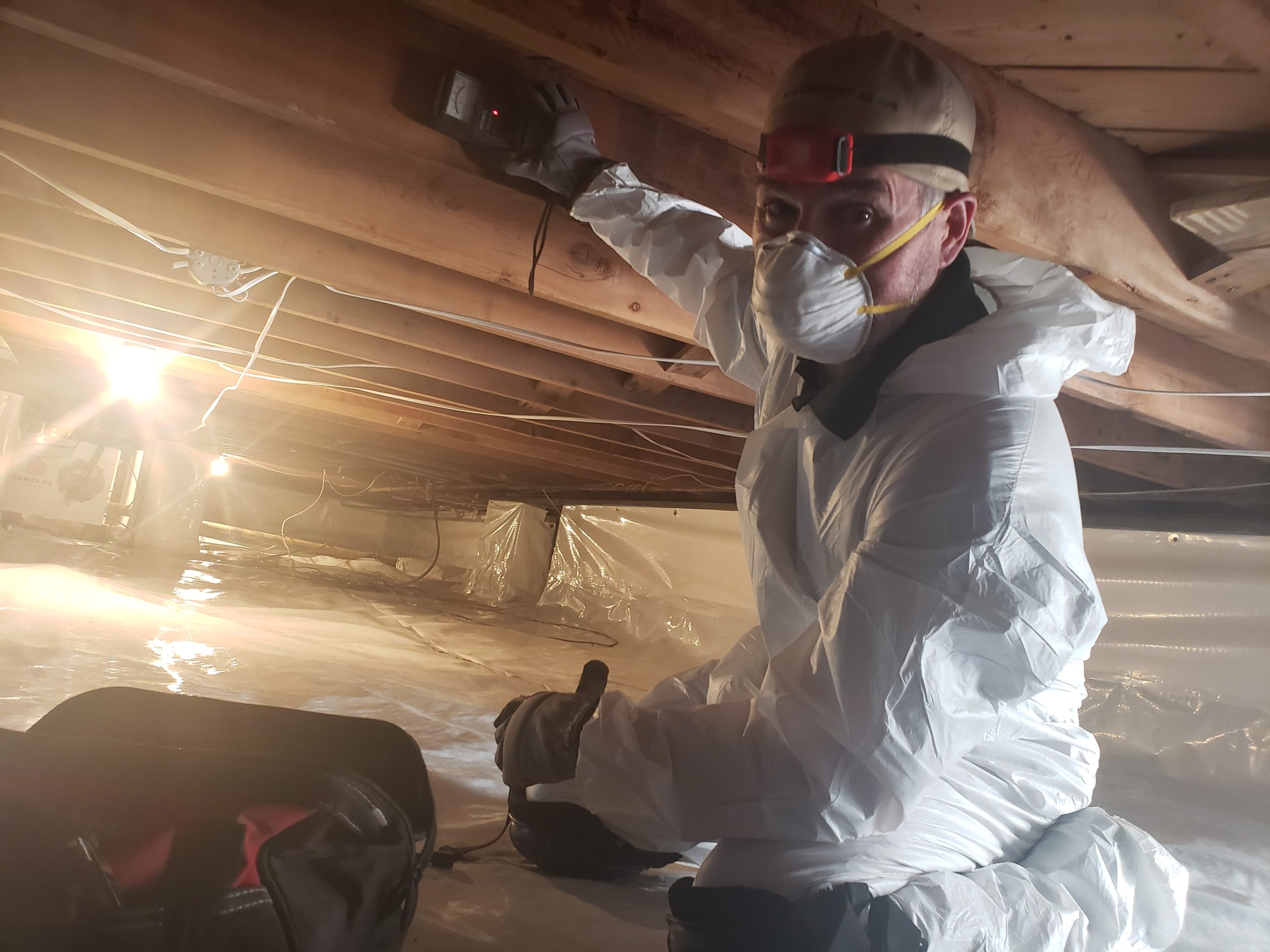
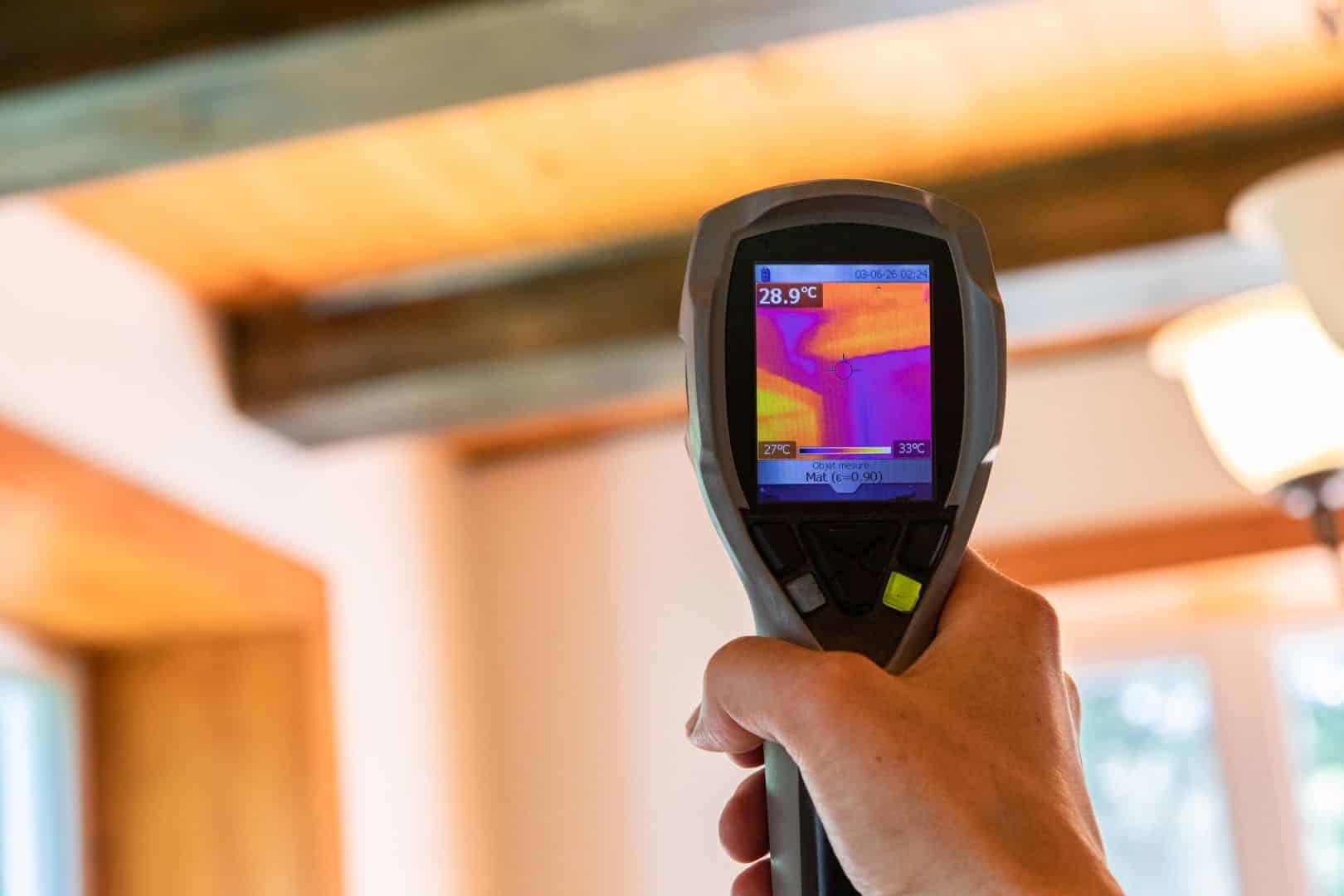
A certified technician inspecting and maintaining a crawlspace for moisture control and mold solutions in Alabama, ensuring a healthy environment.
Cost Savings
One of the most tangible benefits of consistent home maintenance is cost savings. By addressing small issues early, you avoid the financial burden of major repairs that often arise from prolonged neglect.
Regular maintenance also reduces the risk of unexpected emergencies, keeping repair costs predictable and manageable.
Increased Property Value
A well-maintained home not only functions better but also holds its value over time. Potential buyers appreciate properties that show evidence of meticulous care and regular upkeep.
Enhancing your property’s aesthetic appeal through crawl space solutions and other improvements can increase its market value, making it a sound investment.
Health Benefits
Consistent home maintenance can profoundly impact your family’s health. For example, preventing issues like mold growth means you avoid harmful spores that affect respiratory health.
Improved air quality:Regular HVAC maintenance ensures clean air circulation in your home.
- Reduced mold risks:Effective moisture management keeps mold at bay.
- Enhanced living conditions:A well-cared-for home leads to a more comfortable lifestyle.
With vigilant home maintenance, you not only protect your property but also safeguard your family’s health.
Common Oversights
Homeowners frequently make errors during maintenance, often leading to bigger problems later on. Addressing these oversights can help mitigate long-term damage:
- Neglecting gutters and downspouts:Leads to water accumulation around foundation.
- Ignoring exterior paint and siding:Allows moisture penetration and surface damage.
- Overlooking pest inspections:Increases risk of infestations.
- Failing to check plumbing for leaks:Can cause water damage and mold growth.
- Disregarding foundation health:May lead to structural instability.
- Skipping HVAC system checks:Reduces efficiency and air quality.
- Forgeting to store outdoor furniture:Exposes items to weather damage.
- Ignoring landscape maintenance:Allows pests and weeds to thrive.
Avoiding these common mistakes ensures that all areas of your home receive the attention they deserve.
Tips to Avoid Errors
Being proactive is key. Create a comprehensive list tailored to your home’s specific needs and follow it thoroughly. Seek professional advice when needed, especially for complex tasks.
Utilizing resources like a seasonal home maintenance checklist can help guide you through the necessary actions each season.
Making a Schedule for Tasks
Structuring your maintenance tasks into a schedule allows for more organized and efficient time management. Include set dates on your calendar for major seasonal changes and align routine checks accordingly.
Scheduling ensures consistent care throughout the year, preventing rushed or overlooked tasks.

A family enjoying quality time indoors, symbolizing the benefits of effective indoor air quality testing and healthy living environments.
Professional Services to Consider
While DIY efforts can cover many tasks, some home maintenance aspects benefit from professional expertise. For example, hiring professionals for mold remediation process offers thoroughness and guarantees against recurring issues.
Other services might include HVAC inspections, plumbing repairs, and electrical checks, which require qualified technicians to ensure safety and compliance with local codes.
DIY Maintenance Planning
For those keen on tackling tasks themselves, careful planning is key. Identify what tasks can be accomplished seasonally and prepare by setting aside time and necessary equipment.
Maintaining a log or checklist of completed tasks supports continuity and accountability throughout the year.
Seasonal Maintenance Tools
Having the right tools makes seasonal maintenance much easier and more efficient. Common necessities include a toolkit with wrench sets, screwdrivers, and pliers.
Furthermore, ensuring access to a reliable ladder, a leaf blower for fall cleanups, and weather-resistant sealing materials for both indoor and outdoor uses is advisable.
With the right resources and an organized plan, seasonal maintenance becomes a manageable and rewarding effort that protects your home’s well-being.
Each season presents unique challenges and tasks should be prioritized accordingly. In spring, focus on moisture control and cleaning the HVAC system. During summer, check for pests and improve cooling systems. Fall is ideal for preparing your home for winter by ensuring heating maintenance, and winter tasks should involve insulation and pipe protection. It is recommended to conduct a full home inspection at least twice a year, focusing on both interior and exterior elements. Additional inspections should align with extreme weather events or at the beginning and end of each season for optimal coverage. Essential tools for seasonal maintenance include a basic home toolkit, ladder, leaf blower, weather-proof sealants, and an inspection camera or flashlight for hidden areas. Specialized tools may be needed based on specific home systems. Yes, many aspects of seasonal maintenance can be managed independently with some know-how and the right tools. However, certain tasks like electrical or HVAC work may require professional assistance to ensure safety and adherence to code requirements.Seasonal Home Maintenance Checklist FAQ