Understanding Mold Inspection Services
Hiring a qualified professional for mold inspection is crucial for ensuring the health and safety of your home environment. Mold can cause significant health issues and structural damage if not addressed promptly. When searching for mold inspection services near me, it is essential to choose a reliable and experienced company that can accurately identify and recommend the best solutions.
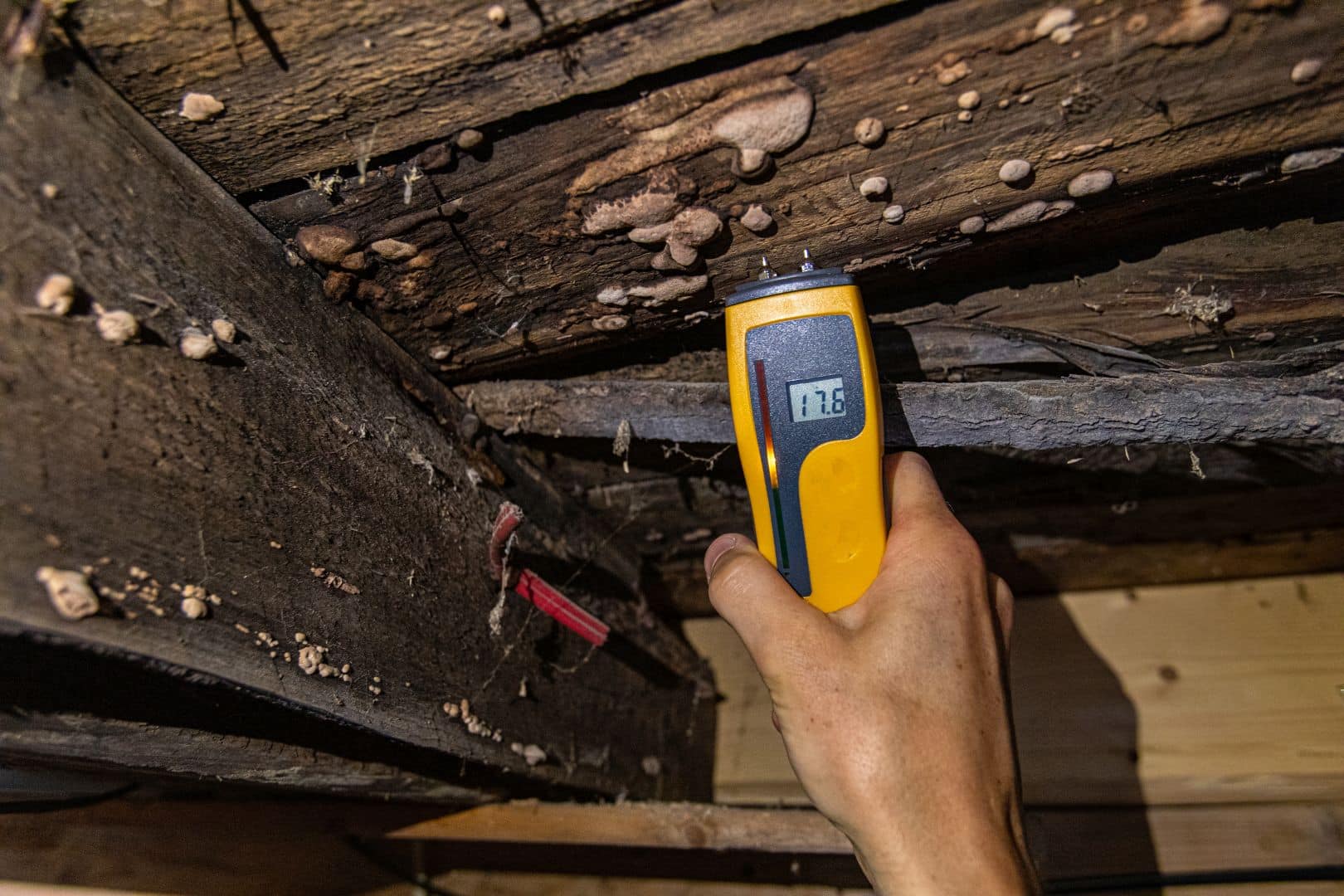
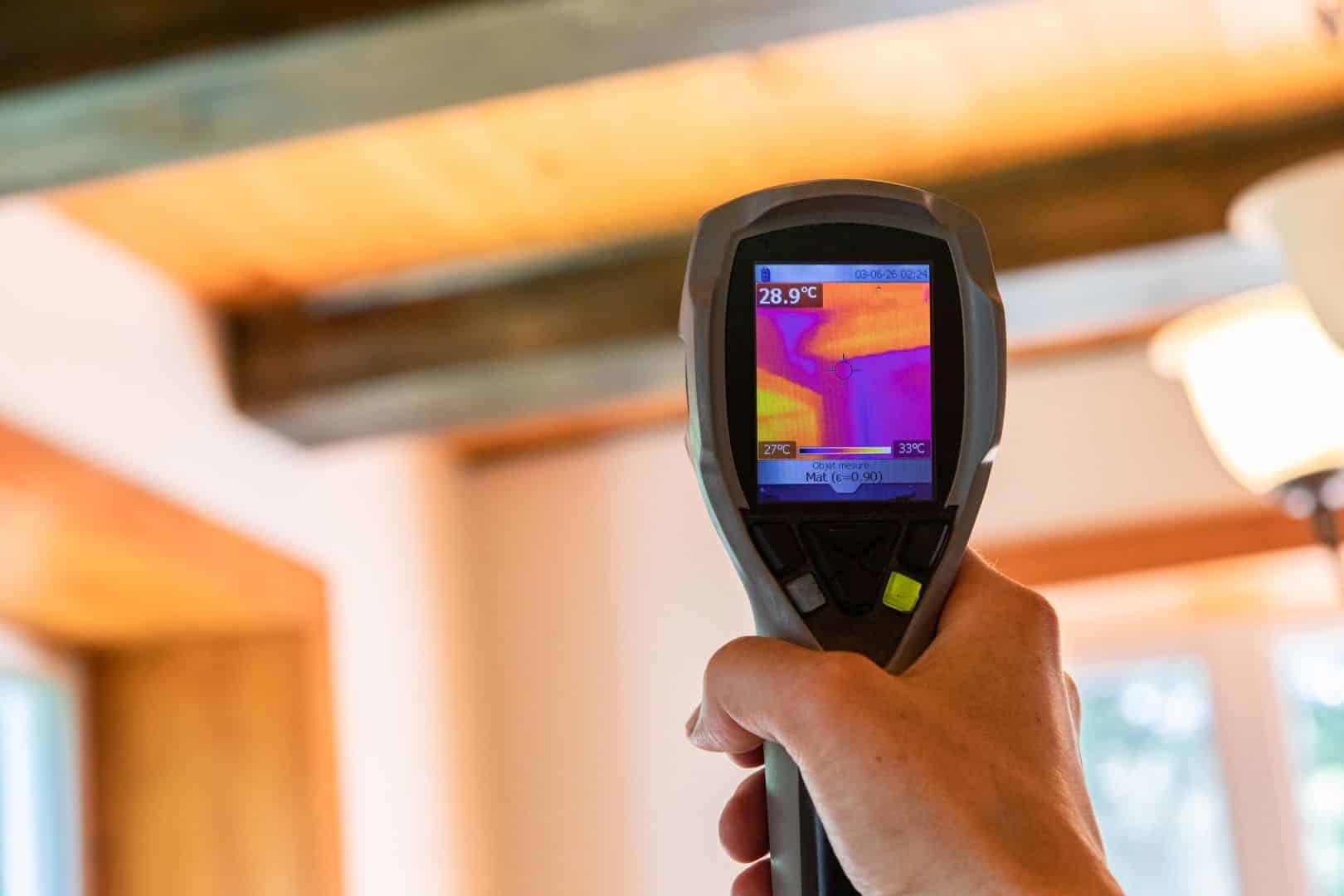
Mold inspections typically involve a thorough assessment of your property’s interior and exterior. Professionals use specialized tools to detect mold spores and moisture levels, identifying areas prone to mold growth. During the inspection, experts evaluate the building’s history, current condition, and possible sources of moisture that could contribute to mold development.
The professional mold removal services you select should provide a comprehensive plan for addressing any mold issues discovered. This ensures your home remains safe and habitable without the health risks associated with mold exposure.
Why Choose Professionals for Mold Inspection
Opting for a professional mold inspection service ensures an accurate and reliable assessment of potential mold problems. Licensed inspectors possess the knowledge and tools necessary to conduct a detailed investigation, offering peace of mind and a precise understanding of your property’s condition.
Professional inspectors can better differentiate between various types of mold, including those that pose serious health risks. Their expertise allows them to recognize even subtle signs of mold growth and provide guidance on the best remediation practices.
Engaging with professionals also means receiving unbiased inspection results, crucial for property transactions and legal matters. Their assessments and reports hold credibility with buyers, sellers, and legal entities, facilitating smoother transactions and resolutions.
What to Expect During an Inspection
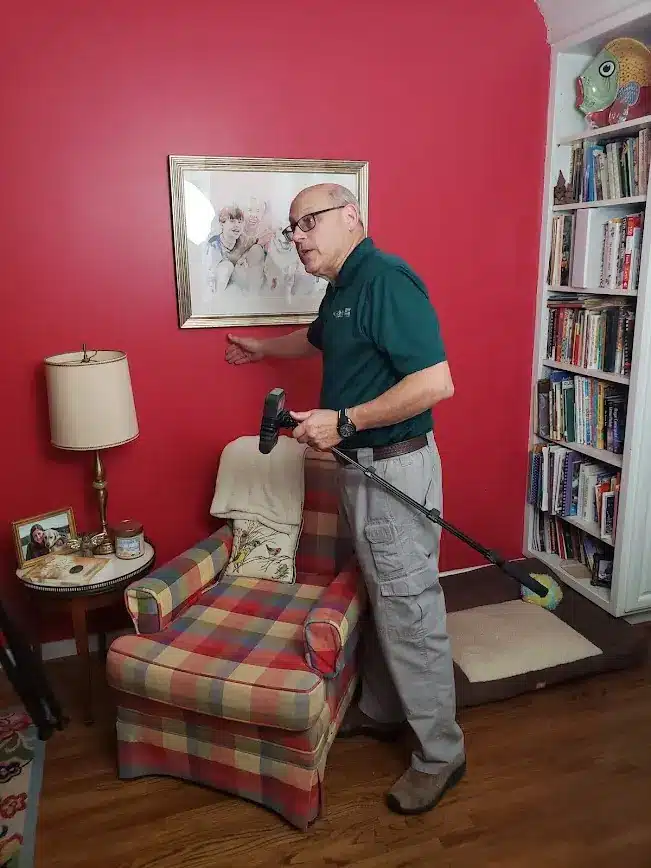
During a mold inspection, the inspector will conduct a visual examination of your property, looking for visible signs of mold, water intrusion, and moisture-related damage. They will likely gather air and surface samples for testing to determine the extent of mold presence.
The inspection process is typically non-invasive and can be completed within a few hours, depending on the property’s size. Inspectors explain their findings clearly, outlining where mold was found and the severity of contamination. They will also provide recommendations for next steps, which may include remediation strategies or further testing.
Ultimately, selecting a reliable and experienced service for mold inspection is a prudent decision. Ensure all arrangements and findings are documented and that the company offers ongoing support and follow-up services if necessary.
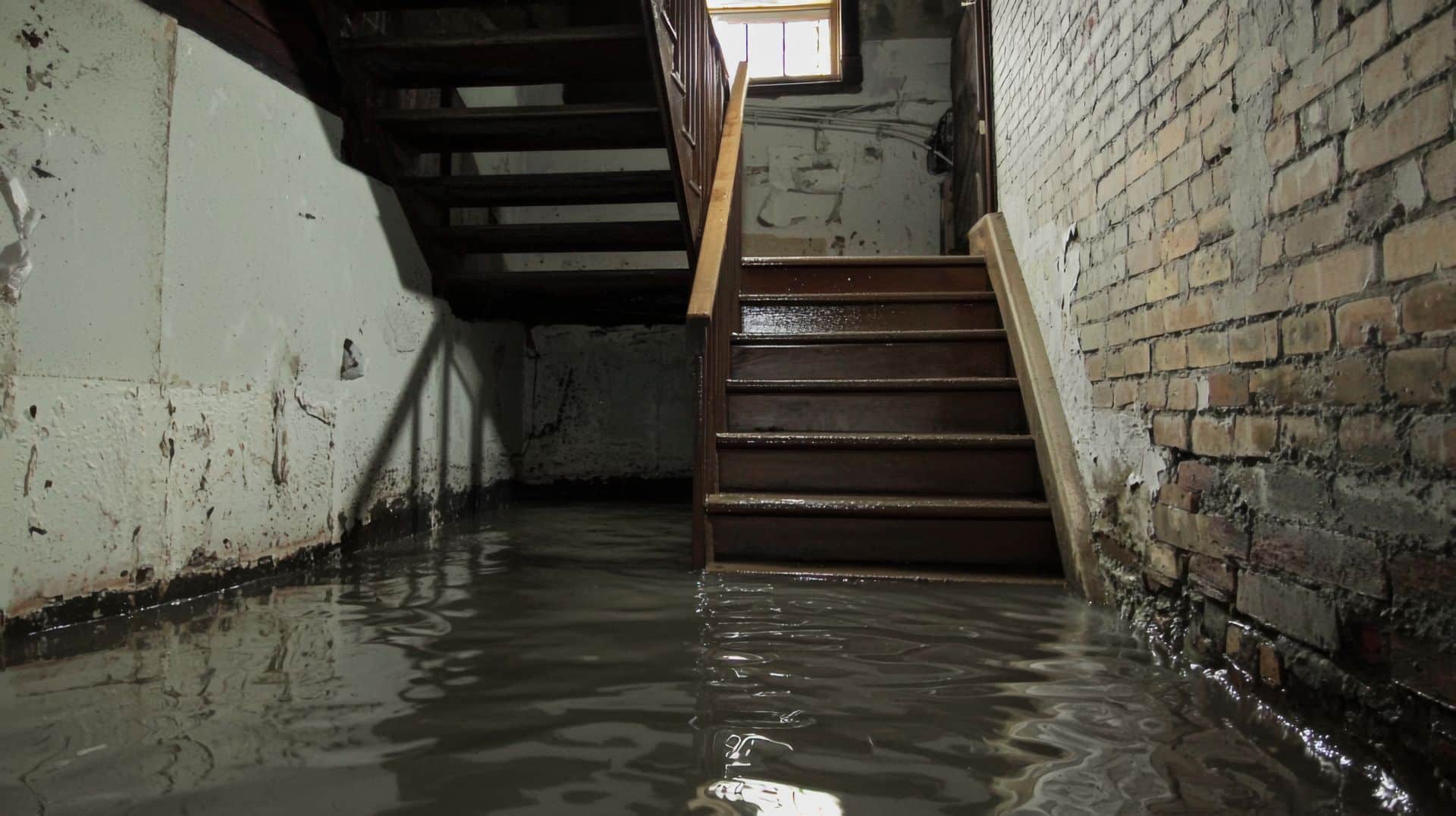
A basement in Birmingham, AL, shows significant water damage with flooding, highlighting the need for expert mold inspection and restoration services.
Essential Qualifications
A trustworthy mold inspection company should possess certain qualifications that validate their expertise and reliability. These qualifications ensure that inspectors are well-versed in identifying and handling various mold-related issues, safeguarding your home’s health and integrity.
Look for companies with credentialed personnel who have undergone industry-standard training. These individuals should be adept at conducting thorough inspections, understanding building science, and identifying the root causes of mold growth.
Additionally, reliable companies provide a structured inspection process, guaranteeing a comprehensive evaluation of your property’s potential mold hazards. Consider checking their reputation through customer reviews and professional affiliations to assess their reliability further.
Certifications to Look For
When evaluating mold inspection companies, consider their certifications:
- Certified Mold Inspectors: Look for inspectors certified by reputable organizations, which confirms their expertise and commitment to industry standards.
- Licensed Contractors: A license ensures the company complies with state and local regulations, providing trust in their service quality.
- Insurance and Liability Coverage: This provides peace of mind, knowing you are covered in case of any damage or unforeseen issues during the inspection.
Possessing these certifications indicates a company’s commitment to quality and professionalism, vital when seeking reliable mold inspection services near me.
Experience and Expertise
Experience plays a critical role in an inspection company’s ability to handle complex mold issues effectively. A company with a long-standing presence in the industry tends to have handled various scenarios, making them adept at providing targeted solutions.
Examine the company’s track record for handling similar cases and consider whether they have specialized experience relevant to your property type or mold issues. Experienced inspectors can quickly identify the right approach, utilizing specialized equipment for accurate results.
Moreover, having expertise means the company can offer tailored recommendations and support, particularly if the inspection reveals significant mold concerns that require prompt remedial actions.
What Questions to Ask
When engaging a mold inspection company, it’s crucial to ask the right questions to ensure you’re making an informed choice. These questions help you evaluate the company’s expertise, reliability, and approach to emergency mold removal.
Ask about the inspector’s training, experience, and the company’s history of dealing with mold-related issues. Understanding their process and capabilities ensures you select a company that can effectively address your needs.
Important Considerations
Here are important questions to consider:
- What is your inspection process? Understand the step-by-step approach they take during an inspection.
- How do you handle findings? Learn about the next steps if mold is discovered.
- What is your pricing structure? Clarify costs and any factors that might affect pricing.
- How many years have you been in business? Experience can be an indicator of reliability and expertise.
- Do you provide written reports? A detailed report should be offered to document findings.
- What equipment do you use for inspections? Ensure they utilize advanced tools for accurate detection.
- How do you ensure safety during the inspection? Safety precautions should be a standard part of their service.
- Can you provide references? References from past clients can offer insights into their service quality.
Follow-Up Procedures
Understanding a company’s follow-up procedures is essential for addressing potential mold issues thoroughly. After the initial inspection, reputable companies offer comprehensive follow-up services to ensure that any remediation efforts are successful and sustainable.
Discuss the frequency and nature of follow-ups, such as additional inspections or consultations. These follow-up steps are crucial in maintaining a mold-free environment, providing peace of mind that your home remains safe from future mold infestations.
Engaging with reputable mold remediation companies near you ensures ongoing support in managing and preventing mold growth.
Recognizing Red Flags
When choosing a mold inspection company, it’s imperative to recognize red flags that might indicate a less trustworthy provider. Be wary of companies that lack transparency in their processes or those that offer unrealistically low prices, as these may point to inadequate services.
Avoid large upfront fees or companies reluctant to provide detailed contracts. Reputable companies should offer clear terms and conditions with no hidden charges, ensuring your interests are protected throughout the inspection process.
What to Avoid
There are several key indicators that suggest a mold inspection company may not be legitimate:
- Avoid companies that claim to offer removal during the initial inspection as it may imply a conflict of interest.
- Steer clear of inspectors who refuse to provide a comprehensive report of their findings.
- Be cautious of companies without proper certification or licensing, as this questions their qualifications to perform inspections.
These factors can signify a substandard service, potentially leading to incomplete inspections and unresolved mold issues.
Making Informed Decisions
Ensuring you make informed decisions when selecting a mold inspection company involves thorough research and patience. Check for reviews from other clients and seek recommendations from trusted sources or local directories.
Make sure to verify the company’s credentials and cross-reference their records with official industry standards. By considering commercial mold remediation experiences, you can gauge their capability and reliability.
Ultimately, a good inspection service should demonstrate integrity, transparency, and a commitment to resolving your mold concerns effectively, avoiding potential issues like mold exposure brain fog and other health implications.
The Importance of Regular Inspections
Conducting regular mold inspections is a crucial component of effective home maintenance, ensuring early detection of mold before significant damage occurs. Routine inspections can preempt major restoration projects, helping homeowners maintain a healthier and more durable property.
Regular mold inspections not only protect the physical integrity of your home but also ensure that your family remains safe from the harmful effects of mold exposure. By incorporating inspections into your seasonal home maintenance checklist, homeowners can avoid unexpected surprises and expenses.
Furthermore, keeping up with inspections can enhance your property’s resale value by showcasing proactive care and an absence of unresolved issues. Early warning signs can be identified and addressed efficiently, securing your investment long-term.
Benefits to Homeowners
Regular inspections offer numerous benefits:
- Identifying issues before they escalate: Detecting mold early helps prevent large-scale infestations and structural damage.
- Maintaining property value: A well-maintained home holds its market value better than one neglected.
- Improving indoor air quality: Regular mold checks contribute to healthier air quality, reducing allergy and asthma triggers.
- Protecting family health: Timely intervention in mold growth minimizes respiratory problems and other health risks.
- Enhancing safety standards: Ensures living spaces are up to safety standards, protecting inhabitants from harmful exposure.
- Staying compliant with local regulations: Meeting regulations can avoid fines and ensure a safe environment.
When to Schedule Inspections
Timing your mold inspections appropriately ensures maximum effectiveness in maintaining your home’s integrity and safety. Seasonal changes, such as spring and fall, are excellent times to schedule inspections, addressing any weather-related moisture accumulation in advance.
Moreover, it’s advisable to conduct inspections pre and post-renovation projects as new construction or repairs might disturb existing molds or expose new areas prone to moisture issues.
Ultimately, staying proactive with your inspection schedule allows for timely interventions, upholding property and family well-being consistently.
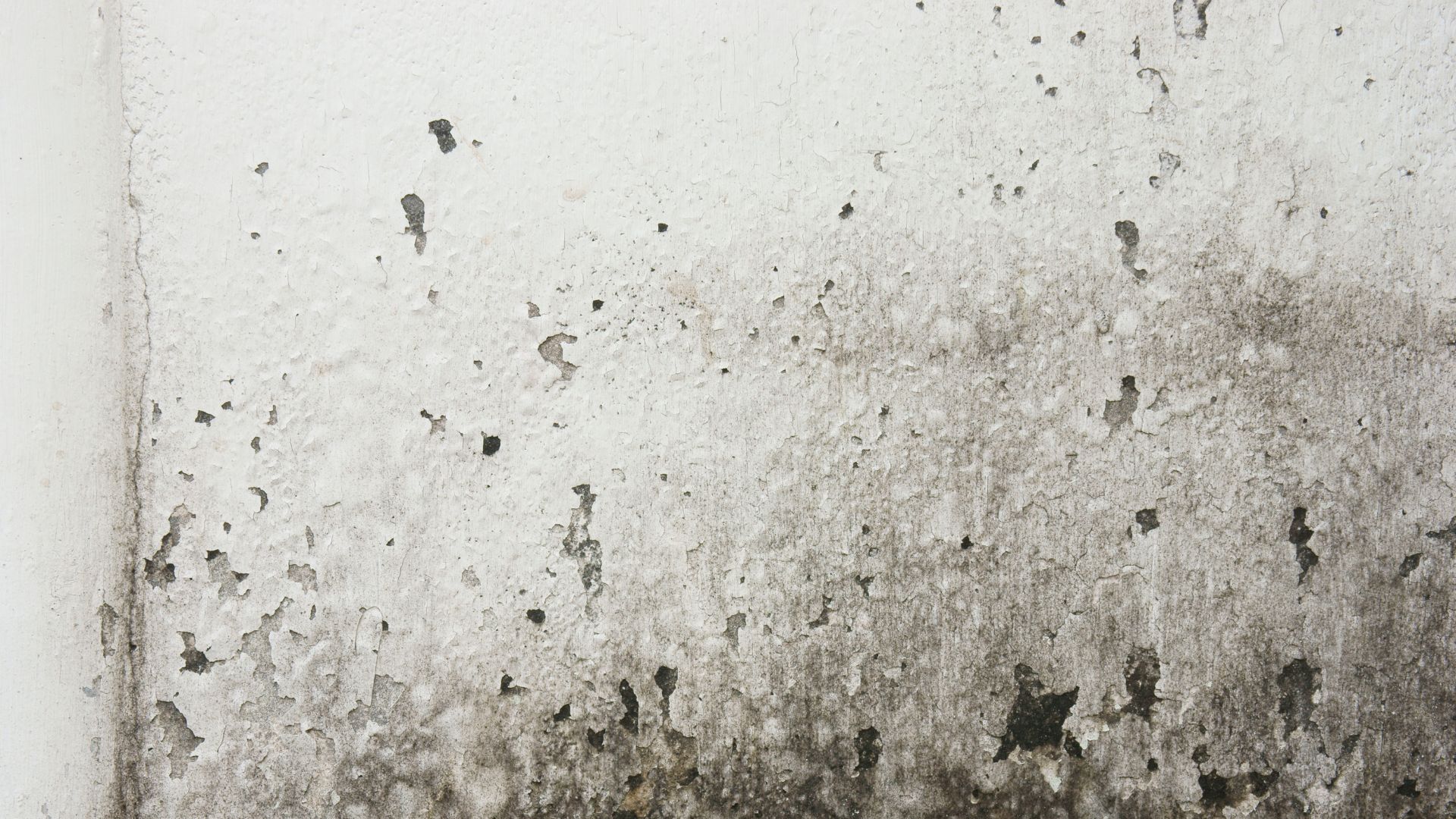
A wall with visible mold growth, highlighting the need for mold remediation and moisture control services in Alabama.
Recap of Key Considerations
Choosing the right mold inspection company requires careful consideration of several critical factors, ensuring they possess the necessary qualifications, certifications, and experience to deliver reliable services. Making an informed decision involves scrutinizing potential providers for transparency, professionalism, and affordability.
Prioritize companies with positive reviews and proven track records, ensuring any mold remediation needs are addressed competently. This diligence guarantees a safe and habitable environment without hidden health risks or costly repairs.
Final Recommendations
An effective mold inspection safeguards your health and property, demanding a serious approach to hiring the right professionals. Verify your chosen provider’s credentials and establish a clear understanding of their inspection process, costs, and follow-up procedures.
Incorporating regular inspections as part of your home’s maintenance routine not only enhances your quality of life but also preserves your property’s value over time. Utilize these inspections as a preventative strategy, addressing issues before they escalate into larger problems requiring extensive remediation.
Call to Action
Protect your home and health by contacting reputable mold inspection services today. Explore your options for comprehensive inspections and consider reaching out to experts for guidance on effective mold management strategies. Whether you’re facing visible signs or hidden issues, taking action now will ensure a healthier, safer living environment.
Choosing a Mold Inspection Company FAQ
The cost of a mold inspection can vary widely depending on the size of your home, the extent of the mold problem, and the thoroughness of the inspection. Typically, you can expect to pay between $300 and $800 for a standard home inspection.
A mold inspection can take anywhere from one to several hours, depending on the size of the property and the complexity of the inspection. Smaller homes may only require a couple of hours, whereas larger or more complex buildings may take longer.
If mold is found during an inspection, it’s recommended to follow the inspector’s advice for remediation. This typically involves professional cleaning and removal services. Prompt action can prevent further damage and health risks.
Regular inspections every one to two years are generally advised, particularly if your home is prone to moisture issues or if recent weather conditions have raised the risk of mold growth. Consistent checks help ensure your home remains safe from mold-related problems.