Understanding Attic Ventilation
Proper attic ventilation is critical for preventing the development of mold and maintaining the overall health of your home. Without adequate ventilation, warm, moist air can become trapped, leading to condensation and a suitable breeding ground for mold. Ensuring effective attic ventilation involves implementing systems that allow for continuous airflow, which helps mitigate indoor air quality issues.
The Importance of Mold Prevention
Mold prevention in attics is crucial not only for protecting structural integrity but also for safeguarding your family’s health. Mold spores can infiltrate your home, contributing to respiratory issues, particularly for those with allergies or asthma. By employing preventive care strategies, you can effectively avoid the inconveniences and expenses associated with mold remediation.
The stack effect, a natural process occurring within homes, can exacerbate mold issues in poorly ventilated attics. As warm air rises, it carries moisture with it, which can condense in the attic space. Understanding and controlling this stack effect can play an important role in ensuring a healthy living environment.
How Humidity Affects Your Attic
The humidity level in your attic can significantly influence mold growth. High humidity levels create a breeding ground for mold, especially in regions with a humid climate. Maintaining appropriate ventilation while monitoring humidity levels will keep attics dry and mold-free.
Homeowners can combat humidity by installing vents and ensuring proper insulation. This helps regulate temperature and reduces the amount of moisture in the air, which is essential for preventing mold outbreaks.
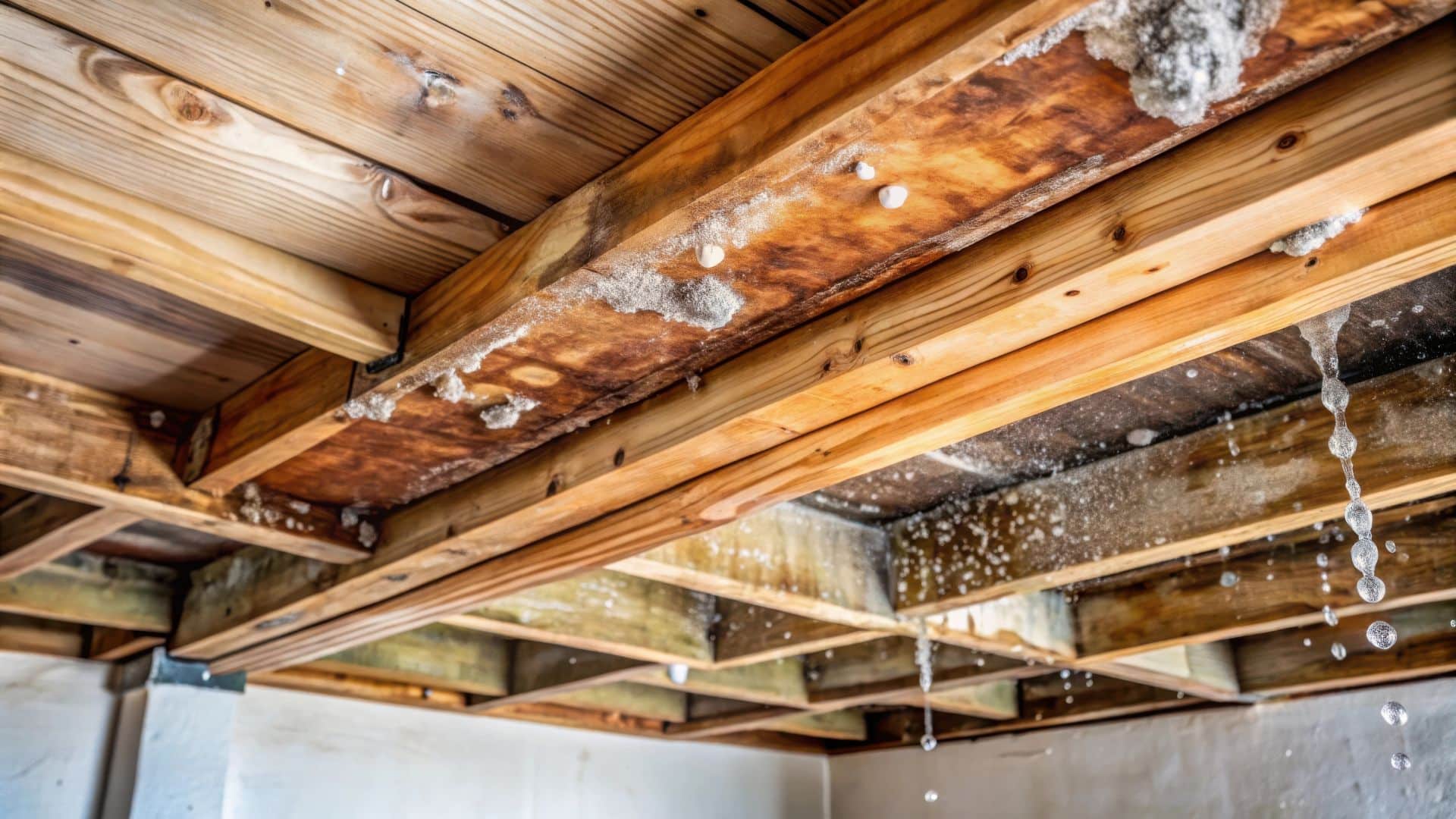
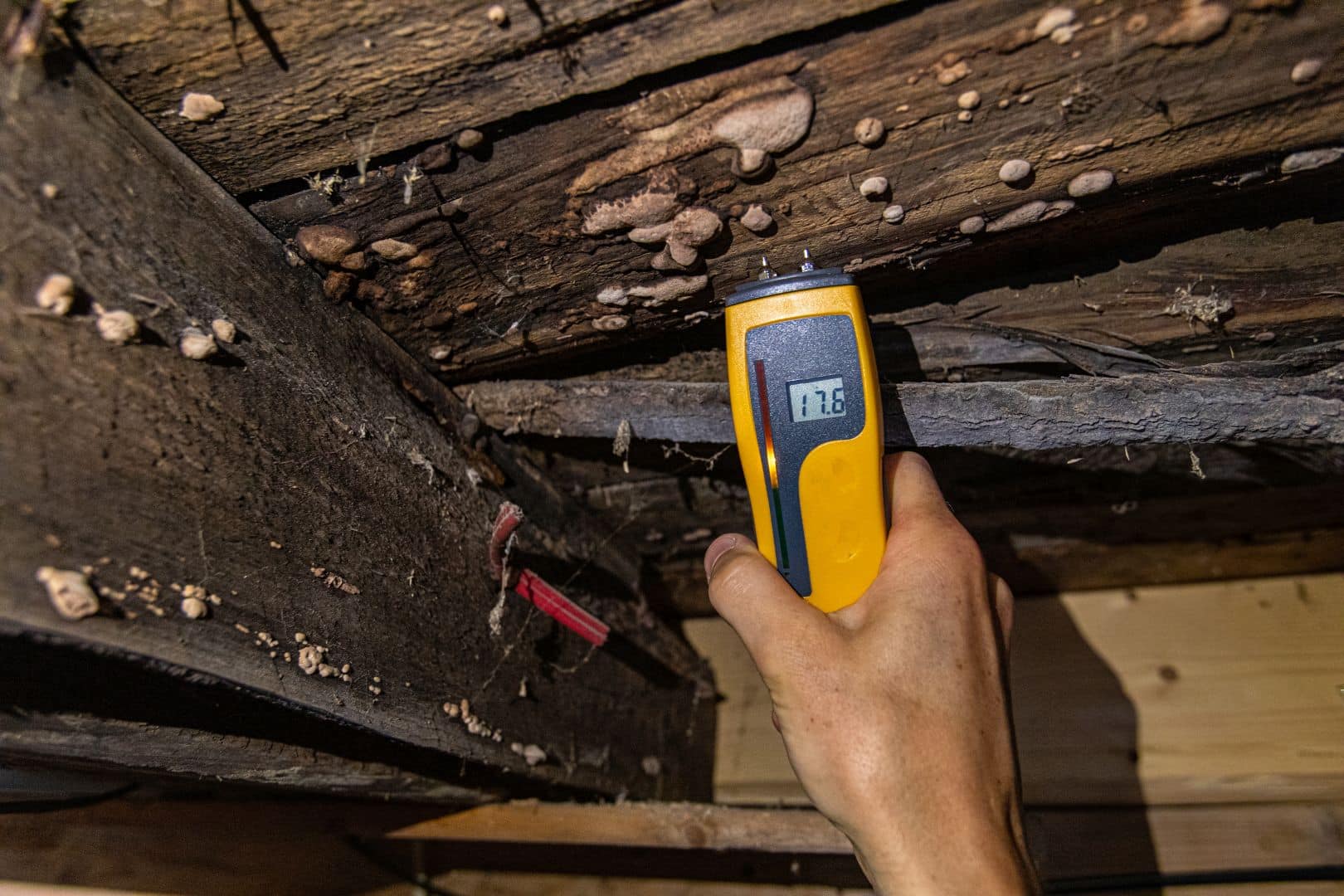
Water-damaged crawlspace showing mold growth on wooden beams, highlighting need for professional mold removal in Alabama.
Visual Signs of Mold
Mold often manifests as dark spots or fuzzy patches on attic materials. Homeowners should regularly inspect areas such as corners, beams, and insulation for these visual indicators. Presence of discoloration can quickly spread if not addressed, leading to more substantial damage. Paying close attention to these early warning signs is critical for preventing extensive mold development.
Health Indicators to Watch For
In addition to visual cues, mold can affect health, causing symptoms like coughing or eye irritation. Those with allergies or asthma may experience exacerbated symptoms from exposure to mold spores. Addressing these health indicators promptly by contacting a specialist, such as attic mold removal companies near me, can prevent significant health repercussions.
By understanding the link between these issues and mold growth, homeowners can ensure a healthier living environment.
Tools to Identify Moisture Problems
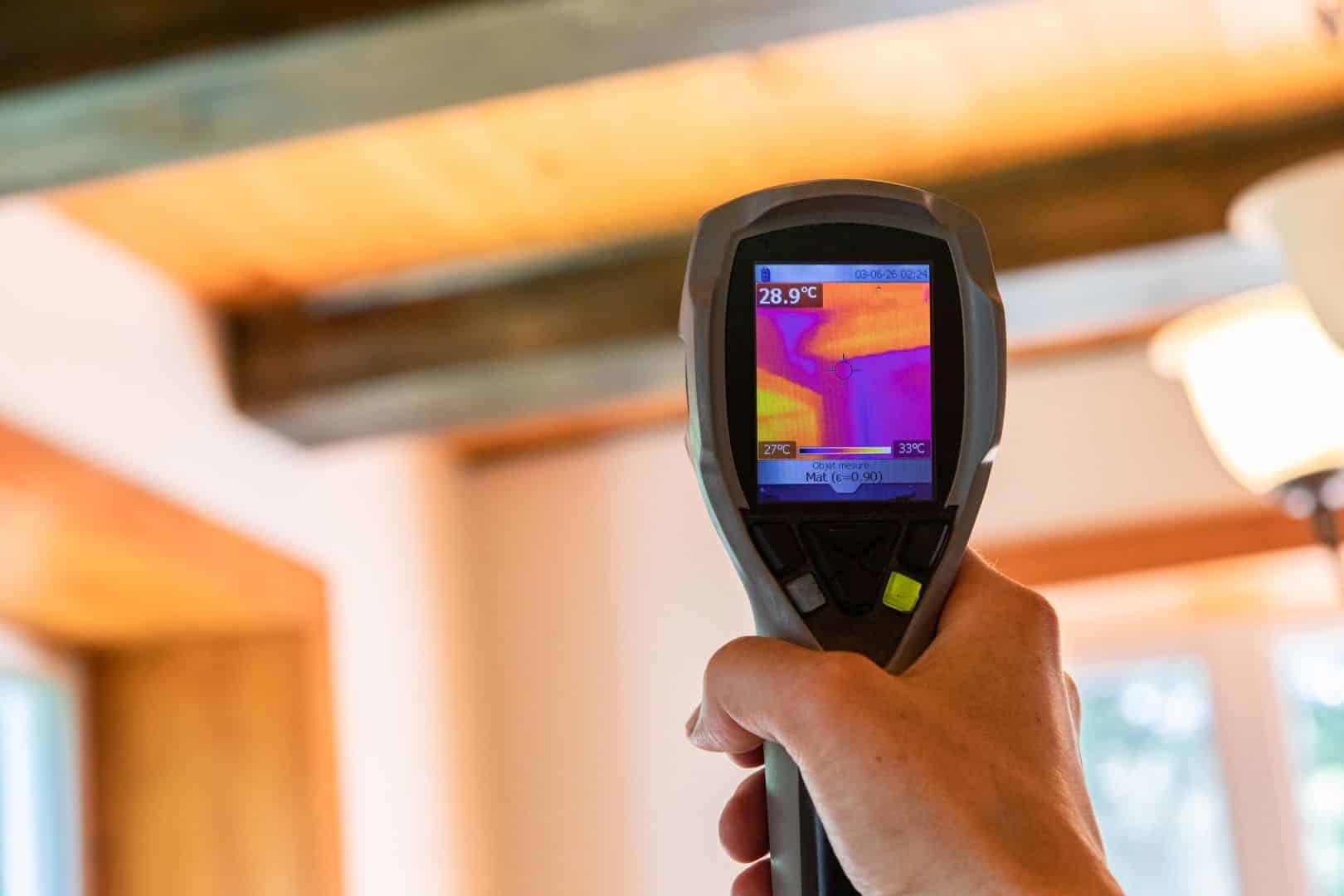
To effectively identify moisture issues that invite mold, homeowners can use hygrometers to measure humidity levels and infrared cameras to detect temperature variations often associated with leaky roofs or improper attic insulation.
Regular checks with these tools can help you spot moisture problems early, allowing for timely interventions.
Professional inspection tools can provide accuracy and are often used by experts to ensure complete moisture control.
Types of Ventilation Systems
Attic ventilation systems are essential for maintaining proper air circulation. Popular systems include ridge vents, which run along the peak of the roof, and soffit vents, which facilitate intake of air along the eaves. These systems work together to ensure a balanced flow of air, reducing the buildup of moisture and helping to protect your attic. Exploring different options with a professional can provide tailored solutions to meet specific attic needs.
Natural vs. Mechanical Ventilation
There are two primary types of ventilation in attics: natural and mechanical. Natural ventilation, such as passive vents, relies on wind and thermal effects to circulate air, while mechanical ventilation uses fans to force air exchange. Each system has its advantages, and choosing the right one requires consideration of climate and attic design.
Mechanical systems can offer more control over air movement but may increase energy costs. Consulting with a specialist can help determine the best approach for your home.
Installation Considerations
When installing ventilation systems, consider attic size, roof design, and local climate. Proper installation is key to optimizing system performance and extending its lifespan.
Incorrect installation can lead to insufficient airflow, negating the benefits of a ventilation system. Homeowners should ensure systems are installed by qualified professionals to avoid costly mistakes.
Ultimately, effective ventilation will protect against moisture damage, enhance air quality, and contribute to overall home efficiency. To learn more about related foundation protection considerations, explore our tips on structural health.
Regular Inspections
To maintain a mold-free attic, routine inspections are important. Checking the attic every season can identify problems early, such as leaks or poor insulation, which are commonly linked to mold growth. Addressing these issues promptly ensures your attic remains in good condition and prevents the need for extensive attic mold remediation.
Prevention Tips
Implementing preventive care measures can effectively shield your attic from mold:
- Use exhaust fans in humid areas: Ensure areas like bathrooms and kitchens are equipped with functioning fans to reduce humidity.
- Install soffit vents: Add soffit vents to promote air exchange in the attic space, preventing moisture buildup.
- Ensure attic insulation is not obstructing airflow: Properly placed insulation should not block any vents to maintain optimal air circulation.
- Keep gutters clean: Regularly clear gutters to prevent blockages that could lead to roof leaks.
- Monitor indoor humidity levels: Use dehumidifiers or humidity sensors to maintain recommended levels below 60%.
- Store items properly: Avoid storing materials directly on attic floors that can encourage mold growth.
- Use a dehumidifier if necessary: In persistently humid climates, dehumidifiers may be essential for removing excess moisture from the air.
Proactive efforts can significantly reduce the need for emergency mold removal services.
Seasonal Maintenance Guidelines
Seasonal maintenance is crucial for preventing mold. During spring and fall, inspect for and address any signs of moisture. After severe weather, a quick attic survey for leaks or damages is also recommended. Following a seasonal home maintenance checklist helps ensure thoroughness and consistency, enhancing attic protection year-round.
Integrating these measures into your routine home care can provide long-term protection against mold issues.
Choosing the Right Professionals
Hiring qualified attic mold removal specialists is vital for safe and effective remediation. Homeowners should seek companies with extensive experience in mold remediation, ensuring they are licensed and insured. Researching and selecting reputable mold remediation companies near me can significantly impact the quality of service received.
Customer reviews and references are invaluable tools in assessing a company’s reliability and effectiveness.
Questions to Ask Mold Remediation Companies
Before contracting services, homeowners should inquire about the company’s approach, including the methods used to identify mold and the products used for removal. Ask whether they offer a warranty or guarantee for their work, ensuring peace of mind post-service.
Understanding the proposed timeline and cost estimation is also crucial. By posing these questions, homeowners can confirm the suitability of their chosen professionals.
Pricing Considerations
Pricing can vary depending on the severity of the mold issue and the methods needed for remediation. Obtaining multiple quotes can help in evaluating cost-effectiveness. While budget considerations are important, the safety and effectiveness of the service should remain the priority.
Professional indoor air quality improvement services offer long-term value despite initial costs.
Health Benefits
Proper attic ventilation and mold prevention offer significant health benefits. By reducing mold presence, you minimize the risk of respiratory issues and allergic reactions for household members. Improved air circulation keeps indoor spaces healthier, mitigating the buildup of pollutants and allergens.
These measures can also enhance overall comfort, creating a safer environment for families to live in.
Addressing seasonal maintenance needs can further support these improvements in health and home wellbeing.
Economic Advantages
Investing in attic ventilation solutions not only supports health but also economic benefits:
- Lower energy costs: Enhanced airflow reduces HVAC strain, potentially saving energy expenses.
- Reduced repair expenses: Preventing mold growth lessens the likelihood of incurring significant repair costs.
- Improved property value: A well-maintained attic boosts home market appeal due to reduced potential for mold-related issues.
- Enhanced indoor comfort: Proper ventilation ensures consistent indoor temperatures, improving living comfort.
In taking preventive steps now, homeowners can realize significant savings and increased property longevity.
Final Thoughts
Attic ventilation and mold prevention are essential parts of home maintenance that shouldn’t be overlooked. Considering the significant health and economic benefits, regular checks and prompt action are critical. Engaging with professionals to evaluate your attic’s condition can lead to long-lasting improvements.
By approaching attic care proactively, you create a healthier environment and safeguard your home’s value.
Action Steps for Homeowners
Taking initiative can prevent mold problems before they start:
- Assess your attic ventilation: Evaluate current airflow systems and identify areas for improvement.
- Implement preventive measures: Utilize tips and strategies to reduce risk of mold development.
- Schedule regular inspections: Routine checks help catch potential issues early.
- Contact professionals as needed: For mold concerns, reach out to mold remediation specialists.
Adopting these practices now will ensure the structural integrity and comfort of your home in the years to come.
Attic Ventilation and Mold Prevention FAQ
The best methods for ventilating an attic include a mix of ridge vents, soffit vents, and gable vents. These promote a natural airflow that can circulate warmth and moisture out of the attic. Depending on your attic’s design and local climate, you may also consider mechanical ventilation systems for greater control over air circulation.
Indicators of mold in the attic include visible signs like dark patches, a musty odor, and increased allergy symptoms in residents. You can confirm mold presence by using a mold test kit or consulting a professional inspector.
Exposure to mold can cause respiratory issues, allergic reactions, and exacerbate asthma. Mold spores can travel through the home impacting air quality and family health, so addressing mold presence promptly is critical.
It’s recommended to inspect your attic at least twice a year, ideally during spring and fall. Regular inspection helps in identifying early signs of mold and prevents extensive damage.
If you find mold, it’s important to address it right away. Contacting a professional mold remediation company will ensure complete removal and the evaluation of any underlying problems contributing to mold growth.