Understanding Mold and Its Health Risks
Mold is a common household problem that can pose significant threats to family health. These fungi thrive in damp, humid environments, often going unnoticed until symptoms appear. Mold spores can infiltrate the home’s air, affecting mold exposure symptoms and overall comfort inside.
Exposure can lead to a range of health issues including respiratory problems, allergies, and skin irritation. Children are particularly vulnerable, making understanding these risks crucial for effective indoor air quality control.
Why Family Health Protection Is Essential
Ensuring a healthy home is vital for reducing the risk of mold-related illnesses. Family health protection begins with awareness and prevention. This not only enhances living conditions but also mitigates medical expenses that arise from long-term exposure.
Ultimately, educating yourself about potential mold threats can help maintain home safety and prevent minor issues from escalating to severe health threats.
How Mold Affects Children
Children’s developing bodies, especially their respiratory and immune systems, make them more susceptible to mold effects. Chronic exposure can exacerbate asthma, induce allergic reactions, and impair lung function over time.
A preventive approach through regular home checks and ensuring clean indoor air quality is essential to safeguarding their health. Families must prioritize creating a safe environment for children to thrive free from environmental hazards like mold.

A family enjoying quality time indoors, symbolizing the benefits of effective indoor air quality testing and healthy living environments.
Key Warning Signs
Recognizing the early warning signs of mold exposure is the first step in protecting your family. Indicators often include a musty odor, visible mold growth, and increased allergy symptoms such as sneezing or itchy eyes. Noticing condensation or frequent dampness can also signal mold presence.
Understanding these symptoms of mold exposure can help you take timely action and avoid long-term health risks.
Preventive Measures
To effectively prevent mold, implement a routine of precautionary steps. This involves managing the environment and addressing potential issues promptly.
- Regular home inspections: Periodically check for signs of moisture or leaks, especially in basements and crawl spaces.
- Ensure proper ventilation: Use exhaust fans in kitchens and bathrooms to reduce humidity.
- Control humidity levels: Maintain indoor humidity below 60% to inhibit mold growth.
- Seal leaks and water damages: Repair any roof leaks or plumbing issues immediately.
- Use mold-resistant products: Choose materials designed to repel mold for areas prone to moisture.
- Avoid carpet in damp areas: Opt for tile or other water-resistant flooring in moisture-prone rooms.
- Keep gutters clean: Regularly clear gutters to prevent water damage to home foundations.
- Use an air purifier: Invest in air purifiers equipped to filter mold spores and improve air quality.
These measures can greatly diminish health risks associated with mold, ultimately ensuring a safe and healthy home.
Understanding Mold Remediation
Mold remediation is a comprehensive process designed to eliminate mold infestations and restore affected areas to safety. This involves the removal and cleaning of mold-contaminated materials, along with correcting any environmental factors contributing to mold growth.
Through a combination of professional assessment and strategically managed interventions, the remediation process ensures molds are effectively addressed and do not recur without proper preventive measures.
Professional Remediation Services
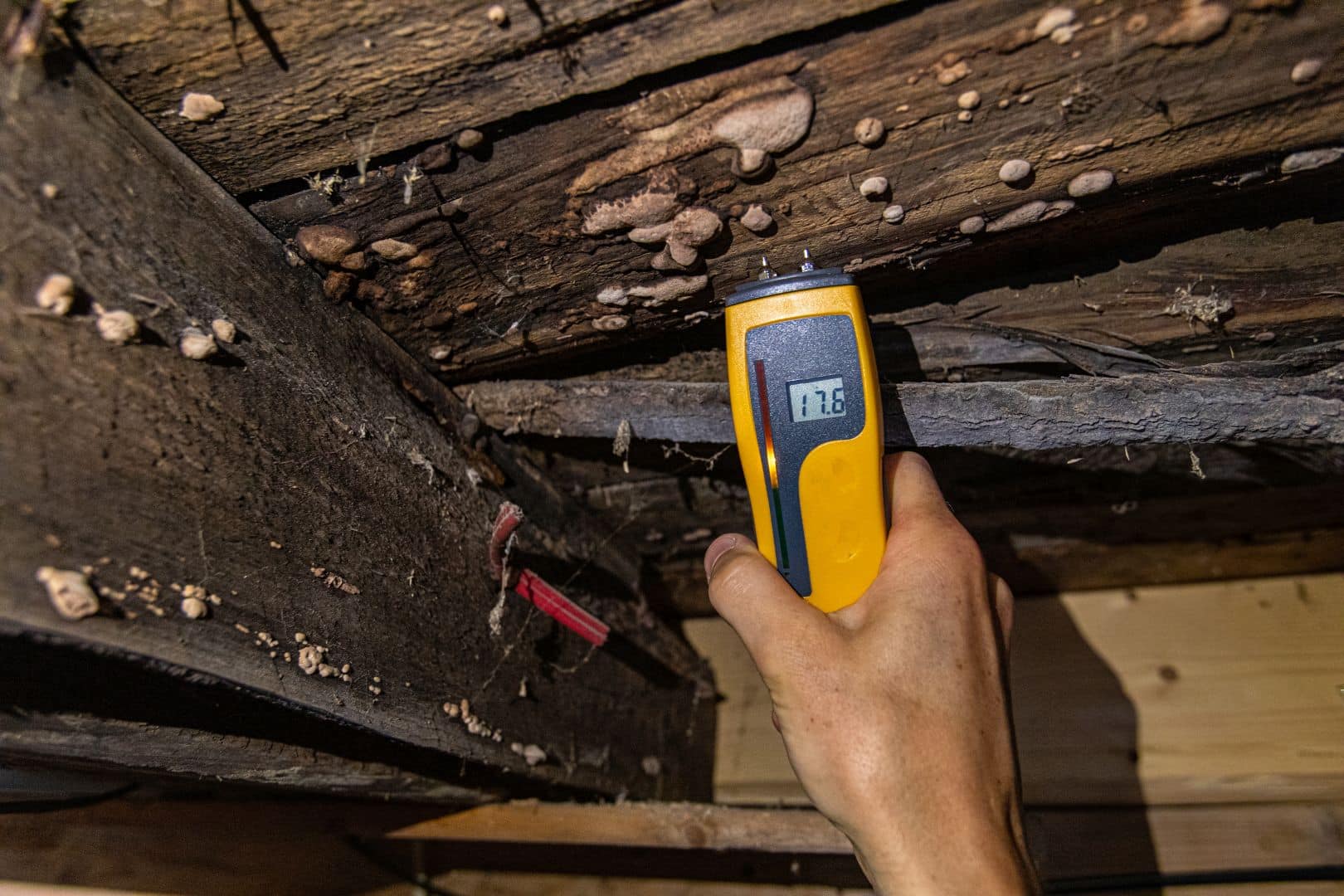
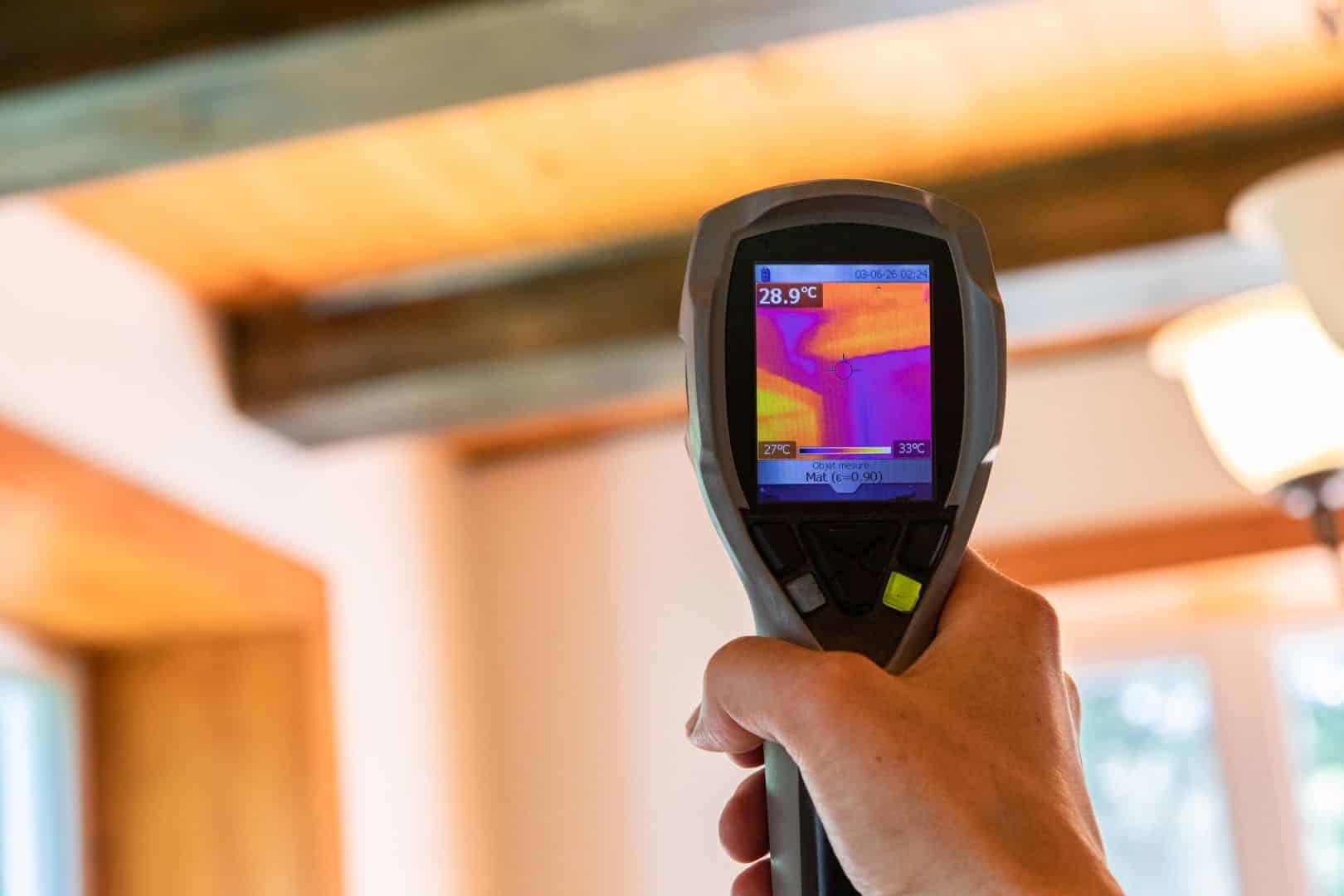
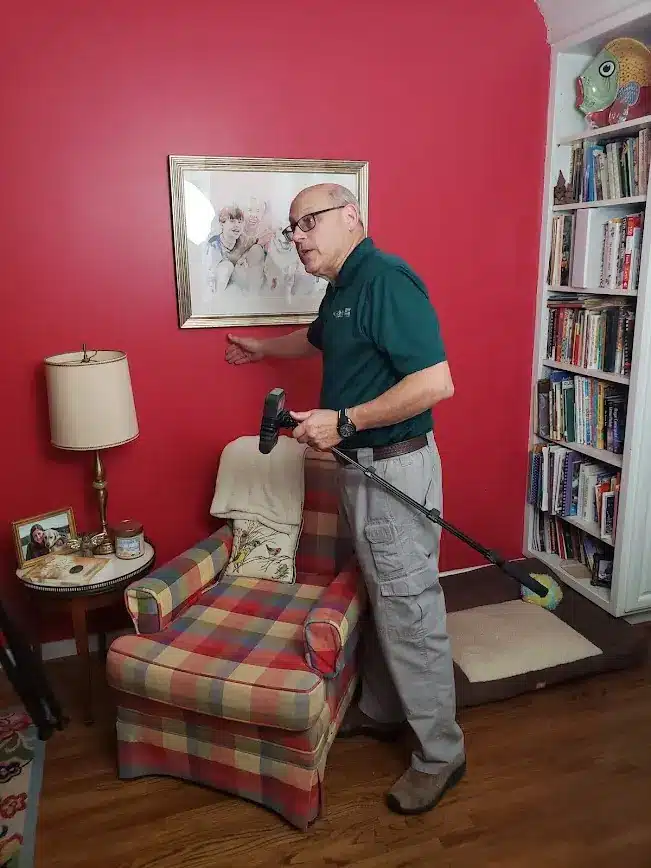
Professional mold remediation services offer expertise and specialized equipment to tackle extensive mold issues. These services commence with a thorough mold inspection to determine the scope and plan the proper course of action.
Professionals may utilize advanced tools and cleaning solutions that are not always available in retail, ensuring effectiveness. They also prioritize home safety and health by following industry standards and practices.
DIY vs Professional Solutions
Homeowners often face the choice between tackling mold issues themselves or hiring experts. Understanding when to opt for each can save time and resources.
- Understanding the scope of the problem: Severe or widespread mold should always be handled by professionals.
- Tools needed for DIY removal: Masks, gloves, and mold-specific cleaning products are essential for small-scale infestations.
- When to call professionals: If health concerns arise or the problem persists despite DIY efforts, it’s wise to consult a mold remediation expert.
Balancing professional and DIY solutions ensures efficient and cost-effective ways to handle mold contamination.
Creating a Mold-Resistant Home
A mold-resistant home begins with preventive action. Homeowners should implement a seasonal maintenance checklist that actively manages moisture and maintains structural integrity. Thorough inspections and regular home maintenance can prevent mold spores from settling.
Consider improvements such as waterproofing basements and using mold-resistant paints in vulnerable areas to build a strong defense against mold growth.
Health Benefits of Mold Prevention
The health advantages of preventing mold extend beyond immediate safety. By maintaining a mold-free environment, families can avoid the complications associated with allergies and respiratory issues.
Additionally, preventive efforts help preserve indoor air quality, contributing to better family health protection and comfort. Consistently taking protective measures can significantly reduce health risks and improve overall well-being.
Tips for Maintaining Indoor Air Quality
Maintaining excellent indoor air quality is pivotal in preventing mold. Here are some tips to improve air quality:
- Regularly change HVAC filters to remove air pollutants.
- Install a whole-house dehumidifier to regulate humidity levels.
- Ensure proper ventilation by opening windows when weather permits.
- Use natural houseplants known for their air-purifying properties.
Incorporating these strategies enhances not only air quality but also shields your family from potential mold-related health threats.
Hidden Health Costs of Mold Exposure
Neglecting mold in the home can lead to unforeseen financial burdens. The hidden costs often associated with mold exposure extend far beyond health care.
- Healthcare expenses: Frequent doctor visits and treatments for mold-related illnesses can add up quickly.
- Cost of remediation: Hiring professionals to handle a severe infestation involves significant resources.
- Loss of property value: Persistent mold issues can devalue a home significantly.
- Long-term medical conditions: Chronic exposure may lead to ongoing health problems requiring costly treatments.
- Insurance claims issues: Mold damage is often not covered, creating additional financial stress.
- Potential relocation expenses: In severe cases, families may need to temporarily relocate.
- Impact on work productivity: Health issues can reduce family members’ ability to work effectively.
- Psychological effects on families: Living in an environment affected by mold can increase stress and anxiety, impacting mental health.
Protecting Your Investment
By investing in mold prevention and home upkeep, families can protect their financial resources. Regular maintenance not only mitigates health risks but also preserves property value.
Moreover, understanding potential insurance scenarios and having adequate coverage can alleviate worries and ensure peace of mind if issues arise.
Understanding Insurance Coverage
Insurance coverage for mold damage can vary greatly. Homeowners should review their policies and discuss coverage with their insurers to ascertain what situations are covered.
Consider supplementing standard policies with additional coverage if needed, especially in high-risk areas. Proactively understanding your coverage can prevent complications and aid in efficient resource allocation when mold issues arise.
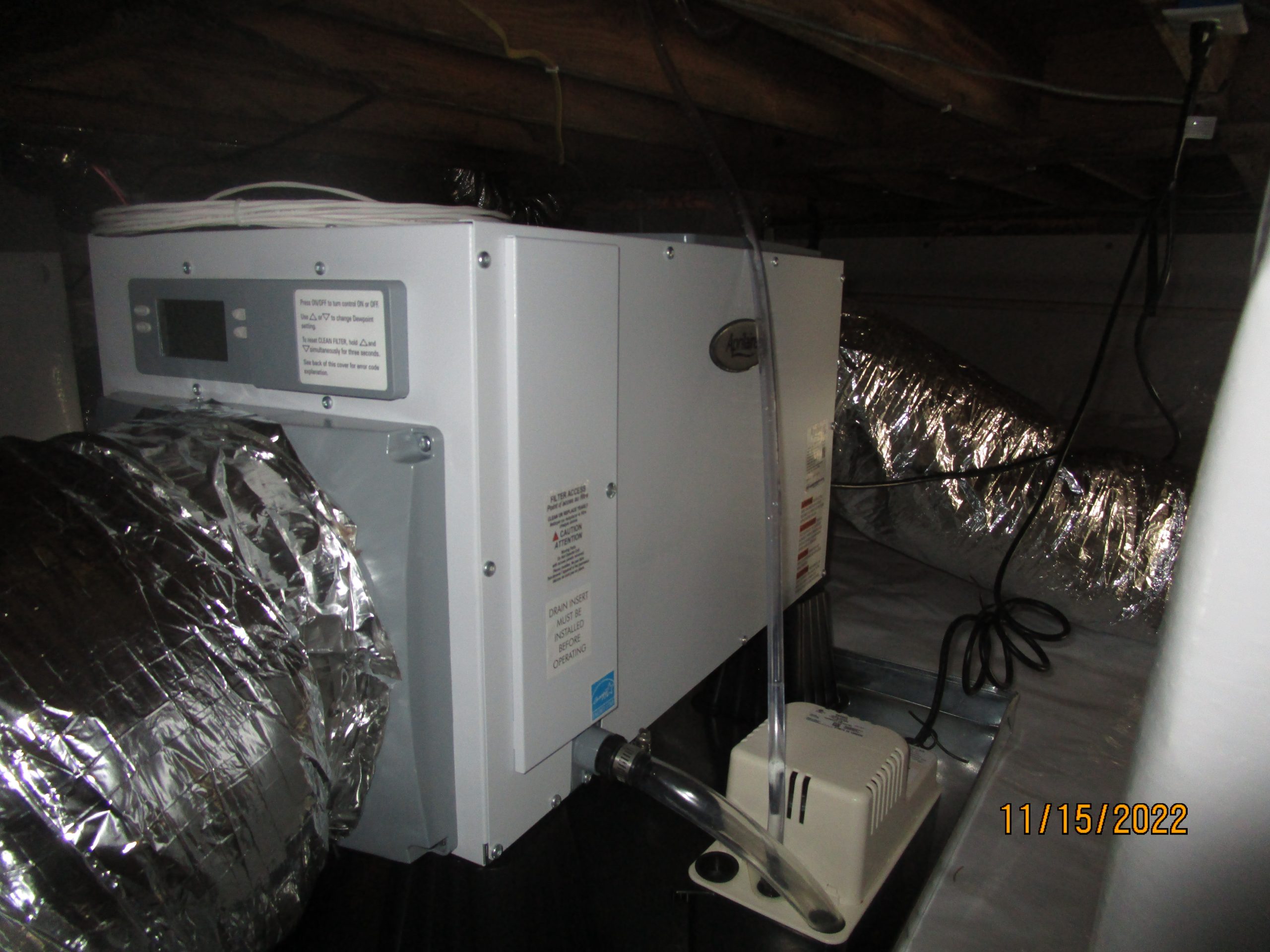
Advanced dehumidification system installed in a crawlspace for encapsulation and moisture control, improving air quality in Birmingham, AL.
Next Steps to Take
Proactive measures are crucial in addressing mold concerns effectively. Begin by assessing current risks and explore necessary solutions for your home. Implementing these strategies greatly reduces mold’s impact on family health.
Regular monitoring and timely interventions ensure continued safety and health within the home environment.
Available Resources for Homeowners
Numerous resources are available to assist homeowners in managing mold concerns. Local experts can provide valuable advice and professional services tailored to your needs.
Consider community programs or online platforms that offer guidance, enhancing your understanding and approach to mold prevention.
Contact Information for Local Services
If mold issues persist, it’s essential to reach out to professionals. Find reliable service providers in your area who specialize in mold solutions.
Engaging experts equipped with the experience and tools necessary can ensure comprehensive and effective mold management, safeguarding family health and home integrity.
Protecting Family Health from Mold FAQ
Mold exposure can lead to respiratory issues, allergies, and skin irritation. Prolonged exposure may also result in asthma exacerbation and other long-term health problems, especially in sensitive populations like children and the elderly.
Prevent mold by maintaining low humidity levels, ensuring proper ventilation, and regularly inspecting for leaks or moisture. Use mold-resistant materials in vulnerable areas and ensure thorough cleaning to prevent growth.
If you suspect mold, inspect affected areas for visible signs and musty odors. Consider hiring a professional for accurate assessment and remediation guidance. Prompt action is essential to minimize health and structural risks.
Yes, several eco-friendly options are effective, including vinegar or baking soda solutions. However, for large infestations, it is advisable to consult professionals who can implement safe and efficient mold removal techniques.