Introduction to the Hidden Health Costs of Ignoring Mold
Mold is more than just an unsightly blemish on walls. It’s a silent and often dangerous intruder that can lead to significant health issues, particularly affecting brain health. Ignoring mold problems can result in hidden health costs that are both financial and medical.
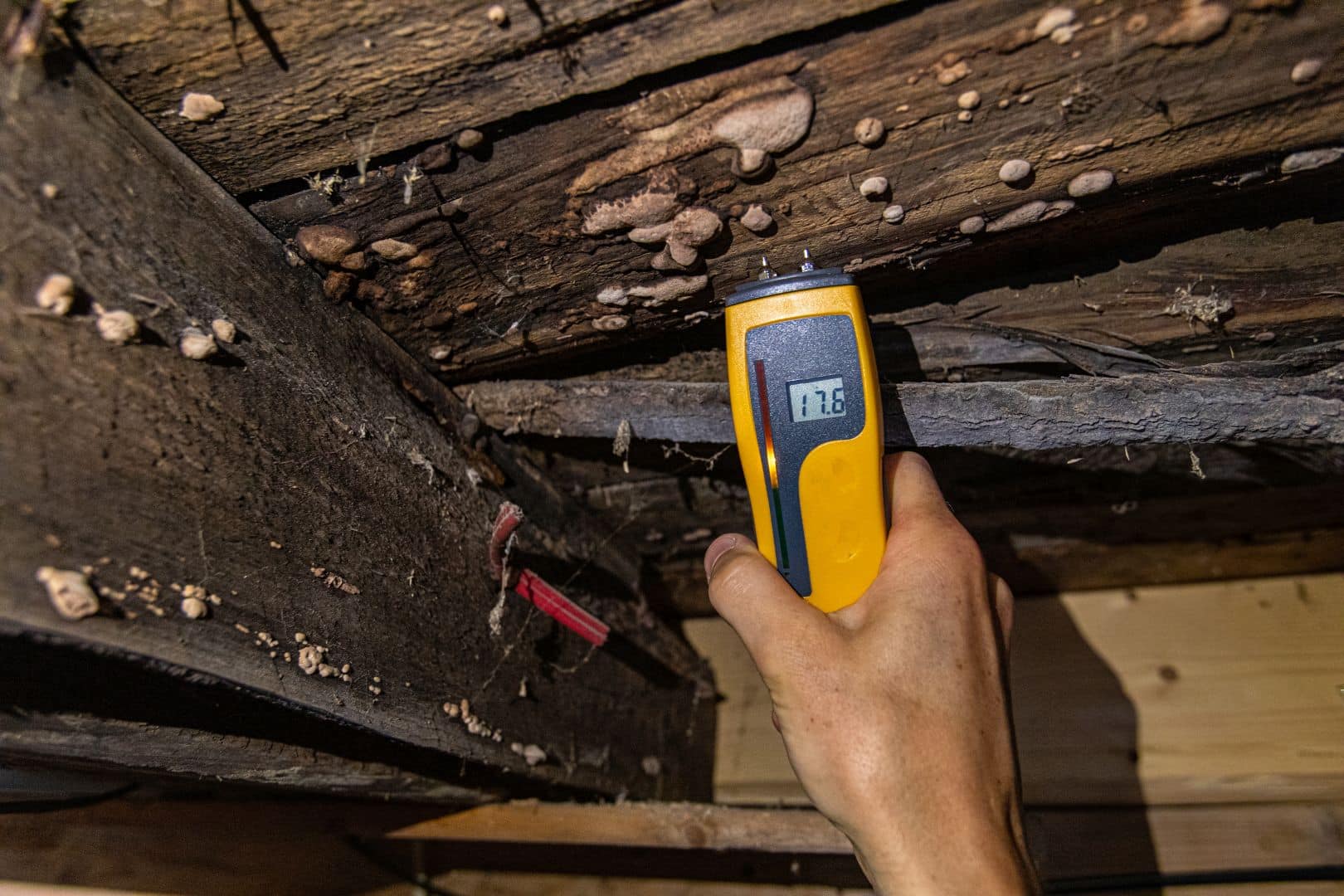
Understanding mold is crucial in recognizing the risks it poses. Mold is a type of fungus that thrives in damp, humid environments and spreads through airborne spores.
When it comes to examining why mold matters, it’s essential to consider its impact on indoor air quality as well as the variety of health risks it presents.
Health risks of mold exposure include respiratory issues and more severe implications for neurological health, potentially leading to persistent symptoms like memory problems and neurological health risks. To learn more, explore crawlspace mold health costs and how mold exposure contributes to brain fog.

An elderly woman smiling warmly, representing customer satisfaction with certified mold removal services in Alabama.
Exploring Neurological Symptoms of Mold Exposure
The symptoms of mold exposure can be deceptive and are often attributed to other causes, making it essential to recognize the associated neurological symptoms. Symptoms include headaches, dizziness, and cognitive difficulties, which can significantly impact daily life.
Understanding Neurological Symptoms
Neurological symptoms caused by mold exposure can manifest as continual headaches, chronic fatigue, and difficulty concentrating or memory loss.
These symptoms can exacerbate over time, leading to more severe conditions. Awareness and early detection are crucial to preventing long-term damage. Familiarize yourself with neurological symptoms caused by mold exposure and see how mold exposure symptoms can mimic other health conditions.
To protect your health, consider regular inspections by certified mold inspectors.
Chronic Health Complications from Mold Exposure
Ignoring mold can lead to chronic health problems that affect quality of life and incur significant healthcare costs. Awareness and timely action are key to avoiding enduring consequences.
Chronic Conditions
The long-term health costs of mold exposure can include a multitude of issues such as respiratory problems and neurological impairments. Here are some chronic conditions associated with mold:
- Respiratory issues: Mold spores can trigger asthma attacks and exacerbate lung diseases.
- Neurological impairments: These include confusion and irritability, affecting mental clarity.
- Memory problems: Difficulty retaining new information, affecting daily tasks.
- Cognitive decline: Loss of cognitive functions gradually affecting quality of life.
Addressing these issues through preventive measures like routine checks can save on future medical costs. Protecting family health is crucial, no matter the season, as outlined in family health protection plans and seasonal maintenance tips.
Expensive Medical Complications from Untreated Mold
Mold can cause severe complications, necessitating expensive medical treatments. The financial impact of these complications can be a heavy burden.
Cost implications of untreated mold extend beyond remediation itself. They include increased healthcare costs due to frequent doctor visits and prescription medications. Understanding the mold remediation process can prevent prolonged exposure, saving money in the long run.
Medical Treatments Needed
Treatment for mold-related health issues can involve emergency room visits and specialist consultations, which are costly.
Prolonging mold exposure without seeking remediation services often results in escalated healthcare needs. Early involvement with mold remediation processes or finding mold remediation companies nearby can limit these expenses significantly.
The Impact of Mold on Indoor Air Quality
Poor air quality from mold is a significant contributor to health problems. Testing and enhancing indoor air quality can prevent these issues and lead to a healthier living environment.
Quality of Indoor Air
Mold presence in your home diminishes air quality, potentially escalating respiratory and other health issues. Regular monitoring and improvements are essential to maintain safe environments.
Testing for mold is a preventive measure that can indicate whether your home environment needs interventions.
Engage in indoor air quality checks and learn about testing for mold in your environment.
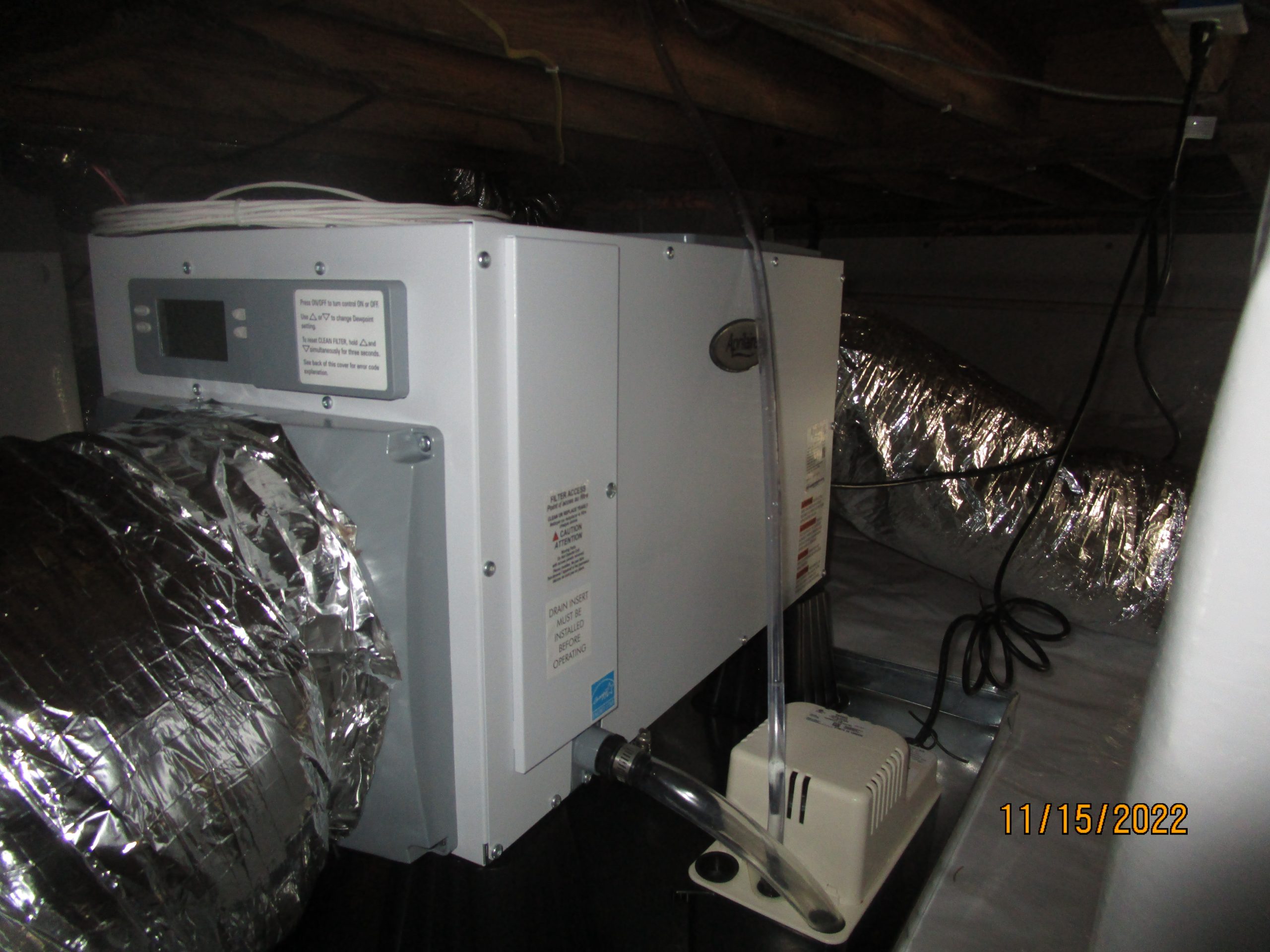
Advanced dehumidification system installed in a crawlspace for encapsulation and moisture control, improving air quality in Birmingham, AL.
Tips and Strategies for Mold Prevention
Combatting mold requires both immediate action and long-term strategies to ensure that health risks are minimized. Here are effective strategies for mold remediation and prevention.
Effective Remediation Strategies
Remediation involves identification and elimination of mold, often best handled by professionals who can assess the damage and suggest treatments.
Preventive Tips
Preventive measures can substantially reduce or eliminate the occurrence of mold. Consider these actions:
- Regular inspections: Scheduled checks by professionals keep issues at bay.
- Moisture control: Maintaining low humidity prevents favorable mold conditions.
- Dehumidification: Using dehumidifiers to reduce moisture.
- Proper ventilation: Air circulation reduces mold growth opportunities.
- Using mold-resistant products: Infuse mold-inhibiting solutions into building materials to ward off growth.
Explore further with professionals offering interior basement waterproofing and crawl space solutions to reinforce mold prevention methods.
Summarizing the Health and Financial Impacts of Mold
Mold can have lasting impacts if not addressed promptly. The costs—both health and financial—underscore the importance of testing and professional remediation.
Final Thoughts
To avoid the hidden health costs of ignoring mold, strategic actions must be prioritized:
- Awareness is crucial: Understanding and addressing mold risks is key to prevention.
- Invest in mold testing: Early detection through testing helps mitigate risks.
- Prioritize health and safety: Acting on mold issues promptly safeguards personal and family well-being.
- Seek professional help: Engage experts to handle extensive mold issues.
- Long-term benefits of remediation: Committing to remediation results in healthier living spaces.
- Avoid delays in treatment: Delaying action can worsen health outcomes.
- Protect your family: Ensure safety from mold-related health risks.
- Stay informed about mold risks: Being knowledgeable on mold issues helps in decision-making.
Let experienced experts provide solutions like mold remediation services and crawl space encapsulation to protect your living space from mold threats.
Hidden Health Costs of Ignoring Mold FAQ
The hidden health costs of mold include both direct and indirect financial and medical expenses. Untreated mold can lead to expensive health treatments due to respiratory and neurological issues, which require continuous medical attention and resources.
Mold exposure impacts brain health by causing neurological symptoms such as memory loss, concentration difficulties, and overall cognitive decline. These symptoms can affect daily life and may require medical intervention if not addressed early.
Signs of mold exposure include respiratory problems, skin irritation, persistent headaches, and cognitive issues like memory problems and brain fog. Recognizing these signs early can prevent long-term health complications.
Mold remediation costs vary based on the extent of the infestation and the area affected. Professional evaluation is necessary to determine the most effective action plan, which can range from basic cleaning to extensive structural repairs.