Introduction to Mold Challenges in High-Humidity Climates
Understanding Mold Issues
Mold is a common problem in areas with high humidity, thriving in environments where moisture is prevalent. Homeowners often find themselves searching for mold remediation companies near me to address this persistent issue. Recognizing signs of mold early can prevent extensive damage and health concerns.
High humidity leads to increased mold spores in the air, which can easily settle and grow on various surfaces. This is particularly true for homes lacking proper ventilation. In such environments, routine inspections and seeking a mold inspection near me can be crucial preventative measures.
Importance of Remediation
The importance of mold remediation cannot be overstated. Mold growth not only damages property but also poses significant health risks to inhabitants. Allergic reactions, respiratory issues, and in severe cases, long-term health complications can result from prolonged exposure.
Engaging a mold specialist near me ensures that the problem is addressed professionally. Specialists provide effective solutions tailored to your home’s specific needs, a process outlined in detail on our mold remediation process page.
Immediate attention to mold problems can mitigate further damage and potential health risks. Understanding and taking action on early warning signs is imperative for homeowners in humid areas.
How Humidity Affects Mold Growth
Humidity is a key factor in mold proliferation. Mold spores thrive in environments with 60% or higher relative humidity. This moisture level provides an ideal setting for mold growth, hence the necessity for robust humidity control measures.
Without proper control, mold can colonize rapidly, especially on organic materials such as wood, paper, and certain types of insulation. Homeowners are advised to monitor indoor humidity levels consistently to prevent such conditions.
For those in high-humidity climates, regular assessments by local mold remediation experts can help maintain a healthy home environment and prevent costly repairs.
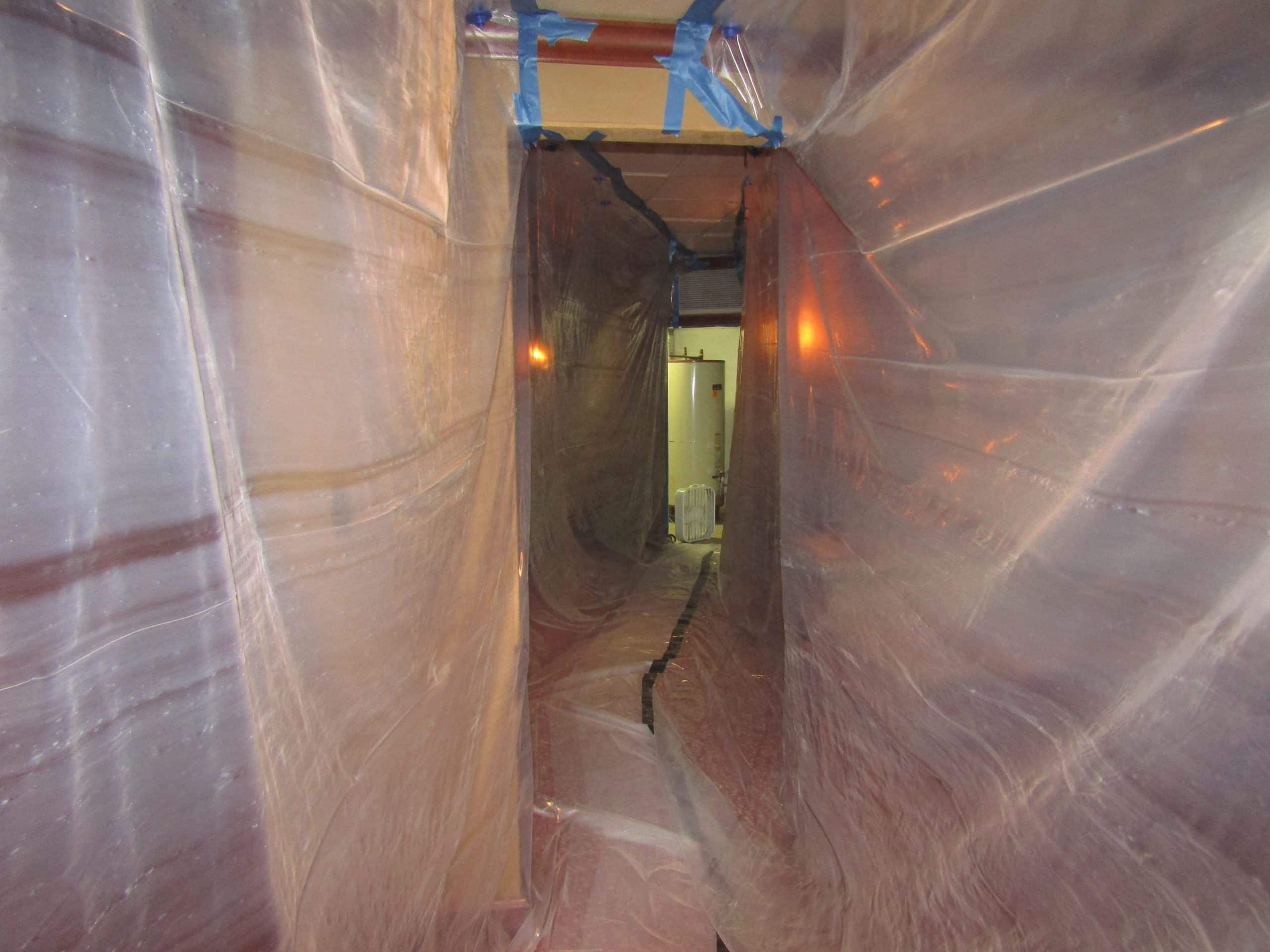
Hallway containment setup for mold remediation by Mold and Mildew Solutions in Alabama, ensuring effective mold removal and air quality improvement.
Major Types of Mold in High-Humidity Environments
Types of Mold
Common molds found in high-humidity climates include Cladosporium, Penicillium, and Aspergillus. Each type has unique properties and precautions needed for removal. Understanding these variations aids in effective treatment and prevention strategies.
Homeowners frequently encounter varying mold types depending on indoor conditions. Engaging certified services can identify these molds effectively and recommend appropriate containment setup measures.
Health Risks Associated with Mold
Exposure to mold spores can trigger a range of health issues, from minor allergic reactions to severe respiratory problems. Symptoms may include sneezing, skin rashes, and headaches, among others. Visit our mold exposure symptoms page for more details.
It’s crucial to recognize these health implications early. Seeking emergency mold removal if symptoms persist is vital for family health protection.
Signs of Mold Presence
Visible mold, musty odors, and water stains are clear signs of mold presence. Changes in air quality or unexplained health symptoms are also indicative of mold issues.
Proactive mold inspections can uncover hidden mold problems not seen or smelled. In suspected cases, consider contacting a mold specialist near me for thorough checks.
Prevention Strategies
Effective mold prevention involves controlling moisture and ensuring adequate ventilation. Regular home maintenance and timely repairs of leaks can significantly reduce occurrences. Check out our page on water damage repair to learn more about safeguarding your home from mold.
Implementing comprehensive prevention plans can help ensure a mold-free home.
The Mold Remediation Process
Initial Inspection
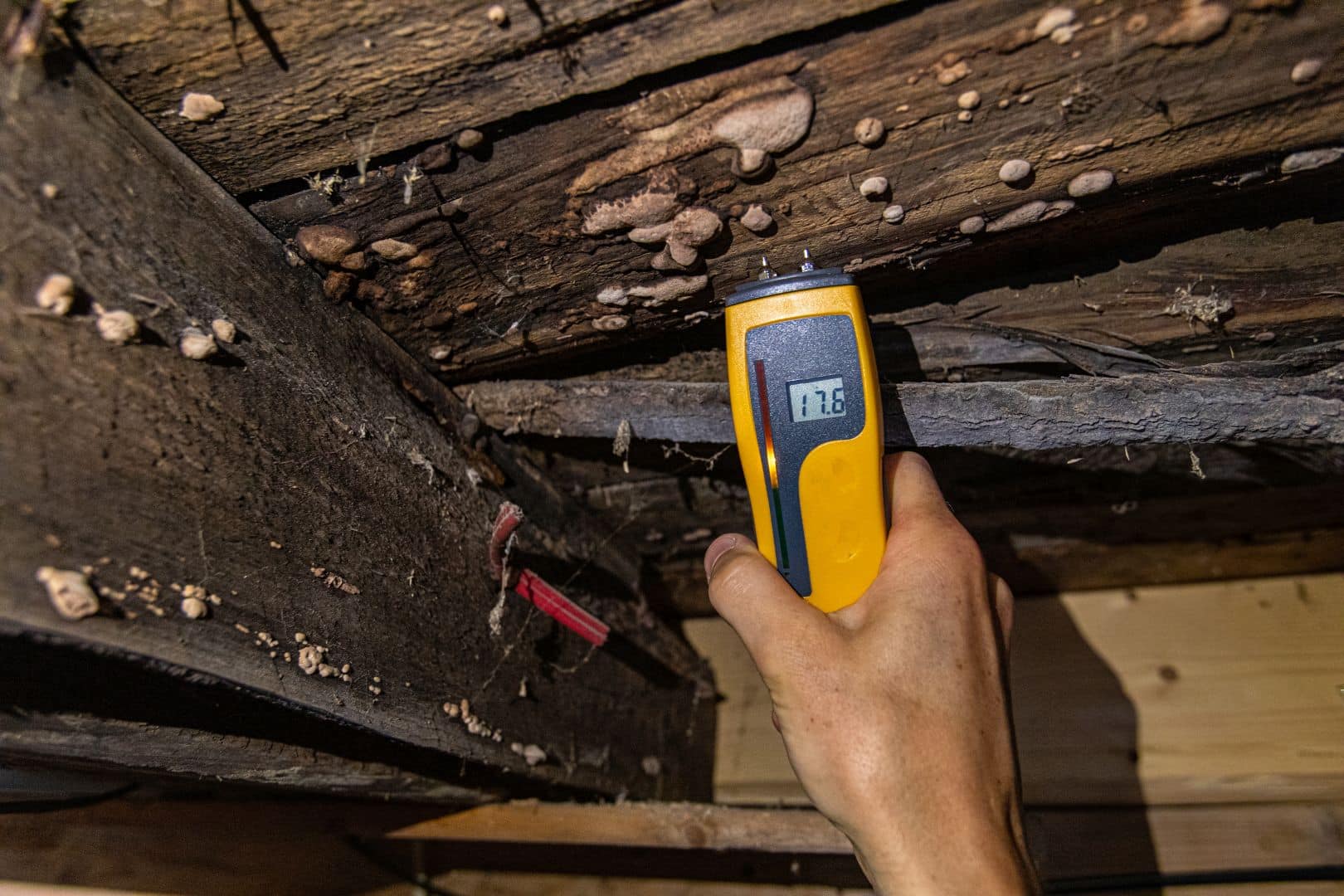
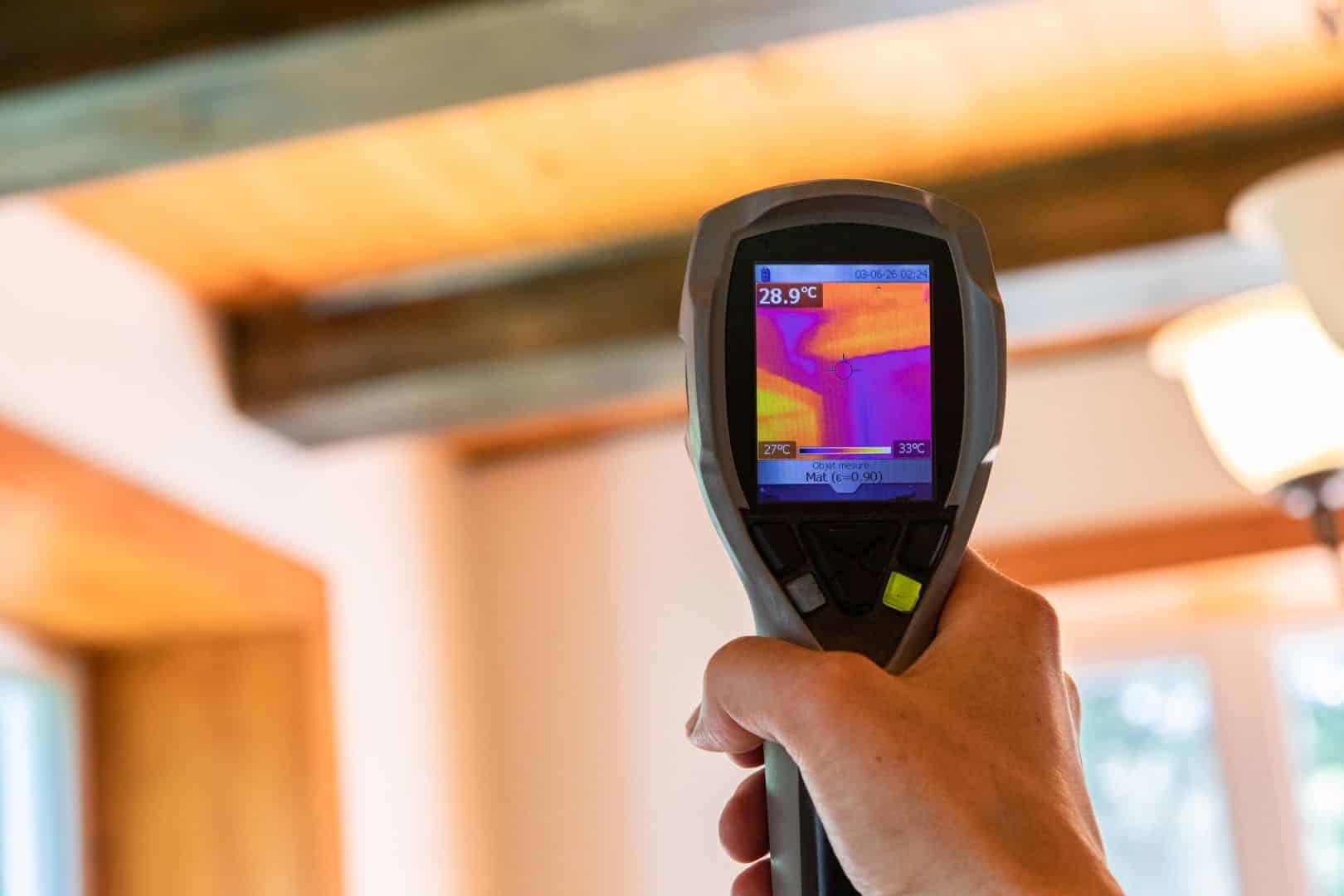
The mold remediation process begins with a thorough inspection. Professionals assess the extent of mold growth and affected areas. This step is crucial for determining the right approach to remediation.
Inspectors use advanced tools to detect hidden mold and moisture levels. This initial phase sets the stage for effective remediation and prevention measures.
Containment
Containment is a vital part of the mold remediation process. It involves isolating the contaminated area to prevent spores from spreading. Technicians employ physical barriers and negative air pressure techniques during this phase.
Ensuring containment is essential in protecting unaffected areas of the home and maintaining indoor air quality. Proper containment setup is a hallmark of professional remediation services.
Mold Removal
After containment, the mold removal process begins. Technicians use specialized cleaning agents and equipment to remove mold colonies. This step involves cleaning affected materials or removing items when necessary.
Safety precautions are paramount during removal. Every measure is taken to protect both the property and occupants from potential hazards.
Post-Remediation Verification
Following removal, post-remediation verification ensures thoroughness and effectiveness. It includes several steps:
- Visual inspection: Checking the area to ensure all visible mold is removed.
- Air quality testing: Measuring spore levels to confirm safety.
- Documentation of results: Providing detailed reports of the process and findings.
- Preventive measures evaluation: Assessing implemented solutions to prevent future mold growth.
This phase is critical as it confirms that the remediation was successful and offers peace of mind to homeowners.
Choosing the Right Mold Remediation Company
Credentials to Look For
When selecting a mold remediation company, verifying credentials is essential. Look for certifications from reputable organizations that indicate professional training.
Companies with proper licensing and insurance provide assurance of their capabilities and accountability in delivering high-quality service.
Local Experience
Local expertise is invaluable, especially in handling humidity challenges common in certain areas. A company with regional know-how will understand the specific environmental factors contributing to mold growth.
Engaging a company familiar with local regulations also ensures compliance with standards, providing a more streamlined process.
Customer Reviews and Feedback
Reading customer reviews can provide insights into a company’s service quality and reliability. Feedback from previous clients about their experiences can be a determining factor in selection.
Ensure to prioritize companies with positive ratings and review patterns. This step can ultimately influence the effectiveness of remediation and protect family health.
Prevention Measures for Mold Growth
Best Practices for Humidity Control
Managing humidity is crucial in preventing mold growth. Homeowners can take several practical steps:
- Use dehumidifiers: Effective in maintaining optimal indoor humidity levels.
- Ensure proper ventilation: Especially in high-moisture areas like bathrooms and kitchens.
- Regularly check for leaks: Early detection and repair prevent moisture accumulation.
- Maintain a clean and dry environment: Reduces potential areas for mold spores to settle.
- Monitor indoor humidity levels: Keeping them below 50% can curb mold growth.
- Act quickly at the first sign of mold: Timely intervention can prevent widespread issues.
Implementing these strategies can dramatically reduce the risk of mold development.
Seasonal Maintenance Tips
Regular seasonal maintenance is vital. This includes checking gutters, sealing windows, and conducting roof inspections to prevent leaks.
By incorporating seasonal maintenance, homeowners can effectively mitigate risks associated with weather changes.
Educational Resources
Staying informed about mold prevention is beneficial. Homeowners can access various educational resources to learn more about effective mold management strategies.
Utilize trustworthy sources and local community workshops to gain comprehensive knowledge. Visit our foundation protection page for additional insights.
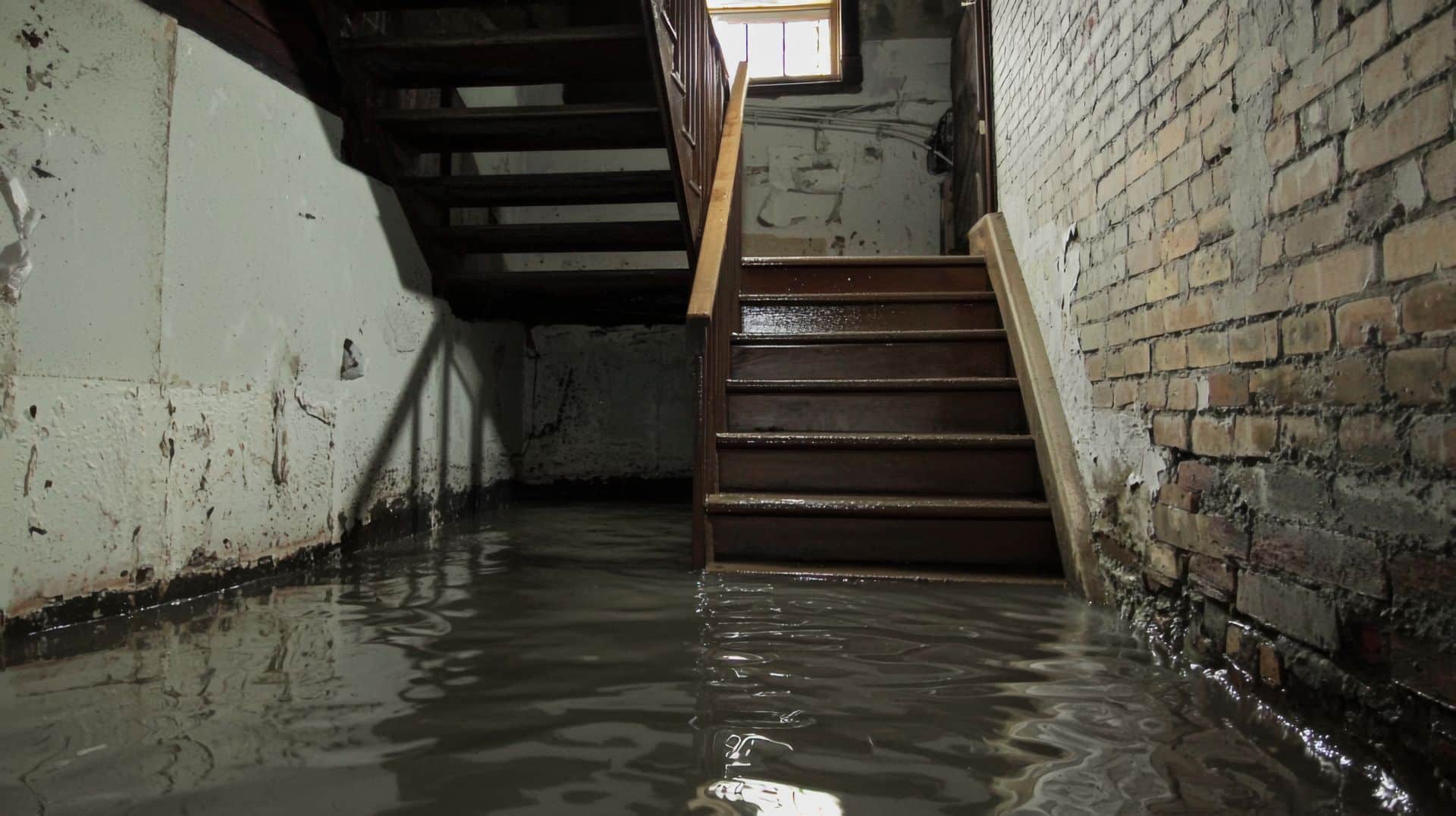
A basement in Birmingham, AL, shows significant water damage with flooding, highlighting the need for expert mold inspection and restoration services.
Case Studies: Successful Mold Management
Success Stories
Homeowners tackling mold issues in humid climates have seen remarkably positive outcomes when taking action early and engaging professionals. These success stories highlight the importance of effective remediation strategies.
Local moisture control initiatives have significantly contributed to these success rates, showcasing the impact of community-driven efforts. These experiences offer valuable lessons for others experiencing similar challenges.
Lessons Learned
Common themes from successful cases include the critical role of early detection and intervention. Homeowners have emphasized the value of regular inspections and maintenance in preventing recurrent mold issues.
Engaging professional help at the right time can also save significant costs and health concerns in the long term. These lessons highlight the importance of proactive measures and professional guidance.
Expert Insights
Engaging with industry experts sheds light on common pitfalls and successful strategies:
- Common pitfalls in remediation: Failure to address underlying humidity issues is a frequent oversight.
- Long-term monitoring strategies: Regular air quality checks can help maintain a mold-free environment.
- Future prevention techniques: Innovative solutions like smart sensors for moisture detection offer new avenues for prevention.
- The importance of professional help: Certified professionals bring expertise that DIY methods often lack.
- Community resources and support: Local groups provide support and share the latest in mold management practices.
Being informed and prepared can make all the difference in successful mold management.
Common signs include musty odors, visible mold growth, and health symptoms such as allergies and respiratory issues. Visual inspections and monitoring air quality can help identify signs early. High humidity is a leading cause of mold growth. Mold thrives in moist environments, making it crucial to manage indoor humidity levels, ideally keeping them below 50% to prevent growth. The process includes initial inspection, containment of affected areas, mold removal, and post-remediation verification to ensure thorough treatment and prevention of future issues. Preventive measures include using dehumidifiers, ensuring proper ventilation, and quickly addressing any water leaks. Regular maintenance and humidity monitoring are also key to prevention. Professional help should be sought when mold growth is extensive, recurring, or when health symptoms arise. Professionals provide thorough treatment, minimizing health risks and property damage. While small patches can be treated with household cleaners, extensive mold issues require professional remediation to ensure complete removal and prevent regrowth.Mold Challenges in High-Humidity Climates FAQ