Understanding Interior Basement Waterproofing
Interior basement waterproofing is a critical process that prevents water from penetrating your basement, thereby averting potential water damage and mold growth. This method focuses on managing water from the inside of your home and is essential for maintaining a healthy living environment. By employing interior waterproofing systems, homeowners can protect their properties from costly repairs and health hazards associated with mold and mildew.
Implementing effective interior waterproofing solutions can significantly increase your home’s value. It ensures a dry and functional space that can be utilized for various purposes, including storage or even basement finishing. With the right waterproofing strategy, you not only secure your investment but also enhance your quality of life.
Ignoring the need for waterproofing can lead to severe consequences, such as structural damage and health issues like mold exposure brain fog. Thus, interior basement waterproofing is not just about preventing issues; it’s about ensuring peace of mind for you and your family.
Why It Matters
The importance of interior basement waterproofing cannot be overstated. Water intrusion is a common problem that affects countless homes, leading to pervasive moisture issues that can undermine the structure of your home. Without addressing these issues promptly, you risk encountering severe structural damage that can compromise the safety and integrity of your home.
Interior waterproofing systems are designed to address these challenges by controlling water ingress and redirecting it away from your foundation. This proactive approach not only safeguards your property but also keeps unwanted humidity and moisture at bay. Additionally, preventing basement flooding with interior systems is vital for preserving both property and health standards.
For many homeowners, opting for professional waterproofing solutions is a wise investment that offers long-term protection. By effectively tackling water intrusion, you also minimize the risk of developing mold-related health problems and costly repairs.
Common Signs of Water Damage
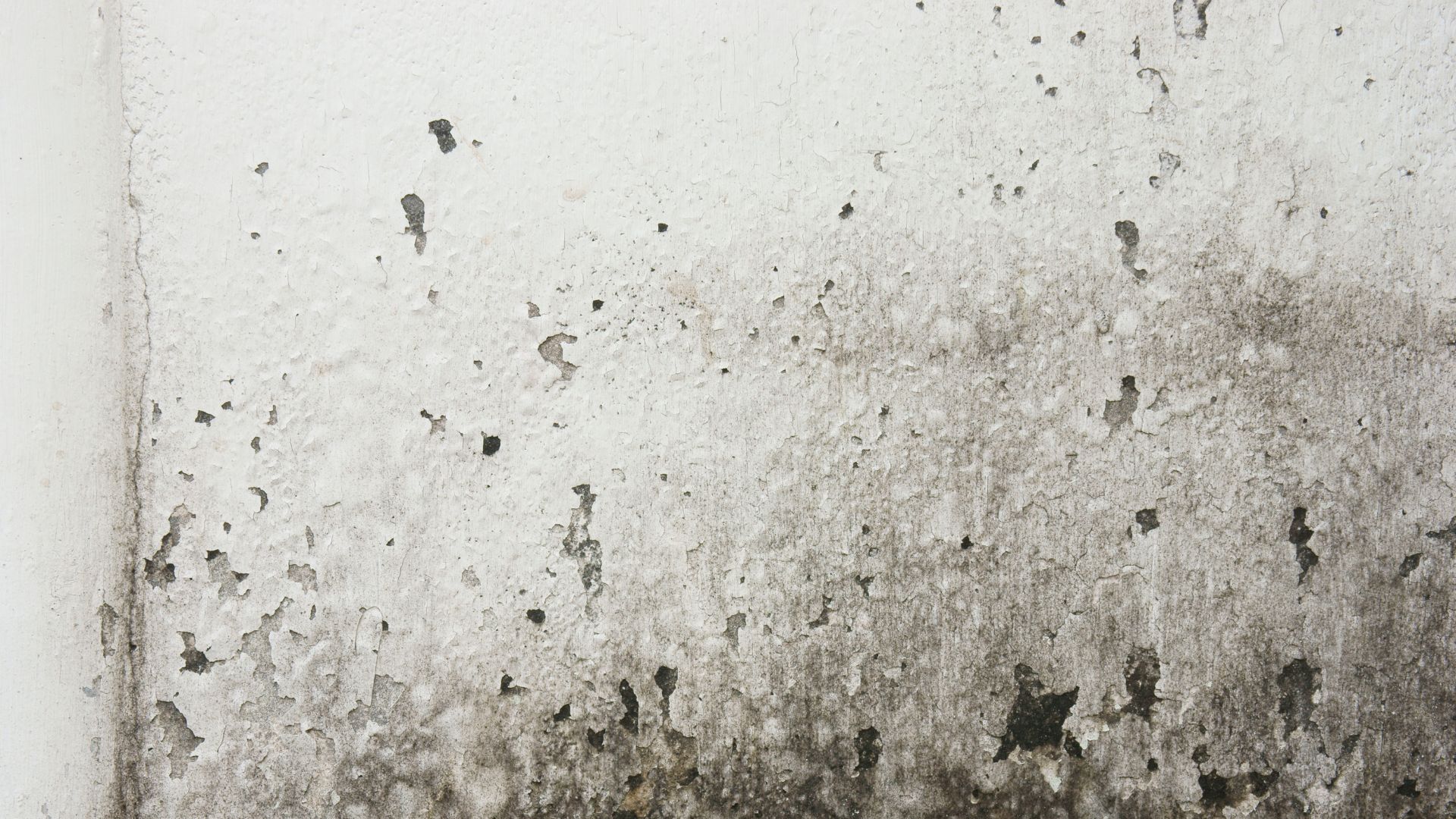
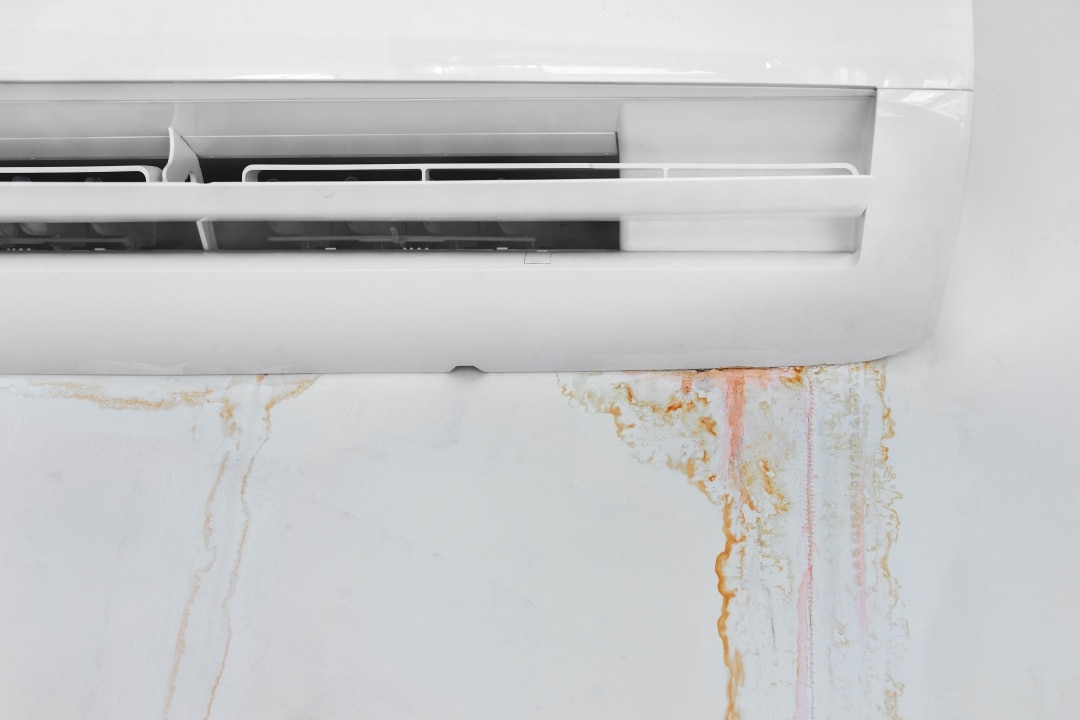
Recognizing the signs of water damage early on is crucial to taking timely action. Homeowners should be vigilant for indicators such as damp walls, peeling paint, or musty odors that often signal underlying moisture issues. Water stains on the walls or floors and a general increase in basement humidity can also suggest the presence of water intrusion, necessitating immediate attention.
The development of cracks in the walls or floor is another red flag, indicating potential structural issues that require careful investigation. If left unchecked, these problems could escalate into significant concerns that impact your home’s structural integrity and value.
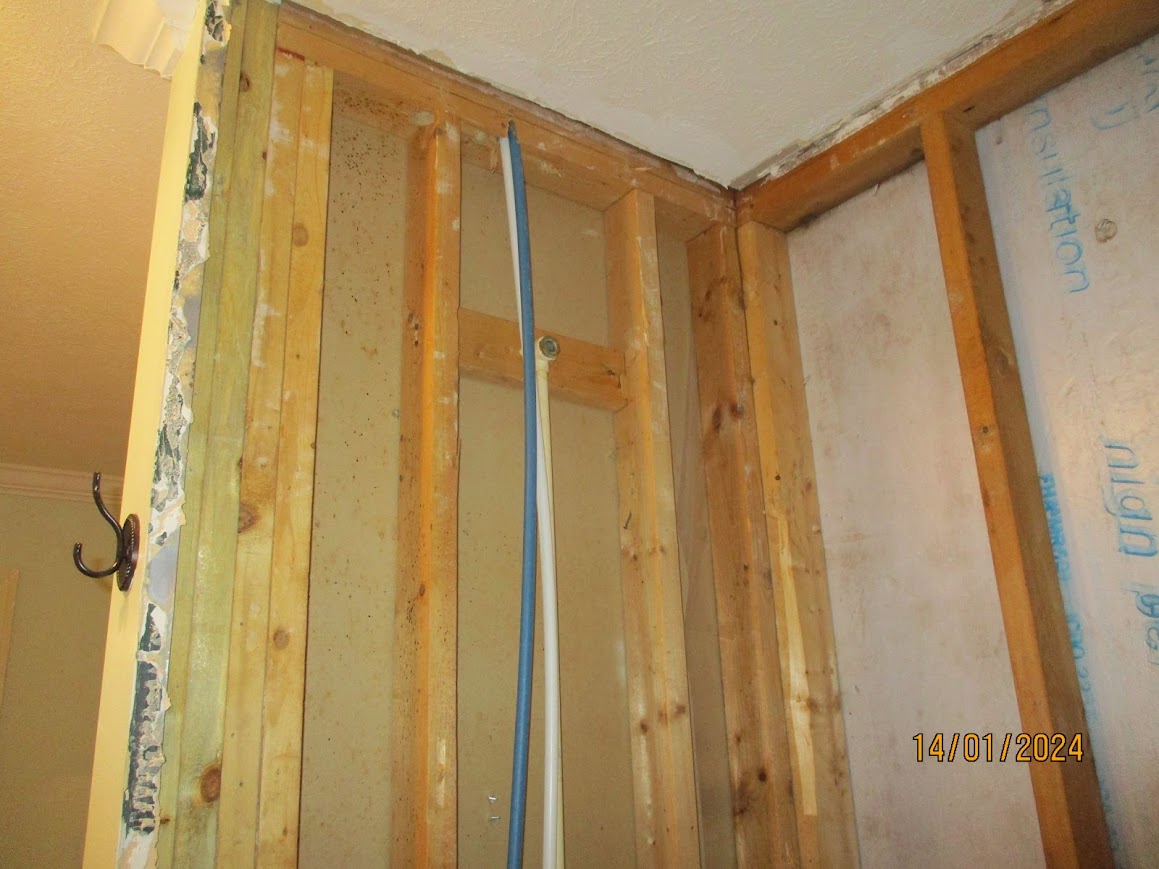
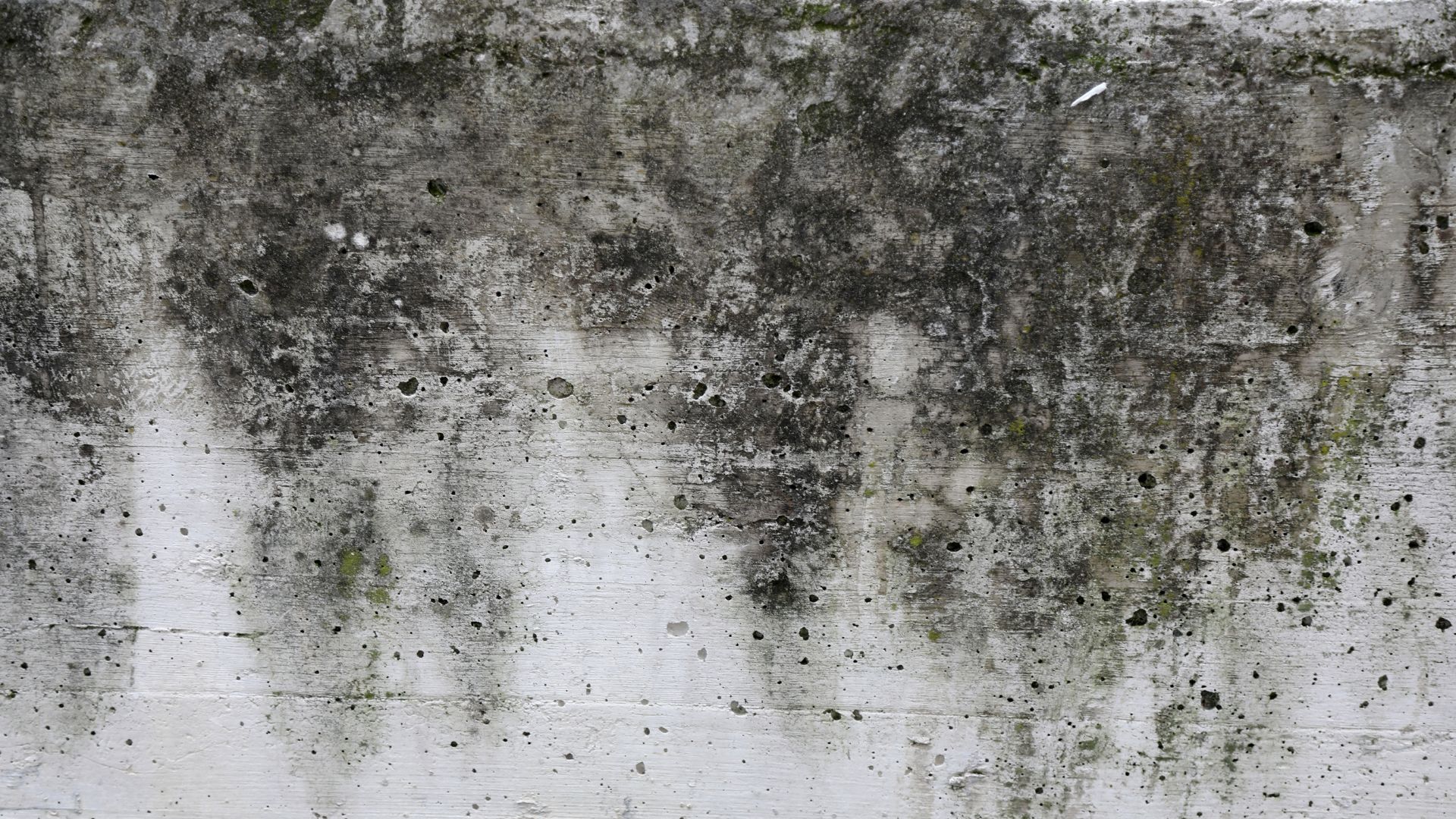
Lastly, the presence of mold is a clear sign that your basement is retaining moisture and needs proper waterproofing. Mold growth can lead to health issues and should always be addressed promptly to protect your household’s well-being and your home’s structural health.
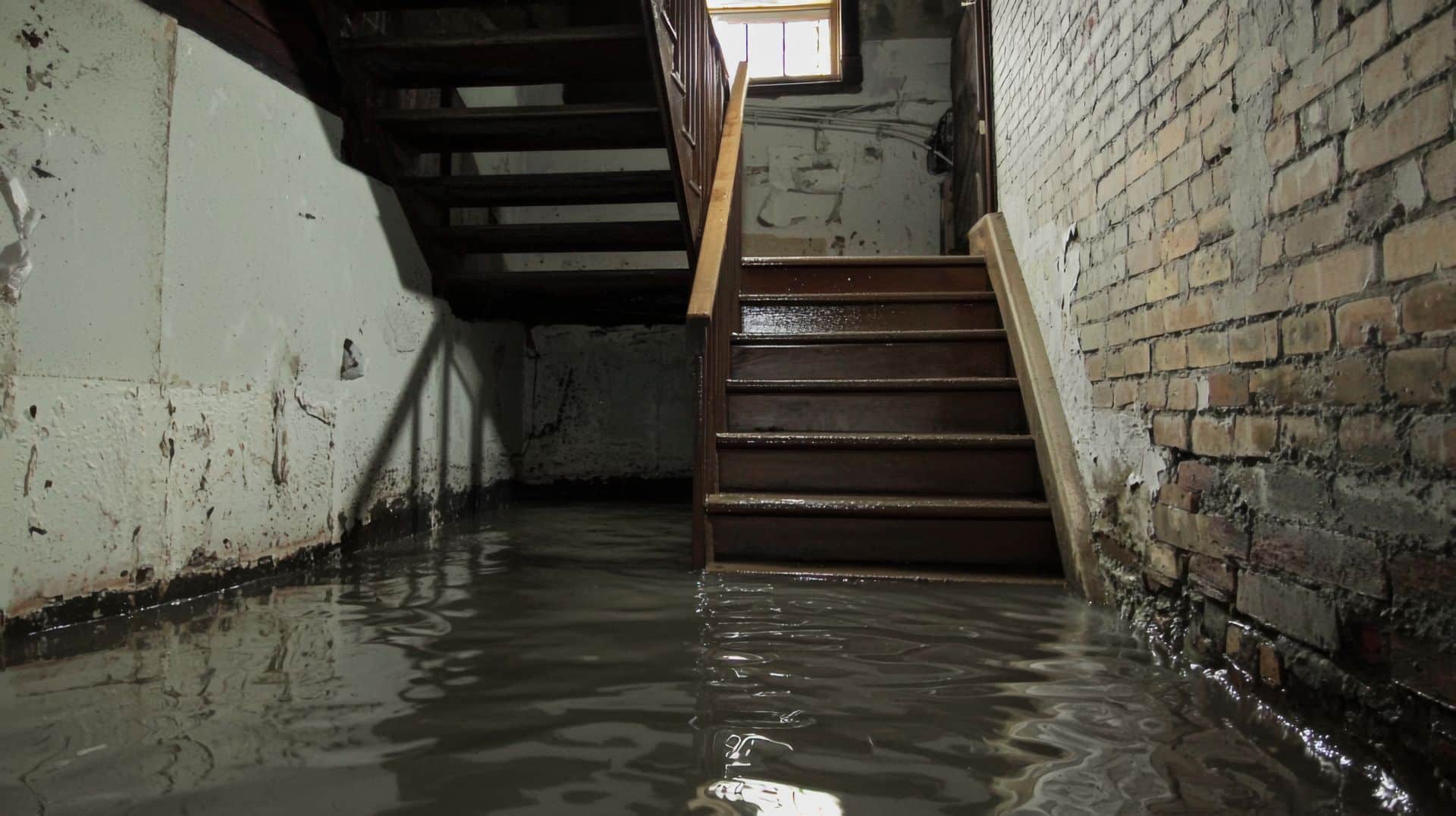
A basement in Birmingham, AL, shows significant water damage with flooding, highlighting the need for expert mold inspection and restoration services.
Exterior Waterproofing Techniques
Exterior waterproofing involves applying waterproofing layers on the outer walls of your home. This method effectively prevents water from penetrating the foundation and entering the basement. It’s particularly useful in situations where external conditions cause persistent water intrusion.
The advantages of exterior waterproofing include protecting the structural integrity of the building by keeping the foundation dry. However, it requires excavation and can be more costly compared to interior methods. It’s advisable in areas with poor drainage or heavy rainfall.
Interior Waterproofing Options
Interior waterproofing systems focus on managing water ingress by redirecting it away from the basement. These solutions typically involve the installation of sump pumps, French drains, and drainage channels along the basement’s perimeter walls.
This method is less intrusive than exterior systems, as it doesn’t require significant excavation work. It’s ideal for homes with minor water issues or those seeking a cost-effective solution to manage water intrusion.
Crawl space solutions and foundation protection can also complement interior waterproofing by further enhancing your home’s defense against water damage.
Waterproofing Materials
Using the right materials ensures a successful waterproofing process. Here are several common materials implemented in interior waterproofing:
- Sealants: Sealants are applied to cracks and seams to prevent water seepage.
- Cementitious waterproofing: This involves applying a cement-based protective coat to basement walls to block water ingress.
- Membranes: Membranes are applied to surfaces to form a water barrier.
- Drainage systems: Installed to redirect water away from the foundation, preventing flooding.
- Sump pumps: These pumps remove water that accumulates in a sump basin, effectively preventing water damage.
- Waterproof paints: They provide a moisture-resistant finish to walls and floors.
- Dehumidifiers: These reduce air humidity, preventing mold and mildew.
- Vapor barriers: Installed to block moisture from entering living spaces.
Each of these materials plays a specific role in bolstering your home’s defenses against water intrusion, contributing to a more resilient and dry basement.
Assessing Your Situation
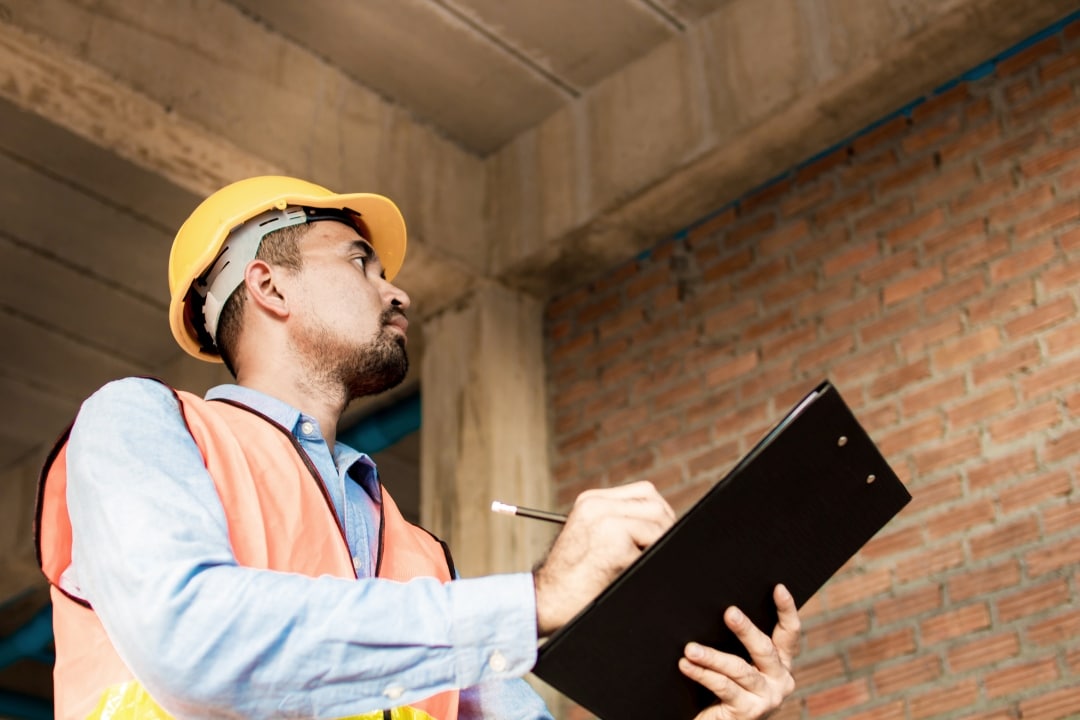
Determining the need for professional or DIY waterproofing begins with assessing the extent of water intrusion in your basement. Conduct a thorough inspection to identify signs of water damage, such as stains, dampness, or foul odors. Pay special attention to locations prone to moisture accumulation.
Consider factors such as the local climate, your home’s age, and its proximity to water sources. These elements can influence the likelihood of water intrusion and the necessity for robust waterproofing solutions.
Once you assess the situation, you’ll be better equipped to decide whether to engage professional services for more comprehensive solutions or opt for DIY methods that might suffice for minor issues.
DIY vs. Professional Services
When considering interior basement waterproofing, you have the option to tackle the project yourself or hire professional services. DIY methods may involve purchasing sealants, waterproof paint, or installing simple drainage systems. These can be economical solutions for small-scale water issues.
However, professional services offer several advantages, including access to advanced equipment and expertise in dealing with complex or persistent water challenges. A professional touch can ensure thorough water management and potentially more cost-effective solutions in the long run.
If you’re dealing with significant water intrusion, it’s advisable to consult with experts who can assess the situation comprehensively and provide tailored solutions. Crawl space encapsulation can be an additional measure recommended by professionals.
Key Considerations for Your Home
A range of factors can influence the decision to go DIY or hire professionals. First and foremost, the cost and time investment should be weighed. DIY solutions may initially seem cost-effective but can become burdensome if the underlying issues aren’t fully addressed.
The complexity of the problem plays a significant role. Minor leaks or surface moisture might be manageable on your own, whereas major issues affecting hidden health costs or structural integrity require professional attention.
Finally, consider your expertise and available time. DIY methods can be time-consuming and may require technical knowledge. Professional services, on the other hand, provide confidence and peace of mind, ensuring thorough resolutions with practical, long-term benefits.
Regular Maintenance
Maintaining a waterproof basement requires ongoing attention and care. Regular inspections form the cornerstone of effective maintenance. Homeowners should routinely check for any new signs of moisture or water damage, particularly during and after severe weather conditions.
Another essential practice is to ensure all waterproofing systems, such as moisture control systems and sump pumps, are functioning correctly. Routine checks will prevent surprise malfunctions and costly repairs, keeping your basement dry and protected.
Additionally, keeping the basement clean and clutter-free can help identify issues promptly, allowing for quick interventions and minimizing the risk of escalation.
Preventative Measures
Adopting proactive preventive measures is key to protecting your basement from water damage. These strategies not only prolong the life of your waterproofing solutions but also ensure a dry and healthy basement environment.
- Inspect gutters and downspouts regularly: Ensure they’re free from debris and functioning correctly to direct water away from your foundation.
- Maintain proper landscaping grading: Ensure the ground slopes away from your home to prevent water pooling around the foundation.
- Check for cracks and repairs as needed: Address any foundation cracks promptly to prevent water ingress.
- Inspect and maintain sump pumps: Conduct regular tests and maintenance checks to ensure they’re working effectively.
- Consider a dehumidifier: Use it to maintain ideal humidity levels, minimizing mold growth.
- Monitor humidity levels: Keep an eye on indoor humidity and adjust accordingly to prevent mold and mildew.
Long-term Planning
To maintain a dry and safe basement over the long term, it’s essential to establish a comprehensive maintenance and inspection plan. This should include regular assessments of both interior and exterior systems, allowing you to preempt potential issues.
Planning for seasonal maintenance activities also becomes crucial, such as cleaning gutters in the fall and ensuring sump pumps are ready for spring rains. These actions prevent potential backups and flooding.
Finally, staying informed about new technology and techniques in basement waterproofing can provide additional layers of protection for your home. Consider attending community events or workshops focused on home maintenance tips and innovations.
Health Risks of Water Damage
Poor waterproofing can lead to serious health risks by promoting environments conducive to mold growth, which is known to cause respiratory problems and allergic reactions. Mold spores can disperse throughout the home, affecting the air quality and posing a risk, particularly to young children and the elderly.
Additionally, prolonged exposure to mold can cause more severe health issues, including chronic respiratory conditions and even certain neurological symptoms, highlighting the need for urgent family health protection.
The importance of maintaining effective waterproofing systems becomes evident when considering these potential health repercussions. Taking proactive steps to ensure a dry basement is an investment in your family’s well-being.
Structural Integrity
Water damage can significantly affect the structural integrity of your home. Persistent water intrusion can lead to erosion of building materials and destabilization of your foundation, causing extensive and costly repairs.
Issues such as wall and floor cracking are telltale signs of foundational distress. Without proper intervention, these can compromise the stability of your entire home, emphasizing the importance of keeping your waterproofing systems in top shape.
Engaging with professional mold remediation companies reinforces structural safety by ensuring all water-related issues are comprehensively addressed, leaving no room for long-term damage.
Real-life Impact Examples
Numerous real-life examples demonstrate the impact of inadequate waterproofing on both health and structural integrity. Some homeowners have faced hefty repair bills due to water damage that could have been avoided with proper waterproofing solutions.
Water intrusion can lead to compromised structural features, such as sagging floors and bowed walls. These are not just costly to fix but pose significant safety concerns for occupants.
Furthermore, health consequences due to mold-related issues can also lead to substantial medical expenses and a decrease in life quality, underlining the importance of maintaining effective waterproofing practices.
Researching Contractors
Selecting the right professional waterproofing contractor is vital to ensure effective and durable solutions. Start by researching potential contractors online and examining their reviews and reputation within your locality. This initial step provides insight into their reliability and quality of service.
Consider asking for recommendations from friends or family who have recently undertaken waterproofing projects. Personal experiences offer valuable insights that can guide your decision-making process.
Additionally, verifying a contractor’s certifications and licenses is crucial for ensuring they meet industry standards and are equipped to handle waterproofing challenges effectively and safely.
Questions to Ask
When engaging with potential contractors, asking the right questions can make a significant difference in the outcome of your project. Begin by inquiring about their previous experience with similar issues to yours, which ensures they have the relevant expertise.
Ask for a detailed breakdown of their proposed solutions and expected timelines. Understanding the scope of work helps prevent misunderstandings and aligns expectations.
Finally, discuss post-service maintenance requirements and guarantees. Clear communication on these aspects assures you of ongoing support and reliability, should any concerns arise post-installation.
Red Flags to Watch For
Identifying red flags early on can help avoid subpar services and potential scams. Here are several cautionary signs to be aware of:
- Lack of references: Inability to provide verifiable references is a major red flag.
- No licenses or insurance: Ensure the contractor holds valid licenses and insurance to operate legally and safely.
- Pressure tactics: Avoid contractors who pressure you into hurried decisions without ample time to consider options.
- Inadequate communication: Consistently poor responses or lack of clear communication can denote unreliability.
- Vague service descriptions: Request detailed descriptions of services to understand what you’re paying for.
- High upfront costs: Be cautious of requests for full payment before the work is completed satisfactorily.
- No written contracts: Insist on a formal contract that outlines all the terms and conditions before work commences.
These measures are designed to protect your investment and ensure the contractor chosen meets your specific needs and expectations adequately.
Final Thoughts
Ensuring your basement is effectively waterproofed is an ongoing commitment that plays a crucial role in maintaining both the safety and the integrity of your home. Implementing comprehensive waterproofing solutions helps protect against water damage, mold growth, and the structural degradation of your property.
As seen throughout this guide, interior basement waterproofing covers a range of strategies and materials, each designed to tackle specific issues. By investing time and resources into these preventive measures, you secure a dry and healthy environment for your family.
Moreover, taking action against basement mold in Birmingham is vital for maintaining a healthy indoor atmosphere, ultimately enhancing your quality of life.
Long-term Commitment
Maintaining effective waterproofing is inextricably linked to regular inspections and maintenance activities. This diligence not only prevents future issues but also ensures existing solutions continue to function optimally.
- Regular inspections and maintenance: Keep tabs on the effectiveness of current measures to anticipate and address issues promptly.
- Understanding seasonal risks: Be aware of how weather changes impact your waterproofing needs, adjusting tactics accordingly.
- Educating family members about signs of issues: Inform household members about what to watch for, fostering a collaborative approach to home safety.
- Keeping records of maintenance: Document all maintenance activities for reference in future inspections and interventions.
- Evaluating changes in environment: Stay informed about potential environmental changes that could affect your home’s waterproofing needs.
- Community resources for support: Engage local resources and networks for advice and shared experiences in waterproofing challenges.
- Staying informed about local regulations: Ensure compliance with any local building codes and regulations affecting waterproofing work.
With these strategies, you ensure a proactive and comprehensive approach to basement waterproofing, guaranteeing a secure, mold-free living space for the long term.
Common signs include persistent musty odors, visible water stains on walls or floors, and mold growth. You might also notice increased humidity levels, peeling paint, and the presence of efflorescence, which all suggest that waterproofing solutions might be necessary. The duration of the waterproofing process can vary depending on the extent of the problem and the methods used. Generally, a professional waterproofing treatment can take anywhere from a few days to a week for completion, particularly if extensive groundwork is involved. Insurance coverage for waterproofing varies by policy. Standard homeowners insurance often does not cover water damage caused by poor maintenance, so it’s best to check specific policy details or consult your insurance provider directly. Post-waterproofing maintenance involves regular inspections to check for any new or persisting issues. Keeping gutters and downspouts clean, ensuring that sump pumps function properly, and monitoring interior humidity can all help sustain waterproofing efforts. Yes, minor waterproofing tasks can be undertaken as DIY projects, such as sealing cracks and applying waterproof paints. However, large scale or complex issues often require the expertise and tools that professionals provide. Costs can vary widely based on the size of the area and the chosen waterproofing method. Basic waterproofing solutions might range from a few hundred to a couple of thousand dollars, but comprehensive systems can exceed this amount. Ignoring necessary waterproofing can lead to severe damage, including mold growth, structural deterioration, and a decrease in property value. These issues not only affect the health and safety of inhabitants but also result in more costly repairs in the future.Advanced Basement Waterproofing FAQ