Introduction to Basement Water Management
Importance of Basement Water Management
Basement flooding is not only a nuisance but can also lead to significant structural damage and health hazards. Effective basement water management is crucial in preventing water damage and maintaining a safe and dry home environment. By implementing appropriate moisture control strategies, homeowners can protect their investments and ensure long-term property value.
The integration of robust water management systems is essential in averting costly repairs caused by persistent moisture issues. This approach involves understanding the underlying causes of basement flooding and utilizing strategic prevention mechanisms to address them. The importance of proactive measures cannot be understated, as they reduce the risks associated with water damage and enhance overall home safety.
With the right water management techniques, including moisture control solutions and preventive maintenance, basements can remain free from dampness, mold, and potential structural damage. Implementing these strategies requires an informed plan that takes into account the specific needs and vulnerabilities of your property.
Understanding Basement Flooding
Basement flooding occurs when excess water or moisture accumulates in the lower levels of a building. This problem can arise from various sources, including heavy rainfall, plumbing leaks, and inadequate drainage systems. Understanding the root causes of basement flooding is the first step towards effective management.
Heavy rains and poor drainage systems are common contributors to basement water issues. When gutters and downspouts are clogged or improperly installed, water can seep into the foundation, leading to flooding. Additionally, improper landscaping, which directs water towards the building, can exacerbate these issues, necessitating comprehensive water management strategies.
Another significant factor is the lack of adequate waterproofing measures. Basements that are not sealed properly are more susceptible to water intrusion, especially during severe weather conditions. Recognizing and addressing these weaknesses is critical in maintaining a dry and safe basement environment.
Key Concepts in Water Management
Effective basement water management hinges on a few key concepts, including drainage, waterproofing, and routine maintenance. A comprehensive approach that combines these elements will significantly reduce the risk of basement flooding and water-related damage.
Drainage systems are fundamental in managing water flow and preventing accumulation. This involves ensuring that gutters are clean, downspouts are extended away from the foundation, and grading around the house is directed to channel water away. These practices form the backbone of a robust water management strategy.
Waterproofing, especially interior solutions, plays a vital role in sealing off potential entry points for water. This includes applying sealants to walls and floors, as well as installing sump pumps to control water levels in the event of flooding. Finally, regular maintenance checks to identify potential problem areas early can save substantial repair costs down the line.
Implementing these key concepts in water management not only protects the structural integrity of your home but also enhances the living environment by preventing mold growth and improving overall air quality in the basement.
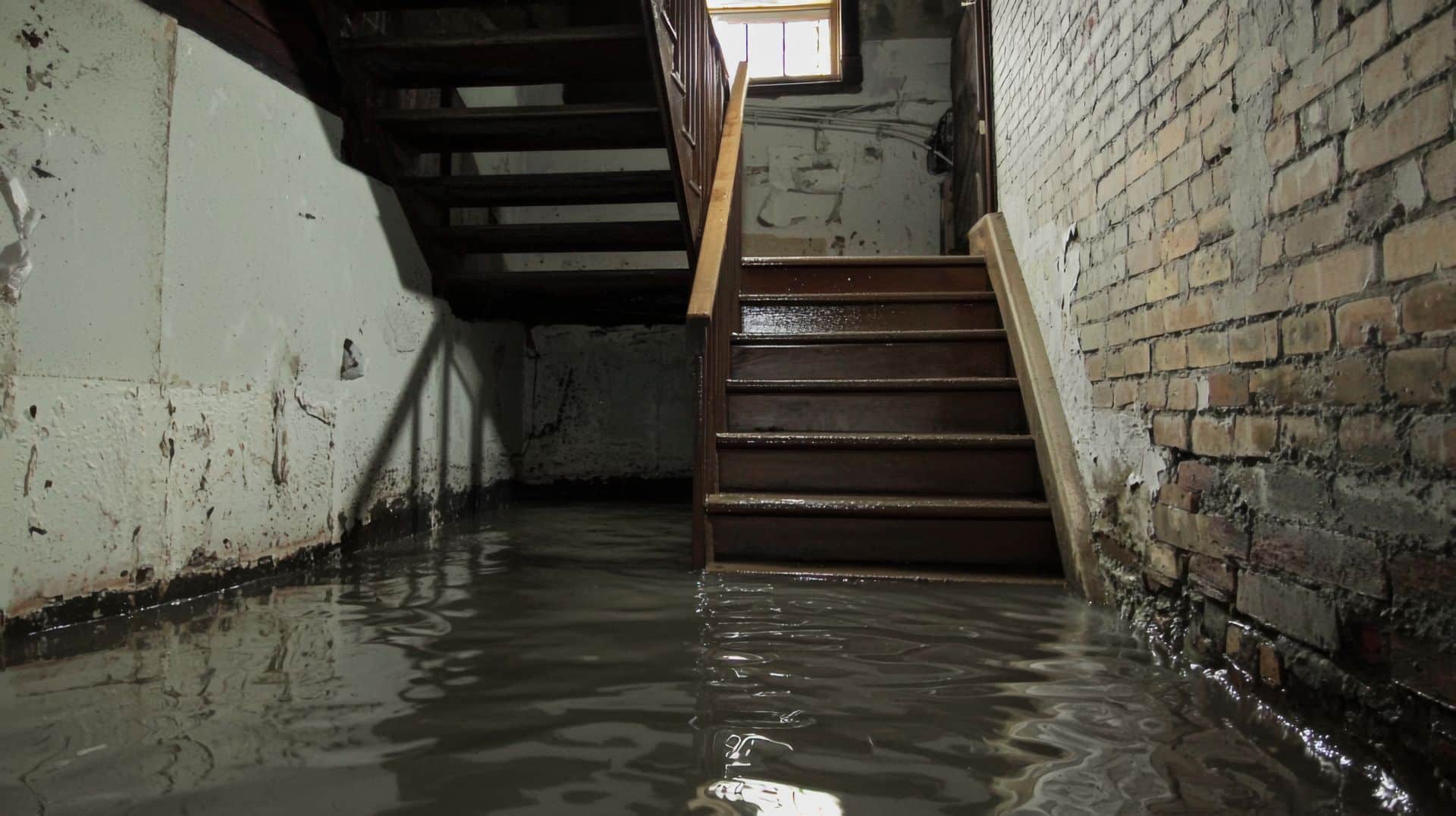
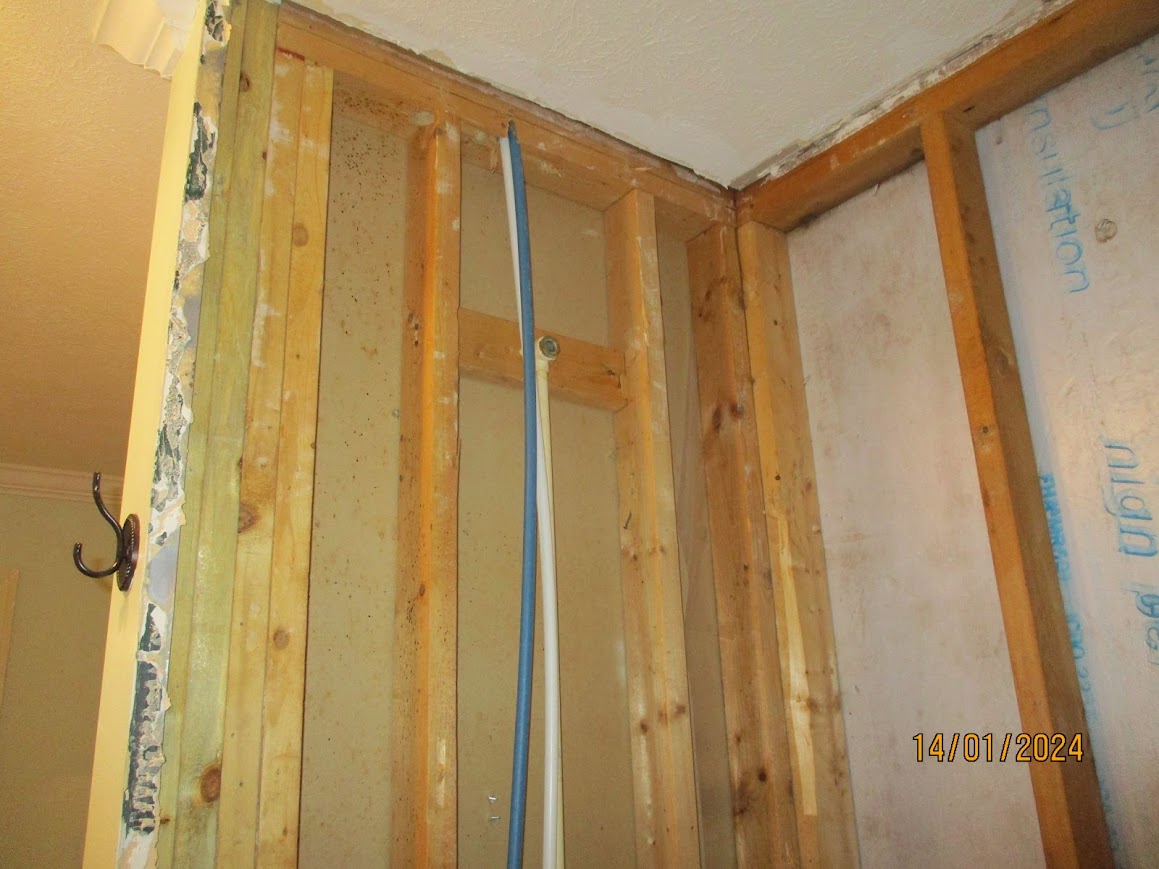
A basement in Birmingham, AL, shows significant water damage with flooding, highlighting the need for expert mold inspection and restoration services.
Exploring Basement Water Management Techniques
Common Solutions for Basement Flooding
Managing basement flooding requires a mix of traditional and innovative solutions. Common techniques include installing basement sump pumps, applying waterproof coatings, and enhancing drainage systems. These methods aim to address immediate flooding issues while preventing future occurrences, thus safeguarding your property from water damage.
Basement sump pumps are efficient devices designed to remove accumulated water quickly. They are typically installed in a sump pit and activated automatically when water levels rise. This mechanism ensures prompt water removal and reduces the risk of basement flooding during heavy rain.
In addition to mechanical solutions, professional mold remediation services can address mold issues resulting from prolonged damp conditions. Employing both proactive and reactive strategies ensures homeowners can manage moisture and flooding effectively.
Key Techniques to Prevent Flooding
The prevention of basement flooding involves adopting several key techniques:
- Install sump pumps for drainage: Sump pumps are essential for quickly removing excess water, reducing the likelihood of flooding.
- Use waterproofing products: Applying waterproof coatings to basement walls and floors creates a barrier that prevents moisture penetration.
- Improve gutter and drainage systems: Ensuring gutters are clear and downspouts extend away from the foundation helps direct water away from your home.
- Regular maintenance checks: Routine inspections of the basement and drainage systems can help spot potential issues before they lead to floods.
- Seal cracks in walls and floors: Identifying and sealing structural cracks can prevent water ingress and subsequent flooding.
Each of these strategies plays a critical role in preventing basement floods and protecting your home from water damage. Combining these methods with regular inspections can significantly decrease the risk of basement issues.
The role of preventive measures, such as routine crawl space encapsulation, cannot be overstated in comprehensive water management plans, helping maintain a dry and safe basement environment.
Waterproofing Solutions for Basements
Types of Waterproofing Solutions
Selecting the right waterproofing solution for your basement is essential in mitigating water damage risks. Solutions vary in methodology and scope, including sealants, membrane systems, and comprehensive drainage installations. Each option offers specific benefits, and understanding their functions helps tailor an effective water management strategy.
Sealants and coatings provide an initial defense by creating a waterproof barrier on surfaces. Such solutions are generally cost-effective and ideal for smaller moisture problems. However, for persistent water issues, more comprehensive methods may be needed.
Membrane systems offer enhanced protection and are often used in conjunction with foundational waterproofing methods. These solutions involve applying a waterproof membrane around the exterior foundation to prevent water penetration effectively.
Drainage systems, such as interior French drains, are key components in controlling water flow. They redirect water away from the basement area, thus reducing pressure on the foundational structure. When integrated into a holistic system, these solutions greatly reduce the risk of flooding.
Comparative Analysis of Methods
Analy zing various waterproofing methods helps determine which solutions best fit your needs. Here is a comparative overview:
- Interior vs. Exterior Waterproofing: Interior methods address symptoms by managing water after it enters, while exterior solutions aim to prevent entry entirely.
- Membrane Systems: These systems offer robust waterproof barriers, effectively preventing water penetration when applied correctly.
- Drainage Systems: Essential in redirecting water, drainage systems manage both internal and external water flow to maintain a dry basement.
- Sealing and Coating Techniques: Providing a waterproof barrier, these techniques are ideal for minor moisture issues but may require supplementation for severe cases.
- Sump Pumps vs. Drainage Systems: While sump pumps tackle accumulating water, drainage systems focus on long-term prevention by redirecting water effectively.
- Advantages and Disadvantages: Each method varies in cost, installation complexity, and effectiveness, demanding a tailored approach based on specific basement conditions.
Understanding these methods and their applicability allows homeowners to implement effective waterproofing solutions, crucial for long-term protection against basement flooding. Regular seasonal maintenance can ensure these systems remain functional.
Maintaining a Water-Free Basement
Regular Maintenance Practices
Effective maintenance practices are vital in preventing basement flooding and ensuring long-term water management success. Regular inspections, combined with timely repairs, fortify your basement against potential water damage, preserving its structure and value.
Checking gutters and downspouts periodically to ensure they are clear and directing water properly is a simple yet essential maintenance task. Regularly cleaning and repositioning extensions can prevent water accumulation near the foundation.
Basement inspections every few months can help identify new cracks or leaks. Early detection allows for immediate repairs, preventing minor issues from escalating into significant problems.
Emergency Response Tips
Despite preventive measures, emergencies can occur. Having a plan in place is crucial for swift and effective response to basement flooding. Familiarity with equipment and procedures can make significant differences in mitigating damage.
If flooding occurs, prioritize safety first. Ensure electricity is turned off in flooded areas to prevent accidents. Once safe, use basement sump pumps to remove standing water as quickly as possible.
Engaging local professionals for mold remediation post-flooding is advisable to address any mold development and ensure effective cleanup against long-term health risks.
Monitoring Systems for Water Management
Incorporating monitoring systems into your water management strategy enhances emergency preparedness. Technologies such as water sensors and early warning alarms provide alerts during high-risk weather conditions or mechanical failures.
These systems provide real-time updates on basement humidity levels, enabling quick response to fluctuating conditions. This proactive approach not only prevents water-related issues but also aids in maintaining optimal indoor air quality.
While routine checks ensure functionality, incorporating seasonal maintenance ensures these technologies remain up-to-date, further enhancing your basement’s resilience to potential flooding challenges.
Health Implications of Basement Issues
Health Risks Associated with Basement Mold
Mold and moisture problems in basements can lead to significant health risks. Understanding these implications helps homeowners recognize symptoms early and take appropriate action to safeguard family health and protect property value.
Respiratory issues, such as chronic cough and wheezing, are common in those exposed to mold. These symptoms can exacerbate existing conditions like asthma, making it imperative to address basement water issues promptly.
Allergic reactions are another prevalent issue, with mold exposure often causing skin irritations and nasal congestion. Prolonged exposure can worsen symptoms, leading to more severe health concerns over time.
- Respiratory issues caused by mold exposure: Mold spores can trigger respiratory problems, especially in individuals with weakened immune systems.
- Allergic reactions and asthma attacks: Mold can exacerbate allergies and cause asthma flare-ups, emphasizing the need for efficient water management.
- Long-term cognitive changes: Chronic mold exposure is linked with negative cognitive effects, including brain fog and memory issues.
- Impact on home air quality: Mold growth affects indoor air quality, posing risks to residents’ health over time.
- Potential for structural damage: Beyond health, mold compromises structural integrity, leading to costly repairs.
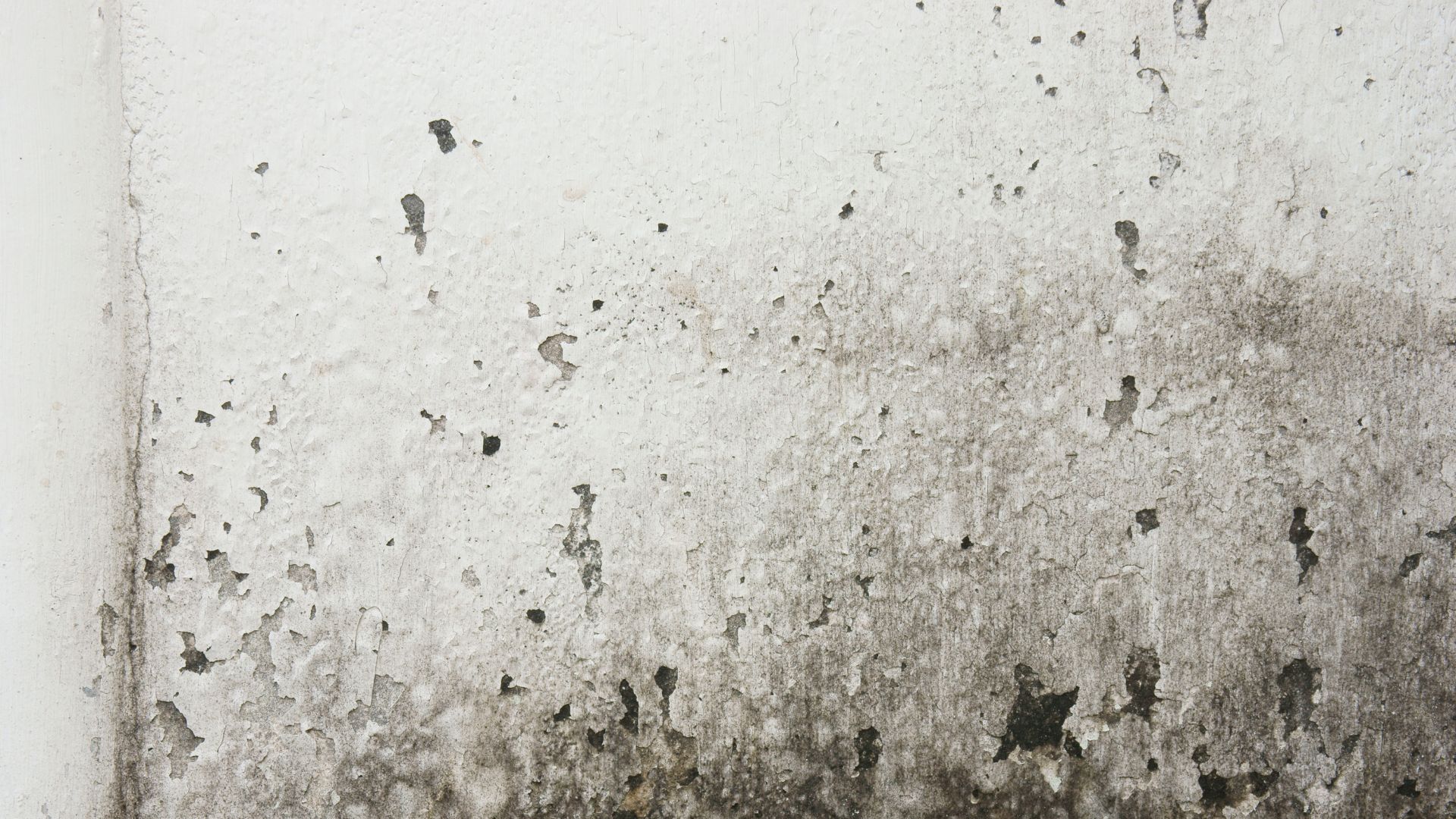
- Signs of mold and moisture issues: Visible mold, musty odors, and peeling paint indicate potential water intrusion problems.
- Preventive measures for health safety: Regular inspections and professional cleaning are vital in maintaining a mold-free environment.
- When to call a professional service: Seek help from certified experts for extensive mold infestations or persistent moisture issues.
The Importance of Indoor Air Quality
Maintaining good indoor air quality in your basement is vital for your health. Basements often harbor pollutants, including mold spores and allergens, making it critical to ensure safe and breathable air throughout your home.
Regular air quality checks and professional mold remediation services, if necessary, can significantly improve the living conditions within a home. Implementing effective strategies mitigates potential health risks associated with poor air quality.
Foundation protection not only maintains the structural safety of your home but also contributes to overall air quality by minimizing moisture-induced deterioration.
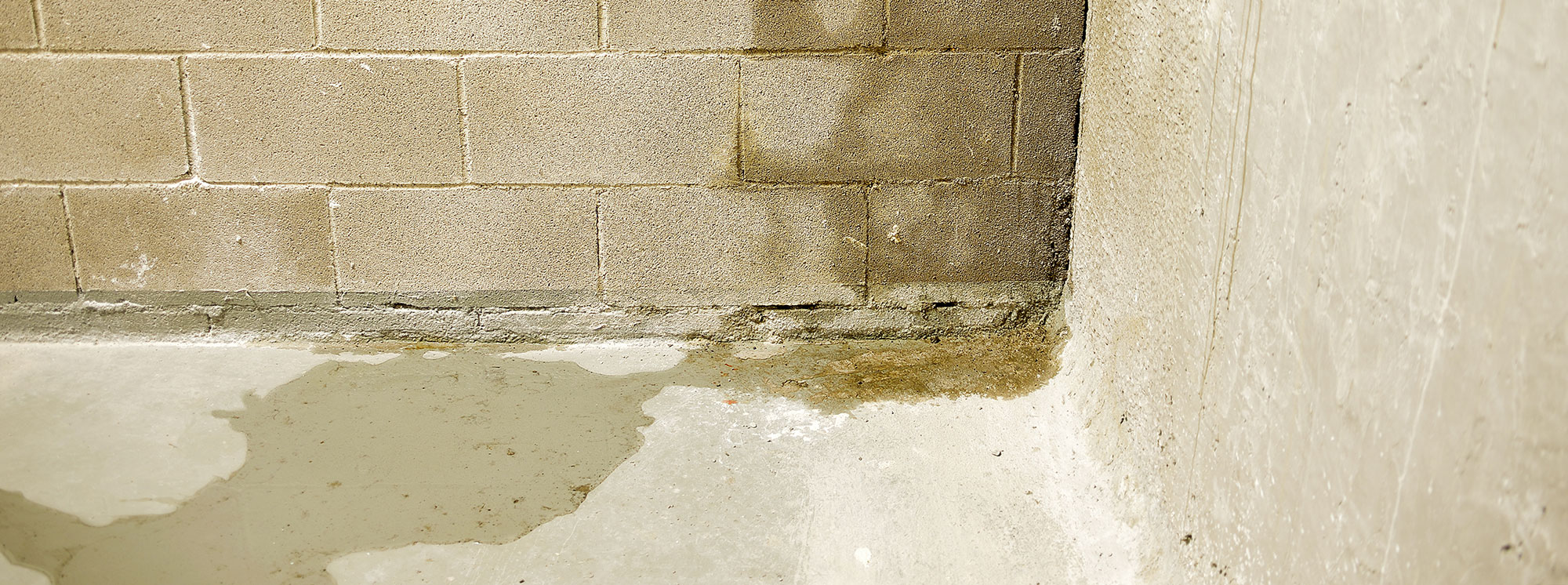
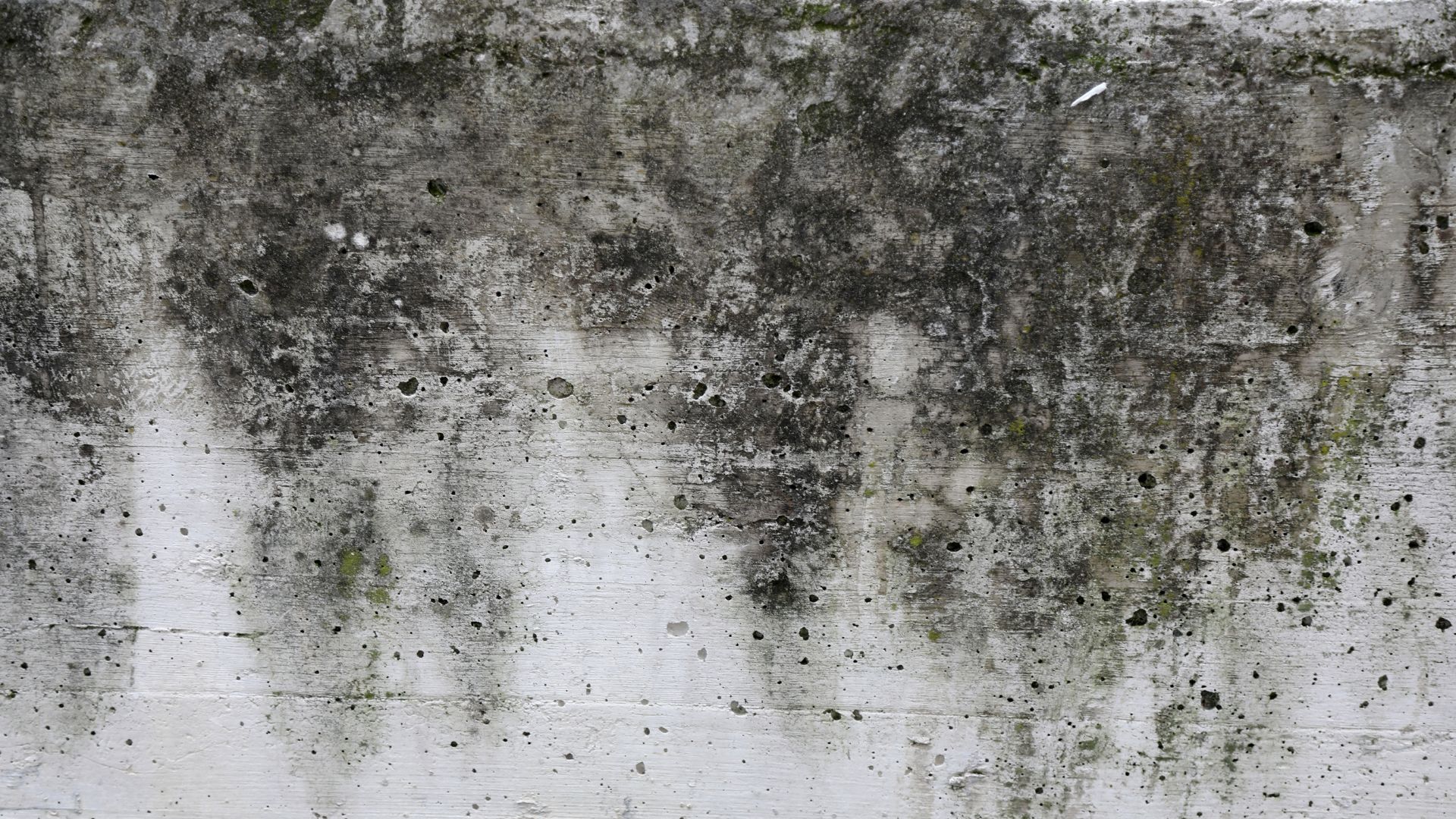
Basement corner showing water damage at the base of a concrete block wall in a Birmingham, AL home, requiring professional repair.
Effective Water Management Implementation
Implementing Effective Water Management Strategies
A successful water management system requires comprehensive planning and execution. By utilizing certified services for foundation protection and regular maintenance checks, homeowners can ensure effective implementation and long-term safety.
Using technologies and certified materials that meet industry standards fortifies basement waterproofing efforts. Employing a mix of drainage solutions, including sump pumps and French drains, addresses the complexity of potential basement water issues, providing peace of mind during periods of heavy rainfall.
Another integral component is ensuring effective communication with professionals during installation and maintenance processes. This ensures adept handling of technical specifications, enhances the longevity of installed systems, and preempts potential failures.
Final Thoughts on Basement Safety
Maintaining the safety and integrity of your basement is critical to overall home safety. With a comprehensive knowledge of effective water management techniques and a commitment to regular prevention measures, homeowners can effectively tackle water intrusion challenges.
The incorporation of monitoring and safety systems enhances home resilience against unforeseen events, while timely interventions minimize damage and health risks, preserving both property and life quality.
By overseeing mold exposure risks and implementing waterproof systems, you can protect your family’s health and home’s integrity, fostering a safe, dry environment throughout all seasons.
Conclusion
Recap of Key Points
A commitment to basement water management is essential in preventing flooding and mitigating water damage. Understanding the fundamentals, implementing effective solutions, and maintaining regular inspections create a protective environment for your home.
Choosing the right waterproofing strategies and utilizing technologies for real-time monitoring enhance your ability to manage basement moisture effectively. These efforts not only preserve the structural integrity of your home but also ensure a healthy living environment.
professional services, if needed, provide expert interventions to address any complex issues, ensuring long-term safety and efficacy.
Looking Forward: Managing Future Risks
To safeguard against future risks, ongoing monitoring and adaptation of water management strategies are recommended. Anticipate potential changes in weather patterns and make necessary adjustments to drainage and waterproofing systems.
Remaining vigilant in inspections and open to advances in water management technology ensures your home stays protected against water intrusions. Engaging with new practices and expert consultations, as necessary, fortifies your readiness to face unexpected basement water challenges.
By following these strategies and consistently reassessing your approach, you are well-positioned to ensure continuous protection and peace of mind. Should you face potential water intrusion warnings, timely interventions are key.
Basement flooding typically results from excessive rainfall, incorrect grading, failed sump pumps, leaking pipes, and inadequate drainage systems. Proper maintenance and installation of preventative measures can significantly reduce these risks. To prevent water entry, ensure gutters and downspouts are unclogged, direct water away from the foundation, seal cracks, and install sump pumps. Regular inspections help identify and fix potential vulnerabilities early. If mold is detected, address the underlying moisture problem, clean affected areas with appropriate mold removers, and consult with mold remediation experts for serious cases to ensure a safe environment. DIY solutions can include applying sealants, using dehumidifiers, and improving drainage outside. However, for comprehensive waterproofing, professional consultation is recommended to address potential structural issues effectively. Consult professionals when facing persistent basement flooding, widespread mold issues, or if the basement shows signs of structural strain. Timely expert intervention can prevent extensive damage and ensure thorough protection.Basement Water Management FAQ