An Overview of Mold Services: Commercial vs. Residential
The necessity of understanding the differences between commercial mold remediation services and residential mold services cannot be overstated. Each sector faces unique challenges and requires tailored approaches to effectively manage mold issues. Mold, a common fungus that thrives in humid environments, can cause significant health issues and structural damage if not addressed appropriately.
Within the scope of emergency mold removal, it’s crucial to distinguish between commercial and residential services. While both aim to remove mold, the methods, regulations, and equipment used often differ due to the distinct environments.
What is Mold Remediation?
Mold remediation involves assessing, removing, and preventing mold growth to ensure healthy living and working environments. It includes processes like mold inspection, removal, and effective prevention strategies to reduce the risk of future infestations. This process is crucial for maintaining structural integrity and indoor air quality.
Utilizing professional mold removal services ensures thorough and compliant treatments, addressing the root causes of mold growth. Professionals employ industry-standard techniques to minimize risks associated with mold exposure.
The Importance of Mold Services in Different Sectors
Commercial environments, such as office buildings and warehouses, often encounter different mold challenges compared to residential settings. The large scale of these properties and varied work environments demand specific strategies for managing mold issues. Moreover, emergency mold removal in commercial settings often requires rapid response to minimize business disruption.
Residential mold issues, on the other hand, are primarily focused on maintaining a safe home environment for families, with attention to areas like basements, attics, and crawl spaces, which are prone to mold growth due to moisture buildup.
Overview of Protocols and Regulations
Mold remediation is heavily regulated to ensure safety. These regulations dictate the methods and equipment used to ensure effective removal and protection against health risks. In commercial settings, compliance with local and federal guidelines is imperative, often requiring specialized documentation and procedures.
Residential properties, while also adhering to regulations, tend to have more flexible approaches tailored to individual homeowner needs. Professional services ensure adherence to these standards, providing peace of mind for both property owners and managers.
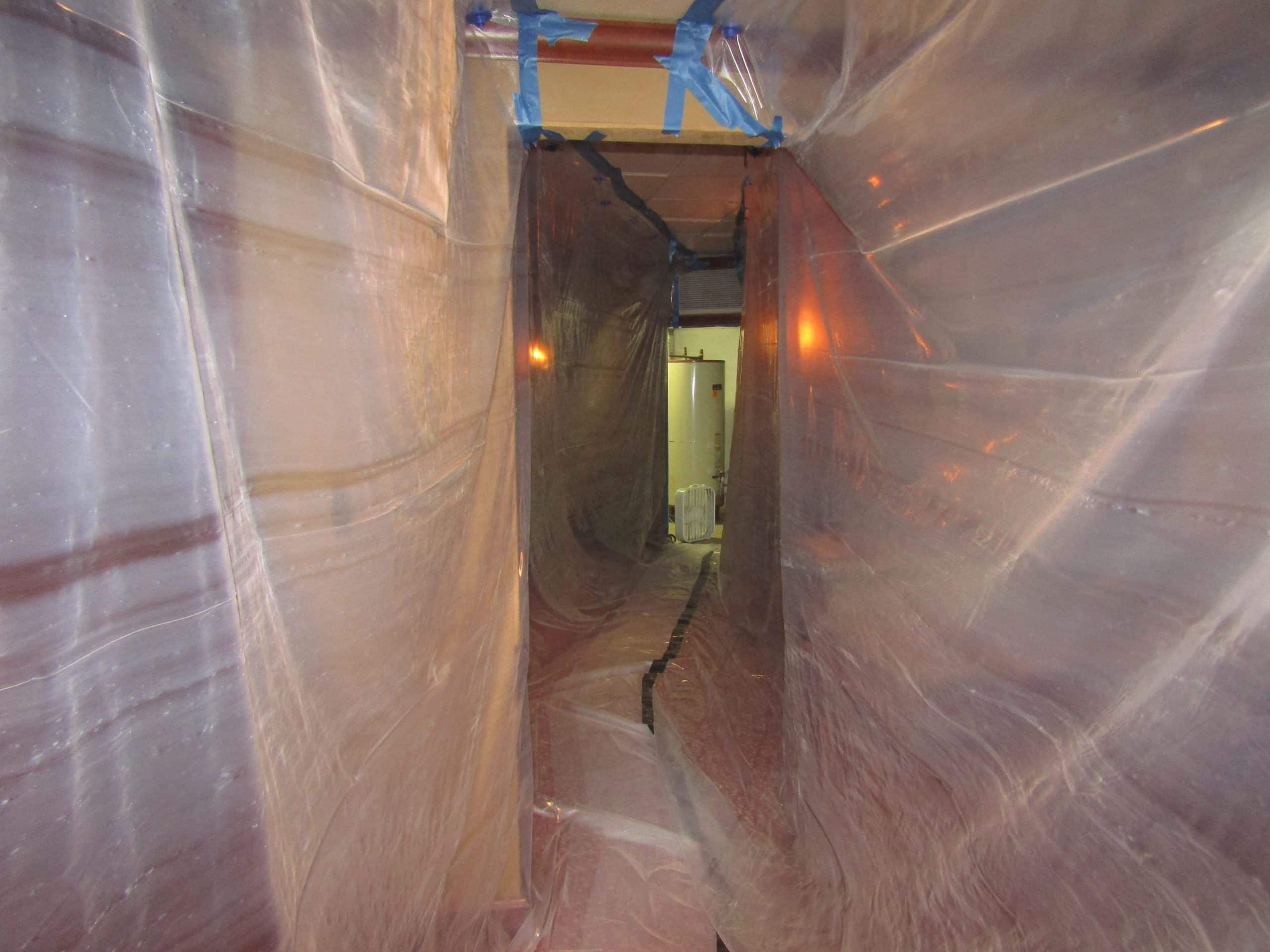
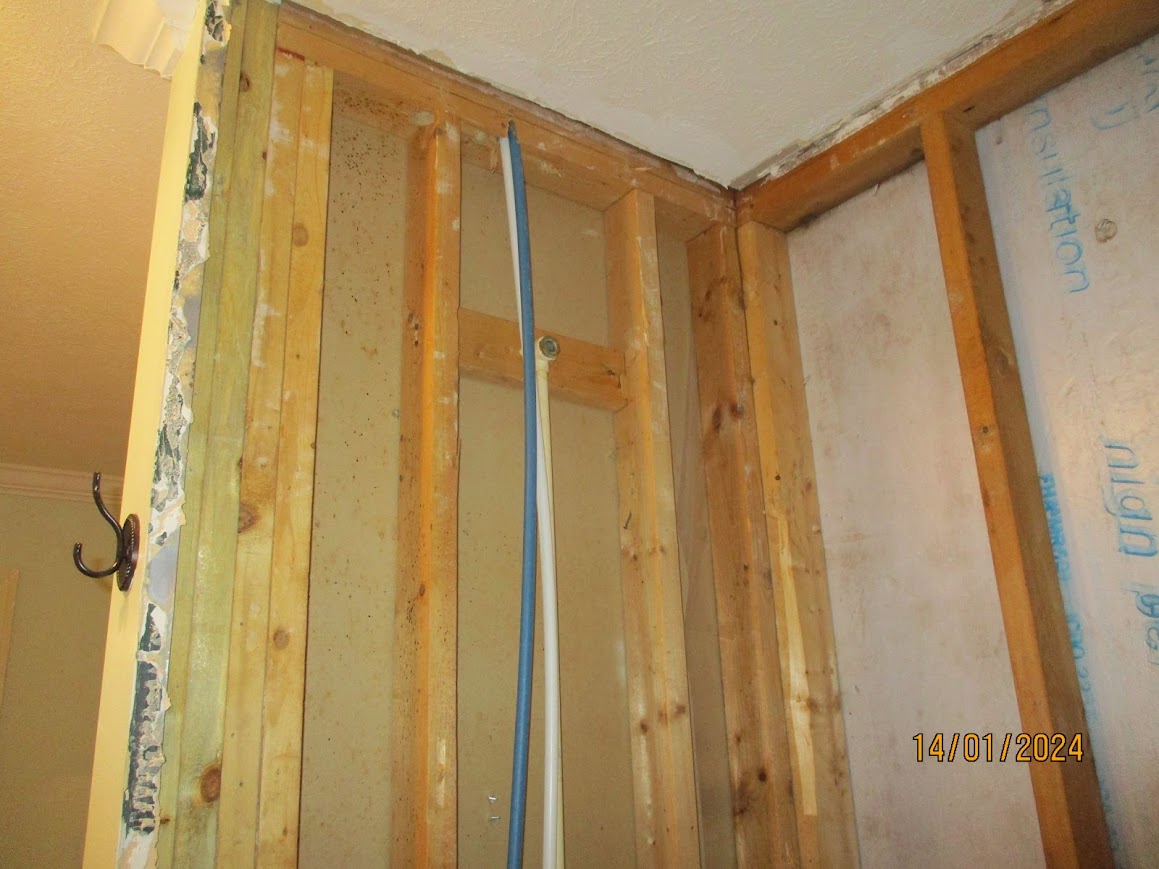
Hallway containment setup for mold remediation by Mold and Mildew Solutions in Alabama, ensuring effective mold removal and air quality improvement.
Commercial Mold Remediation Services: Techniques and Standards
Commercial mold remediation requires advanced techniques and adherence to stringent industry standards to effectively manage mold in large-scale environments. Such services are vital for maintaining safe, productive workspaces and ensuring compliance with health regulations.
Techniques Used in Commercial Mold Remediation
Professionals utilize state-of-the-art techniques, including thermal imaging and air quality testing, to detect mold and assess its spread. These methods allow for precise targeting of affected areas, reducing unnecessary disruptions and ensuring thorough remediation.
Containment strategies are also employed to prevent the spread of mold spores during the remediation process. This includes setting up barriers and using negative air pressure to isolate affected areas.
Industry Standards for Commercial Services
Commercial services adhere to rigorous standards to ensure safety and effectiveness. These standards include guidelines from organizations such as the Environmental Protection Agency (EPA) and the Occupational Safety and Health Administration (OSHA).
Compliance with these standards not only ensures effective remediation but also protects businesses from potential legal and health-related repercussions. Partnering with certified mold inspection services guarantees adherence to these standards, safeguarding both employees and clients.
Specialized Equipment and Methods
Commercial settings often require specialized equipment, such as industrial-grade dehumidifiers and air purifiers, to effectively remove mold and prevent future growth. These tools are essential for maintaining air quality and reducing moisture levels, crucial elements in mold prevention.
In addition, professionals employ advanced methods, such as encapsulation and antifungal treatments, tailored to the specific needs of each commercial property to enhance remediation efforts.
Challenges in Commercial Settings
One of the primary challenges in commercial mold remediation is minimizing business disruption. This demands strategic planning and execution, often involving after-hours remediation to avoid impacting daily operations.
Furthermore, the complexity of commercial properties, with various HVAC systems and spaces, presents unique challenges that require expert handling to ensure thorough and efficient mold management. Working with experienced mold remediation companies ensures that such challenges are effectively managed.
Residential Mold Remediation Services: Understanding and Approach
Residential mold remediation focuses on creating a safe and healthy home environment by addressing mold issues specific to households. These services are vital for protecting family health and home integrity, especially in areas like basements, attics, and kitchens.
Understanding Residential Mold Issues
In residential settings, mold often arises from issues like moisture buildup due to leaks or poor ventilation. Identifying these issues early is crucial in preventing extensive damage and health risks. Homeowners should be vigilant in detecting signs of mold, such as musty odors or visible growth.
Addressing these problems promptly with professional services can prevent further complications and maintain a safe living environment.
Typical Processes for Residential Mold Removal
The mold removal process typically begins with a thorough inspection to determine the extent of mold presence. This is followed by containment to prevent spore spread and removal of the mold itself using safe, effective methods.
Once removal is complete, preventive measures, such as improving ventilation or fixing leaks, are implemented to mitigate future issues. Employing seasonal maintenance can further aid in preventing mold growth by keeping moisture levels in check.
Homeowner Responsibilities and Considerations
Homeowners play a significant role in mold remediation by maintaining good home practices. This includes regularly checking for leaks, ensuring proper ventilation, and seeking professional seasonal maintenance to address potential issues promptly.
Being proactive not only protects home value but also ensures health safety for all residents.
Comparative Analysis: Commercial vs. Residential Mold Services
Understanding the distinctions between commercial and residential mold remediation services is essential for selecting the appropriate strategy for each environment. Both require specialized knowledge but differ vastly in implementation.
Key Differences Between Commercial and Residential Services
The differences are primarily seen in the scale and approach, with commercial settings often demanding more complex solutions compared to residential ones.
Service Methodologies
Scale of operation: Commercial projects typically require handling of larger affected areas with more extensive equipment and manpower.
Regulatory requirements: Commercial settings must adhere to stringent regulations to ensure compliance, often involving detailed documentation and reporting.
Disruption minimization: Strategies are developed to minimize operational disruption, often involving after-hours work.
Monitoring and follow-up procedures: Regular monitoring and follow-ups are more common in commercial settings to ensure ongoing compliance and effectiveness.
Insurance implications: Commercial insurance policies often require compliance with specific remediation standards and thorough documentation.
Cost factors: The cost structure varies significantly between commercial and residential services due to the scale and complexity of work involved.
Benefits of Specialized Services
Both commercial and residential settings benefit greatly from engaging specialized services that understand the nuanced needs of each environment. Certified professionals offer tailored solutions that are designed to efficiently manage mold while minimizing risks and costs.
Ultimately, choosing the right service ensures that mold issues are addressed efficiently, providing peace of mind and protection for property and health alike. Knowing the local options, such as mold remediation services and basement waterproofing solutions, helps in selecting the best fit for your needs.
Safety and Health Protocols in Mold Remediation
Ensuring safety during mold remediation is crucial due to the health risks associated with mold exposure. Effective protocols are necessary to protect both workers and occupants throughout the remediation process.
Health Risks Associated with Mold
Exposure to mold can lead to numerous health issues, including respiratory problems, allergic reactions, and in severe cases, long-term lung conditions. Therefore, managing mold promptly and effectively is vital to safeguard health.
Understanding the symptoms of mold exposure, like irritation and persistent coughing, is crucial for early identification and intervention, as highlighted in resources discussing mold exposure symptoms.
Importance of Safety Protocols
Implementing rigorous safety protocols during mold remediation protects both the workers involved and the occupants of the affected property. These protocols ensure that the remediation process is performed safely and effectively.
Protective Measures During Remediation
Using personal protective equipment (PPE): Essential gear, such as respirators, gloves, and suits, protect workers from mold exposure.
Air quality monitoring: Regular air testing ensures that spore levels are within safe limits throughout and after the remediation process.
Safe disposal practices: Properly disposing of contaminated materials helps in preventing further mold spread.
Containment strategies: Setting up barriers to isolate affected areas is crucial to preventing mold spores from contaminating other parts of the property.
Decontamination procedures: Thorough cleaning of equipment and surfaces ensures effective remediation.
Post-remediation verification: Follow-up inspections and testing confirm the successful elimination of mold and prevention of recurrence.
These measures, along with expert guidance, contribute to a safe remediation process, aligning with broader goals of foundation protection and overall building health.
Cost and Insurance Considerations in Mold Remediation
Understanding the financial and insurance aspects of mold remediation is essential for homeowners and commercial property managers. Knowing upfront about costs and insurance coverage can significantly influence decision-making and budget planning.
Cost Factors in Mold Remediation
Several factors influence the cost of mold remediation, including the extent of mold growth, the area affected, and the specific remediation techniques required. For larger infestations, the scale of required interventions can increase costs significantly.
Proactive steps, like regular inspections and preventive maintenance, can reduce future costs by catching mold issues early. Exploring options such as crawl space solutions can help mitigate potential mold growth areas.
Navigating Insurance for Mold Services
Types of coverage available: Most homeowner and commercial insurance policies offer some level of coverage for mold remediation, but specifics vary by plan.
Common exclusions: Many policies exclude mold damage from gradual issues, like long-term water leaks or poor maintenance.
Advice for submitting claims: Act quickly, keep detailed records, and submit claims as soon as a mold issue is discovered to increase the likelihood of coverage.
Documentation needed: Photographs, expert assessments, and detailed scope of work are typically required to support claims.
Choosing the right policy: Select a policy that offers adequate mold coverage based on the property type and location.
Understanding deductible implications: Be aware of the deductible amounts and how they affect the overall claim value and out-of-pocket expenses.
Evaluating Value vs. Cost
When considering mold remediation services, it’s important to balance cost with the value of effective and lasting solutions. Opting for the cheapest option may not provide the comprehensive service needed to fully address mold issues.
Effective evaluation of potential services, including factors like expertise, completeness of service, and post-remediation support, is crucial for achieving long-term protection and peace of mind.
Best Practices in Selecting Mold Remediation Services
Choosing the right mold remediation service provider is critical to ensure effective treatment and long-term prevention of mold issues.
Choosing the Right Mold Remediation Service
The key to selecting the right service is to evaluate the provider’s credentials, experience, and approach to mold remediation. Reliable providers should have certifications and a proven track record in the industry.
Looking for family health protection certified services ensures compliance with health and safety standards, providing added peace of mind to homeowners and business owners alike.
Questions to Ask Potential Contractors
Before hiring, it’s important to ask potential contractors about their experience, methods, and guarantees. Questions should cover aspects like the duration of the remediation process, safety measures in place, and the specific techniques they plan to use.
Engaging in this due diligence not only helps in selecting a competent contractor but also ensures that the service matches your specific mold situation and requirements.
Evaluating Long-Term Solutions
Long-term solutions are imperative for preventing future mold growth. An effective provider should offer guidance on maintaining a mold-free environment through regular monitoring and preventive strategies.
Considering factors like environmental control, such as humidity regulation, and structural improvements, like enhancing waterproofing systems, can provide lasting benefits.
Collaboration with experts and utilizing resources to understand potential improvements plays a pivotal role in ensuring that the chosen solution offers value for money and protects property health.
The duration of the mold remediation process varies depending on the extent and location of the mold. In most cases, it can take anywhere from 1 to 5 days. This timeframe covers the inspection, containment, removal, and post-remediation cleaning, ensuring thorough treatment and environmental safety. Preventing mold growth requires controlling moisture levels. This can be achieved through regular home inspections, ensuring proper ventilation, and quickly addressing any leaks or water damage. Installing dehumidifiers and maintaining clean gutters can also help keep environments dry and mold-free. Most modern mold remediation chemicals are formulated to be safe for pets and humans when applied correctly. Remediation professionals follow strict guidelines to ensure safe applications, but it’s always advised to keep pets and family members out of the treatment area until the process is complete and the area has been deemed safe. When selecting a mold remediation company, look for certifications such as the IICRC (Institute of Inspection, Cleaning and Restoration Certification) and certifications from local health and safety authorities. These credentials ensure that the company adheres to recognized industry standards and employs trained professionals.Commercial vs. Residential Mold Services FAQ