Understanding Crawl Space Maintenance
Maintaining a crawl space is crucial for the health of your home. Regular crawlspace inspections ensure that this often-overlooked area remains free from issues that could lead to costly repairs. Understanding the different aspects of seasonal maintenance and potential problems is essential for any homeowner.
Why It’s Important
Crawl spaces are vital as they house much of the home’s essential infrastructure. Problems here can affect your entire house. Moisture, pests, and mold can arise if not properly maintained.
Ignoring crawl space maintenance can lead to structural damage and affect your home’s air quality, as it can allow mold and mildew to proliferate, potentially causing health issues.
Common Problems in Crawl Spaces
Common problems in crawl spaces include mold, wood rot, pests, and structural issues. Regular inspections help identify these issues early. Moisture problems are often at the heart of these issues, as excessive moisture can lead to mold growth and wood decay.
Regularly inspect crawlspaces to prevent extensive damage. Keeping tabs on moisture levels and ventilation can significantly reduce the risk of these common issues.
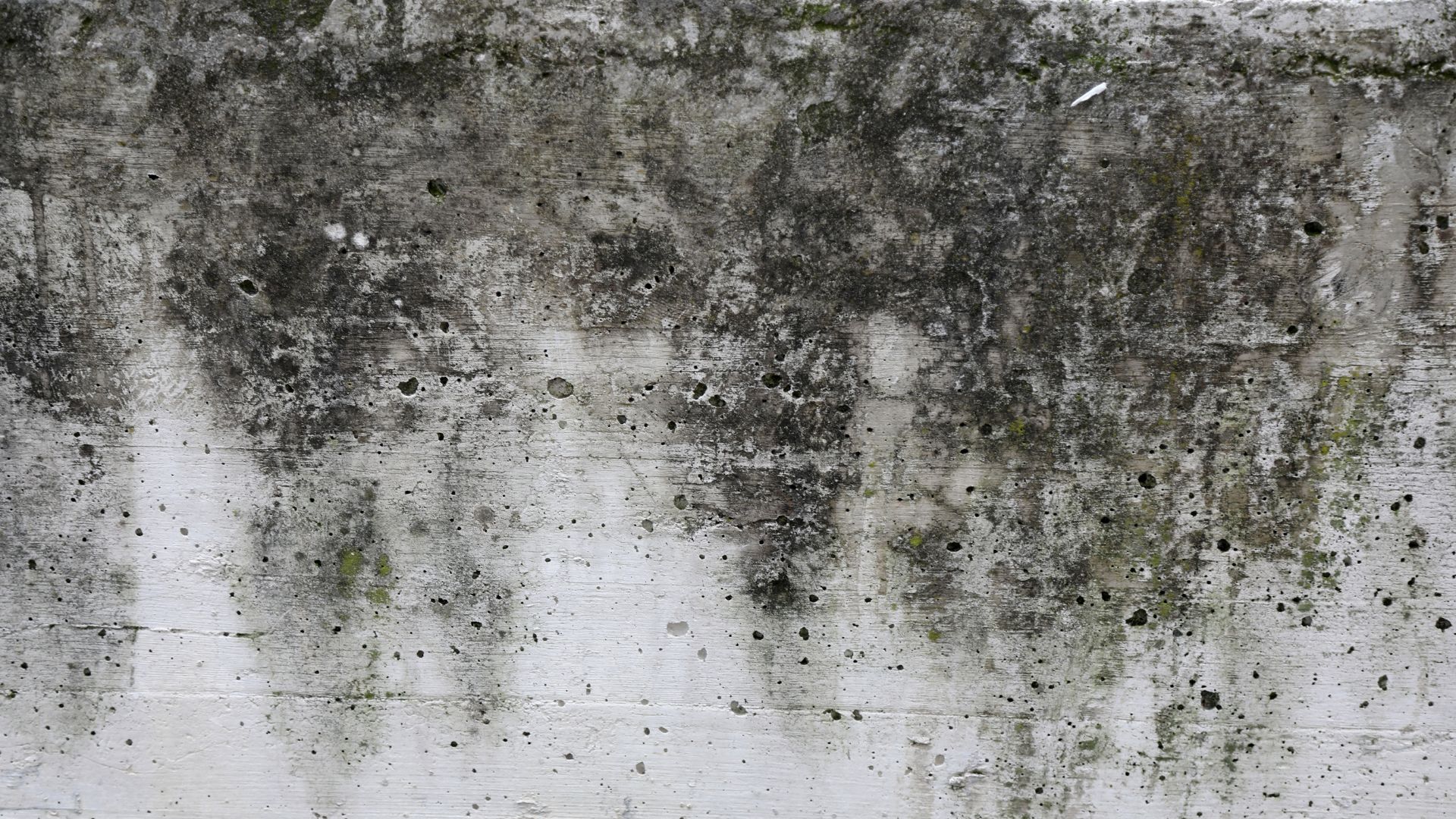
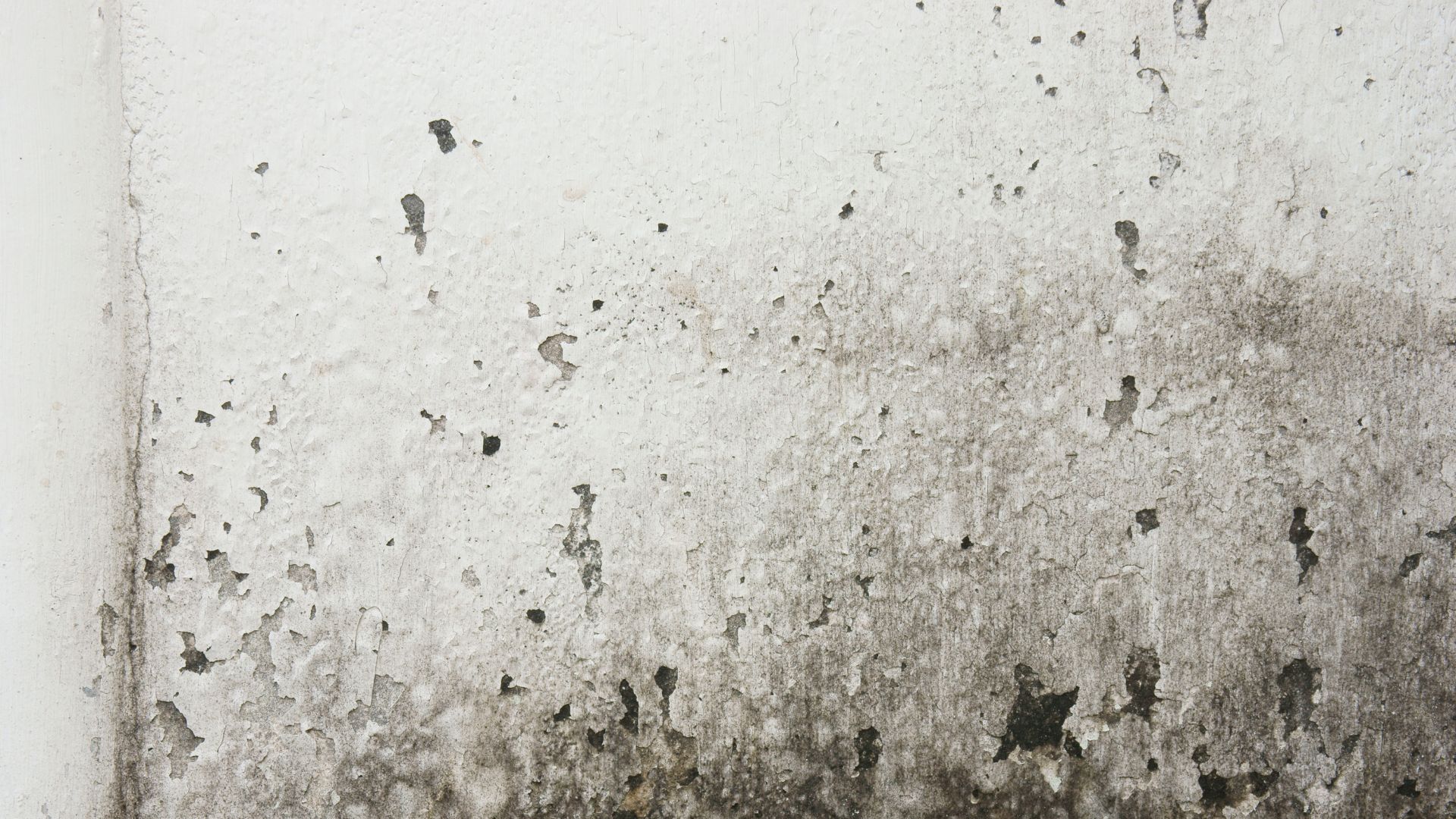
Visible mold growth on a concrete wall requiring professional removal and remediation services in Birmingham, Alabama.
Preparing for the Inspection
A thorough crawlspace inspection starts with proper preparation. Ensuring you have the right tools and protective gear will keep the process smooth and safe. Before starting, make sure you have a clean path to the crawl space entrance.
Gather all necessary tools and ensure you have enough light to see the entire area. Depending on your crawl space’s condition, you might need to control moisture levels before or during your inspection.
What to Look For
During an inspection, look for signs of water damage, mold, pest infestations, and structural issues. Mold in crawl spaces is particularly concerning, as it can impact air quality and structural integrity. Addressing mold exposure quickly is crucial for family health.
Document any signs of potential problems with a camera. Use a notebook to record findings and track any changes over time.
Tools Required
Equipped with the right tools, you’ll be able to conduct a comprehensive evaluation of your crawl space:
- Flashlight: Essential for visibility in dark areas.
- Moisture meter: Helps identify excess moisture that could lead to mold.
- Protective gear: Safety gear to protect against allergens and debris.
- Measuring tape: For assessing space and structural dimensions.
- Camera: To document findings for future reference.
- Notebook: For recording observations and measurements.
After collecting data, you’ll be ready to tackle any issues found during your inspection.
Importance of Ventilation
Proper ventilation in crawl spaces is crucial to prevent moisture buildup, which can lead to mold growth. It ensures air circulation, reducing humidity levels and drying out any excess moisture present. Crawl space encapsulation can also help control air flow and moisture levels.
Make sure vents are not blocked and consider the use of exhaust fans to enhance airflow. Adequate ventilation minimizes the need for more intensive mold remediation solutions.
Dehumidification Solutions
When ventilation isn’t sufficient, a dehumidifier can be an excellent tool to control the moisture level. These devices help maintain an optimal humidity level, effectively preventing mold growth and protecting wooden structures from rotting.
Position the dehumidifier in a central area of your crawl space for maximum efficiency. Regularly empty the water reservoir and keep filters clean.
Vapor Barriers
Installing a vapor barrier is another effective strategy to keep moisture out. These impermeable membranes are placed over the ground in your crawl space to prevent ground moisture from entering the air.
Choose a high-quality vapor barrier for durability and better protection. Proper installation is key; it should cover all ground surfaces and be securely attached.
Insulation Techniques
Adding insulation to your crawl space can enhance temperature regulation, reduce energy costs, and prevent moisture build-up. However, it should not obstruct ventilation.
Consider spray foam insulation for its dual benefit of providing a vapor barrier and improving thermal insulation. Ensure the insulation does not block any vents to maintain necessary airflow.
Identifying Professional Services
Professional services play a crucial role in effective crawl space maintenance. Engaging professionals can save time and ensure thorough inspections and high-quality repair work that adhere to safety standards. Emergency mold removal services can address severe issues quickly.
Check local directories and reviews to find reputable service providers who specialize in crawl space care.
Service Provider Criteria
When selecting a service provider, consider their licenses and credentials. Certified professionals offer assurances of quality and adherence to safety standards. Look for companies with experience in handling water and mold-related issues specific to crawl spaces.
Verify they have adequate insurance to protect against potential liability during service.
Questions to Ask Potential Contractors
Before hiring, ensure you ask the right questions to determine the contractor’s competency:
- Are you licensed and insured?: This ensures they meet legal standards and provide protection for accidents.
- What is your experience?: Experience indicates their capability to handle your specific issues.
- Can you provide references?: References can give insight into their reliability and quality.
- What methods do you use?: Understanding their approach can help determine suitability.
- What are the costs involved?: Clear pricing helps manage your budget effectively.
- Do you offer guarantees?: Guarantees provide assurance on the durability of their work.
Being thorough in your selection process ensures your crawl space maintenance is in expert hands.
What is Crawl Space Encapsulation?
Crawl space encapsulation involves sealing the crawl space with a heavy-duty polyethylene barrier. This helps in moisture control and prevents various problems like mold, pests, and foundation protection. Encapsulation helps in creating a controlled environment similar to the rest of your living space.
By controlling temperature and humidity, encapsulation significantly reduces the risk of attic mold developing from excessive moisture exchange.
Benefits of Encapsulation
Encapsulation provides several benefits, including enhanced home energy efficiency by reducing the load on heating and cooling systems. It also improves air quality by preventing mold and mildew growth and reduces pest infestations by creating less hospitable conditions for insects and rodents.
Encapsulation lowers maintenance needs and prolongs the integrity of your home’s foundation and supporting structures.
Steps in the Encapsulation Process
The encapsulation process involves several steps aimed at ensuring maximum protection:
- Inspection and preparation: Assessing the crawl space for damage, mold, and existing moisture.
- Moisture barrier installation: Laying a polyethylene barrier over soil and ensuring it covers every inch.
- Insulation application: Adding insulation to walls and joists for energy savings.
- Ventilation adjustments: Sealing off unnecessary vents and installing vents where needed.
- Final inspection and maintenance: Ensuring the encapsulation is properly sealed and scheduling future maintenance.
This thorough process significantly improves your home’s comfort and resilience.
Regular Maintenance Practices
Routine maintenance is key to prolonging the integrity of your crawl space. Regularly checking for signs of dampness, pest infestations, and structural weaknesses can prevent expensive repairs. Utilize crawlspace inspections to catch issues early and maintain a healthy environment.
Consistent upkeep ensures your crawl space remains dry, clean, and supportive of your home’s structural health.
Safety Precautions
When working in your crawl space, prioritize safety by wearing protective gear such as masks, gloves, and eyewear. This protects against potential mold, allergens, and sharp debris. Clear any standing water promptly to avoid risks associated with slipping and electrical hazards.
Maintain an emergency contact with local mold remediation companies should an issue arise that you cannot manage independently.
Signs of Crawl Space Problems
Recognizing early warning signs can prevent costly repairs and health issues:
- Mold growth: Look for patches of dark, fuzzy growth on surfaces.
- Strange odors: Musty smells can be a sign of mold or mildew.
- Pests presence: Rodents and insects indicate a need for improved sealing and maintenance.
- Wet insulation: Damp insulation can signal poor ventilation or leaks.
- Drop in air quality: Increased allergies or respiratory issues in the home.
- Uneven floors: Structural shifts may point to foundational problems.
Address these signs promptly to avoid more significant issues down the line.
Routine Inspection Schedule
Establishing a regular inspection schedule is critical for maintaining a healthy crawl space environment. Inspections should be conducted at least twice a year, ideally before the onset of extreme seasonal weather, to prepare your home accordingly.
This routine helps identify and address issues early, saving time and money on potential repairs.
Maintaining Air Quality
Air quality in your home directly impacts your health. Ensuring your crawl space is free of dampness and mold is essential for good air quality. Using dehumidifiers and maintaining clean, unobstructed ventilation can help.
Consider professional evaluations to confirm your crawl space contributes positively to your home’s air quality.
Best Practices for Seasonal Maintenance
Seasonal maintenance involves checking for leaks, securing any loose insulation, and ensuring that your vapor barriers are intact. Each season may present new challenges, such as humidity in the summer or moisture from snowmelt in the winter.
Prepare your crawl space with industry-standard techniques, such as using a hygrometer to monitor humidity levels and regular cleaning to remove accumulated debris. Keeping a proactive approach to mold remediation helps you stay ahead of potential problems.
Recap of Key Points
Crawl space maintenance is a critical aspect of home care that prevents mold growth, pest infestations, and structural damage. Regular crawlspace inspections help identify potential issues early, saving costs and trouble in the long run.
Implementing proper crawl space care ensures the longevity of your home and safety of its occupants.
Encouraging Professional Help
While regular DIY inspections are beneficial, seeking professional assistance for thorough inspections and crawl space repairs ensures comprehensive protection. Professionals are equipped to handle complex issues and provide long-lasting solutions.
For peace of mind symptom management and effective maintenance, hiring experts is a prudent choice.
Resources for Further Learning
There are numerous resources available to deepen your understanding of crawl space maintenance. Online forums, home improvement websites, and workshops can offer valuable insights and tips for efficient maintenance practices.
Stay informed and proactive about crawl space issues by regularly referencing trusted resources and staying updated on best practices.
Crawl Space Maintenance Guide FAQ
The best way to inspect a crawl space is to use a moisture meter to detect water presence, a flashlight for visibility, and a camera to document findings. Protective gear is essential to avoid contact with allergens and contaminants. Regular inspections help detect issues early, safeguarding your home from damage.
It is recommended to inspect and maintain your crawl space at least twice a year. Regular maintenance involves checking for signs of moisture, pest presence, and structural damage. Consistent inspections help identify issues early, ensuring the crawl space remains dry and the air quality optimal.
Signs of mold in a crawl space include musty odors, visible dark patches on surfaces, increased humidity, and the presence of water stains. Mold can compromise air quality and damage structural elements, making early detection and remediation critical to maintaining a healthy home environment.
Improving airflow in a crawl space can be achieved by ensuring that vents are unblocked and strategically placed to allow cross ventilation. The use of exhaust fans can also be beneficial. For further moisture control, install a dehumidifier to maintain ideal humidity levels and protect against mold growth.