Understanding Emergency Mold Issues
Emergency mold removal is a critical service for maintaining a healthy environment. Mold can spread rapidly, causing not only structural damage but also potentially severe health issues. Whether it’s the result of a hidden leak, flood, or persistent humidity, mold must be addressed swiftly.
Without prompt action, mold can compromise indoor air quality, leading to respiratory problems and other health concerns. By understanding the urgency of mold remediation companies near you, you’re better prepared to protect your home or business.
Why Immediate Action is Critical
Mold can develop within 24 to 48 hours after exposure to moisture. Immediate action is crucial to prevent further growth and to avoid potential damage to affected areas. The costs associated with delayed commercial mold remediation are often significantly higher than addressing issues promptly.
Quick intervention helps ensure that mold does not become widespread, reducing the risk of long-term health impacts and extensive property damage. Regular inspections and immediate response to water damage are key.
Types of Mold Commonly Encountered
Different environments foster various types of mold growth. Black mold, or Stachybotrys chartarum, is among the most notorious due to its potential health effects. It thrives in damp, cellulose-rich environments like drywall and wood.
Other common molds, like Penicillium and Aspergillus, can appear in different colors and textures, each requiring specific removal techniques. Understanding these types helps in effectively mitigating mold risks.
Mold in areas such as attics, crawl spaces, and basements requires specialized attention. Engaging experts experienced in mold removal companies near you can ensure comprehensive treatment.
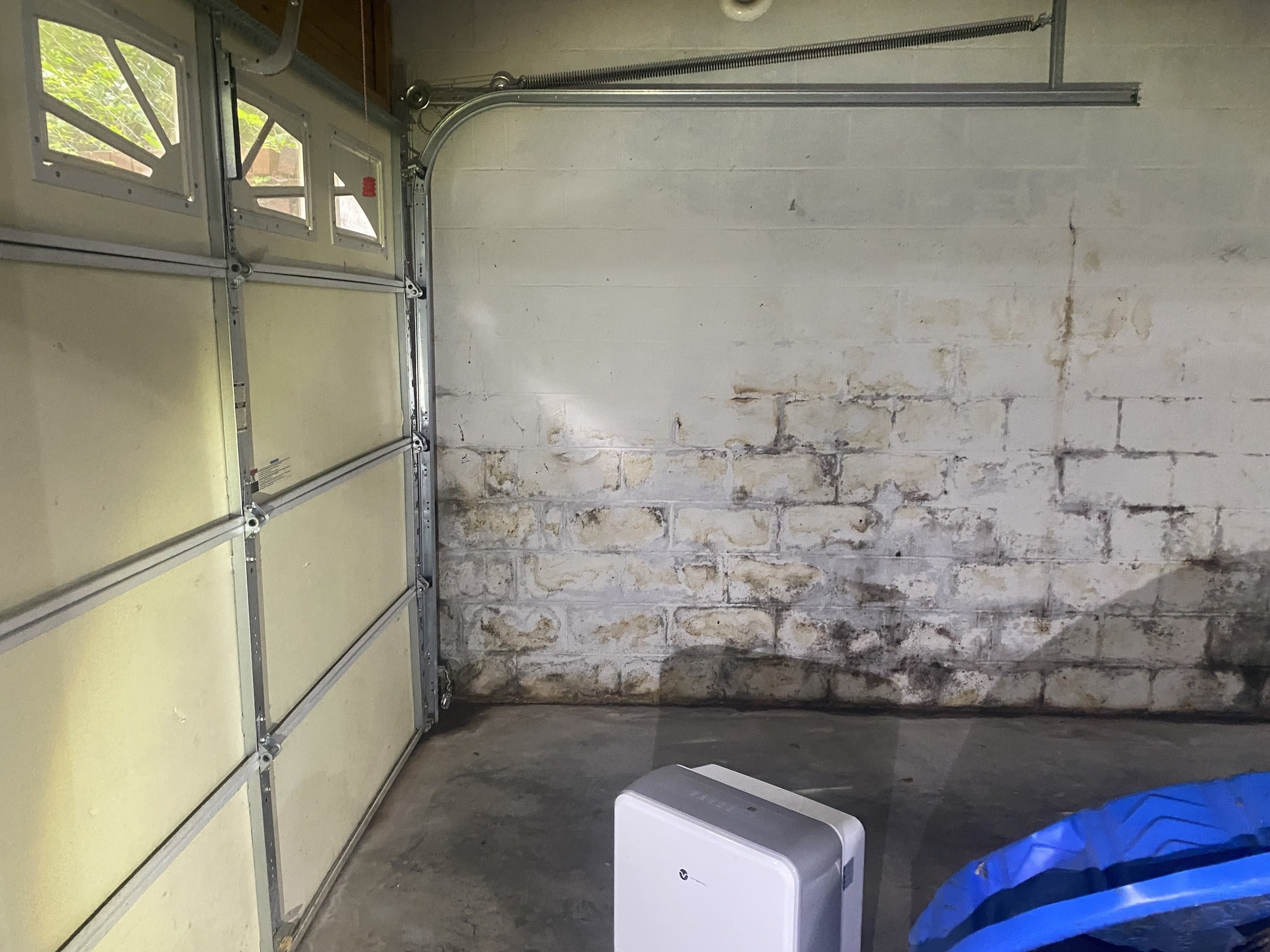
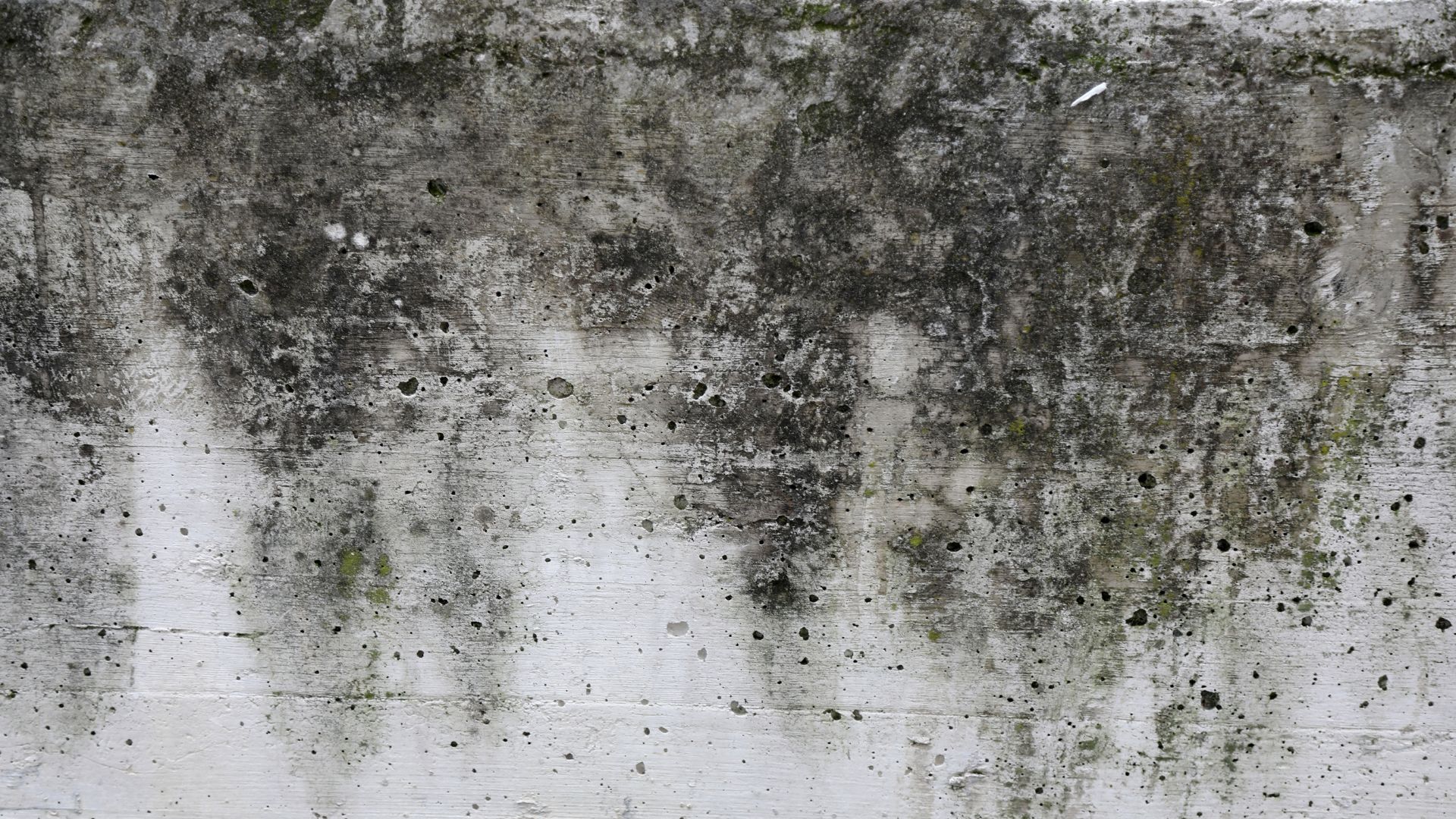
Garage wall showing efflorescence and mold treatment by Mold and Mildew Solutions, ensuring moisture control in Birmingham, AL.
Inspection and Assessment
Before professional mold removal can begin, a thorough inspection is necessary. This process involves identifying the source of moisture, the extent of mold growth, and the types of mold present. Proper assessment enables targeted remediation, minimizing the likelihood of recurrence.
Mold Removal Techniques
Effective mold removal comprises several specialized techniques:
- Containment measures: Sealing off affected areas to prevent mold spores from spreading during the removal process.
- Air filtration using HEPA filters: Using high-efficiency particulate air filters to capture mold spores, cleaning the air of the working space.
- Physical removal of mold: Carefully removing mold-infested materials like drywall, wood, or insulation.
- Surface cleaning methods: Utilizing antimicrobial treatments and mold-specific cleaning agents to cleanse surfaces.
- Drying and dehumidification: Removing moisture by using industrial dehumidifiers to dry out the area completely.
- Post-removal inspection: Ensuring all mold has been effectively removed and the environment is safe.
Ensuring that each step is executed correctly is crucial for successful mold remediation.
Restoration and Repair
Once mold is effectively removed, the restoration process begins. This involves repairing and restoring damaged structures to their pre-mold condition. In many cases, this includes replacing drywall, flooring, and insulation.
The ultimate goal is to create a safe and mold-free environment. Ongoing seasonal maintenance can prevent future mold issues, ensuring your property remains protected.
Understanding Mold Causes
Mold thrives in damp environments, making moisture the primary catalyst for growth. Leaks, flooding, inadequate ventilation, and high humidity are common causes of mold infestations. Understanding these factors is crucial for effective mold prevention.
Key Prevention Strategies
Preventing mold in emergency situations requires proactive measures. Regular mold inspections near you help identify risk areas early:
1. Control humidity: Use dehumidifiers and air conditioners.
2. Fix leaks promptly: Address roof, plumbing, and window leaks immediately.
3. Ensure adequate ventilation: Use exhaust fans in bathrooms and kitchens.
When to Seek Professional Help
If you encounter musty odors, visible mold growth, or unexplained allergies, it may be time to seek professional assistance. Local mold remediation services can provide comprehensive solutions tailored to your specific circumstances.
Swift professional intervention not only ensures effective remediation but also protects against potential health risks and property damage escalation.
Health Risks Associated with Mold
Mold exposure poses significant health risks, particularly for those with respiratory conditions such as asthma or allergies. Mold spores, when inhaled, can cause a variety of symptoms, impacting overall well-being and quality of life.
In-depth understanding of the health implications allows for prompt health cost management, emphasizing the importance of mold remediation.
Symptoms of Mold Exposure
Common symptoms of mold exposure include:
- Respiratory issues: Difficulty breathing, wheezing, and persistent coughing.
- Allergic reactions: Sneezing, runny nose, and red eyes.
- Skin irritation: Rashes or itchy skin.
- Cognitive impairment: Memory problems and difficulty concentrating.
- Fatigue and weakness: General feeling of tiredness and lack of energy.
- Headaches: Frequent headaches or migraines.
- Nausea: Feeling sick or queasy.
- Long-term effects on health: Chronic respiratory diseases and compromised immune function.
Recognizing these symptoms early can enable more effective solutions through appropriate symptom management.
Protective Measures
Taking protective measures against mold exposure is essential. This includes ensuring good ventilation, using air purifiers, and maintaining low indoor humidity levels. Engage professionals for frequent inspections to stay proactive about your health and safety.
Factors to Consider
Choosing the right mold removal service is crucial for effective remediation. Here are key factors to evaluate:
- Experience and credentials: Verify the expertise and certifications of the company and their adherence to industry standards.
- Client reviews and testimonials: Assess the reputation of the service by reading reviews and testimonials from previous clients.
- Service guarantees: Look for services that offer satisfaction guarantees and warranties.
- Use of advanced technology: Ensure that the company uses up-to-date equipment and techniques.
- Pricing transparency: Check for clear and honest pricing without hidden fees.
These considerations will help you engage a service that ensures safety and efficacy.
Questions to Ask Potential Services
When selecting a mold removal company, ask important questions to assess their suitability. Query about their treatment methods, timeframes for completion, and follow-up policies. Establishing clear communication also aids in foundation protection long-term.
It is important to ensure that chosen services align with your specific needs and expectations.
Red Flags to Watch For
Be wary of unrealistically low quotes, lack of detailed contracts, and providers who push unnecessary services. These are red flags indicating potentially untrustworthy practices. Family health protection should be a priority, and selecting the right service ensures this safeguard.
Costs of Mold Removal
Mold removal costs can vary greatly, depending on the severity of the infestation and the areas affected. Understanding these costs is vital for budgeting appropriately for remediation efforts.
Investing in thorough remediation not only addresses the immediate mold problem but also helps prevent reoccurrence, which can save money in the long run.
Budgeting for Mold Remediation
Here are key budgeting factors for mold remediation:
- Understanding initial consultation fees: Consider the cost of the initial inspection and assessment as part of your budget plan.
- Estimating removal costs: Include expenses for containment, removal, and cleaning in your estimates.
- Potential restoration expenses: Consider costs for repair and replacement of damaged materials.
- Insurance considerations: Check if your insurance covers any mold remediation costs.
- Long-term benefits of mold remediation: Recognize the value in preventing future mold outbreaks, which can be costlier.
Detailed financial planning helps ensure that mold mitigation services fit within your budget constraints.
Financing Options and Assistance
Many mold remediation companies offer financing options to help with upfront costs. These include payment plans and partnerships with financial institutions to mitigate the immediate financial burden. Exploring these options facilitates the timely addressing of mold issues.
Additionally, grants or financial assistance from local government programs sometimes support mold remediation efforts, so explore these possibilities to ease financial strain.
Mold remediation ultimately serves as an investment in both property safety and personal health. Allocating the necessary resources ensures the longevity and stability of your property.
Creating a Mold Management Plan
A structured mold management plan is essential in preventing mold recurrence. This plan should include regular inspections, prompt repair of leaks, and maintaining optimal humidity levels in the home.
Implementing proactive measures ensures that mold does not establish a foothold in your environment, making it cornerstone of effective crawl space solutions.
Thorough plans also accommodate seasonal changes and unforeseen circumstances, reinforcing home protection throughout the year.
Regular Home Maintenance Tips
Establishing a routine for home maintenance significantly reduces mold risk. This should involve:
1. Regular cleaning to prevent dust accumulation.
2. Using mold-resistant products during renovations.
3. Inspecting your home’s exterior for any leaks or water ingress.
Monitoring Indoor Humidity Levels
Keeping indoor humidity levels below 60% is critical in mold prevention. Use dehumidifiers, especially during damp seasons, and ensure your home is well-ventilated.
Smart home technology can assist in monitoring humidity levels, alerting you to changes that could necessitate further action. Proper mold remediation processes include steps for these considerations.
By maintaining vigilant control over indoor humidity, you considerably lower the potential for mold growth, thus safeguarding your home and health effectively.
Emergency Mold Services FAQ
Emergency mold removal involves an immediate response to contain and eradicate mold from affected areas. The process begins with an assessment to identify the mold type and extent of spread. Professionals will then isolate the area, utilize HEPA filtration, physically remove affected materials, and clean surfaces with mold-specific solutions. Finally, the area is dried and dehumidified to prevent future growth.
The time it takes to remove mold depends on the severity and location of the infestation. Typically, smaller jobs might be resolved in a few days, whereas larger or more complex situations could require a week or more. Prompt action by a qualified service can expedite removal and mitigate health risks.
Yes, reputable mold removal services use EPA-approved chemicals that are safe for humans and pets when used correctly. These professionals take measures to ensure that the treatment process is conducted safely, often using containment strategies to prevent chemical exposure in living areas.
Common signs of a mold problem include musty odors, visible mold growth, water spots on walls or ceilings, and allergic reactions such as sneezing and nasal congestion. If you experience these symptoms or suspect mold presence, consult with an expert immediately.
It is generally recommended to have your home inspected for mold annually, especially if your area is prone to damp conditions or your property has a history of water damage. Regular inspections can reveal potential issues before they develop into significant problems.