Introduction to Foundation Protection
Your home’s foundation is its backbone, ensuring stability and safety. Foundation protection involves adopting strategies to prevent moisture damage, structural issues, and other potential hazards. Understanding these strategies is vital for maintaining your home’s structural integrity and ensuring its longevity.
What is Foundation Protection?
Foundation Protection: This concept involves measures taken to guard against moisture penetration, shifting soil, and other environmental threats to a home’s base structure. By implementing effective foundation protection, homeowners can prevent costly damage and repairs later on.
The Importance of Protecting Your Foundation
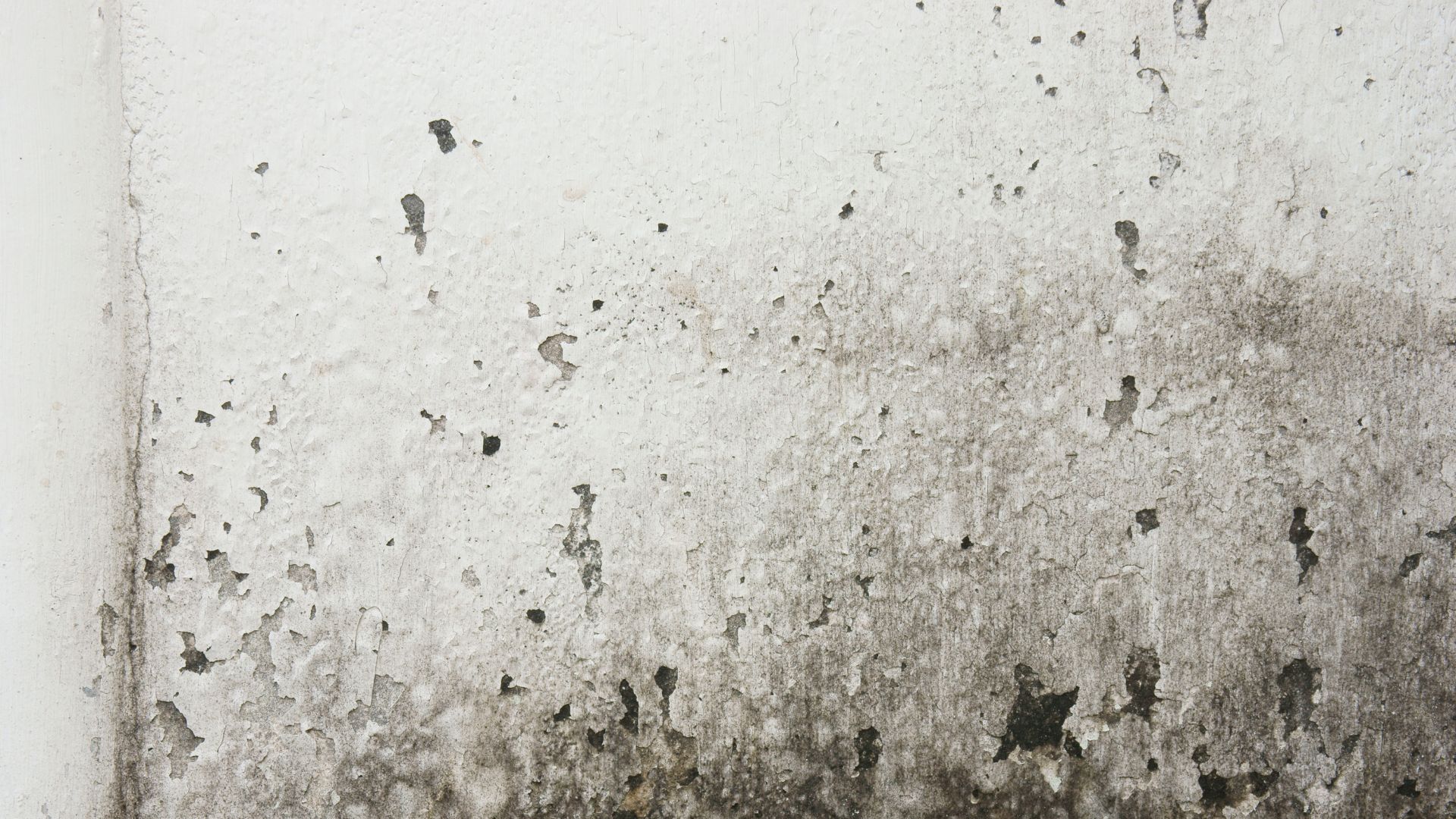
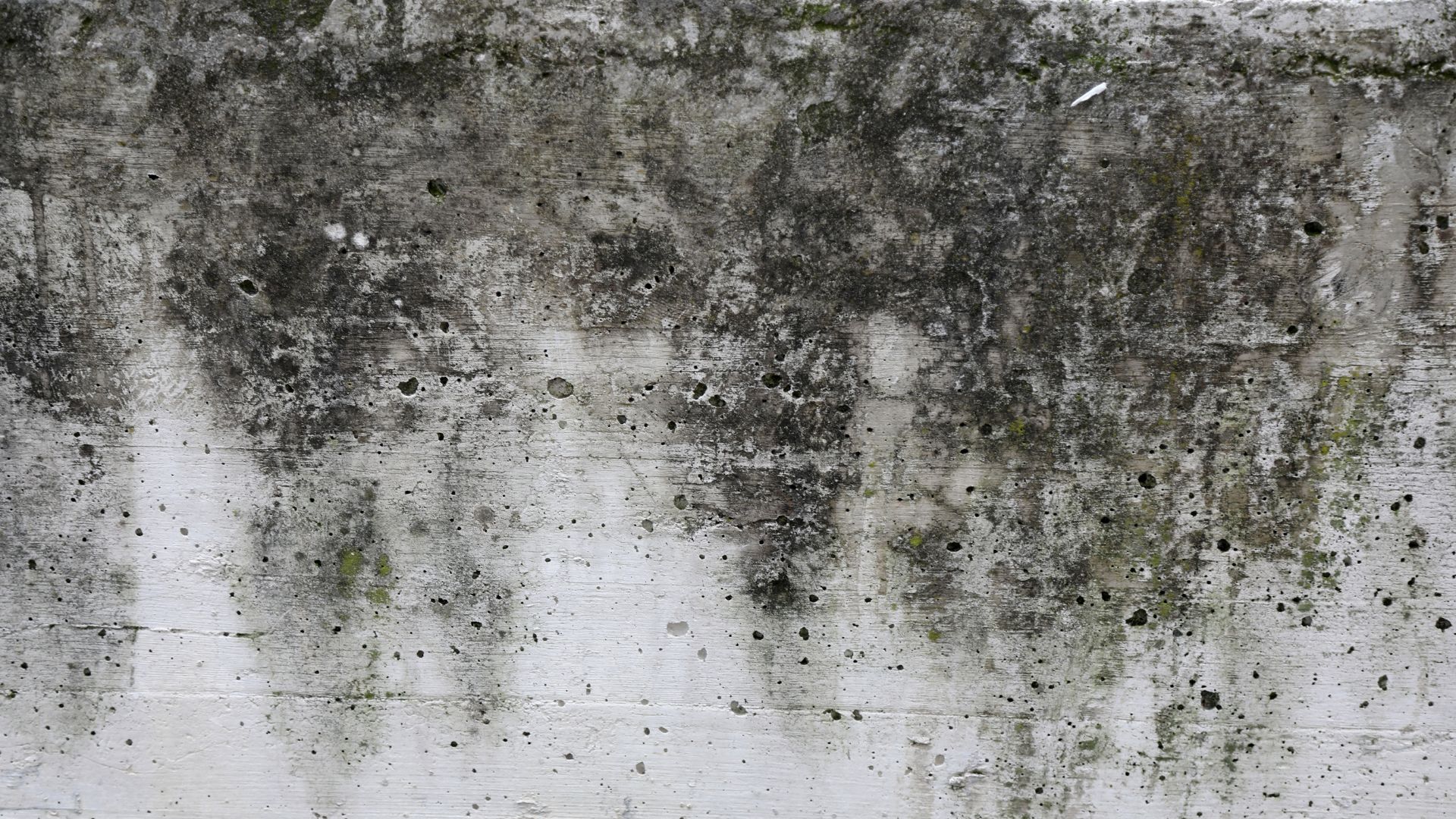
Protecting your foundation is crucial to avoiding issues such as cracking, sinking, or destabilization, which can lead to foundation health issues. A well-maintained foundation reduces the risk of interior damage and promotes a healthier living environment by preventing mold and mildew growth.
Common Risks to Your Foundation
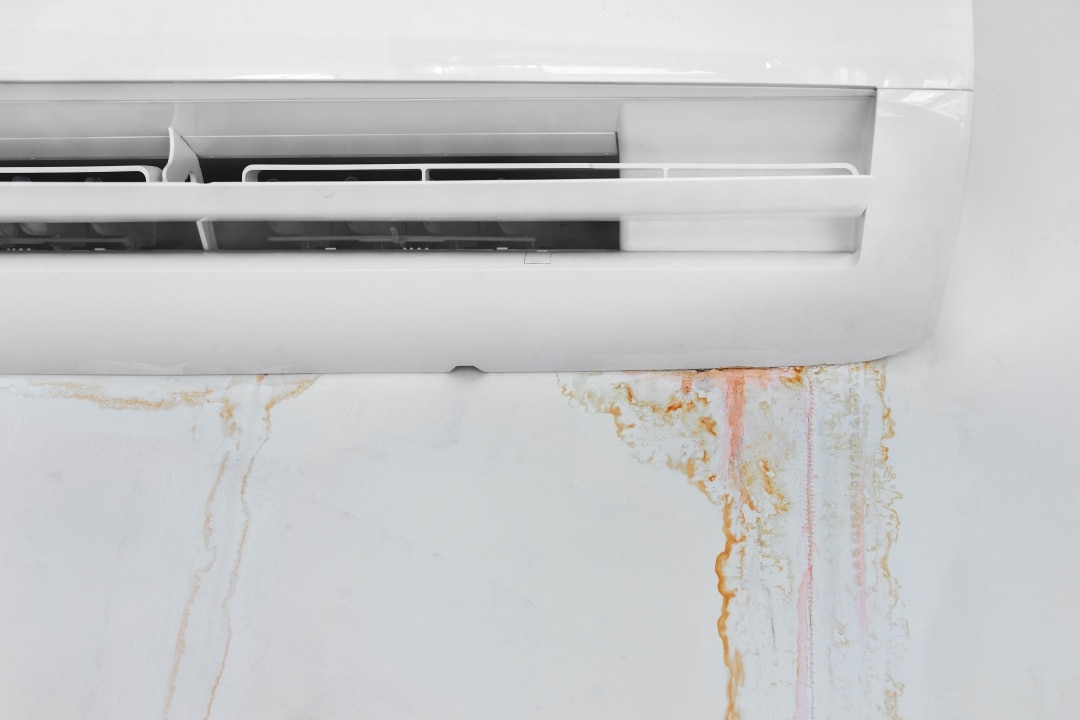
Moisture and poor drainage are significant threats, often leading to cracks and erosion. Improper soil grading and lack of routine maintenance further increase the risk. By recognizing these common risks, homeowners can take proactive measures to preserve their property’s integrity and value.
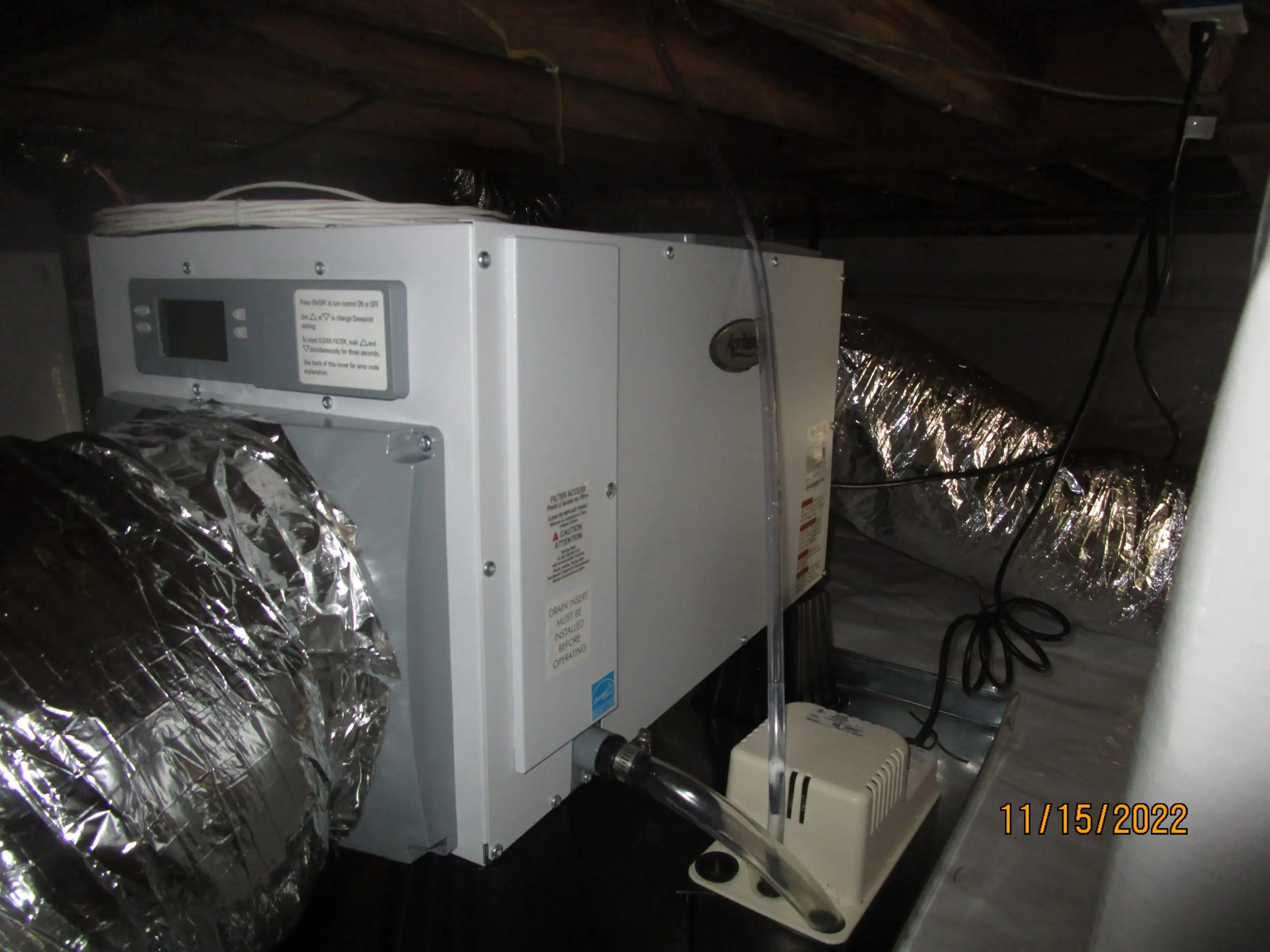
Dehumidifier installed in a crawl space with ductwork, essential for moisture control and mold prevention in Alabama homes.
Foundation Protection Methods
Numerous methods exist to safeguard your foundation, with encapsulation and moisture control strategies being particularly effective. Proper implementation can significantly decrease the likelihood of structural issues over time.
Methods of Foundation Protection
Crawl Space Encapsulation: A technique that involves completely sealing the crawl space to prevent moisture ingress. Crawl space encapsulation is a key solution that enhances your home’s durability.
Key Techniques
Effective foundation protection requires a multi-faceted approach.
- Using Dehumidifiers: Helps regulate moisture levels in areas prone to dampness.
- Proper Drainage Systems: Ensure water is directed away from your building’s base.
- Sealing Cracks: Prevents water infiltration and minimizes damages.
- Routine Inspections: Helps detect and address issues early on.
- Soil Grading: Improves runoff and reduces water pooling.
- Foundation Waterproofing: Provides an additional moisture barrier to protect against damage.
These strategies collectively enhance security against potential structural issues due to moisture and other environmental factors.
Choosing the Right Method
Selecting the most suitable foundation protection method depends on a variety of factors including your home’s specific needs, environmental conditions, and budget. Consulting with professionals can aid in determining which methods will best prolong the life of your home’s foundation. Moisture control and early warning signs play a crucial role in this decision process.
Identifying Foundation Problems
The early identification of foundation issues can save homeowners significant time and money. Recognizing early warning signs is key to maintaining both comfort and value in your home. Regularly reviewing a seasonal home maintenance checklist can be an effective preventative step.
Symptoms of Foundation Damage
Common symptoms of foundation problems include visible cracks in walls or floors, jammed doors or windows, and uneven floors. These signs usually indicate changes or movements in the foundation itself, which need immediate attention to avoid further damage.
When to Call a Professional
If you notice persistent or worsening signs of damage, it’s essential to consult a professional immediately. This ensures that foundational problems don’t escalate into more severe structural complications. A professional can also help you understand the potential hidden health costs associated with ignored foundation problems.
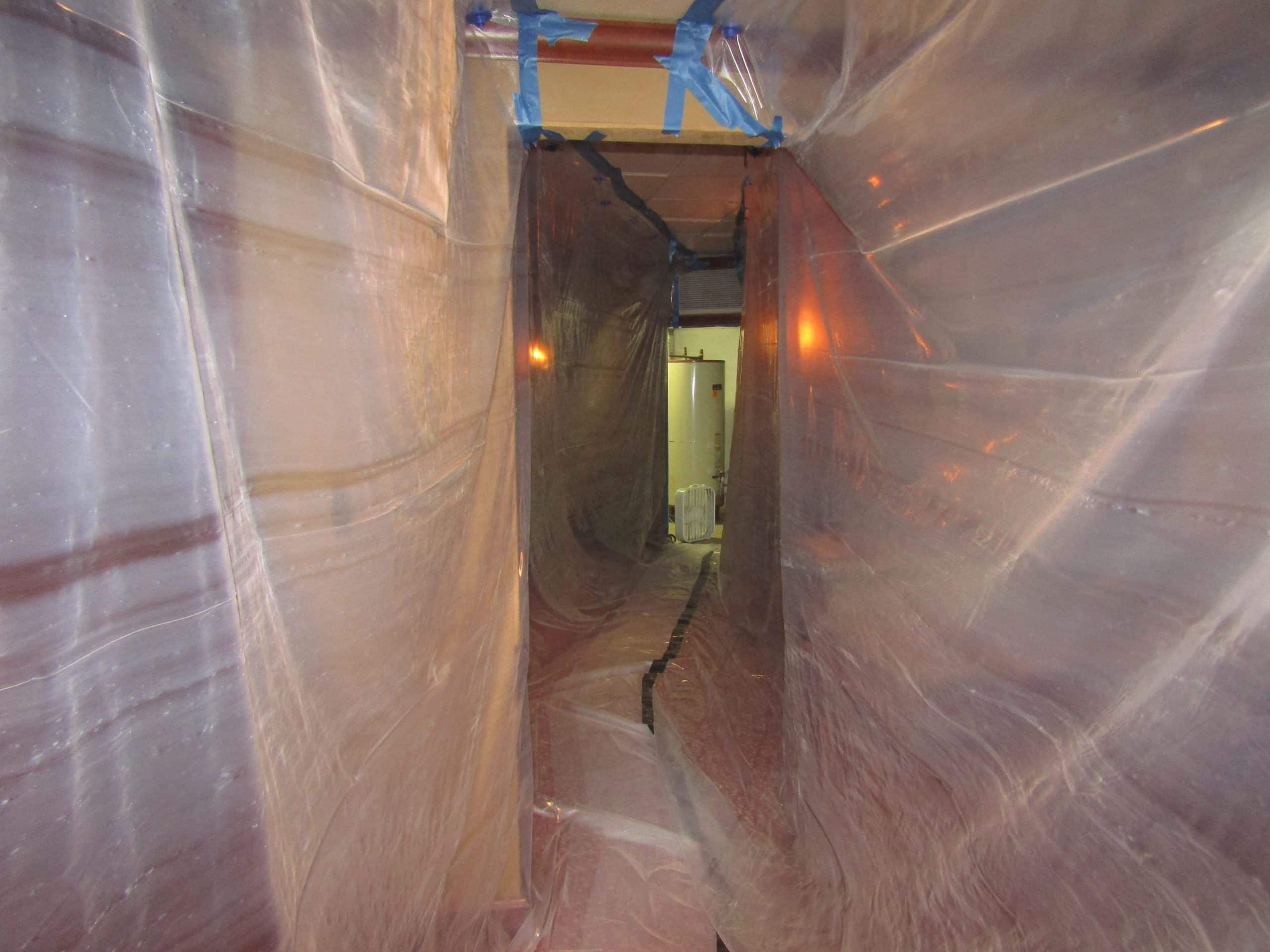
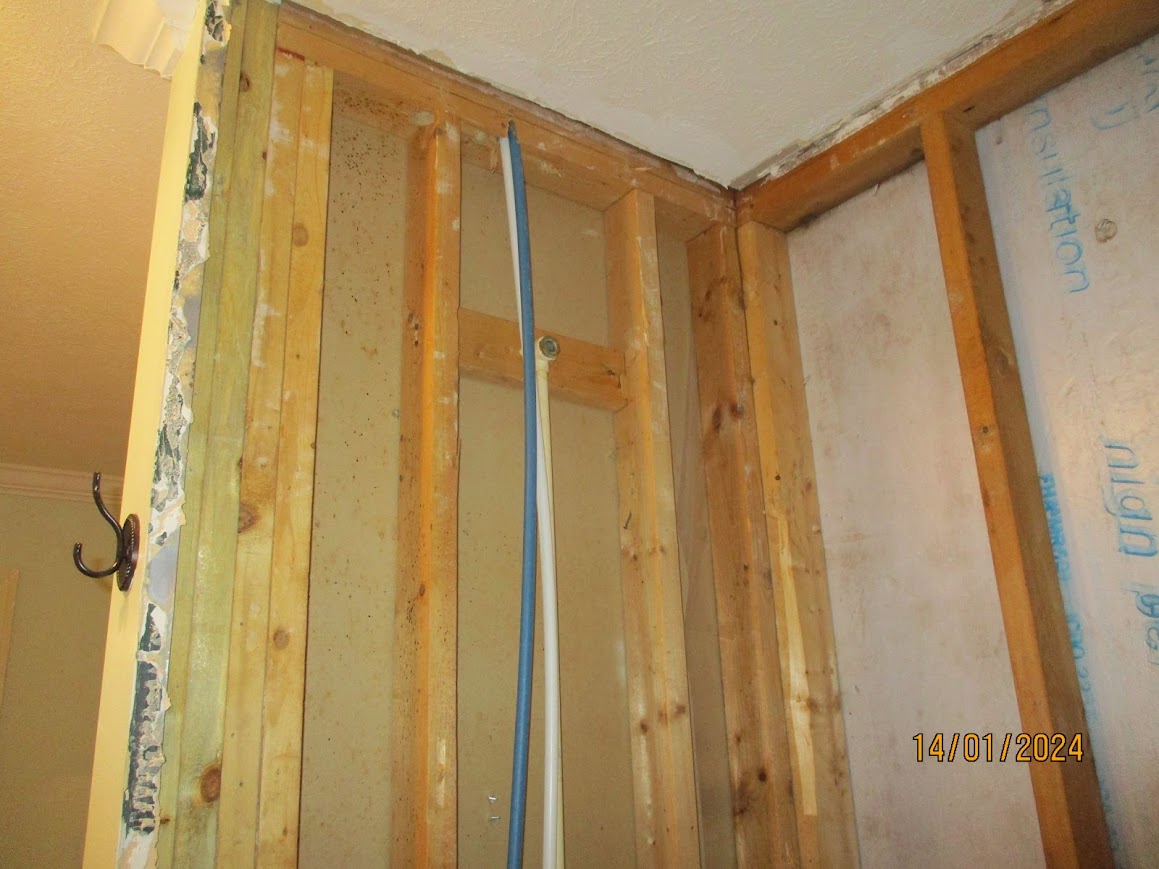
Hallway containment setup for mold remediation by Mold and Mildew Solutions in Alabama, ensuring effective mold removal and air quality improvement.
Regular Inspection and Maintenance
Routine inspections are crucial in identifying potential issues early, safeguarding your home from extensive damages.
Routine Inspection Guidelines
Conduct inspections by checking for subtle signs of displacement or damage to your foundation, including shifts, cracks, and water pooling. Utilizing a professional service for in-depth assessments can be invaluable.
Maintenance Actions to Take
Implementing these maintenance tasks can considerably enhance foundation durability:
- Check for Water Accumulation: Ensures that drainage systems are effectively diverting water away from your property.
- Inspect for Cracks or Shifts: Detects early signs of structural instability.
- Maintain Proper Drainage: Prevents water damage to the foundation.
- Look Out for Mold or Mildew: Indicators of excessive moisture that could damage structural components.
- Address Grading Issues: Enhances water runoff away from the foundation.
- Perform Seasonal Checks: Identifies any environmental changes that might affect your foundation.
Consistent maintenance will prevent major repairs and extend your foundation’s life.
Professional Services and Inspections
While homeowners can handle many aspects of foundation maintenance, employing certified services for comprehensive inspections, especially in complex issues like mold remediation, is often necessary. These professionals can identify and rectify problems early, ensuring your foundation remains strong and resilient.
Foundation Repair Costs Considerations
Understanding the financial implications of foundation repair is crucial for effective budgeting and preventing unwanted expenditures.
Understanding Foundation Repair Costs
The costs associated with foundation repair can vary widely, influencing budget planning significantly. Factors such as damage extent and repair method will largely dictate the financial demand. It is imperative to comprehend these aspects to prepare effectively.
Factors Affecting Costs
Several elements impact the cost of maintaining a robust foundation:
- Extent of Damage: More severe damage typically requires more extensive and costly repairs.
- Location: The geographical area’s soil type and weather conditions can affect costs.
- Repair Method Used: Different methods, such as piering or slabjacking, have varying cost implications.
- Insurance Coverages: Helps offset out-of-pocket expenses if covered under insurance policy.
Understanding these factors is key to managing the overall financial impact of foundation repairs.
Budgeting for Foundation Maintenance
Maintenance costs should be included as part of regular home upkeep budgets. Having a clear plan not only protects financial resources but also ensures that your home maintains its value and integrity over time.
Reviewing recent property evaluations and financial articles about foundation repairs can give homeowners a clearer picture of potential expenses and financial strategies.
Preventative Foundation Care
Proactive measures are essential to prevent foundation damage and ensure the longevity of your home.
Best Practices for Foundation Care
Establishing a habit of regular maintenance can significantly reduce the risk of foundation issues. Practicing careful landscaping planning and consistent review of drainage and plumbing systems strengthens foundational care.
Preventative Measures
Implement these strategies to significantly reduce the risk of foundational damage:
- Landscaping Away from the Foundation: Ensures moisture is directed away, reducing hydrostatic pressure.
- Installing Gutters and Downspouts: Efficiently directs rainwater away from the home’s base.
- Regular Plumbing Checks: Prevents leaks which might otherwise saturate the soil.
- Avoiding Soil Erosion: Maintains ground stability around your home.
Integrating these preventative measures minimizes risks and strengthens the property’s resilience against environmental stressors.
Long-term Care Strategies
Long-term maintenance entails regular assessments and quick responses to any changes observed in the foundation or landscape. Crawl space solutions and staying informed about the latest mold remediation processes will further support your home’s enduring strength and safety.
Consulting Professionals
While many foundation issues can be managed by homeowners, some situations demand expert intervention.
When to Seek Professional Help
If foundational problems persist despite DIY efforts, or if the damage appears severe, it’s time to call in the experts. Professionals have the tools and experience to address complex issues effectively.
Choosing the Right Specialist
Begin by researching local companies specializing in foundation repair and review their credentials and client testimonials. Choose contractors with proven expertise in foundation repair methods suited to your specific problems.
Questions to Ask Your Contractor
Approaching contractors with informed inquiries ensures you’re hiring the right people:
- What repair methods do they specialize in?
- How many years of experience do they have?
- Do they offer warranties on their work?
- What are their credentials and certifications?
Aligning with the right professionals ensures effective solutions and peace of mind regarding your home’s integrity.
Conclusion on Foundation Protection
Foundation protection is a crucial aspect of home ownership, reflecting long-term care and attention to maintain value and security.
Recap of Foundation Protection Strategies
Employing a mix of proactive maintenance, timely inspections, and the right professional interventions ensures that your foundation remains steadfast.
Investing in Your Home’s Future
Taking care of the foundation means investing in your home’s future stability and worth. By regularly addressing potential issues and integrating proper maintenance strategies, you ensure the longevity and safety of your environment.
Final Thoughts
Your home’s foundation should never be overlooked. With appropriate strategies, such as those discussed here, you can reinforce its strength and safeguard your home against unforeseen challenges.
Foundation Protection Strategies FAQ
Foundation damage signs include visible cracks on walls or floors, sticking doors and windows, uneven floors, and water seepage in basements.
It’s recommended to inspect your foundation annually, preferably in spring and fall, to catch any seasonal shifts or damage early.
Effective methods include proper drainage systems, crawl space encapsulation, and regular foundation inspections. These prevent moisture infiltration and structural damage.
The cost varies based on damage severity and repair method but typically ranges from hundreds to thousands of dollars. Consultation with professionals can provide a more precise estimate.