Understanding Hidden Mold
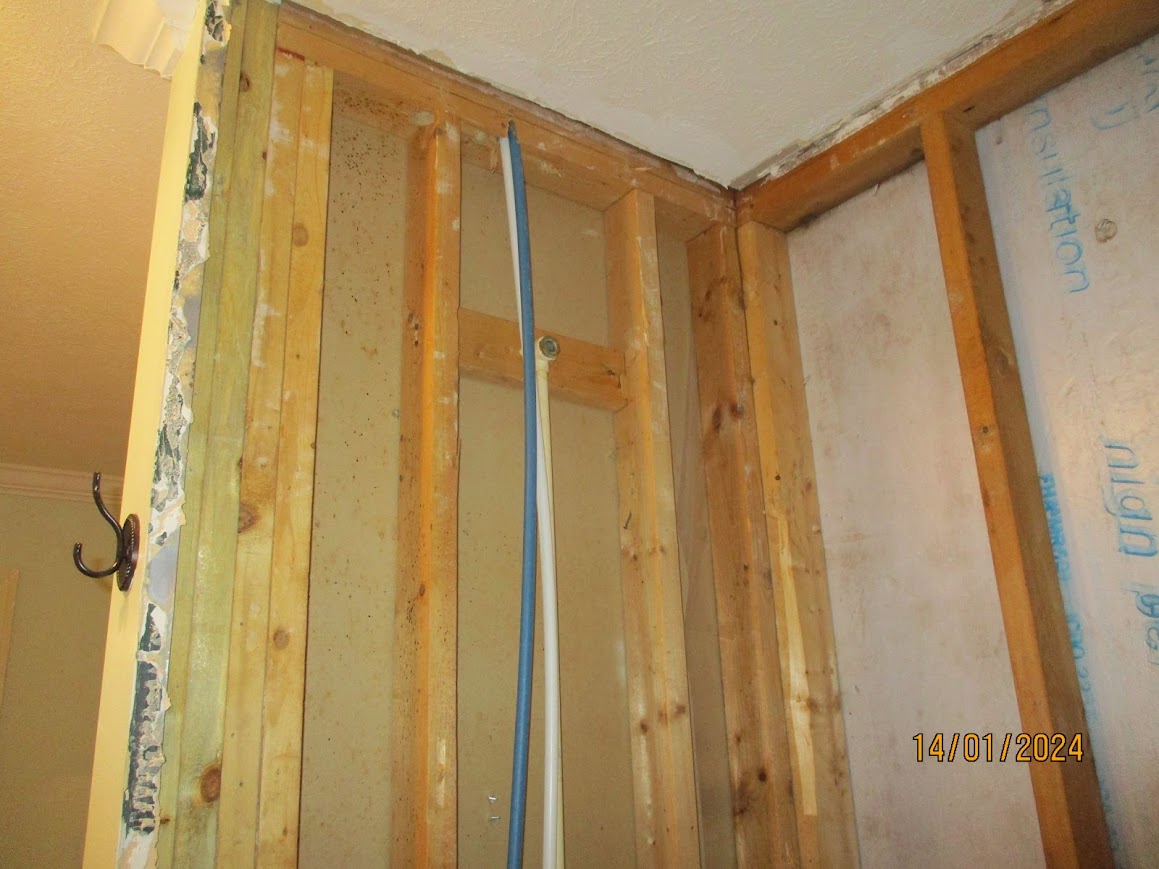
Mold can be a silent intruder in your home, often going unnoticed until it becomes a significant problem. Hidden mold, particularly inside walls, is a common issue homeowners face. It thrives in damp, dark environments and can lead to severe health issues and structural damage if left undetected. Understanding how to test for mold inside walls is crucial for maintaining a healthy living space.
Mold exposure symptoms can range from mild allergic reactions to severe respiratory problems. This makes early detection vital to prevent these health risks. Additionally, hidden mold can significantly affect your property’s structural integrity, leading to costly repairs.
Testing for mold is not just about maintaining aesthetics; it is also about ensuring family health protection. Regular testing helps in early identification and mitigation of mold issues. Thus, understanding the importance of mold testing cannot be overstated, as it effectively prevents long-term health and property damages.
Why Testing is Important
Hidden mold can affect anyone, but individuals with asthma, allergies, or a weakened immune system are particularly vulnerable. The spores can trigger symptoms such as sneezing, coughs, and in severe cases, fungal infections. Conducting regular tests helps in avoiding such health risks by providing early intervention opportunities before mold becomes a significant problem.
Moreover, hidden mold can damage the structural components of your home. It can weaken the walls, floors, and ceilings, which can be dangerous and costly to repair. Regular testing can pinpoint problem areas, making it easier to address issues proactively and preserve the integrity of your home.
Impacts on Health and Property
Mold’s health effects are not to be taken lightly. Prolonged exposure can lead to chronic health issues, particularly affecting respiratory health. Structural damage is another critical impact of hidden mold. It often necessitates expensive repairs if left unchecked.
Testing for mold is an essential step in ensuring the safety and health of your living environment. Whether through professional services or DIY methods, it’s a protective measure that benefits both health and property. The gradual deterioration caused by mold should be a wake-up call to any homeowner concerned about maintaining a safe abode.
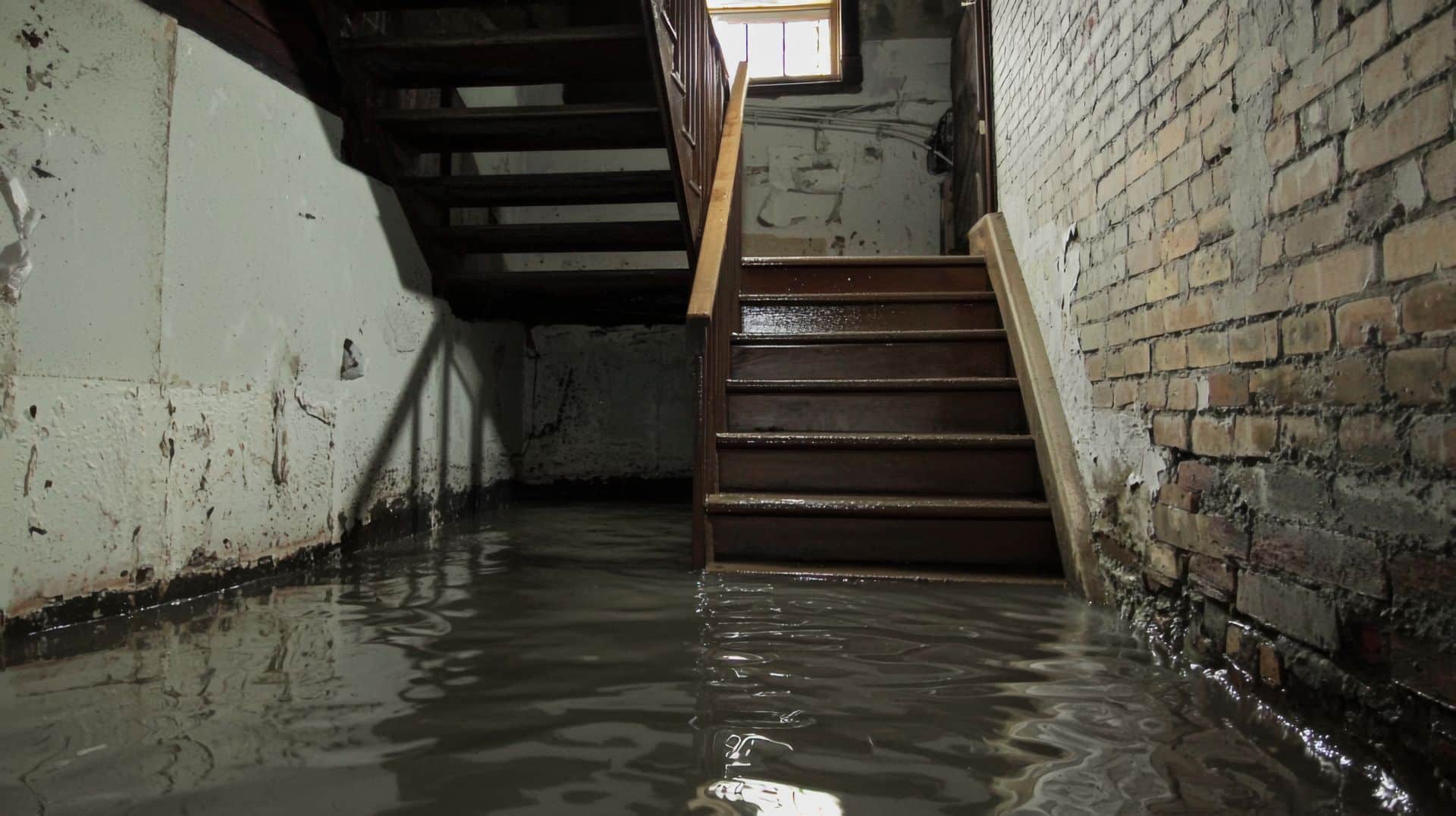
A basement in Birmingham, AL, shows significant water damage with flooding, highlighting the need for expert mold inspection and restoration services.
DIY Testing Methods
For homeowners who prefer a hands-on approach, several DIY methods can help in detecting hidden mold within walls. These methods are cost-effective and often easy to implement. Here are some common techniques you can use: using mold test kits available at hardware stores is a convenient way to identify mold presence. They provide an initial indication of mold issues, although professional confirmation is recommended for accurate results.
Another method involves using a moisture meter to detect potential mold hotspots. Mold often develops in damp areas, and a moisture meter can indicate high moisture levels in your walls. This can serve as a red flag alerting you to possible mold issues, which should prompt further investigation.
Professional Inspection Techniques
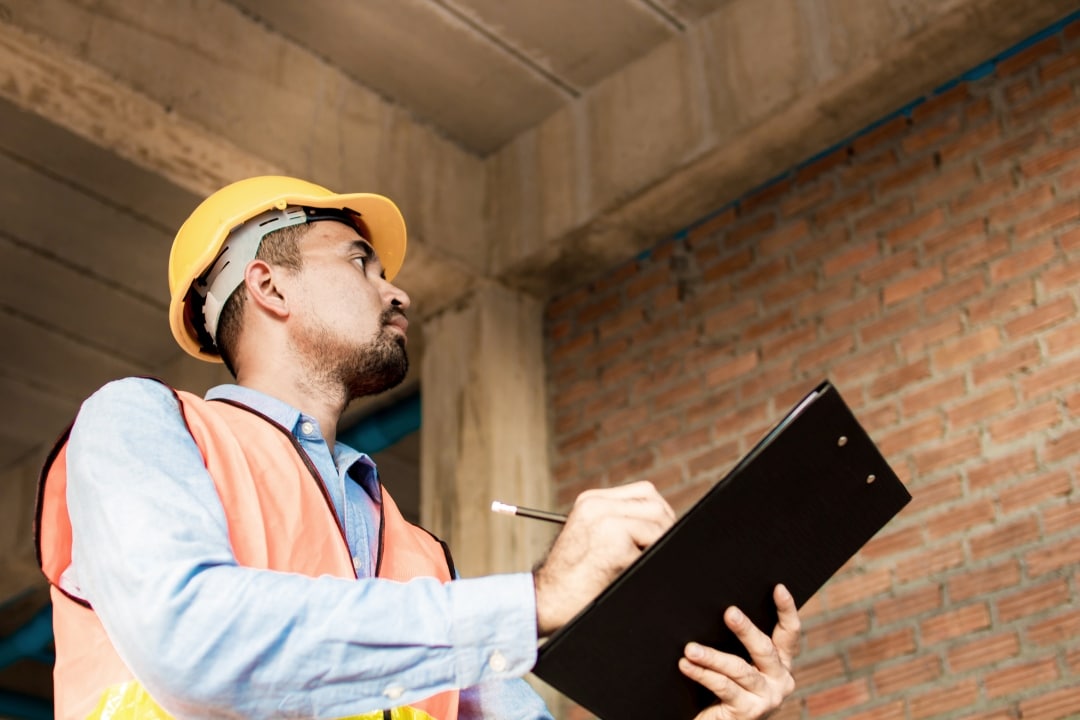
While DIY methods provide a preliminary insight, mold testing services offer a more thorough examination. Professionals use advanced tools to detect mold, measuring the spores in the air and using infrared cameras to uncover hidden moisture areas. Their expertise ensures not just detection but also recommendations for dealing with mold effectively.
Hiring a professional also provides peace of mind by offering a detailed report of mold presence and advice on remediation strategies. This is particularly beneficial for severe infestations or when mold is suspected in complex areas of the home.
Crawlspace inspections and routine maintenance checks are other effective ways to address potential mold problems. By identifying and addressing moisture issues early, you can prevent mold from developing and ensure your home’s longevity and safety.
Common Symptoms of Mold
Detecting mold early is crucial for effective remediation. Homeowners should be aware of various symptoms that might hint at mold presence within walls. Common signs include musty odors, visible mold growth, and persistent allergy symptoms in inhabitants. These indicators, even if subtle, should prompt further investigation.
Moisture problems are often the precursor to mold growth, so addressing them before they escalate is key. Recognizing these signs early allows for timely interventions, potentially saving on costly mold treatments further down the line.
Indicators of Hidden Mold
Once you suspect the presence of hidden mold, it’s important to look for specific indicators that warrant further testing. Here are some notable signs:
- Unpleasant odors: A persistent musty smell often indicates mold lurking behind walls.
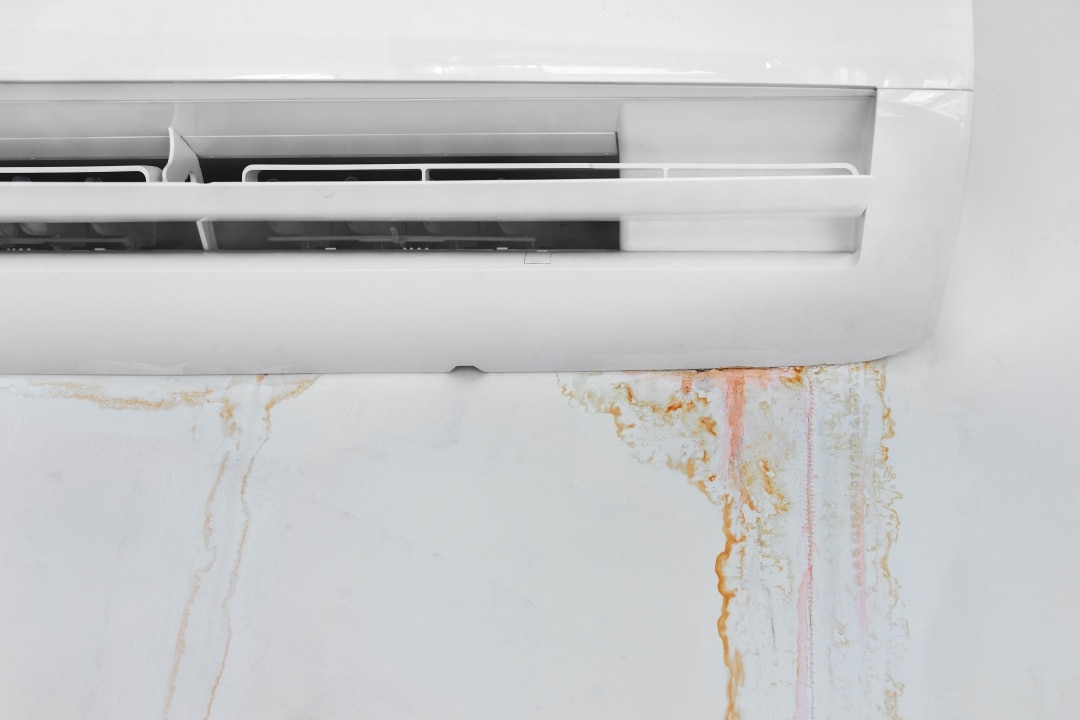
- Water stains on walls: Discoloration or staining on walls can signal underlying moisture and mold.
- Peeling paint or wallpaper: Layer separation of the wall surface over time suggests moisture and possible mold issues.
- Frequent allergic reactions: Increased or regular occurrence of allergy-like symptoms such as sneezing and coughing.
Being aware of these indicators is essential for homeowners keen on maintaining a safe living environment. Always consider professional confirmation if these signs are present, as it helps ensure the correct mold remediation steps are taken.
Beyond these signs, factors such as high indoor humidity should not be ignored, as they can aggravate mold situations, necessitating interventions like crawl space encapsulation to keep the environment dry and mold-free.
Steps to Take After Detection
Once mold has been detected, immediate action is necessary to prevent further spread and mitigate potential health risks. The first step is to assess the extent of the mold problem. Determining the severity will guide you on whether you need professional help or if the issue can be managed independently.
Next, ensure proper protection by wearing protective gear such as masks and gloves when dealing with mold. This reduces exposure to harmful spores. Immediately remove or isolate affected materials like drywall to prevent spores from spreading to other areas of your home.
An effective mold removal strategy involves contacting an emergency mold removal service when the infestation is extensive. They have the tools and expertise required to manage and remove mold safely and efficiently.
Remediation Options
There are several remediation options available post-detection. Each option depends on the severity and size of the infestation, and often a combination of methods may be required:
- Professional mold removal services: Experts use specialized equipment to safely remove mold and sanitize the area to prevent future outbreaks.
- DIY cleaning solutions: Mild cases of mold can sometimes be addressed with household cleaning agents, though professional advice is recommended.
- Preventive measures to avoid recurrence: Implementing moisture control and regular checks to prevent mold growth following remediation.
- Regular inspections for peace of mind: Scheduling routine mold inspections helps detect any new growths early.
- Moisture control techniques: Dehumidifiers and ventilation improvements keep humidity levels low, thwarting mold growth.
Using a combination of these strategies ensures comprehensive mold management and reduces the likelihood of recurrence. Such measures also protect your home from the financial and health impacts that can arise from unresolved mold issues.
For commercial properties, commercial mold remediation services are essential as they cater specifically to business environments, ensuring safety and compliance standards are met.
Regular Maintenance Practices
Preventing hidden mold growth in the long run involves regular maintenance and early intervention strategies. Regularly check for any signs of moisture or water damage in areas like basements, bathrooms, and kitchens, as these spots are most susceptible to mold growth due to their exposure to water.
Use dehumidifiers and maintain proper ventilation in humid regions of your home to decrease moisture levels. Regularly inspecting less accessible spots, such as attics and crawl spaces, can also help in early detection of potential mold issues. Implementing moisture control procedures is vital to prevent mold development from persistent dampness.
When to Seek Professional Help
Even with regular maintenance, there are times when seeking professional expertise is necessary. If you encounter large mold patches or if mold keeps recurring, contact a remediation expert. Professionals not only remove mold effectively but also address underlying issues causing moisture accumulation.
Having a professional regularly inspect your home can prevent minor issues from becoming extensive problems. This approach also aids in understanding the unique vulnerabilities of your property, ensuring tailored and more effective solutions for mold prevention.
Understanding Your Home’s Vulnerabilities
Each home has its own set of vulnerabilities when it comes to mold growth. Understanding these can help in crafting a more effective maintenance schedule. For instance, older homes might have outdated plumbing systems, leading to leaks and subsequent mold growth, while newer homes may have different concerns such as improperly installed insulation.
Knowing your home’s weaknesses allows you to take targeted actions, such as upgrading insulation, repairing outdated systems, or even consulting a specialist for a comprehensive mold management plan, which includes the mold remediation process.
By implementing these consistent maintenance practices and understanding your home’s specific needs, you play a proactive role in guarding against mold growth. This holistic approach not only protects your investment in your property but also secures the health and safety of your household.
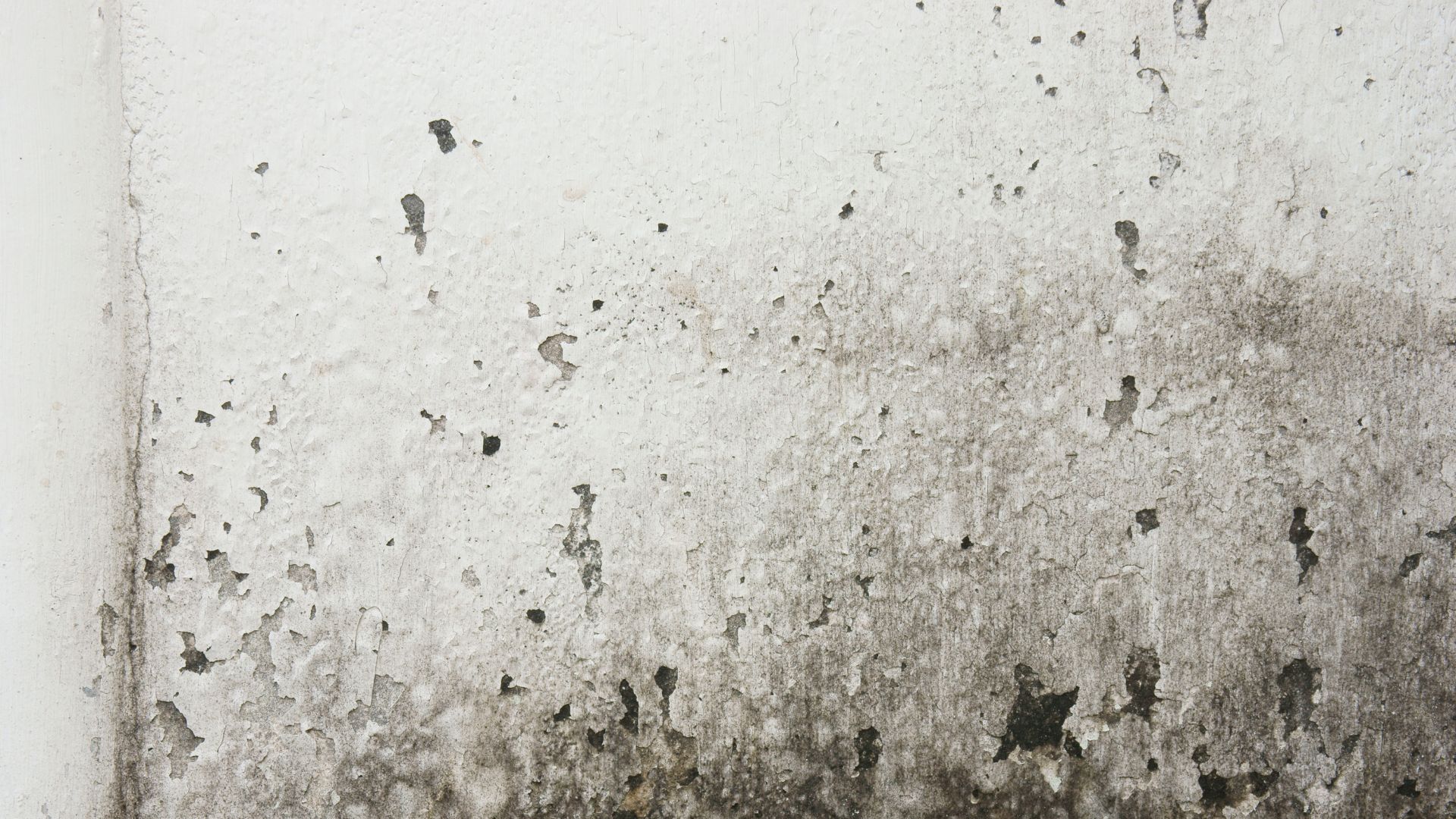
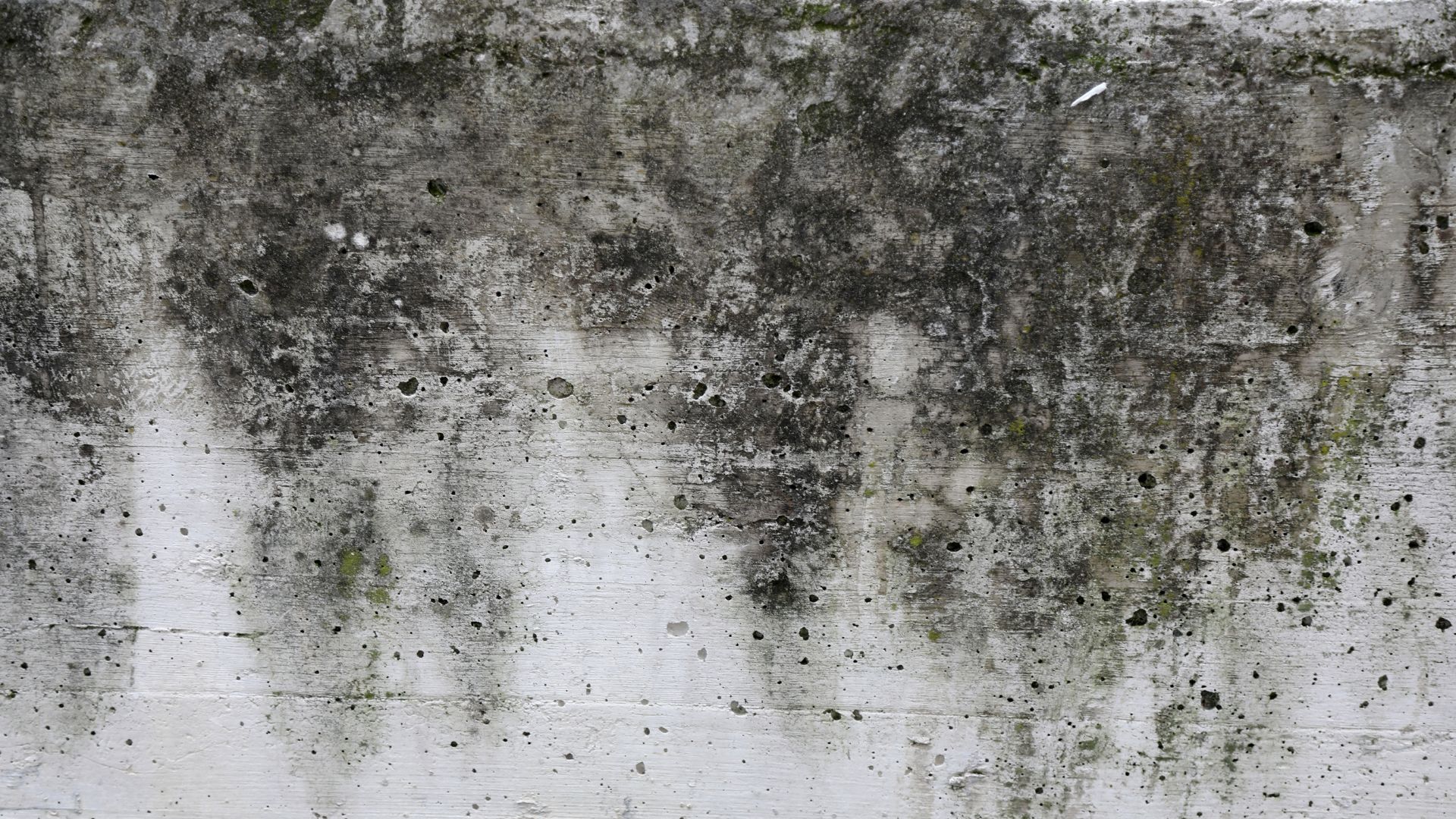
A wall with visible mold growth, highlighting the need for mold remediation and moisture control services in Alabama.
Final Thoughts
Mold testing is an essential preventive measure that every homeowner should consider. By testing for hidden mold, you can protect your home and health from the adverse effects of mold exposure. The process not only prevents potential health issues but also helps in maintaining the property value by avoiding damage caused by mold growth.
Taking the initiative to test for mold inside walls can save significant time and resources in the future. Regular inspections and maintenance, combined with professional interventions when necessary, ensure a mold-free living environment. Understanding the importance of mold testing can help avoid complicated and costly remediation processes down the line.
Next Steps
Here are some actionable steps you can take to ensure your home remains mold-free:
- Schedule a mold inspection: Regular professional inspections can catch mold early before it becomes a serious problem.
- Educate yourself on mold prevention: Understanding how mold grows helps in implementing effective preventive measures.
- Know the signs of mold growth: Familiarize yourself with common indicators of mold to protect your home and family.
- Regularly check basements and crawlspaces: These areas are prone to moisture and should be checked often for mold presence.
- Consider home air quality tests: These tests can detect airborne mold spores, providing an additional layer of monitoring.
- Maintain proper ventilation: Improving airflow helps reduce moisture levels, a key factor in impeding mold growth.
By taking these proactive steps, you can maintain a healthy and safe living environment. Whether through mold testing services or personal vigilance, ensure every measure is taken to protect your home against mold-related risks.
If you suspect mold or need assistance, do not hesitate to reach out to professionals through services offering mold remediation near you, who are equipped to handle such situations efficiently.
The best method to test for mold is through professional inspection. They have the tools and expertise to accurately detect mold and assess the situation. While DIY methods can provide a preliminary check, they often lack the precision needed for comprehensive detection. You can suspect mold in your walls by identifying common signs such as musty odors, discoloration, peeling paint, and frequent allergic symptoms. For confirmation, using a mold test kit or seeking professional inspection is recommended. Mold exposure can lead to a variety of health issues, including respiratory problems, allergic reactions, and in severe cases, infections. Those with asthma or other respiratory conditions are especially at risk. Chronic exposure can exacerbate these conditions. The cost to remove mold varies based on the extent of the infestation and the area affected. On average, it can range from a few hundred dollars to several thousand, particularly if the mold has affected structural elements. Professional assessment will provide a more accurate cost estimate.How to Test for Hidden Mold FAQ