What is Indoor Air Quality?
Indoor air quality (IAQ) refers to the condition of the air inside buildings and structures, particularly as it relates to the health and comfort of the building’s occupants. High-quality indoor air is essential for a healthy home environment, as poor IAQ can lead to numerous health issues, including respiratory problems and allergies. It is vital to monitor and address IAQ as part of regular maintenance and health practices.
Understanding the factors that impact IAQ allows homeowners to take proactive steps in maintaining a healthy indoor environment. Regular indoor air quality testing in Birmingham, AL can provide insights into potential issues or improvements needed. Such testing helps in creating a safe and comfortable home for your family.
Importance of Indoor Air Quality
Maintaining high indoor air quality is crucial for several reasons. Firstly, a home with good air quality promotes the health and well-being of its occupants, reducing the risk of airborne illnesses and improving overall comfort. Secondly, it preserves the integrity of the building’s materials by preventing excessive moisture buildup that could lead to structural damage.
Ensuring a healthy home involves regular assessment and improvement of IAQ, thus extending the lifespan of home systems and decreasing energy costs. Poor air quality can contribute to the wear and tear on HVAC units and increase energy consumption, thereby raising utility bills.
Factors Affecting Indoor Air Quality
Several factors affect indoor air quality, including outdoor pollution levels, ventilation systems, and indoor pollutants such as cleaning agents or tobacco smoke. Understanding these can help in tailoring solutions specific to each home environment. Furthermore, factors such as climate, geographical location, and home design play significant roles in determining IAQ.
Homes situated in highly industrialized or urban areas often experience adverse effects from outdoor contaminants infiltrating indoors. Proper ventilation systems are essential to mitigate these impacts, ensuring that fresh air circulation remains intact while minimizing exposure to outdoor pollutants.
Another critical aspect to consider is the role of humidity levels. Excess humidity can lead to mold growth, further deteriorating air quality and contributing to health hazards. Effective moisture control and regular household cleaning reduce the potential for such issues, promoting a healthier living space.
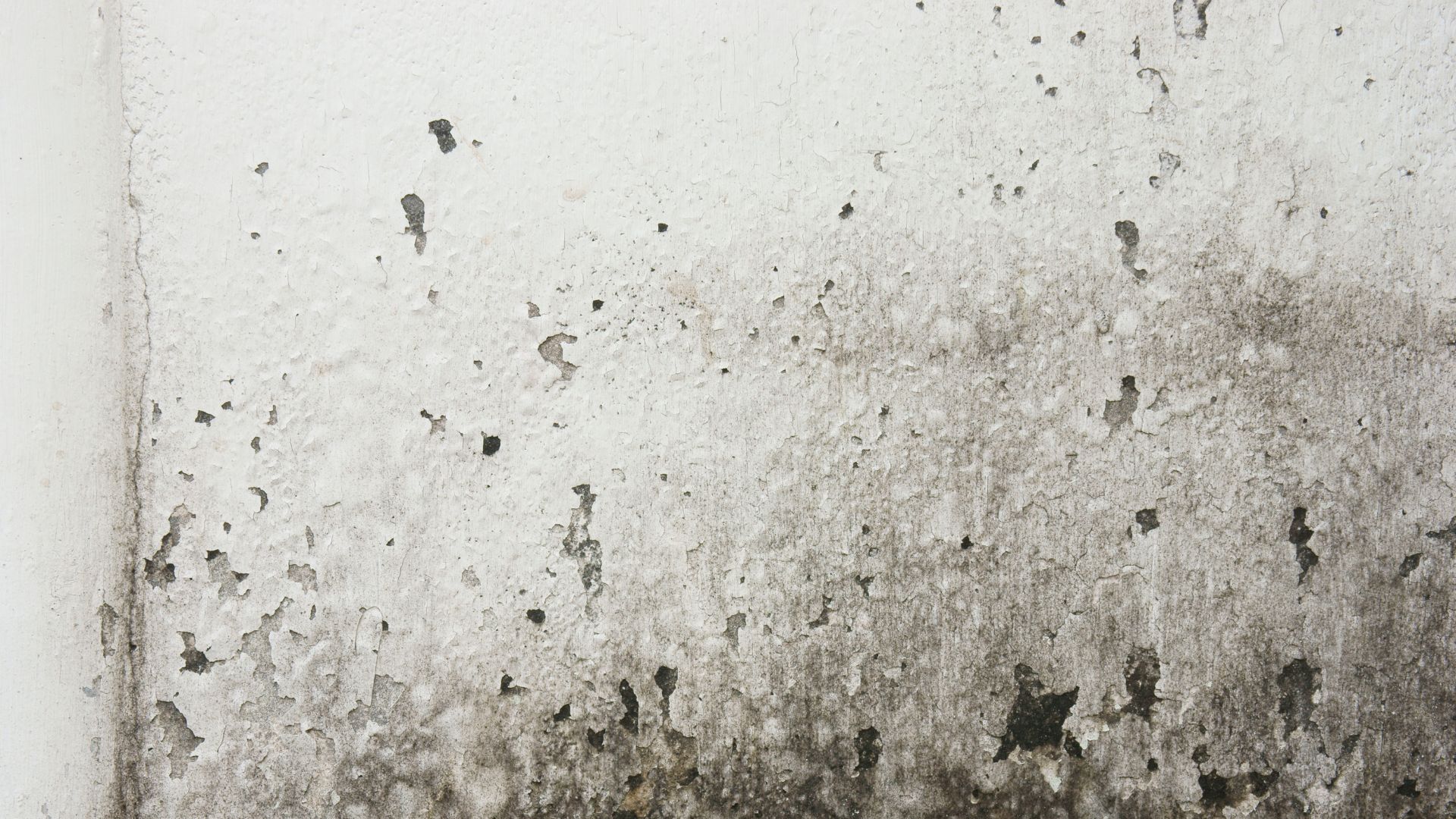
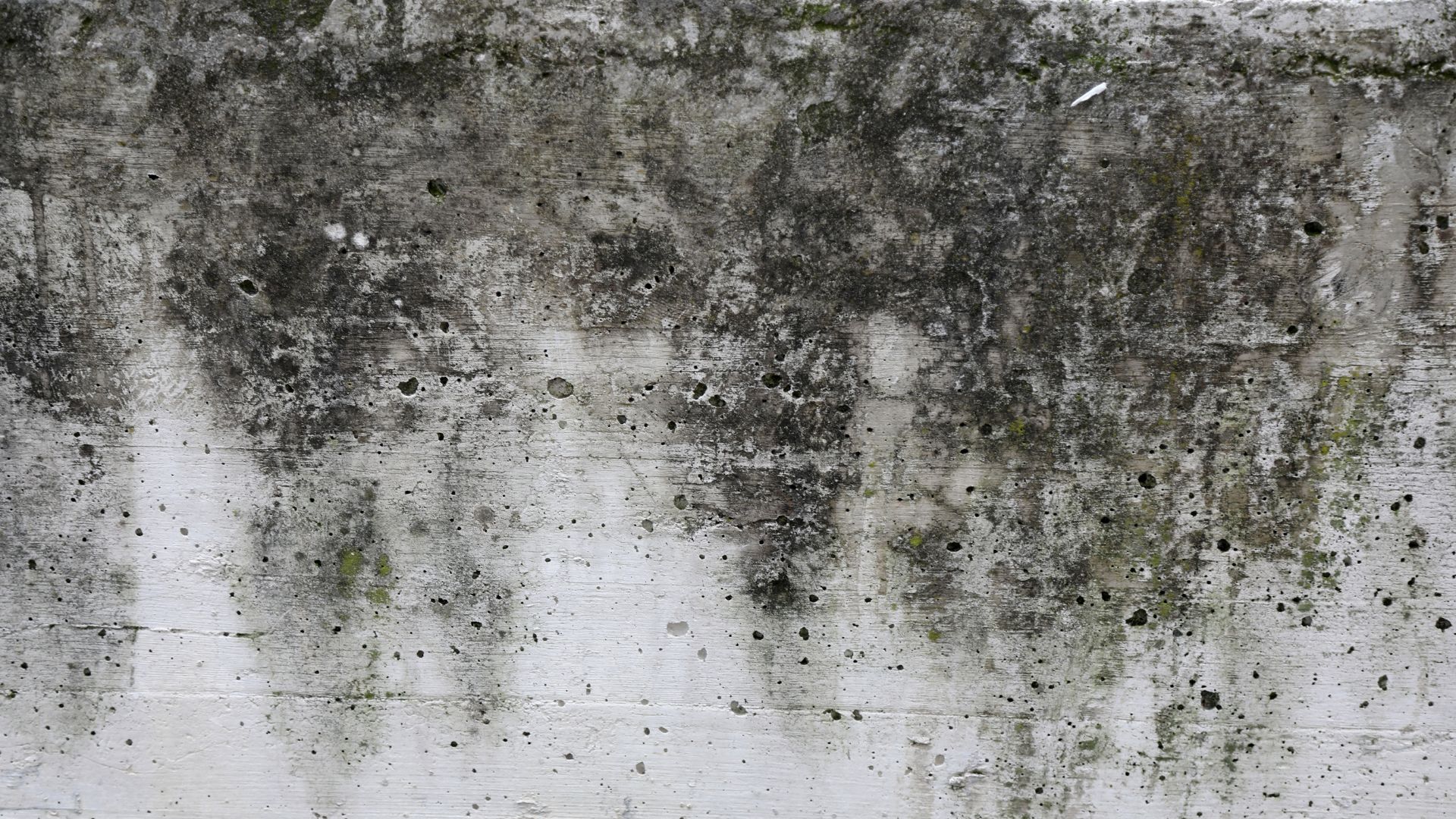
A wall with visible mold growth, highlighting the need for mold remediation and moisture control services in Alabama.
Common Contaminants in Indoor Air
Indoor air can be contaminated by numerous substances, negatively impacting air quality and health. Some common indoor contaminants include dust mites, pet dander, mold spores, and volatile organic compounds (VOCs) released from paint, cleaning products, and various household items. These pollutants can cause symptoms such as coughing, sneezing, and irritations, making it essential to identify and address them effectively.
Additionally, tobacco smoke and chemical emissions from building materials contribute to deteriorating air quality. Addressing these sources requires a comprehensive approach, including improved ventilation and choosing products low in VOCs to maintain a healthy home environment.
How to Improve Indoor Air Quality
Improving indoor air quality involves a range of strategies aimed at reducing contaminants and enhancing air circulation. Each method requires an understanding of specific household needs, making regular inspections and maintenance vital. Here are some effective measures:
- Regular HVAC maintenance: Ensures efficient operation, reducing harmful emissions and improving air circulation.
- Using air purifiers: Helps remove particles like dust, pollen, and mold spores from the air.
- Controlling humidity levels: Prevents mold growth and maintains comfortable indoor conditions.
- Proper ventilation: Allows for adequate air exchange, eliminating stale or contaminated air.
- Periodic mold inspections: Help identify and manage mold issues before they worsen.
- Promoting a smoke-free environment: Reduces the introduction of harmful chemicals.
Implementing these strategies complements the overall approach to improving indoor air quality, benefiting both health and home maintenance. Regular inspection and remediation strategies are fundamental to these efforts, ensuring a cleaner, safer environment.
Impact of Outdoor Air Quality
The quality of air outside your home significantly affects your indoor environment. Pollutants from vehicle exhaust, industrial emissions, and seasonal allergens can seep into homes and contribute to poor indoor air quality. Therefore, monitoring and responding to local air quality alerts can help mitigate these effects.
Utilizing air barriers and high-efficiency filters in HVAC systems can diminish the extent of outdoor pollution entering the home. Additionally, regularly cleaning and maintaining HVAC systems aids in circulating cleaner air, thus reducing the overall influence of outdoor pollution.
Understanding the Stack Effect
The stack effect describes the movement of air into and out of buildings due to differences in indoor and outdoor air density, primarily as a result of temperature and humidity differences. Warmer indoor temperatures cause air to rise, drawing in cooler air from outside, through openings or ventilation systems.
This phenomenon is more pronounced in taller buildings where differences in air pressure between the base and the roof are more substantial. When not managed properly, the stack effect can bring in pollutants from outside or raise indoor levels of harmful contaminants, such as radon or smoke.
Implications of the Stack Effect on Air Quality
The stack effect can complicate efforts to maintain good indoor air quality, particularly if a home is not adequately sealed. Once inside, pollutants can circulate and become trapped, leading to increased contamination levels. Addressing this requires ensuring homes have adequate insulation and proper ventilation systems.
Sealing gaps and using high-quality air filters can reduce the negative impacts of the stack effect. Regular monitoring and maintenance can further help control indoor air quality issues by mitigating unwanted air infiltration.
Stack Effect vs. Other Air Circulation Problems
Common air circulation problems in homes, such as inadequate ventilation or poor HVAC performance, can exacerbate the stack effect, leading to increased discomfort and health risks. These issues often accompany signs like uneven room temperatures or persistent drafts.
Comparing the stack effect to other circulation problems can help diagnose and solve specific air quality challenges within a home. Addressing leaks, evaluating heating and cooling efficiency, and strategically placing ventilation aids in combating these issues, creating a healthier home environment.
Every home experiences varying degrees of circulation problems, but understanding each one’s impact on indoor air quality is critical for implementing targeted solutions and fostering a healthier living space.
Conducting Indoor Air Quality Inspections
Regular indoor air quality inspections are essential for maintaining a healthy living environment. These inspections should involve assessing key areas such as ventilation systems, HVAC efficiency, and potential contaminant sources. By identifying issues early, homeowners can take corrective actions to improve overall air quality.
Professional inspections often include testing for mold, radon, and carbon monoxide levels, among other indoor pollutants. These assessments help pinpoint problems that might otherwise go unnoticed, allowing for effective remediation before they impact health and structural integrity.
Mold Remediation Process
Mold remediation is a critical step in addressing poor indoor air quality, as mold not only deteriorates the environment but also poses health risks. Effective remediation involves several key steps to ensure thorough elimination and prevention of recurrence:
- Initial assessment: Identifying mold presence and determining its extent.
- Containment of affected areas: Preventing mold spores from spreading during the cleanup process.
- Air filtration: Using specialized equipment to clean and purify the air.
- Mold removal: Safely eliminating mold from surfaces and structures.
- Cleaning and restoration: Restoring affected areas to their original condition.
- Final tests and clearance: Ensuring mold levels are safe and the area is thoroughly cleaned.
Each step is vital in preventing further mold issues and securing a healthy home environment. Homeowners may also benefit from learning about foundation protection measures that prevent moisture intrusion, a major contributor to mold growth.
Health Risks of Poor Indoor Air Quality
Poor indoor air quality can lead to numerous health risks, affecting both short-term wellbeing and long-term health. Some potential symptoms include respiratory issues, allergies, and even cognitive impairments, which can arise from exposure to pollutants like mold spores or household chemicals. Here are some key health concerns associated with inadequate air quality:
- Respiratory issues: Including asthma flare-ups and chronic bronchitis resulting from irritants and pollutants.
- Allergies: Caused by dust, pollen, and pet dander in inadequately maintained environments.
- Cognitive impairment: Exposure to some indoor pollutants may affect cognitive functions, particularly in children and the elderly.
- Fatigue: Due to repeated exposure to carbon monoxide and other contaminants.
- Mold-related illnesses: Sometimes aggravated by extensive mold growth and resulting in various health issues.
- Long-term health effects: Including increased risk for cardiovascular diseases and certain cancers.
- Symptoms of mold exposure: Can range from mild to severe depending on exposure levels.
- Prevention strategies: Include regular home maintenance and professional mold removal.
Signs of Poor Indoor Air
Several indicators suggest deteriorating IAQ, such as persistent musty odors, consistently dusty surfaces, and increased allergy symptoms. Monitoring these signs is crucial for timely intervention to improve air quality and ensure healthy living conditions. Regular inspections can help in identifying and addressing these signs effectively.
Being aware of these symptoms can motivate timely maintenance and adjustments, significantly improving home Air Quality and occupant health. Reference to seasonal maintenance checklists can be beneficial in guiding these efforts.
When to Seek Professional Help
While many steps can be taken independently to improve air quality, professional assistance should be sought when symptoms persist despite DIY efforts, or when the extent of contamination is unknown. Experts can conduct thorough evaluations and recommend effective solutions customized to the specific needs of your home.
Consulting with professionals can provide deeper insights into improving indoor air quality both efficiently and effectively, reducing health risks and enhancing overall home comfort.
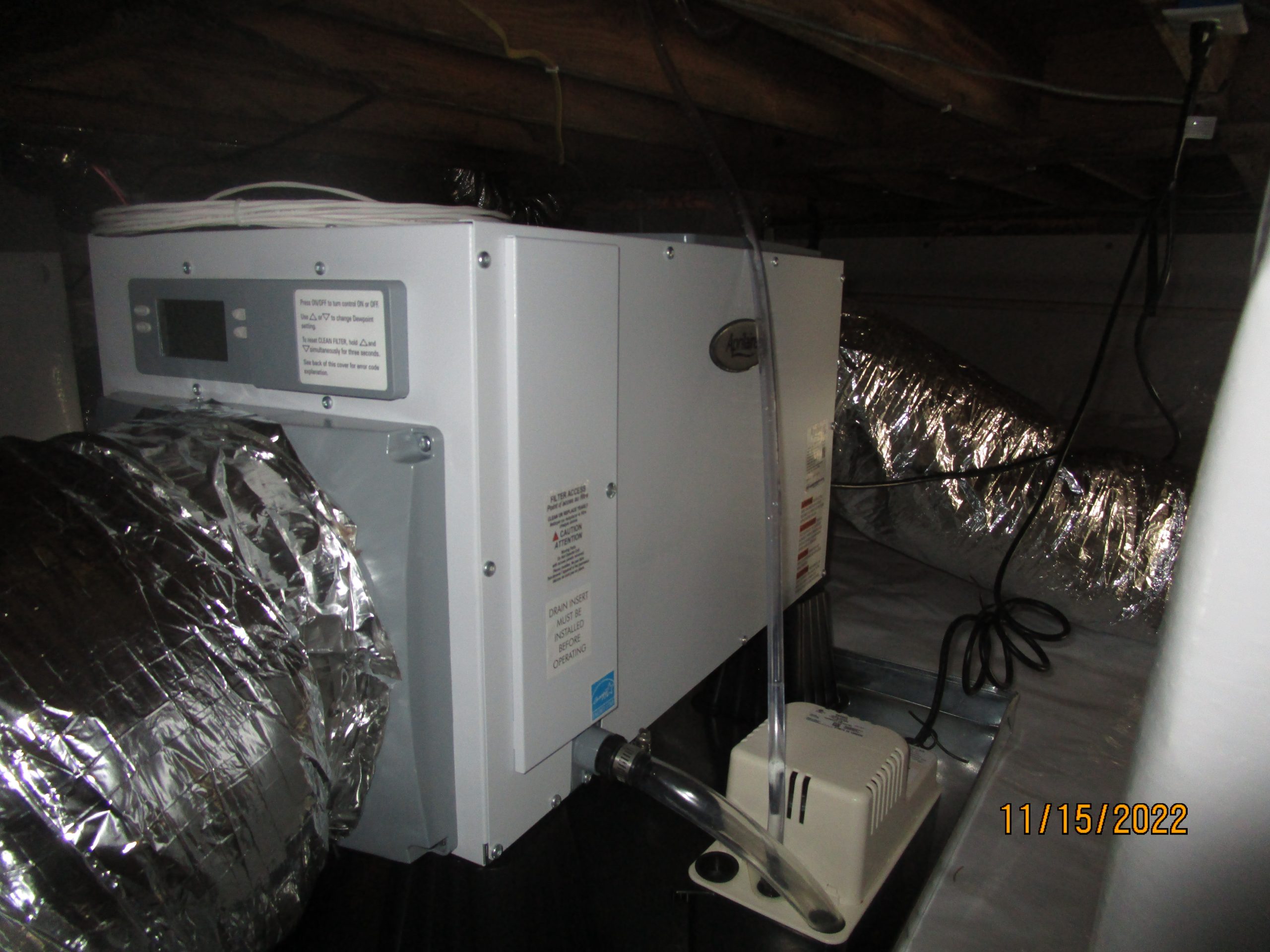
Advanced dehumidification system installed in a crawlspace for encapsulation and moisture control, improving air quality in Birmingham, AL.
Key Takeaways
Maintaining a high standard of indoor air quality is crucial for both short-term well-being and long-term health benefits. Key strategies involve regular inspections, using air purifiers, enhancing ventilation, and controlling humidity. Understanding factors like the influence of outdoor air quality and the stack effect can guide improvements in maintaining a healthy home environment.
Proactive measures are essential in preventing issues related to poor air quality, making ongoing maintenance pivotal to achieving a safe living space. Expectant improvements in comfort and health can make these efforts rewarding in tangible ways.
Ongoing Maintenance Expectations
Maintaining good IAQ involves consistent efforts to manage different elements affecting air quality. Regular system checks, timely cleaning, and moisture control are integral to this process. Homeowners should also stay updated with local air quality indices and seasonal maintenance considerations to better plan and adapt their strategies.
Integrating such routine care forms a robust defense against potential air quality dips, leading to improved overall home integrity and family health.
Resources for Further Reading
For more guidance on improving indoor air quality, consider exploring additional resources on indoor air quality. Educational materials can provide insights into the latest technologies and techniques for maintaining a clean and healthy home.
Expanding knowledge through professional resources and community workshops can also enhance understanding and application of best practices in air quality management.
Indoor Air Quality Fundamentals FAQ
Common sources include mold, tobacco smoke, household cleaning products, dust mites, and VOC emissions from furniture and building materials. Managing these sources with regular air quality tests and maintenance is vital for a healthier indoor environment.
You can use DIY air quality testing kits available online for preliminary assessments. However, professional testing services provide a comprehensive analysis, covering various pollutants and suggesting actionable improvements.
It is recommended to perform indoor air quality assessments annually. However, homes with higher risk factors, such as locations near highways or industrial areas, may benefit from more frequent tests.
The stack effect refers to natural air movement within buildings caused by temperature and pressure differences between indoor and outdoor environments. This effect can exacerbate indoor air contamination by drawing in outdoor pollutants through gaps and ventilation systems.
High humidity levels can promote mold growth and increase dust mite populations, both of which degrade indoor air quality. Controlling humidity through dehumidifiers and proper ventilation is essential for combating these issues.
Professional assistance is crucial when persistent air quality issues exist despite DIY efforts or when specific contaminants are suspected. Experts provide thorough evaluations and remediation strategies to ensure safety and comfort.