Understanding Moisture Control
Moisture control is an essential aspect of home maintenance that aims to prevent excess moisture from infiltrating and damaging your property. Implementing effective moisture control strategies can significantly reduce the risk of mold growth and other structural issues that arise due to water intrusion.
Moisture problems generally stem from water leaks, condensation, or seepage from the ground. Recognizing early warning signs of moisture problems enables homeowners to act promptly and avert potential damage. Comprehensive moisture management includes identifying sources of excess moisture, sealing entry points, and maintaining adequate ventilation throughout the home.
Importance of Managing Moisture
Managing moisture effectively is crucial for preserving the integrity of building materials and preventing the deterioration caused by continuous exposure to damp conditions. Unchecked moisture can lead to severe mold infestations, which pose substantial health hazards to inhabitants, including respiratory issues and allergies.
Prioritizing moisture control also contributes to energy efficiency, as dry spaces typically require less energy for heating. Homeowners are encouraged to conduct regular inspections and adhere to a crawlspace inspection schedule to mitigate hidden moisture threats.
How Moisture Affects Homes
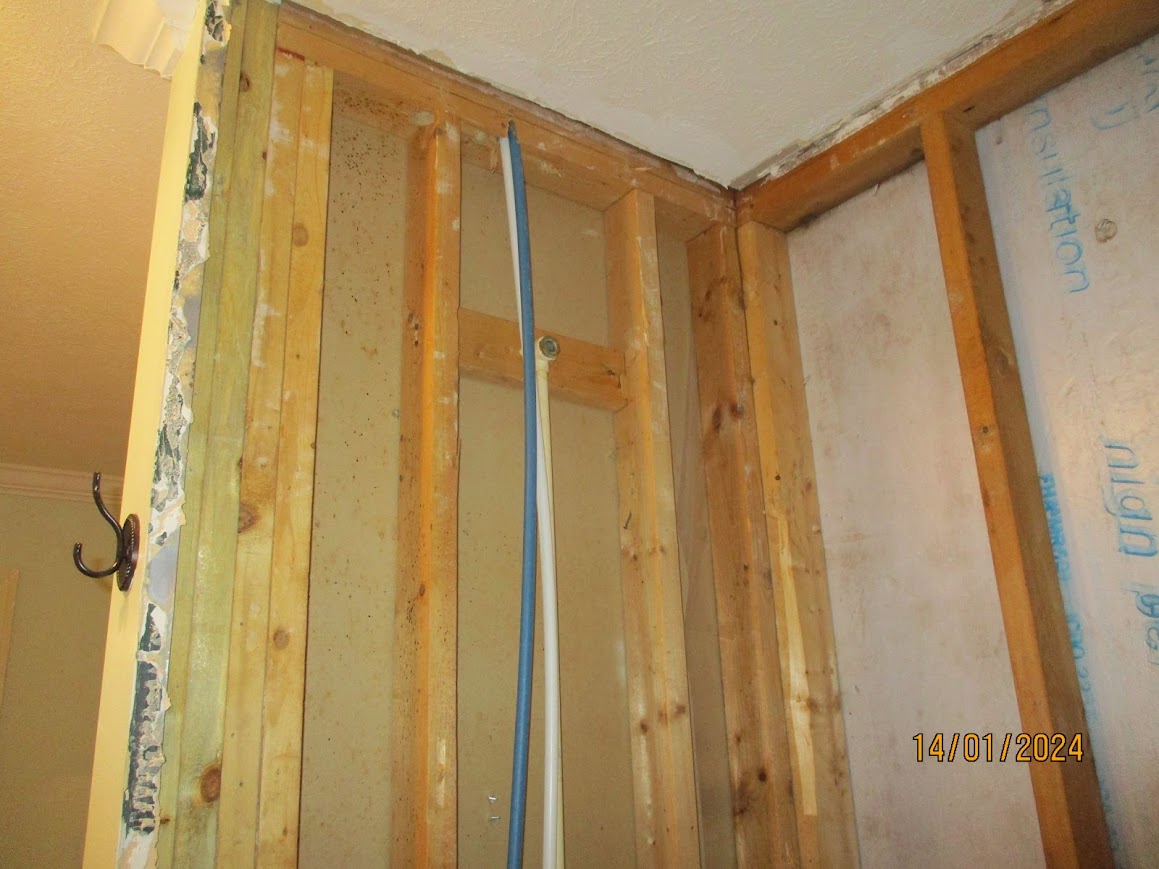
Moisture can wreak havoc on a home’s structural integrity. Wooden components may warp or rot, weakening the framework, while metal elements could corrode, reducing their strength and lifespan. Moreover, persistent moisture contributes to the growth of mold and mildew, which not only cause unsightly damage but also exacerbate indoor air quality issues.
Homeowners must remain vigilant in troubleshooting signs of water intrusion and implement strategies to fortify their home against moisture-related threats, thereby securing a healthy living environment and preserving property value.
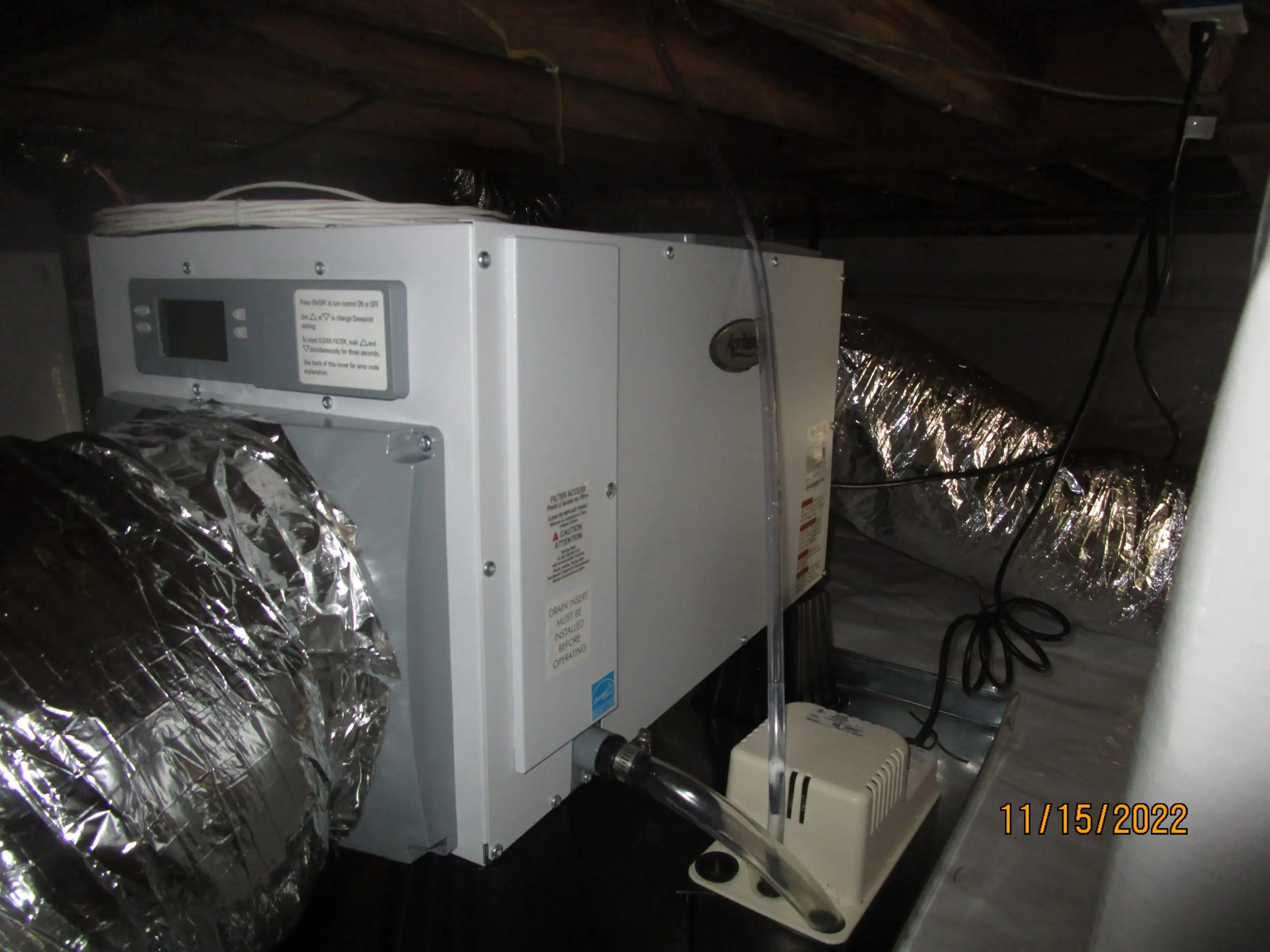
Dehumidifier installed in a crawl space with ductwork, essential for moisture control and mold prevention in Alabama homes.
Understanding Water Intrusion
Water intrusion refers to the unwanted penetration of water into a building’s interior, often resulting in structural damage and appealing conditions for mold growth. Effective moisture control begins with understanding and addressing the various causes of water intrusion.
Commonly, water enters homes through surface runoff, high groundwater levels, or plumbing leaks. Identifying and resolving these ways reduces the potential for extensive water damage and prevents costly repairs. In regions with high humidity, utilizing dehumidifiers can help maintain optimal indoor conditions.
Common Sources of Water Intrusion
Numerous factors contribute to water intrusion in homes. Recognizing these elements can help homeowners tackle potential issues proactively:
- Heavy rainfall and floods: This natural phenomenon can lead to water seepage through doors, windows, or cracks.
- Leaky roofs: Damaged or poorly maintained roofs allow water to enter the home during rain.
- Faulty gutters and downspouts: Blocked or ill-fitted gutters disrupt water flow, directing it towards foundations.
- Cracks in the foundation: Structural weaknesses provide pathways for water entry.
- Improperly sealed windows: Gaps around windows facilitate moisture infiltration.
- Poor drainage systems: Inadequate drainage leads to water accumulation near the building.
Identifying Water Intrusion
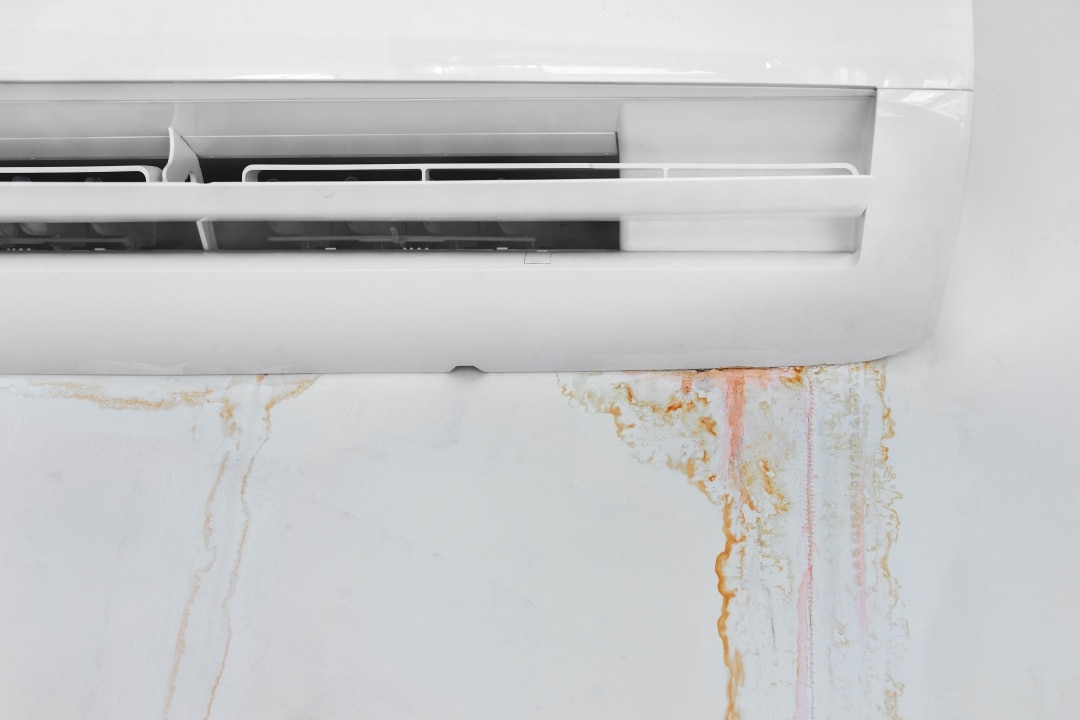
Identifying water intrusion early is crucial to mitigating its impacts. Signs include water stains on ceilings or walls, warping of flooring, and a persistent musty smell indicative of mold.
By addressing these issues with solutions like seasonal maintenance updates or interior basement waterproofing, homeowners can defend their property against the risks associated with water intrusion.
Short-Term Moisture Control Solutions
Immediate steps can be taken to address and rectify moisture issues in homes. Solutions like fixing leaks, improving ventilation, and using absorbent materials can reduce humidity quickly.
Homeowners should ensure proper sealing of windows and doors and utilize air conditioning to maintain a balanced indoor climate. For mold sightings, seek guidance on early warning signs of mold exposure to prevent health risks.
Long-Term Prevention Strategies
For sustained results, investing in long-term moisture control solutions is essential. These include professional assessments for foundation protection and advanced dehumidification systems.
Improving landscape grading and installing sump pumps can effectively direct excess water away from the home, preserving structural integrity over the years.
Incorporating Technology in Moisture Control
Today’s technological advancements present valuable tools in moisture control. Home automation systems, moisture meters, and smart humidity sensors offer real-time monitoring and alerts.
Such devices help homeowners maintain an ideal indoor environment and take timely action against emerging issues, ultimately safeguarding against extensive water damage.
Regular Monitoring Techniques
Consistent monitoring of moisture levels enables the early detection of anomalies and prevention of potential damages. Regular audits of plumbing systems and updating home assessments aid in identifying hidden threats.
By adopting routines like quarterly inspections and keeping comprehensive records of water-related repairs, homeowners establish a robust defense against moisture problems.
Seasonal Maintenance Tips
Regular maintenance activities tailored to each season can effectively combat moisture problems. Winterizing the home, gutter cleaning in fall, and ensuring the landscape is water-efficient significantly reduce risks.
Maintaining a seasonal home maintenance checklist enhances a property’s resilience while addressing emerging moisture signs promptly.
Preventive Measures
Implementing routine preventive measures fortifies the home against water intrusion:
- Regular inspection of roofs and gutters: Ensures immediate identification and repair of leaks and blockages.
- Maintaining good drainage around the foundation: Helps avert water accumulation and foundation seepage.
- Using dehumidifiers in damp areas: Reduces indoor humidity levels, limiting mold potential.
- Sealing cracks in walls and foundations: Prevents water ingress through vulnerable structural points.
Monitoring Indoor Humidity Levels
Maintaining optimal indoor humidity levels (between 30% and 50%) ensures the interior remains comfortable and minimizes mold growth.
Utilizing hygrometers can help homeowners track humidity levels and rely on data to adjust systems and practices, achieving effective moisture control year-round.
Recognizing the Importance of Early Intervention
Quick and decisive action upon detecting moisture issues can forestall further damage, preserving both home and health. Recognizing signs like damp spots and discoloration in their infancy stages allows homeowners to address concerns proactively.
Early intervention ensures effective management of potential problems, eliminating the need for extensive and costly repairs down the line.
Health Risks Associated with High Moisture Levels
High moisture levels contribute to mold and mildew growth, impacting air quality and health. Symptoms such as allergies and respiratory problems worsen in damp environments.
Monitoring and controlling moisture foster a healthier and more enjoyable indoor atmosphere, reducing the need for future mold remediation processes.
Financial Implications of Neglecting Moisture Control
Neglecting moisture control can ultimately lead to significant repair costs. Compounded issues might necessitate major construction work and mold treatment services.
Homeowners who implement effective moisture control strategies protect themselves from such financial burdens while sustaining property value through continued upkeep and renovations.
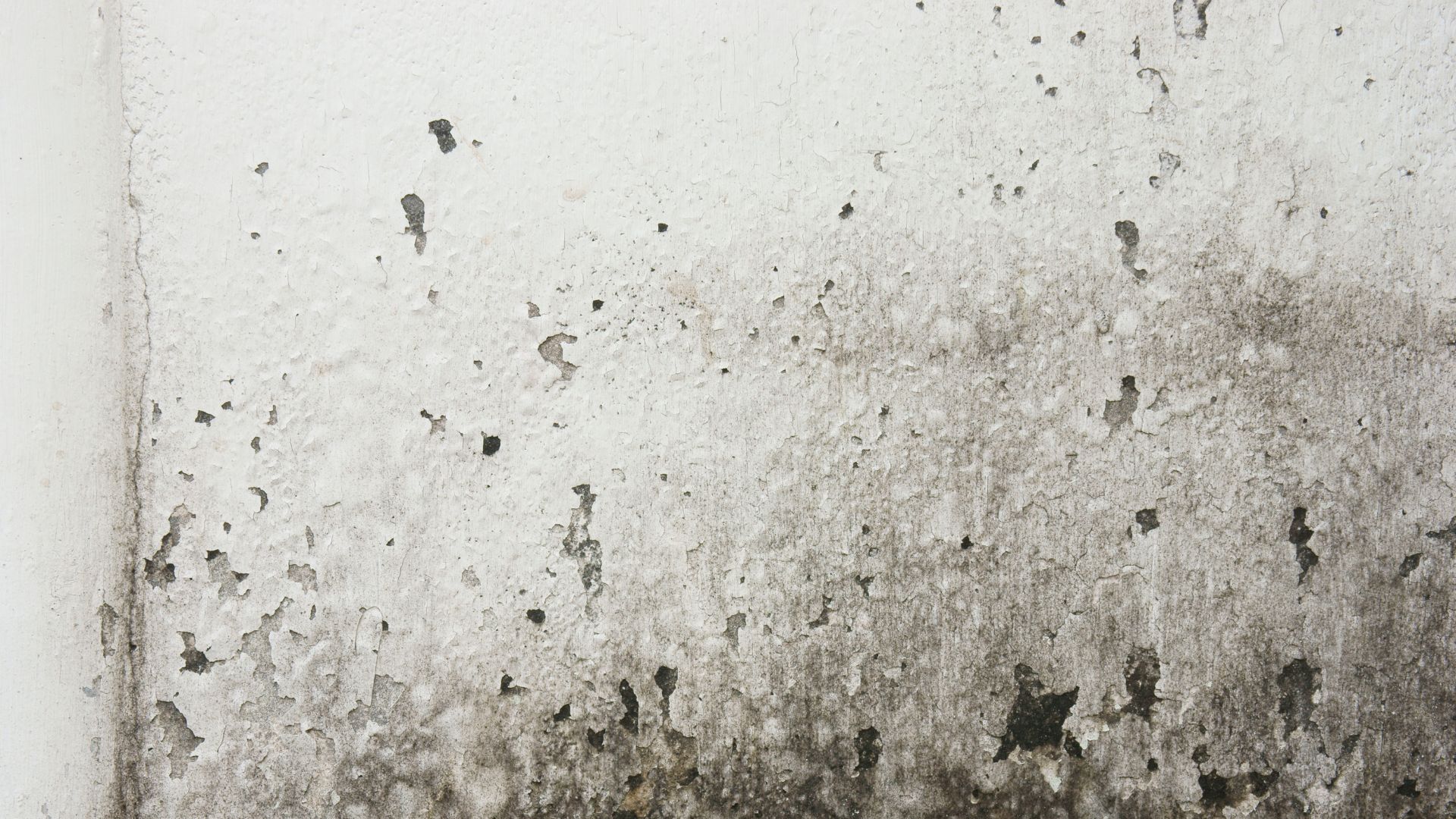
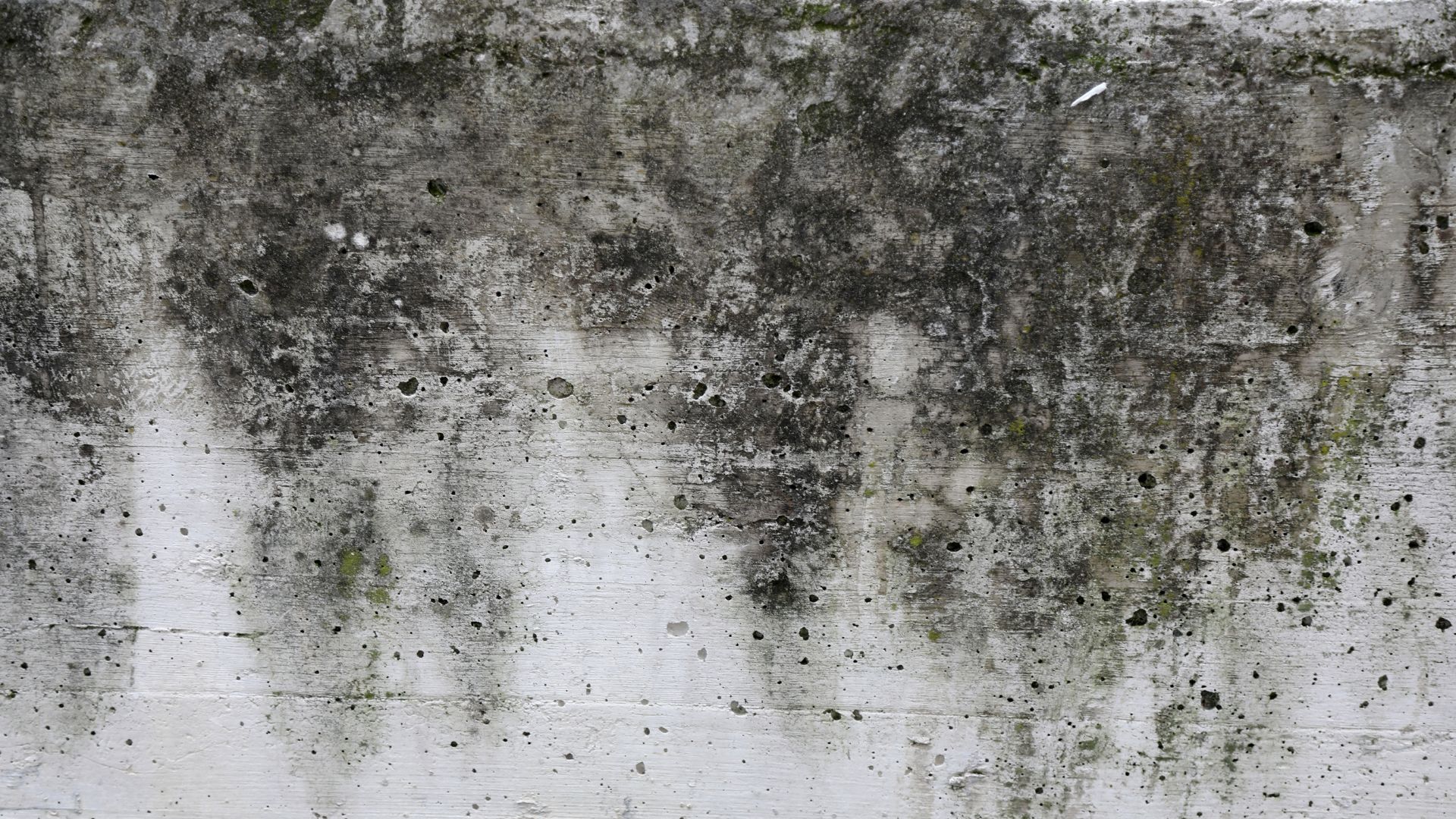
A wall with visible mold growth, highlighting the need for mold remediation and moisture control services in Alabama.
When to Call a Professional
Homeowners might need professional moisture control services when facing significant or complicated moisture problems. When DIY solutions and regular maintenance prove ineffective, it’s time to seek expert intervention.
Symptoms such as extensive mold growth, persistent leaks, and uncontrolled humidity levels indicate it’s time to consider hiring professionals.
What to Expect from Professional Services
Professional moisture control services offer comprehensive solutions, including inspections, waterproofing, and mold removal. These experts possess the knowledge and equipment to diagnose and resolve moisture issues effectively.
Often, they provide customized services tailored to specific needs, ensuring effective solutions and long-term prevention. Investigate more on available crawl space solutions suitable for your home.
Choosing the Right Moisture Control Service
Key factors to consider when selecting a moisture control service include:
- Licensing and certifications: Ensure the service provider holds the necessary credentials and follows industry standards.
- Experience in moisture control: Opt for professionals with extensive experience and proven track records.
- Customer testimonials and reviews: Assess former clients’ feedback to gauge satisfaction and reliability.
- Types of services offered: Review available services to ensure they meet your needs.
- Response times: Consider a provider that responds promptly, especially in emergencies.
- Cost estimates and quotes: Review estimates to find a service that offers good value for money.
- Aftercare and follow-up services: Select a service that includes comprehensive aftercare to prevent future issues.
Ensure to investigate industry terms like stack effect when evaluating service offerings, assisting in informed decision-making.
Review of Moisture Control Strategies
In conclusion, moisture control is an integral component of home maintenance and protection. By understanding water intrusion, implementing short- and long-term solutions, and recognizing when professional help is needed, homeowners can mitigate moisture-related issues.
Regular monitoring and smart technology integration further aid in safeguarding homes, ensuring both structural integrity and a healthy living environment.
Final Recommendations for Homeowners
Homeowners are encouraged to adopt a proactive approach to moisture management. Stay informed on hidden health costs of moisture problems and utilize comprehensive strategies to protect family health.
Engaging professionals for detailed inspections and relying on technology for constant vigilance creates a robust defense against moisture, fostering a safe and comfortable home.
Early warning signs of moisture problems include water stains on ceilings or walls, a musty odor, peeling paint, and visible mold growth. Addressing these signs promptly can help prevent further damage. Preventing moisture buildup involves using proper ventilation, fixing leaks promptly, utilizing dehumidifiers in problem areas, and ensuring proper drainage around your home to direct water away from the foundation. Crawl space encapsulation should be considered if you’re dealing with persistent moisture issues, extensive mold growth, or if your home’s crawl space frequently experiences high humidity. Professional assessment is recommended to determine the necessity. Mold and mildew can cause a range of health issues, including respiratory problems, allergic reactions, and aggravation of asthma symptoms. Long-term exposure might lead to more severe complications, especially in individuals with pre-existing health conditions.Moisture Control Strategies FAQ