Introduction to Mold Exposure and Its Effects on Brain Health
Mold exposure is a serious concern due to its widespread impact on health, especially when it comes to brain health. Understanding the neurological effects of mold is crucial for maintaining overall well-being. While mild mold exposure may go unnoticed, chronic exposure can lead to significant cognitive symptoms that affect daily life.
It’s essential to learn about mold exposure symptoms so you can recognize the signs early. This knowledge can help mitigate potential mold brain damage before it severely impacts brain health.
What is Mold Exposure?
Mold exposure occurs when individuals come into contact with mold spores, typically through inhalation. Mold can grow virtually anywhere that moisture is present, making it a common household issue. Certain environmental conditions, such as high humidity and poor ventilation, can exacerbate mold growth.
Mold exposure itself can lead to a range of health problems, with neurological symptoms mold exposure being among the most concerning. Understanding how mold affects cognitive functions can help in identifying and addressing these issues swiftly.
Understanding Brain Fog
Brain fog is a common term used to describe feelings of confusion, forgetfulness, and lack of focus. It is frequently reported by individuals experiencing mold exposure brain fog. This condition makes it difficult for people to concentrate and perform everyday tasks efficiently. Brain fog essentially hinders your ability to think clearly, affecting productivity and mental clarity.
Recognizing the symptoms of brain fog is the first step in tackling this issue, which often involves addressing underlying causes such as mold exposure. Taking proactive measures can significantly improve cognitive symptoms and promote better mental health.
Impacts on Cognitive Function
Mold exposure can lead to a range of cognitive impairments, making it harder for individuals to remember information or stay focused. These neurological symptoms mold exposure are critical to recognize early on. Cognitive decline related to mold exposure can impair personal and professional life, decreasing overall quality of life.
Identifying foundation protection measures and addressing mold-related issues at home can often reduce the cognitive impact and help restore mental acuity.
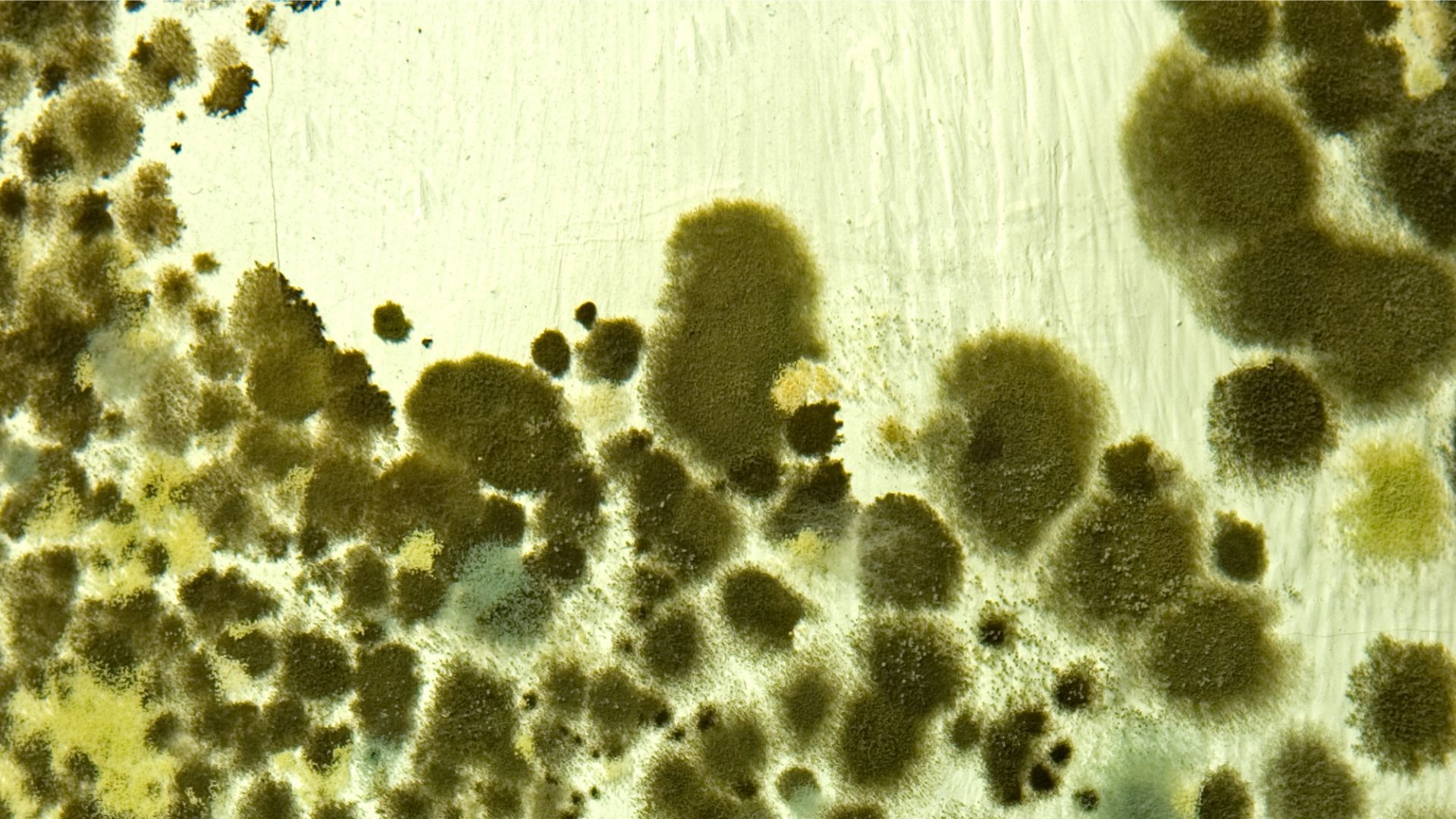
Close-up image showing green mold spores on a light background, highlighting the need for effective mold solutions in Alabama.
Symptoms Associated with Mold Exposure
Understanding the symptoms of mold exposure is crucial, as they can manifest in various ways, particularly affecting neurological health. The symptoms range from subtle to severe, often overlapping with other health conditions.
Effective family health protection begins with awareness and prompt action to prevent or alleviate these symptoms, especially if mold growth is suspected at home.
Cognitive Symptoms
Mold exposure can lead to a variety of cognitive symptoms, such as memory loss, difficulty concentrating, and mental fatigue. These manifestations can disrupt daily activities, making it challenging for individuals to function normally. Addressing these cognitive issues early can prevent them from becoming long-term problems.
Behavioral Changes
Exposure to mold can also trigger behavioral changes, including irritability, anxiety, and depression. These changes can significantly impact how individuals interact with others and their environment. It’s crucial to acknowledge these behavioral symptoms as potential indicators of underlying mold exposure-related health issues.
Physical Symptoms
Physical symptoms of mold exposure include respiratory issues, skin irritation, and fatigue. These symptoms can often be mistaken for other common ailments, which is why a thorough examination of mold-related causes is essential in persistent cases.
Common Neurological Symptoms
Mold exposure frequently results in a host of neurological symptoms that can impact daily life:
- Memory Problems: Challenges recalling recent events or information.
- Lack of Concentration: Difficulty focusing on tasks for prolonged periods.
- Chronic Fatigue: Persistent exhaustion not alleviated by rest.
- Dizziness: Experiencing lightheadedness or balance issues.
- Depression: Feelings of sadness and disinterest in usual activities.
- Anxiety: Frequent feelings of worry or unease.
- Headaches: Regular or persistent head pain.
Health Risks of Mold Exposure and Neurological Disorders
Mold exposure carries significant health risks, particularly concerning neurological disorders. Recognizing these risks is vital for mitigating the potentially detrimental effects on health.
Timely interventions such as the mold remediation process are critical in preventing further health complications associated with mold exposure.
Health Risks Overview
The health risks associated with mold exposure go beyond just allergies or respiratory issues. They encompass serious neurological effects due to prolonged exposure, which can severely impact brain health over time.
Being proactive about mold management in living spaces can dramatically reduce these health risks and foster a healthier environment for you and your family.
Long-term Effects
Long-term effects of mold exposure may include progressive cognitive decline, heightened psychological disturbances, and chronic physical ailments. These effects often exacerbate if mold issues remain unaddressed.
Proper mold remediation near me strategies are necessary to tackle these enduring effects and support overall recovery and wellness.
Specific Disorders Associated
Specific disorders associated with mold exposure include allergic reactions, asthma exacerbation, and chronic fatigue syndrome. These conditions highlight the critical nature of addressing mold in the home environment promptly.
By understanding the correlation between mold exposure and these disorders, one can take appropriate measures to prevent the escalation of symptoms and maintain health stability.
Recovery and Prevention from Mold-Related Neurological Issues
Recovering from mold-related neurological issues requires a strategic approach that integrates both immediate and long-term solutions. Prevention is equally crucial to avoid future complications.
Implementing comprehensive strategies that include crawl space solutions is essential for effective mitigation and prevention of mold problems.
Finding Safe Living Environments
Ensuring a mold-free living environment is fundamental for recovery from mold exposure. Identifying and relocating to a safe environment can significantly reduce the presence of mold-related cognitive symptoms.
Maintaining interior basement waterproofing and other preventive measures can further secure a safe and healthy home environment.
Treatment Options
Treatment for mold exposure typically includes detoxification processes, medical interventions to alleviate symptoms, and regular monitoring of health conditions.
Consultation with healthcare providers knowledgeable about mold-related health issues is essential for personalized treatment and recovery plans.
Prevention Strategies
Preventing mold-related issues involves a proactive approach to home maintenance and health awareness. Here are effective strategies for prevention:
- Regular Mold Inspections: Routine checks to detect and address mold early.
- Proper Ventilation: Ensuring air flows adequately throughout the home to prevent moisture buildup.
- Humidity Control: Using dehumidifiers to maintain optimal indoor moisture levels.
- Prompt Leak Repairs: Fixing water leaks immediately to prevent mold growth.
- Drying Damp Areas: Ensuring all wet areas are dried promptly and efficiently.
- Using Mold-Resistant Products: Incorporating materials that resist mold growth into home renovations.
- Educating Household Members: Raising awareness about mold hazards and prevention.
These strategies, when implemented consistently, can significantly reduce the risk of mold exposure and ensure a healthier living environment.
Seeking Professional Help for Mold Concerns
Professional intervention is often necessary when dealing with substantial mold exposure and its associated health impacts. Knowing when and how to seek help can make all the difference in addressing mold-related issues effectively.
Utilizing trusted mold remediation companies near me can provide the expertise and comprehensive solutions required to tackle severe mold problems.
When to Seek Professional Help
If mold presence is extensive, or if health symptoms persist despite preventive measures, professional help should be sought immediately. Significant mold infestations can lead to extensive property damage and serious health implications if not addressed with expert intervention.
Choosing the Right Service
When selecting a mold remediation service, consider the following factors to ensure professional and effective service:
- Experience: Choose companies with extensive experience in mold removal and mitigation.
- Certifications: Ensure the company holds the necessary industry certifications for mold remediation.
- Customer Reviews: Research customer feedback to determine service reliability and effectiveness.
Follow-Up and Monitoring
After initial remediation, ongoing monitoring is crucial to prevent mold recurrence. Regular inspections and maintenance can catch early signs of mold, allowing for prompt remediation before they become serious issues.
Incorporating seasonal maintenance as part of routine home care can help maintain a mold-free environment.
Conclusion: Protecting Brain Health from Mold Exposure
Addressing mold exposure is vital for protecting brain health. With a comprehensive understanding of the risks and effects, individuals can take the necessary precautions to safeguard their health.
Implementing proactive measures such as the stack effect can significantly aid in minimizing mold exposure risks.
Recap of Key Points
This article emphasized the importance of recognizing and understanding the neurological effects of mold exposure. By identifying symptoms early, individuals can address mold-related issues effectively and mitigate potential health risks.
Final Thoughts
Maintaining a mold-free environment through diligent prevention and responsive treatment strategies is key to sustaining brain health. Awareness and proactive action form the foundation for effective protection against mold’s detrimental effects.
Contacting experts for basement mold in Birmingham and other mold concerns ensures prompt and efficient resolution of mold issues.
Neurological Effects of Mold FAQ
Common signs include respiratory issues, allergic reactions, skin irritation, and neurological symptoms such as fatigue, headaches, and brain fog. If these symptoms are present, especially persistently, it may indicate mold exposure.
Mold can produce neurotoxins that impact brain function, leading to symptoms like brain fog, reduced cognitive abilities, and behavioral changes. Prolonged exposure can result in more severe neurological impacts, necessitating professional intervention.
In some cases, long-term exposure to mold can cause lasting neurological effects, particularly if exposure is not addressed. Protecting brain health involves early detection and remediation of mold.
Promptly address any mold findings by identifying moisture sources and removing mold growth. Engaging professional mold cleaning services ensures proper remediation and prevention of recurrence.
To prevent mold growth, maintain proper home ventilation, control humidity levels, promptly repair leaks, and conduct regular inspections. Additionally, consider investing in crawl space encapsulation to minimize moisture issues.