Understanding Seasonal Mold
Seasonal mold concerns are significant as changes in weather often influence mold growth patterns. Different regions face distinct challenges when it comes to mold, requiring tailored seasonal maintenance strategies. Recognizing these variations enables effective prevention and management throughout the year.
The rise in humidity during certain seasons, notably spring and summer, contributes to an increased risk of mold due to enhanced moisture levels. In contrast, the fall may present challenges due to decaying leaves and organic matter.
Understanding these mold dynamics by region—and adjusting preventive measures accordingly—is crucial for maintaining a mold-free environment. This knowledge can help homeowners implement appropriate mitigation efforts within their homes.
Regional Variations
Regions like the Southeast face high humidity, often leading to substantial mold issues during the warmer months. In contrast, the drier climates of the Southwest may experience fewer mold problems but aren’t completely exempt. Each region requires specific prevention techniques based on local climates, such as enhanced moisture control and ventilation strategies.
In areas prone to heavy rain, like the Pacific Northwest, effective drainage is a key component of managing mold-related concerns. Similarly, coastal areas deal with salt-laden air which can exacerbate moisture problems if not addressed with regular maintenance and inspections.
Importance of Seasonal Maintenance
Engaging in regular early detection activities is vital. By following a seasonal home maintenance checklist, homeowners can minimize the potential for mold growth by identifying and correcting moisture problems early on. Quarterly inspections are recommended to adapt to seasonal changes effectively.
Proactive management of moisture and ventilation not only prevents mold but also maintains indoor air quality, protecting the health of residents and preserving the structural integrity of the home. Establishing a comprehensive checklist aids in ensuring nothing is overlooked in preventative efforts.
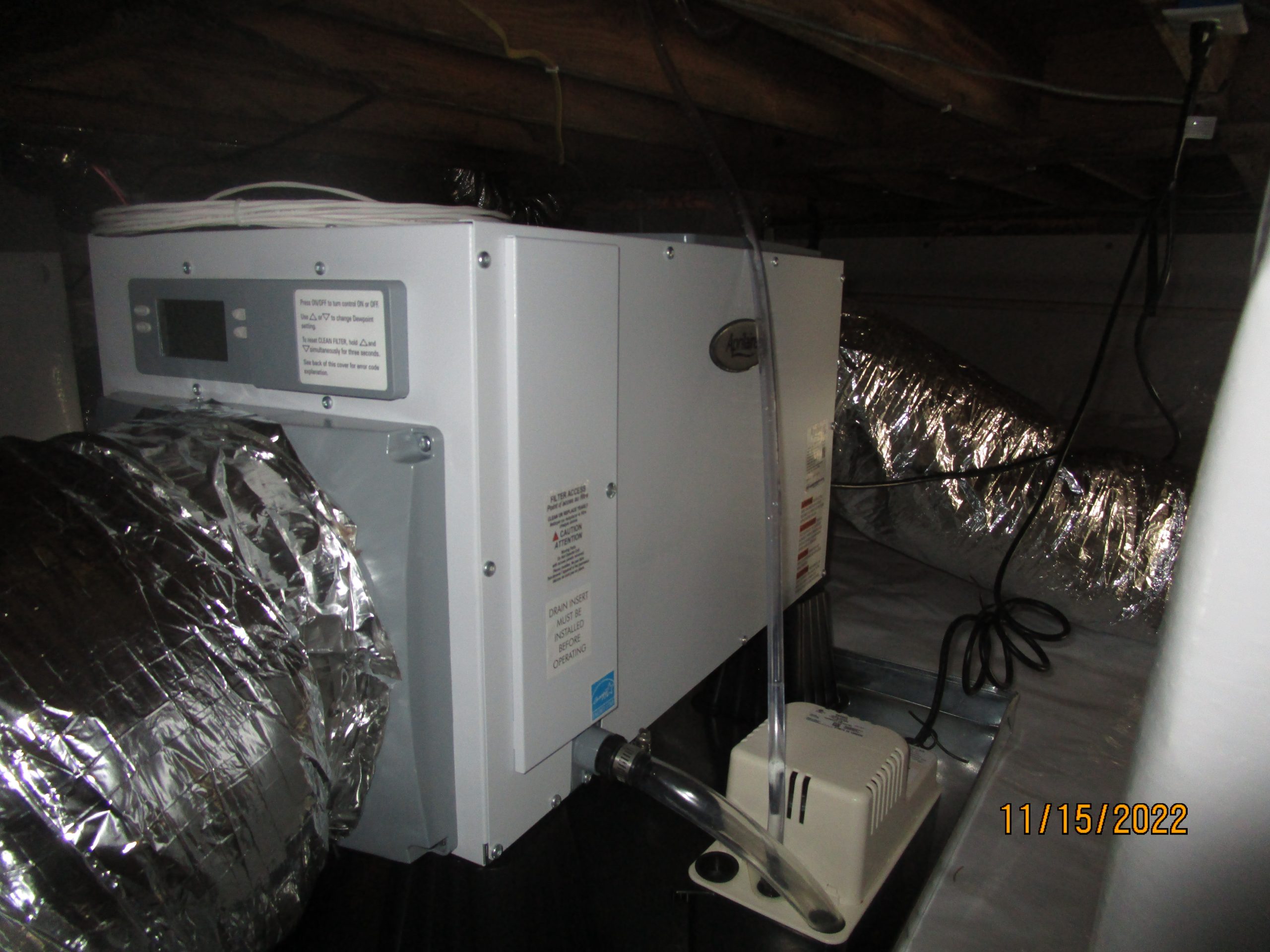
Advanced dehumidification system installed in a crawlspace for encapsulation and moisture control, improving air quality in Birmingham, AL.
Common Signs of Mold Growth
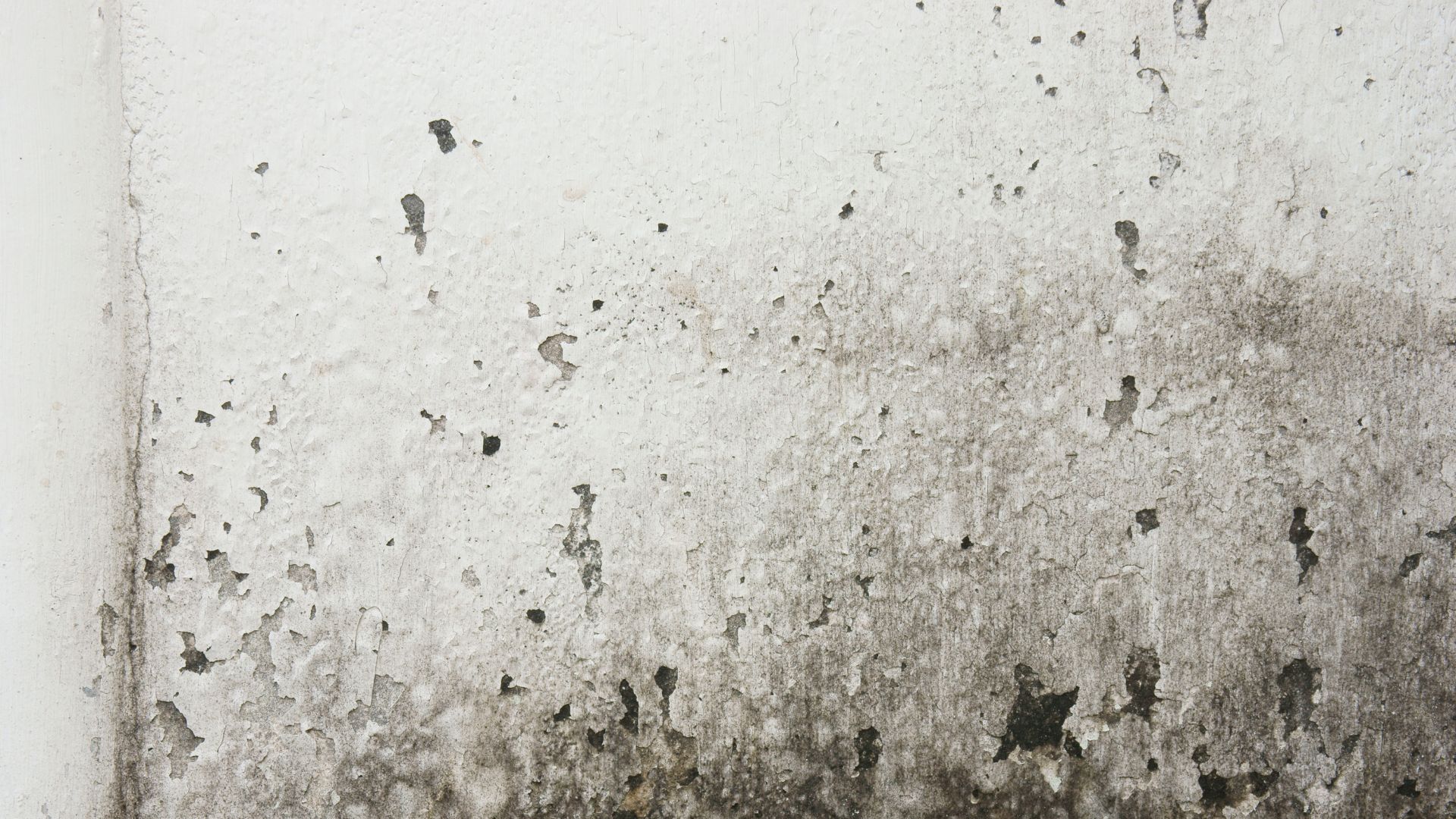
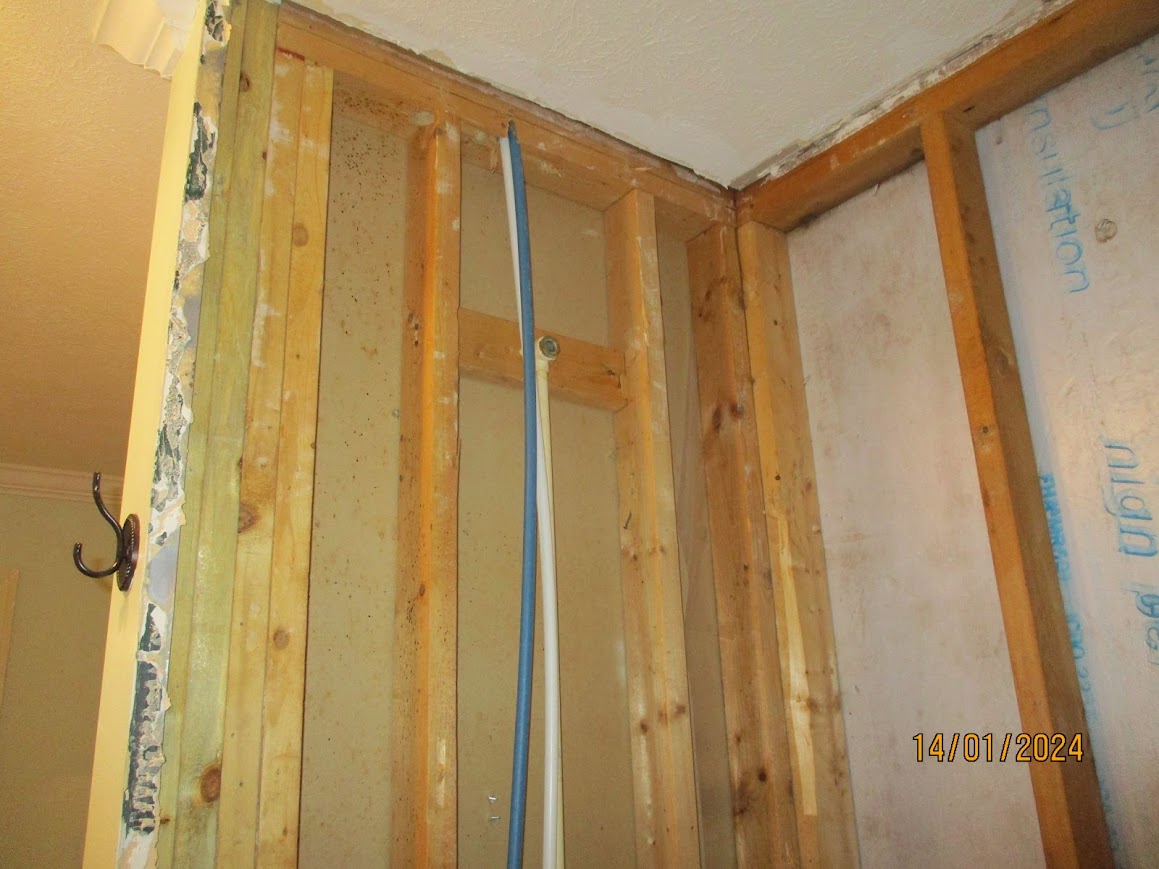
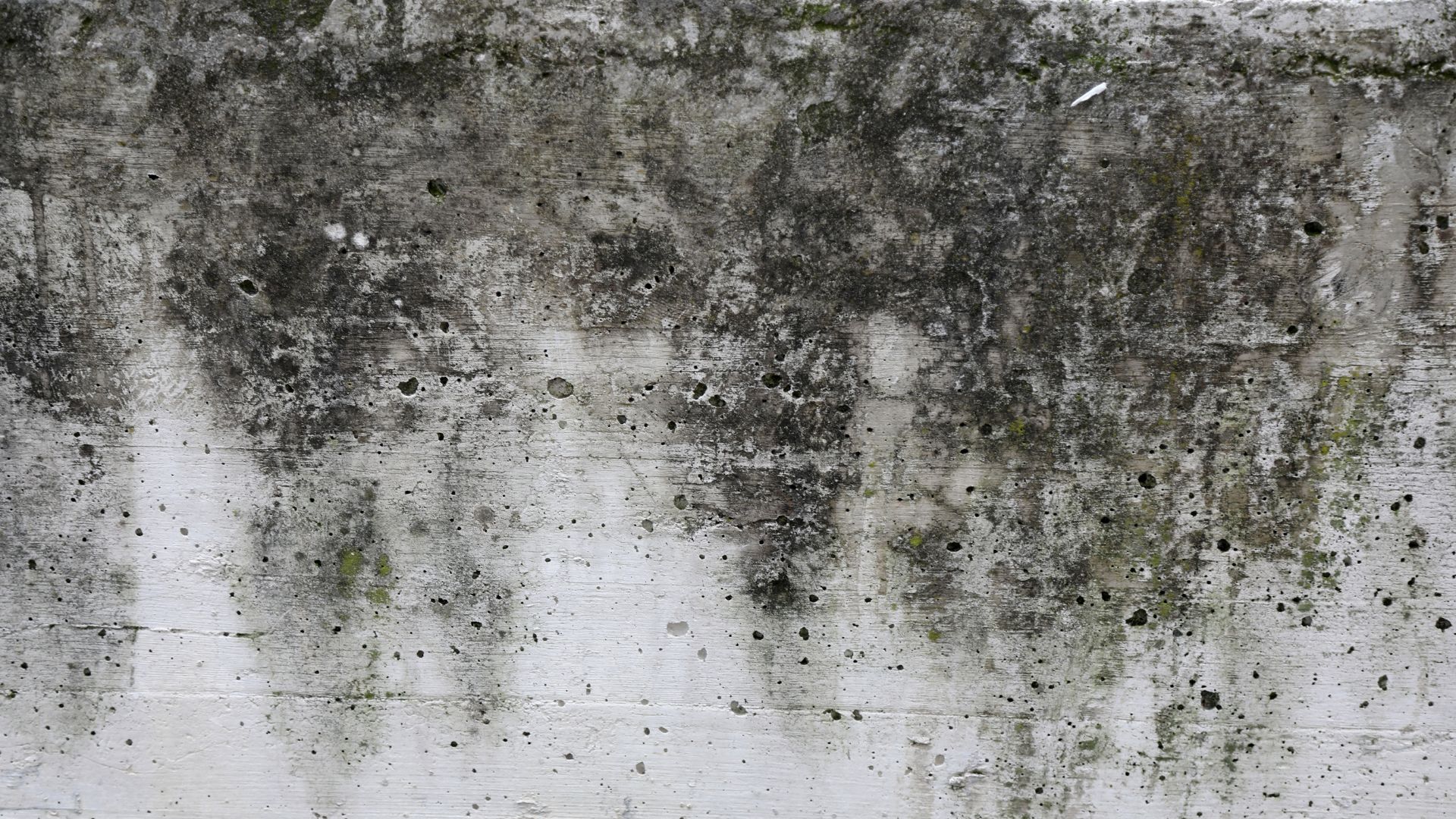
Knowing the signs of mold growth is critical for preventing larger infestations. Common indicators include musty odors and visible fungus or mildew. Mold often appears as black, green, or white spots on walls, ceilings, and in damp areas. Early detection and professional intervention can prevent more extensive damage.
Detection Techniques
Identifying mold effectively requires proper inspection techniques. Using the right methods helps in quick diagnosis and intervention.
Techniques include:
- Smell detection: Often the first clue, a musty smell can indicate mold presence even if not visible.
- Visual inspection: Regularly checking for signs of mold in high-risk areas, such as basements and bathrooms.
- Moisture meters: Utilize these tools to measure humidity levels; high levels may lead to mold.
When to Call Professionals
While initial monitoring can be conducted independently, some mold situations necessitate expert attention for comprehensive treatment. Situations such as recurrent humidity issues, extensive visible mold, or health symptoms related to mold exposure should prompt professional reviews.
Professional services ensure complete remediation, addressing both visible mold and underlying causes, thereby providing a long-term solution to mold challenges.
Preventative Action Steps
To proactively prevent mold growth, homeowners must take decisive steps tailored to their environment. These include controlling moisture levels through dehumidification, maintaining proper ventilation, and keeping gutters clear to prevent water accumulation.
Tips for Homeowners
Seasonal tasks like cleaning HVAC systems, checking insulation, and ventilating bathrooms and kitchens help maintain a mold-free home. Regularly inspecting for leaks and promptly addressing water damage can minimize mold risks significantly.
Implementing these steps can prevent moisture intrusion and keep indoor air quality in check, leading to a healthier living space and reduced mold threats.
Importance of Inspections
Regular inspections, particularly in mold-prone areas such as basements and crawl spaces, are critical. Feel confident in addressing potential issues and preventing mold development by scheduling routine evaluations, especially in regions like Birmingham, where basement moisture is prevalent.
Professional inspections identify issues not immediately visible and ensure that comprehensive measures are taken to protect the home.
Identifying Local Mold Problems
Understanding specific mold problems in local areas can help formulate effective mitigation strategies. Some regions may experience higher mold growth due to environmental factors, necessitating tailored solutions. Knowing the local climate’s nuances aids in selecting the appropriate remediation approaches.
Key Remediation Strategies
Several strategies are critical for dealing with local mold problems. These methodologies ensure thorough mold removal and significantly reduce recurrence opportunities:
- Professional assessments: Hiring experts to evaluate mold and provide suitable removal solutions.
- Use of dehumidifiers: Reduces ambient humidity, which curtails mold growth potential.
- Air circulation improvement: Enhance air movement through strategic window placement and exhaust fans.
- Regular inspections: Frequent reviews to catch early signs of mold.
- Proper drainage management: Ensures water flows away from the home, minimizing basement mold risk.
- Mold resistant materials: Utilize products designed to withstand mold to the greatest extent possible.
- Sealing entry points: Seal gaps and entryways to prevent moisture from invading.
- Routine cleaning: Maintains low levels of dust and debris that can harbor mold spores.
Local Resources for Mold Remediation
Access to local professionals who understand regional mold issues enhances remediation success rates. Leveraging their expertise ensures that homeowners receive the most suitable and effective treatment options.
Communities often have resources available that connect residents with reputable mold remediation services. Utilizing these can lead to better outcomes and more assured comfort.
Long-Term Strategies
Implementing long-term strategies is crucial to maintain mold-free environments. These methods contribute to sustainable moisture control and healthy living. Regularly revisiting and upgrading preventive approaches ensures continuous effectiveness over time.
Monitoring for Recurrences
Regular monitoring is essential for catching any mold problems early. Employing moisture sensors and maintaining logs can help track changes and predict potential issues before they develop significantly.
Continuous vigilance and regular maintenance help prolong the life of preventive measures, keeping mold issues contained.
Final Thoughts on Prevention
Long-term maintenance strategies focus on constant vigilance and early interventions. By handling issues swiftly, homeowners protect their investments and enhance indoor air quality.
Developing a comprehensive plan involving professional oversight, effective home upkeep, and emergency preparedness elements contributes significantly towards maintaining mold-free conditions.
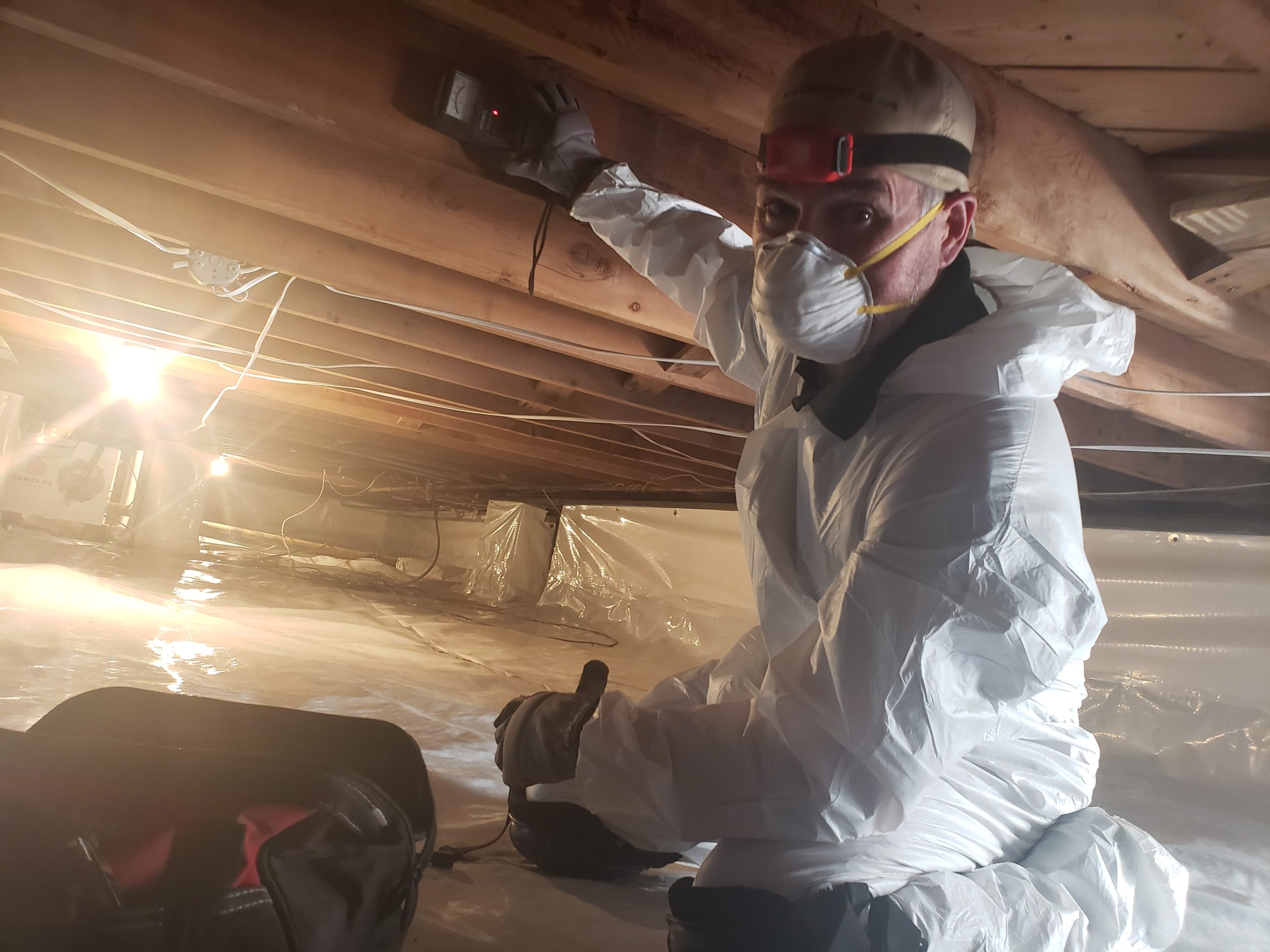
A certified technician inspecting and maintaining a crawlspace for moisture control and mold solutions in Alabama, ensuring a healthy environment.
Regional Maintenance Tips
Seasonal maintenance tailored to specific regional climates is fundamental for minimizing mold risks. Each area has unique conditions that dictate necessary preventive maintenance efforts.
Key Focus Areas
Tailoring maintenance efforts to local conditions involves focusing on several key areas:
- Humidity control: Adjust indoor humidity through ventilation and dehumidifiers.
- Ventilation improvements: Ensure good air flow to reduce moisture buildup.
- Material selection: Opt for mold-resistant materials in home construction and repairs.
- Seasonal cleanup tasks: Routine de-cluttering and debris removal.
- Emergency preparedness: Ensure quick response capabilities to moisture intrusions.
- Dehumidifier usage: Strategically placed units to manage air moisture levels effectively.
Community Involvement in Seasonal Awareness
Engaging in community initiatives focused on seasonal mold issues raises awareness and equips local residents with effective mold prevention strategies. Sharing experiences within communities can highlight successful approaches and new findings.
Collaboration not only increases individual action effectiveness but also fosters a community-wide effort towards a healthier environment.
Seasonal mold is primarily caused by fluctuations in temperature and humidity. These changes create ideal conditions for mold spores to thrive and spread. Factors like increased rainfall, melting snow, and inadequate home ventilation contribute to these ideal conditions for mold growth. Preventing mold in your crawl space involves controlling moisture, ensuring proper ventilation, and sealing any leaks. Use dehumidifiers, adequately ventilate your space, and inspect for any water intrusion regularly. Frequent checks can prevent the accumulation of moisture and mold development. Signs include large-scale mold visible on walls or ceilings, persistent musty odors despite cleaning, health issues such as allergies related to mold exposure, or if previous efforts to control mold have failed. It’s advisable to perform checks once every season or more frequently if you live in a particularly humid area. Regular checks help catch mold early, before it becomes a significant problem. Materials such as treated wood, mold-resistant drywall, paint additives that deter moisture, and nonporous surfaces like metal or glass are less susceptible to mold growth. Choosing these in your home renovations can reduce mold risks. High humidity levels, particularly above 60%, can significantly increase the probability of mold growth in homes, as mold thrives in moist environments. Regularly measuring humidity and using dehumidifiers in high-risk areas can mitigate this risk.Seasonal Mold Concerns by Region FAQ