Introduction to Mold Remediation
What is Mold Remediation?
Mold remediation is the process of removing and preventing mold growth in a home or business. It involves identifying and eliminating the moisture source, cleaning up, and using fungicides to prevent future growth.
Understanding mold remediation is essential to maintaining a healthy indoor environment. Mold can spread quickly and cause significant damage if not properly addressed.
This process not only involves cleaning and removing mold but also taking preventive measures to ensure mold does not return, supporting long-term property health.
Why Mold Remediation is Important
Mold remediation is crucial as mold exposure can lead to health problems such as respiratory issues, allergies, and more severe conditions. Mold grows rapidly, especially in humid environments, making prompt action vital.
Ignoring mold problems can result in costly damages and further health complications for you and your family. Professional remediation ensures thorough removal, preventing mold from spreading and recurring.
Tackling mold issues promptly can protect your property’s value and maintain a safe living space.
Health Risks Associated with Mold
Mold can contribute to a variety of health issues, including asthma and increased allergies. Prolonged exposure can exacerbate these conditions, making early intervention critical.
Some molds produce allergens, irritants, and potentially toxic substances called mycotoxins, which can affect even healthy individuals.
Ensuring mold is effectively removed by professionals helps minimize these risks, creating a healthier home environment.
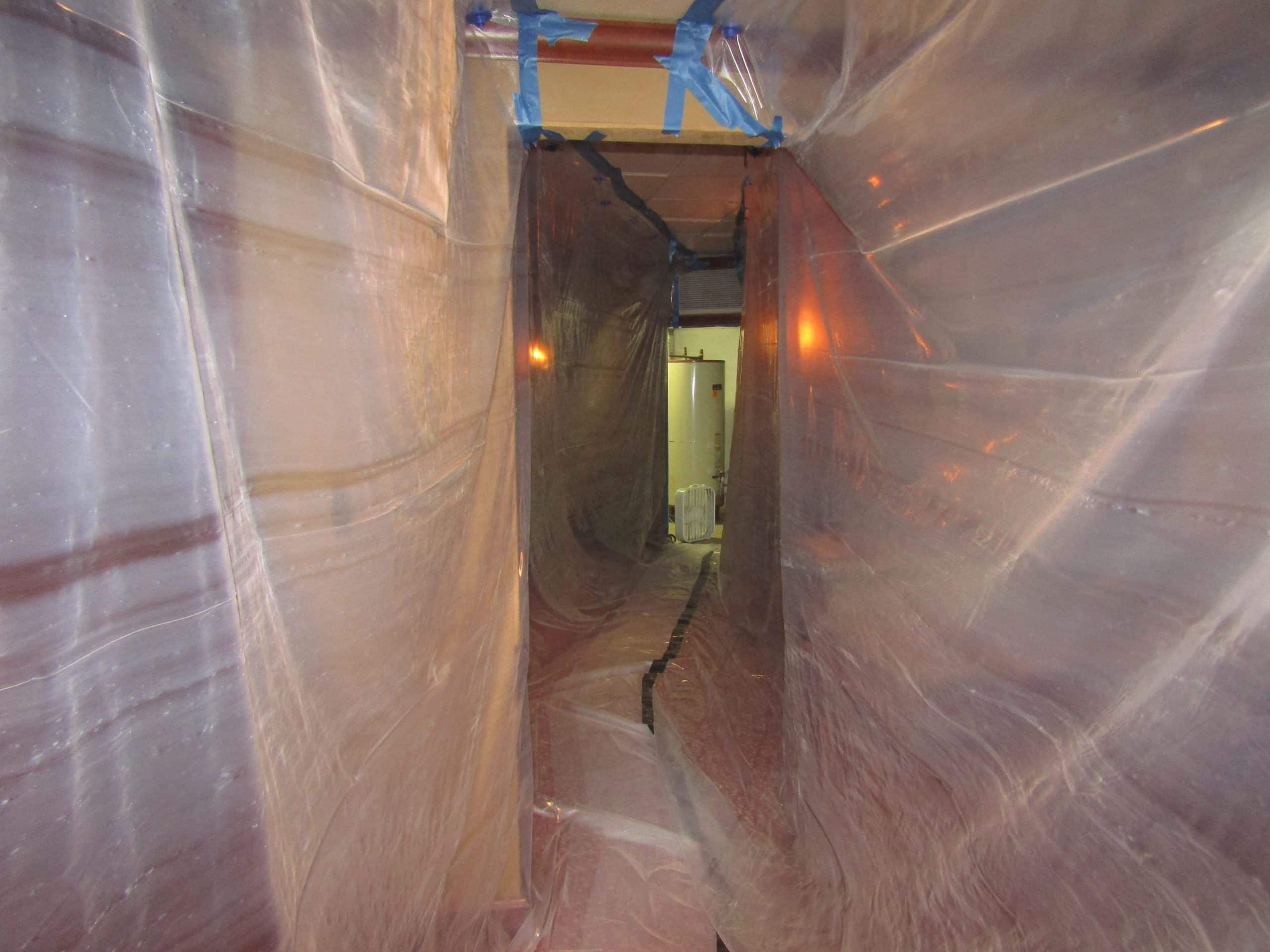
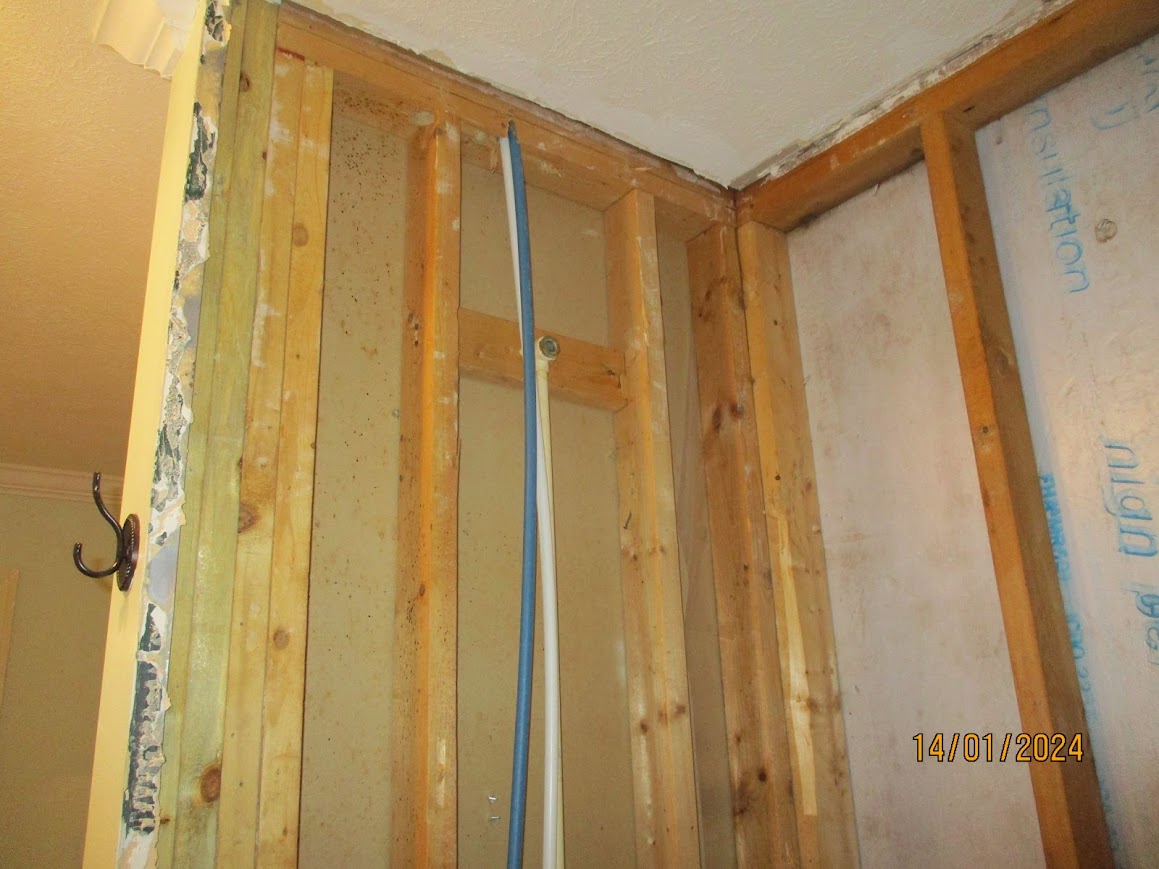
Hallway containment setup for mold remediation by Mold and Mildew Solutions in Alabama, ensuring effective mold removal and air quality improvement.
The Mold Remediation Process
Step 1: Inspection and Assessment
The mold remediation process begins with a careful inspection to assess the extent of mold growth and moisture levels involved. This critical step helps in crafting a tailored response to the problem.
Professionals use specialized tools to identify mold presence and its types, ensuring comprehensive understanding before action.
An effective inspection will pinpoint the affected areas and uncover hidden mold that needs addressing, ensuring thorough remediation.
Step 2: Containment
Containment is crucial in the mold remediation process to prevent mold spores from spreading to other parts of the building.
- Seal affected areas: Completely seal off areas with mold to prevent cross-contamination.
- Prevent spore movement: Use advanced air filtration to trap airborne mold spores.
- Set up negative air pressure: Employ negative air machines to keep contaminated air from migrating.
- Use physical barriers: Install plastic sheeting to separate affected areas from the rest.
- Maintain a controlled environment: Keep humidity and temperature levels stable to hinder mold growth.
- Utilize equipment for airborne spores: Deploy HEPA filters to capture tiny spores during cleanup.
Through containment, remediation efforts focus effectively on affected areas, ensuring the rest of the building remains protected.
Step 3: Filtration
Following containment, filtration is undertaken using high-efficiency particulate air (HEPA) filters to purify the air and remove mold spores from the atmosphere.
This advanced filtration system captures airborne mold, preventing it from settling in unintended areas, thus maintaining air quality.
Proper filtration is instrumental in ensuring that mold does not return and that the indoor environment remains safe.
Post-Remediation Steps
Moisture Control Strategies
Post-remediation, maintaining moisture control is vital in preventing future mold growth. Mold thrives in damp environments, so reducing humidity levels is a priority.
Implementing proper ventilation, fixing leaks promptly, and using dehumidifiers help in controlling moisture effectively.
Ensuring that your space remains dry and well-ventilated is crucial to deter mold from taking hold again.
Post-Remediation Verification
Verification involves inspecting the treated area to ensure that mold remediation has been successful. This step offers peace of mind and confirms the space is now safe.
Testing for the presence of mold and moisture levels is conducted by professionals to certify the effectiveness of the remediation process.
The area should now be devoid of mold traces, ensuring that your home remains healthy and mold-free.
Preventing Future Mold Growth
Prevention of mold reoccurrence is best achieved through regular maintenance and vigilance, ensuring no conditions conducive to mold growth persist.
Identify and address any potential sources of moisture before they become significant issues, prioritizing family health protection.
Routine checks and prompt repairs can prevent moisture build-up, a key strategy in mold growth prevention.
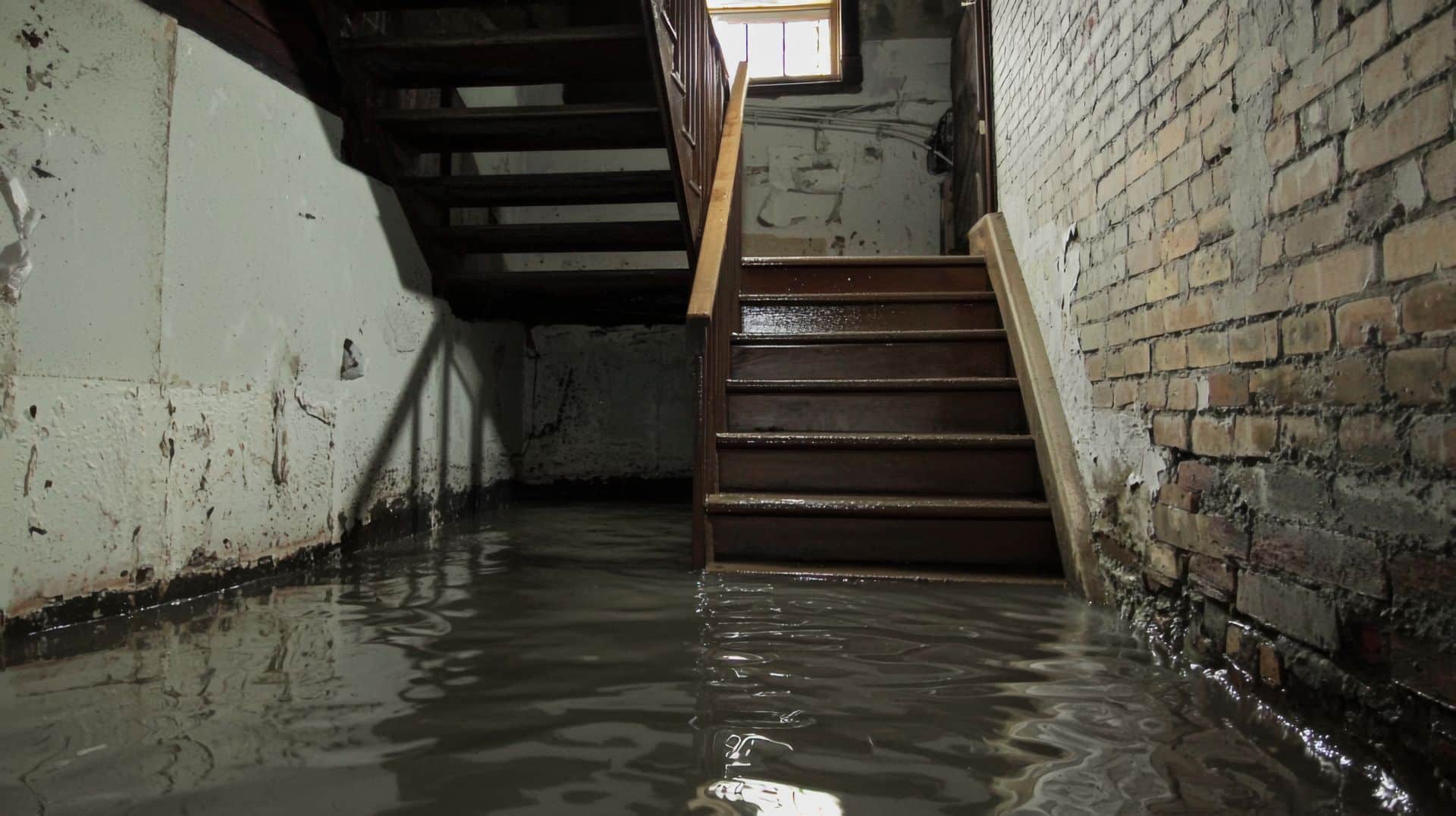
A basement in Birmingham, AL, shows significant water damage with flooding, highlighting the need for expert mold inspection and restoration services.
DIY vs Professional Mold Remediation
When to Go Professional
Understanding when to seek professional help is crucial. If mold covers a large area or affects critical systems like HVAC, professional intervention ensures comprehensive removal.
Professionals have the expertise and equipment to tackle significant mold problems efficiently, minimizing health risks and property damage.
Large-scale infestations often require professional remediation to guarantee effective results that DIY methods might not achieve.
DIY Mold Remediation Tips
If the situation is manageable, DIY mold remediation might be suitable. However, effective mold removal must follow specific steps to prevent recurrence.
- Use protective gear: Always wear masks and gloves when dealing with mold to protect yourself.
- Identify and address moisture sources: Find the cause of the mold growth and eliminate it.
- Seal off affected areas: Prevent mold spores from spreading to unaffected areas during cleaning.
- Clean with appropriate cleaners: Use mold-specific products to eliminate fungi effectively.
- Monitor for regrowth: Keep an eye on treated areas for any signs of mold return.
- Know when to seek help: If DIY methods fail, consult professionals immediately to avoid further issues.
These tips support safe and effective handling of minor mold problems.
Costs of Professional Services
The costs of professional mold remediation vary based on the size of the infestation and the treatments required. Generally, it involves an evaluation, containment, removal, and prevention measures.
Though initially higher than DIY, professional services ensure comprehensive remediation, ultimately saving money by preventing recurrence.
Investing in professional services can provide peace of mind, knowing the job is done correctly and thoroughly.
Conclusion
Summary of Key Points
Mold remediation is a critical process that involves identifying, cleaning, and preventing mold growth. It addresses the root causes and manages indoor air quality effectively.
Whether pursuing commercial remediation or managing at home, timely action is paramount.
Mold’s impact on health and property necessitates prompt and effective treatment strategies.
Taking Action
Acting swiftly when discovering mold in your home can mitigate extensive damage and health risks. Professional services offer peace of mind and thorough solutions.
If you suspect mold in your space, seek a professional assessment to ensure complete elimination of the issue.
Immediate response is key in avoiding hidden health costs associated with mold exposure, protecting your family’s well-being.
Final Thoughts
Understanding the importance of mold remediation helps in maintaining a safe and healthy living environment. Professional remediation can be crucial for significant infestations.
Prevention and regular seasonal maintenance are effective strategies to avoid mold returning, saving time and resources in the long run.
By addressing mold issues promptly and thoroughly, you safeguard your home’s integrity and ensure a healthy environment for those living in it.
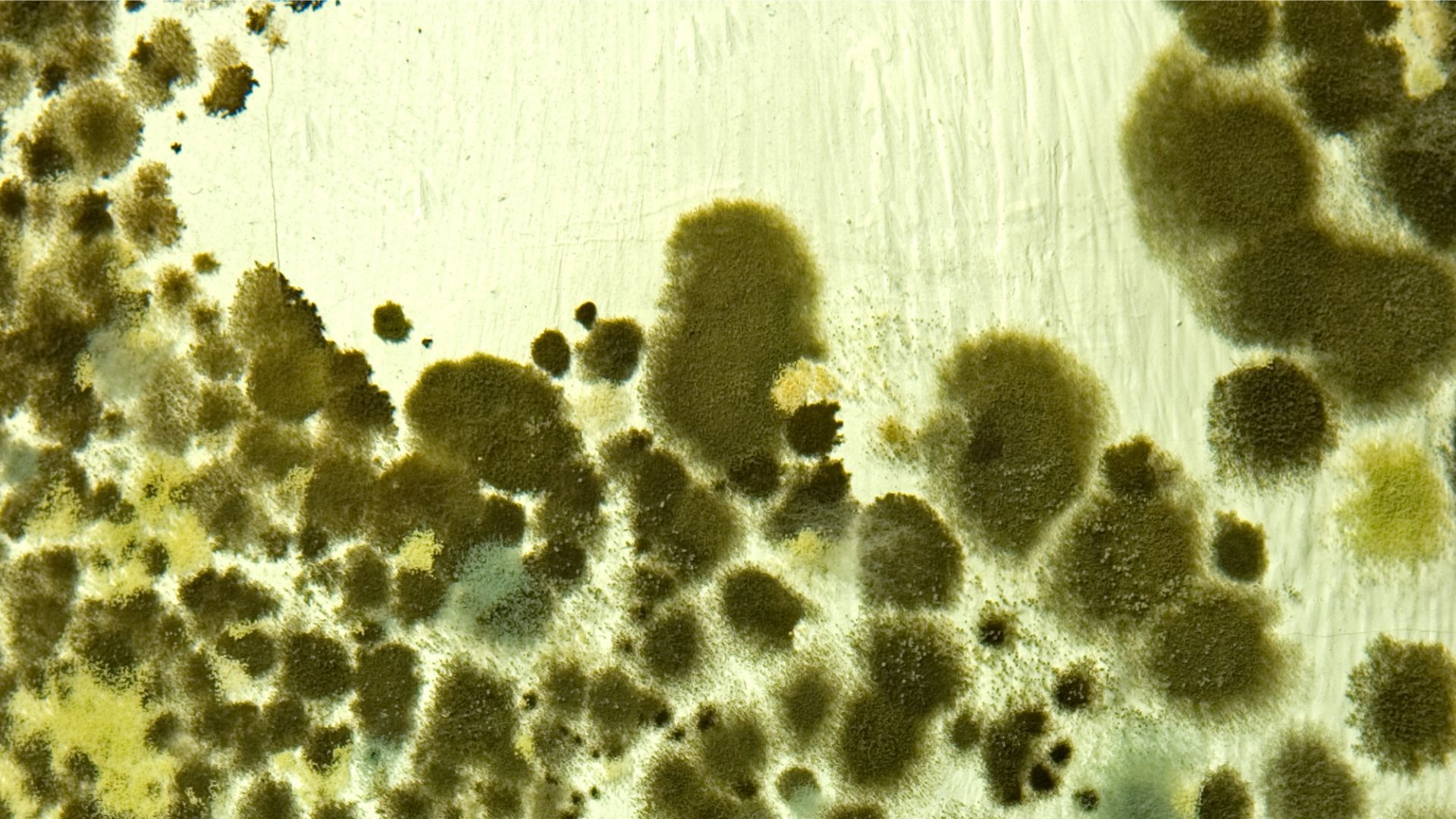
Close-up image showing green mold spores on a light background, highlighting the need for effective mold solutions in Alabama.
Resources for Further Reading
Recommended Articles
For those interested in further exploring mold issues and solutions, several resources can provide valuable insights into mold inspection and remediation techniques.
Learning more about these processes can enhance understanding and preparedness, making you better equipped to handle future mold situations if they occur.
Expanding knowledge on mold can also aid in selecting quality services and products for effective home care.
Useful Tools and Manuals
Effective mold remediation relies on using the right tools and following guidelines designed to prevent mold growth.
- Moisture meters: Essential for detecting moisture levels in your home, aiding in mold prevention.
- Dehumidifiers: Help in maintaining low humidity levels, crucial for mold control.
- Cleaning solutions: Specialized products designed to effectively eliminate mold growth.
- Protective gear: Necessary for safe handling of mold during DIY cleanup efforts.
- Mold inspection kits: Can be used to identify mold presence in smaller areas primarily.
- Containment supplies: Used by professionals to prevent mold spread during remediation.
- Professional services directories: Helps in finding certified professionals for reliable mold remediation services.
- Health guideline brochures: Informative material on the health impacts of mold and prevention measures.
Equipping yourself with these tools ensures readiness to tackle mold effectively, securing your home environment.
Contact Information for Local Services
For localized assistance, consider reaching out to nearby mold remediation experts who are familiar with regional conditions affecting mold growth.
Local services offer tailored solutions, often familiar with prevalent mold types and effective for respective areas.
Engaging with knowledgeable local professionals can provide reassurance and effective foundation protection, ensuring comprehensive management of mold issues.
Signs of mold can include visible growth, a musty odor, increased allergic reactions, and water damage marks on walls or ceilings. If you notice these signs, it’s important to investigate further as undetected mold can lead to health issues and structural damage. The duration of the mold remediation process can vary depending on the extent of the infestation. Typically, a small job may take 1-2 days, while larger problems could require up to a week. Initial assessments help determine the timeline for each specific case. If you find mold, it’s essential to address it immediately. Start by identifying and fixing any moisture sources and isolating the area. For extensive mold growth, contacting professional remediation services is recommended to ensure comprehensive and safe removal. Yes, mold exposure can cause health problems such as allergies, respiratory issues, and in severe cases, neurological symptoms. People with existing respiratory conditions, the elderly, and young children are more vulnerable to mold’s health effects. For small, contained areas, you might tackle mold removal yourself, using protective gear and appropriate cleaning solutions. However, if the mold covers an area larger than 10 square feet or involves toxic mold types, professional remediation is advised. The cost of professional mold remediation can vary widely depending on the size and scope of the infestation, typically ranging from a few hundred to several thousand dollars. Consider obtaining quotes from several providers to ensure a fair price. Preventing mold from returning involves controlling moisture levels in your home. Use dehumidifiers, ensure proper ventilation, fix leaks promptly, and conduct regular inspections to catch any resurgence early, thereby maintaining a mold-free environment.Understanding Mold Remediation FAQ