Introduction to Mold Remediation
The mold remediation process is crucial for maintaining a healthy environment in homes and businesses. Understanding this process and the standards involved can help ensure effective mold mitigation and prevent further growth. Mold can cause significant health issues and structural damage if not properly addressed.
What is Mold Remediation?
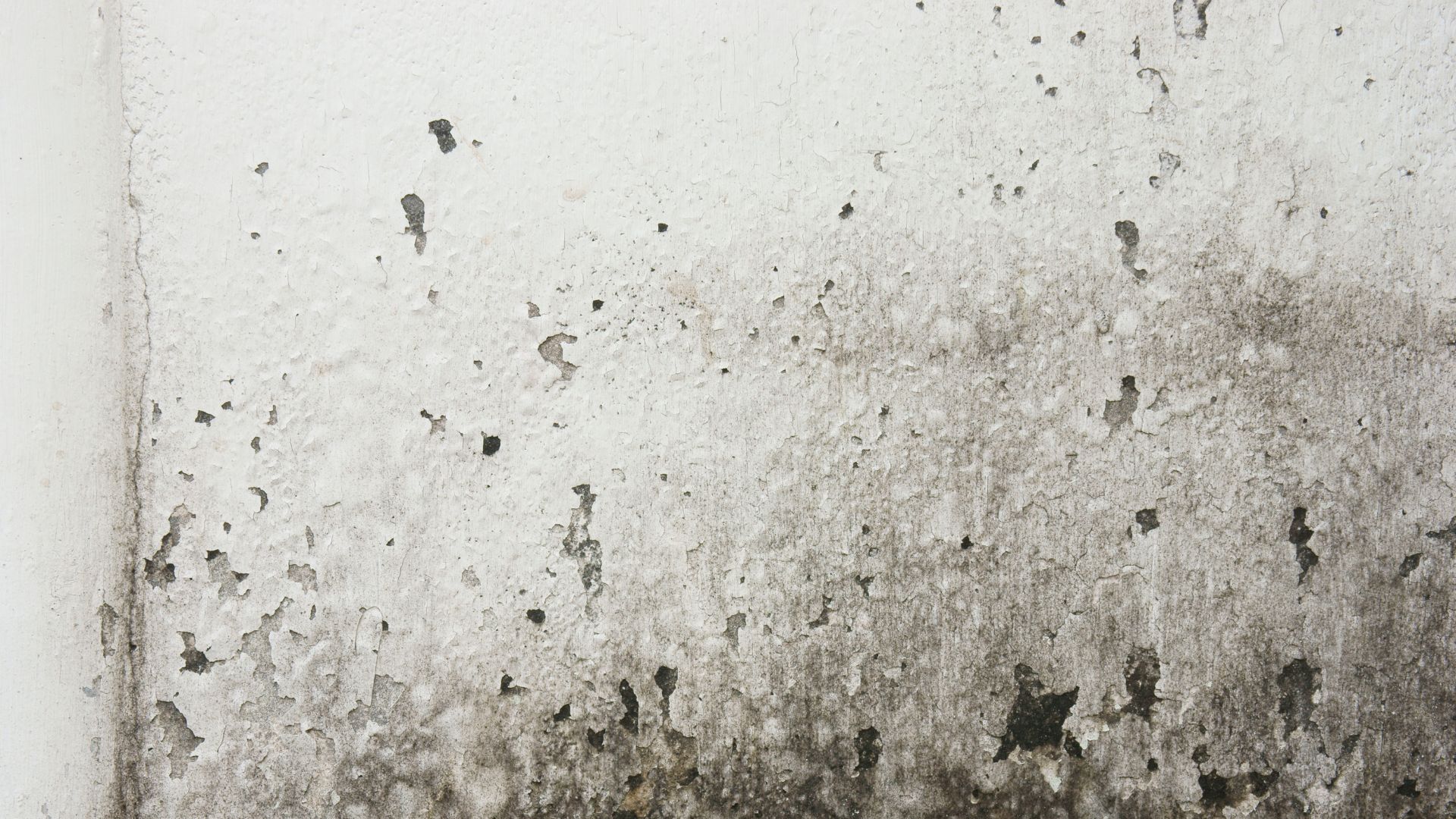
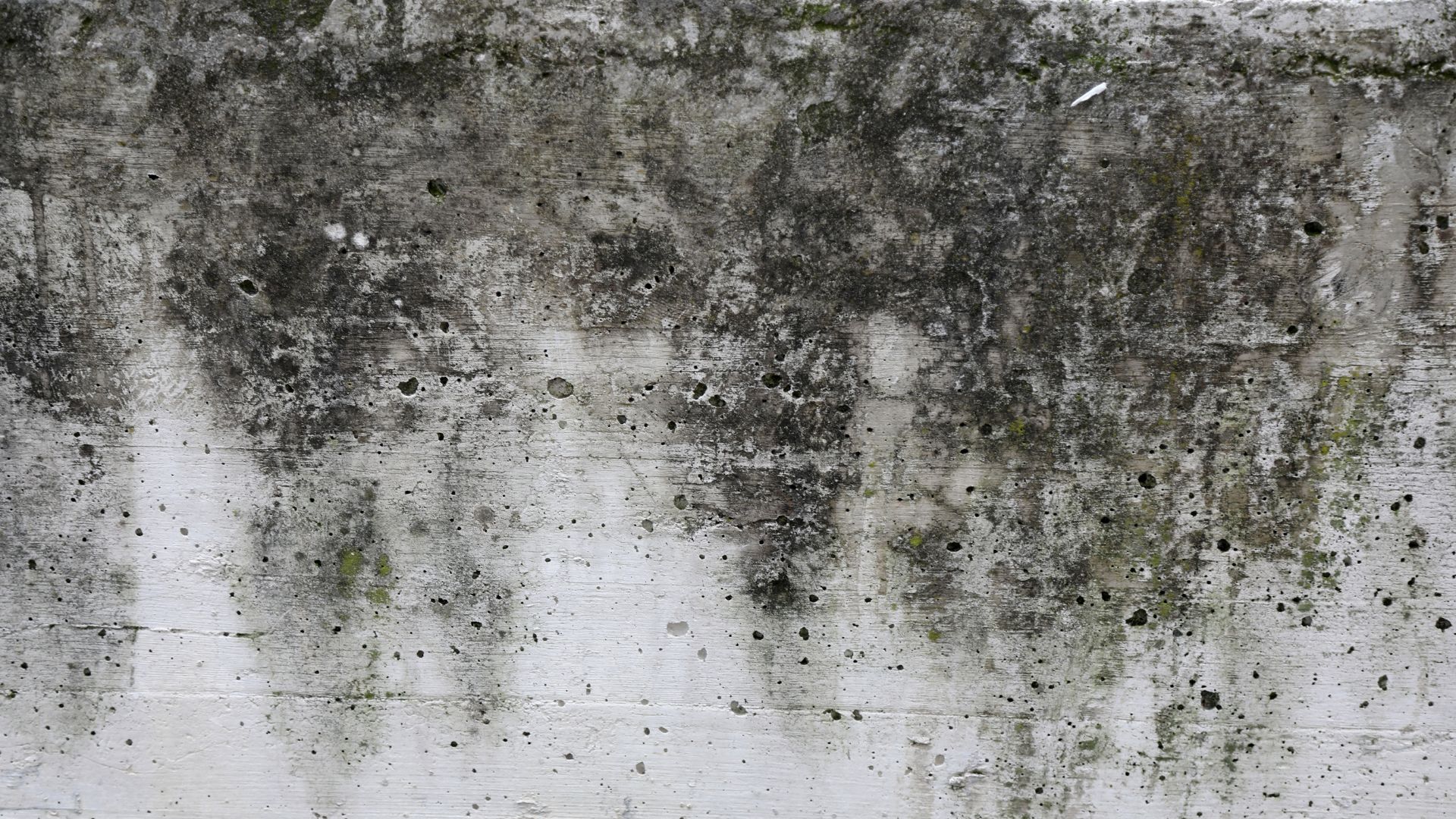
Mold remediation is a comprehensive process that involves the identification, removal, cleaning, and treatment of mold-infested areas. During this process, professionals work to bring mold levels back to normal and address the underlying causes of mold outbreaks.
Importance of Standards
Adhering to industry standards is vital in the mold remediation process. These standards ensure that all practices are effective and safe for both the environment and the individuals involved in the process. They guide professionals in using the right materials, techniques, and safety measures.
Overview of the Process
The mold remediation process typically starts with an assessment of the mold situation. Afterward, containment measures are put in place to prevent the spread of mold spores during the cleaning phase. The entire process is methodical and requires adherence to industry best practices. For a more detailed understanding, considering professional services is recommended.
Explore Industry Standards and Guidelines
The mold remediation industry adheres to specific standards and guidelines to ensure effective mold removal and prevention. These standards are critical in maintaining the integrity of the remediation process.
Industry Standards
Industry standards for mold remediation include guidelines set by institutions such as the IICRC and EPA. These protocols dictate the minimum requirements for achieving comprehensive mold abatement, including specific methods for cleaning and removal.
Best Practices
Best practices in mold remediation involve techniques that promote thorough cleaning while ensuring safety. These practices include using appropriate personal protective equipment (PPE), employing stack effect principles, and using containments.
Quality Assurance Measures
Quality assurance in mold remediation is achieved by implementing measures that confirm the removal of mold and its source. Post-remediation testing is a standard part of ensuring that the process adheres to all safety and efficacy standards. To maintain effective protocols, ongoing training and adherence to industry updates are essential.
Detailed Look into the Steps of Mold Remediation
Each step in the mold remediation process is designed to thoroughly address the presence of mold and prevent its return. Attention to safety and detail is paramount throughout.
Step 1: Assessment
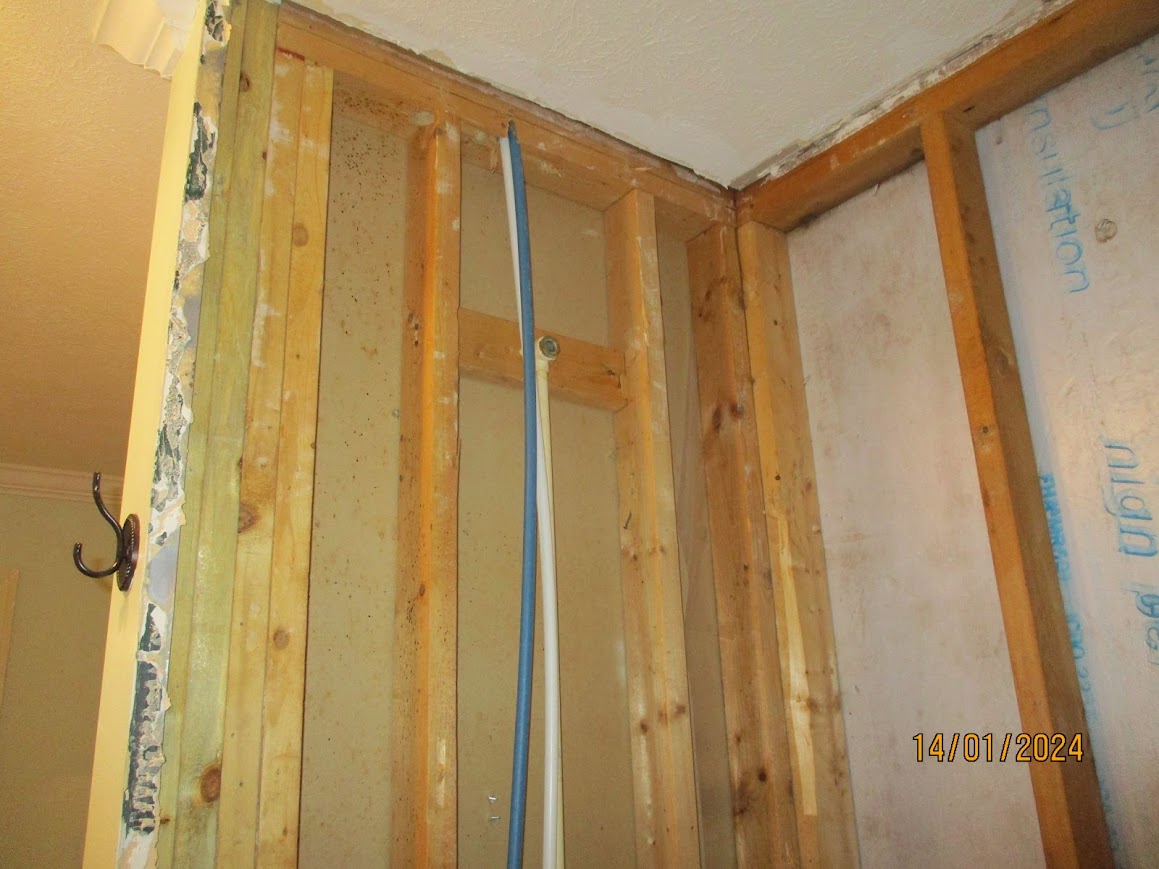
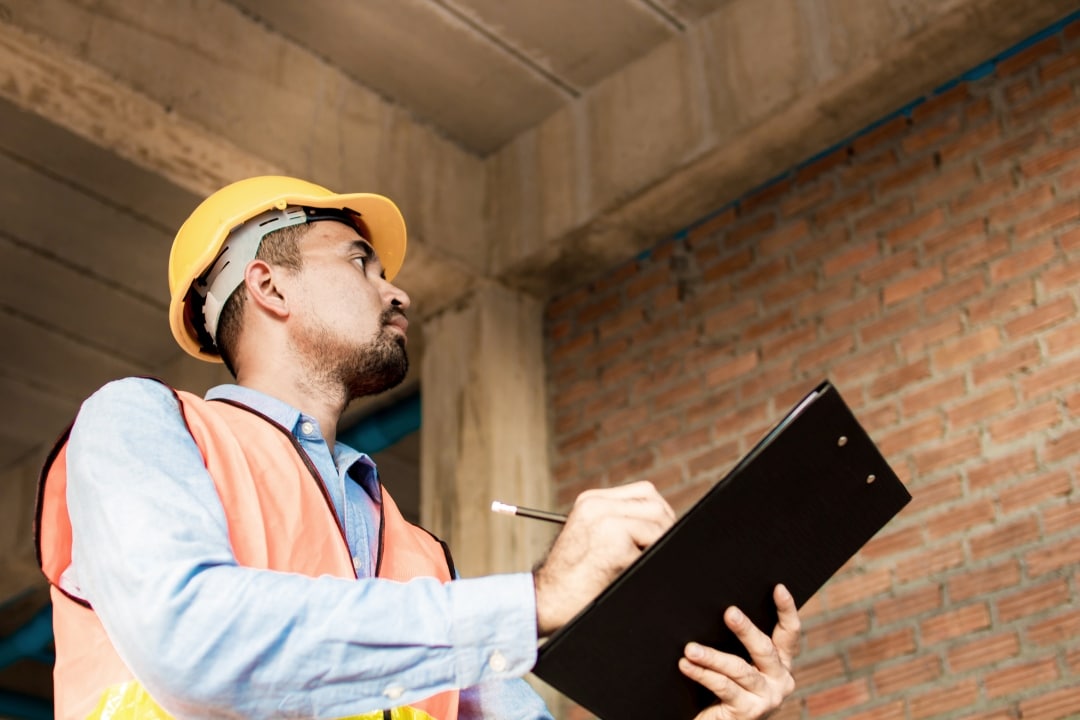
An initial assessment is crucial for identifying the extent of mold damage and its sources. Professionals use specialized tools to evaluate the affected areas and develop an effective plan tailored to the specific situation, including moisture control solutions.
Step 2: Containment
Containment is a critical part of the remediation process, designed to limit the spread of mold spores during cleaning.
- Setup of containment barriers:Temporary barriers help contain mold within certain areas during remediation.
- Minimizing spread of mold spores:Tactics are employed to reduce the air and physical movement of spores.
- Using HEPA filters:HEPA filters capture airborne mold spores, ensuring the environment remains clean.
- Ensuring worker safety:Practices prioritize the health and safety of those performing the remediation.
- Controlling air flow:Strategic airflow management helps direct clean air into affected zones and extracted air elsewhere.
- Using personal protective equipment:Proper PPE is a must to protect against mold exposure.
Step 3: Removal
The removal stage involves physically eliminating mold from surfaces and air. This task requires careful execution to avoid spreading spores. Additionally, materials that have been overtly contaminated may need to be discarded. To further prevent mold recurrence, solutions such as crawl space encapsulation can be beneficial.
Post-Remediation Protocols for Long-Term Success
Post-remediation protocols are essential to ensure that mold does not return. These steps focus on both verification of remediation success and preventive strategies for the future.
Final Cleaning
After remediation, a final cleaning process removes any remaining mold residues and related cleanup materials. This ensures that the area is completely clean and safe for use. Continual maintenance further supports this process.
Testing for Residual Mold
Testing is a critical follow-up component, confirming that all mold has been effectively removed. Certified mold assessment professionals conduct these evaluations, ensuring the quality of the work done. Testing also provides peace of mind that health hazards have been mitigated. Understanding potential health impacts underscores the importance of this step.
Ongoing Maintenance
After the initial remediation, it’s vital to continue proactive measures to prevent new mold growth. This involves:
- Routine inspections:Regular checks for moisture and leaks prevent mold from gaining a foothold.
- Moisture control strategies:Using dehumidifiers and proper ventilation improves air quality and reduces mold risks.
- Updating containment solutions:Ensuring barriers and corrections for prior moisture issues remain effective over time.
Choosing Professional Mold Remediation Services
When selecting a mold remediation service, knowing what to look for can greatly impact the effectiveness of the service and results achieved.
What to Look For in a Remediation Service
To ensure a successful outcome, consider the following attributes in a remediation service:
- Certifications and licenses:Ensure they meet industry standards and have relevant credentials.
- Experience in the field:Choose professionals with proven expertise and knowledge.
- Client testimonials:Feedback from prior clients can offer insights into their reliability and service quality.
- Transparent pricing:Clear estimates ensure you understand the cost without hidden fees.
- Safety protocols:Proper practices ensure the health and safety of your family and the working team.
Questions to Ask
Inquire about the methods they use, the qualifications of their technicians, and any warranties or guarantees of their service. Understanding the health implications can also guide informed decisions.
Cost Considerations
The cost of mold remediation services varies based on the extent of work needed. It’s vital to contrast different services, keeping in mind that the safety of your family is paramount. Investments in family health protection can offer long-term savings by preventing costly health issues or structural repairs.
Conclusion: Key Elements of Mold Remediation Standards
Summarizing the core aspects of mold remediation standards helps ensure that the entire process is comprehensive and effective.
Recap of Standards
The proper mold remediation process relies on strict adherence to established standards and codes of practice. These guide accurate assessments, facilitate effective cleanup and assure future mold prevention. These standards are designed to safeguard your property and your health.
Emphasizing Prevention
Preventive measures are always more cost-effective and less disruptive than dealing with mold once it occurs. Regular maintenance and addressing humidity levels are crucial strategies. Continuous learning about moisture control and mold types can benefit proactive individuals greatly.
Call to Action
Don’t delay in addressing mold issues—act early for the best outcomes. Whether you’re seeking detailed consultations or directly need professional services, taking steps now protects both your property and your health in the long run.
The first signs of mold typically include musty odors, visible growth, or discolored patches on walls, ceilings, or floors. Mold might also cause health symptoms like allergies and respiratory issues. For more information: The duration of the mold remediation process can vary widely depending on the extent of the mold and the size of the affected area. It may take anywhere from a few days to over a week. For more information: Professionals use EPA-approved, safe chemicals during mold remediation that target mold spores without posing a threat to human health when precautions are observed. For more information: If you notice mold, avoid disturbing it to prevent spores from spreading and contact a professional mold remediation service to evaluate and address the situation. For more information:Understanding Mold Remediation Standards FAQ