Understanding the Stack Effect
The stack effect is a phenomenon where air moves through a building due to differences in indoor and outdoor air temperature. This process impacts how air flows within the home, affecting overall indoor air quality. When warm air rises and escapes through upper levels of a building, cooler air is drawn in from lower levels to replace it. This cyclical pattern plays a significant role in how air, and any potential contaminants it carries, circulates throughout your living spaces.
Improving indoor air quality involves understanding this process. A key issue is that the stack effect can exacerbate air circulation problems, leading to the infiltration of outdoor pollutants into living areas, affecting health and comfort. The structure and airtightness of a home significantly influence the stack effect’s intensity.
Addressing the stack effect is crucial for maintaining structural integrity and ensuring comfort. Unchecked, it can lead to home air contamination, making it imperative to understand its implications and learn about effective mitigation strategies.
Importance of Air Flow in Homes
Adequate air flow in homes is vital for maintaining a healthy and comfortable indoor environment. Poor air circulation can result in unwanted temperature fluctuations and a buildup of allergens. These issues are often magnified by the stack effect, which can inadvertently draw more pollutants into a home.
Ensuring that a home’s ventilation systems are optimized can prevent many common air quality issues. Homes with good air flow see reduced instances of mold growth and improved health outcomes for occupants. Attention to air quality not only supports health but also enhances the overall sense of well-being within a space.
Impact on Mold Growth
Mold thrives in moist, poorly ventilated areas, making the stack effect a significant contributor to mold growth in homes. When the stack effect causes warm, humid air to rise and condense in cooler parts of a structure, it creates ideal conditions for mold to form. This process not only harms indoor air quality but can also lead to structural damage if left unchecked.
The interaction between air flow and mold growth necessitates proactive measures to control moisture levels. Understanding how the stack effect influences these dynamics helps homeowners implement effective mold prevention strategies. Regular inspections and maintenance play a crucial role in ensuring that mold doesn’t take hold in hidden spaces.
Key Factors Impacting Stack Effect
The stack effect is influenced by multiple factors that interact to determine how air moves through a building. Understanding these factors can help identify solutions to reduce negative impacts on indoor air quality and structure.
Several elements such as temperature differences between indoor and outdoor environments, building height, and the configuration of windows and doors can enhance or mitigate the stack effect. Recognizing these can guide homeowners in making informed upgrades to their properties.
Factors Affecting Indoor Airflow
Several key factors influence indoor airflow:
- Temperature differences: Differences between indoor and outdoor temperatures drive the stack effect’s intensity.
- Humidity levels: High humidity can exacerbate the stack effect, contributing to mold growth.
- Building height: Taller buildings often experience a more pronounced stack effect.
- Ventilation systems: Well-designed systems can help counteract negative effects.
- Window and door placement: Strategic placement can minimize unwanted air movement.
- Insulation quality: Effective insulation reduces air leaks and temperature variations.
- Air leaks: Sealing leaks can significantly diminish air circulation issues.
- Occupant behavior: How occupants use doors and windows impacts airflow dynamics.
Consequences of Poor Air Circulation
Poor air circulation due to an unregulated stack effect can lead to many indoor environmental problems. It can cause discomfort by intensifying temperature variations, leading to increased energy consumption as heating and cooling systems work harder.
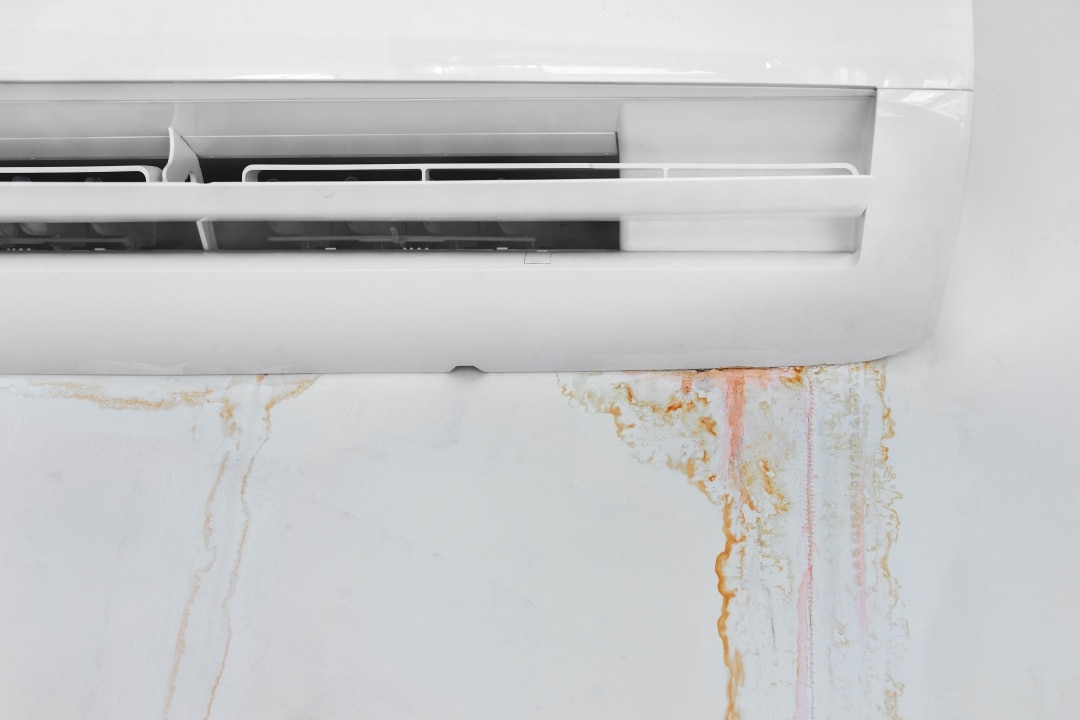
More critically, inadequate air flow can lead to the buildup of pollutants, increasing health risks due to prolonged exposure. It can also damage structural elements by elevating moisture levels, fostering mold growth, and causing wood rot or metal corrosion, significantly impacting the home’s foundation integrity.
To prevent such issues, it’s essential to understand the factors that contribute to poor air circulation and adopt crawl space solutions and ventilation improvements that maintain healthy indoor environments.
Mechanisms of Mold Growth
The stack effect significantly contributes to conditions that foster mold growth. Warm air rising towards the upper levels of a home can cause condensation in cooler areas, such as basements or attics. This moisture provides the ideal environment for mold spores to thrive.
Mold not only causes structural damage but also releases spores that compromise indoor air quality. Understanding how air movement can inadvertently lead to mold formation is key to keeping homes both safe and healthy. Controlling humidity and ensuring effective ventilation are pivotal actions against mold intrusion.
Symptoms and Effects on Health
The presence of mold due to poor air circulation can have serious health effects. Common symptoms include:
- Allergic reactions: Exposure often results in sneezing, itching, and other allergy symptoms.
- Respiratory issues: Long-term exposure can exacerbate asthma or lead to chronic respiratory problems.
- Cognitive impairment: Prolonged exposure may contribute to issues like brain fog.
- Skin irritations: Direct contact with mold can cause rashes and other skin conditions.
- Persistent odors: Mold growth often results in unpleasant musty smells.
- Reduced indoor air quality: Mold spores deteriorate air quality, posing various health risks.
Identifying Mold Problems Early
Early identification of mold problems is crucial in preventing further complications. Regular inspections by professionals, such as those offering mold remediation services, can help detect mold presence before it becomes widespread.
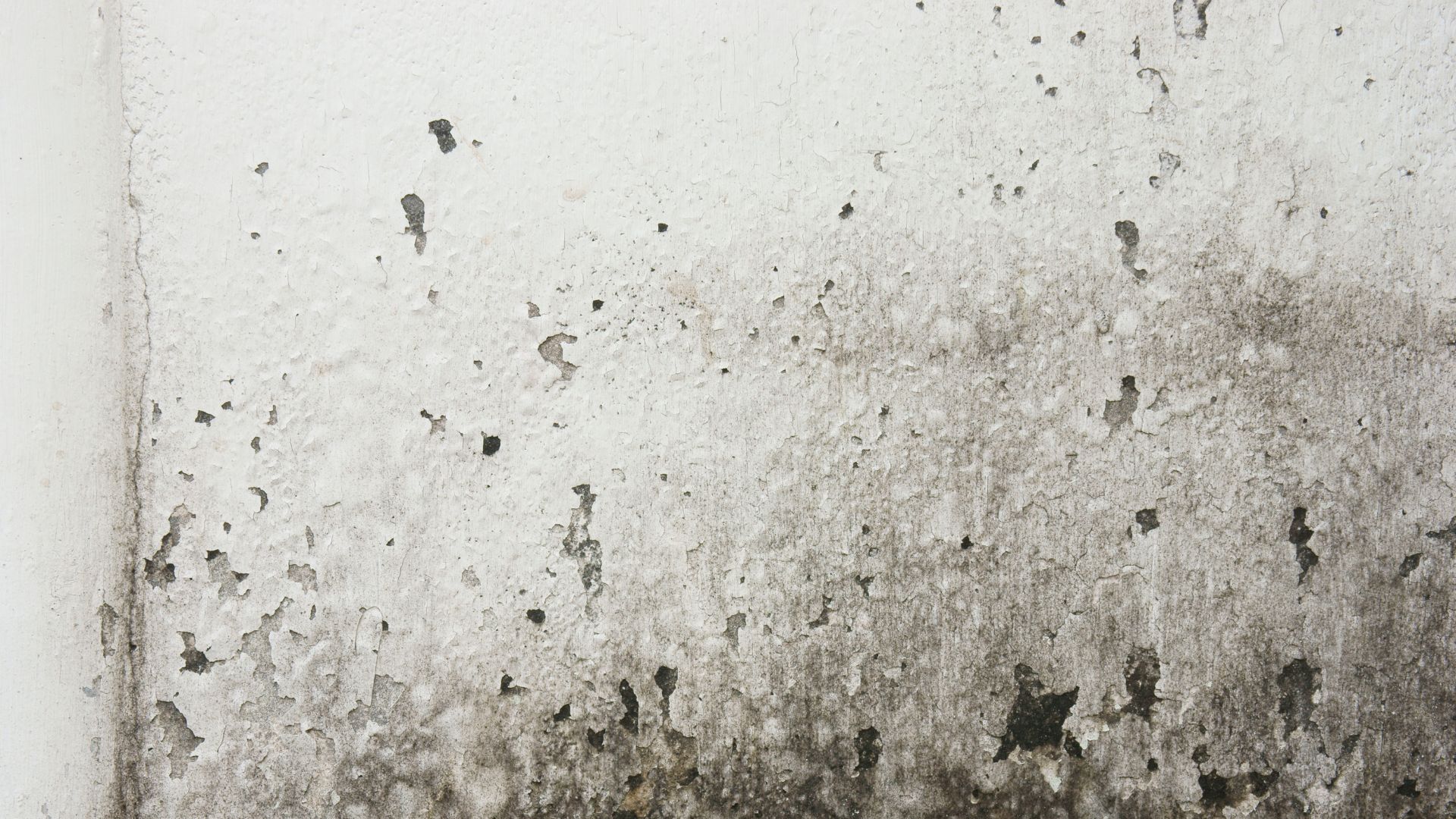
Look for signs such as discoloration on walls, a musty smell, or unusual health symptoms when inside the home. These could indicate a hidden mold issue needing immediate action.
Taking proactive steps to understand and mitigate the effects of the stack effect can prevent mold from taking hold and ensure your living space remains safe and healthy.
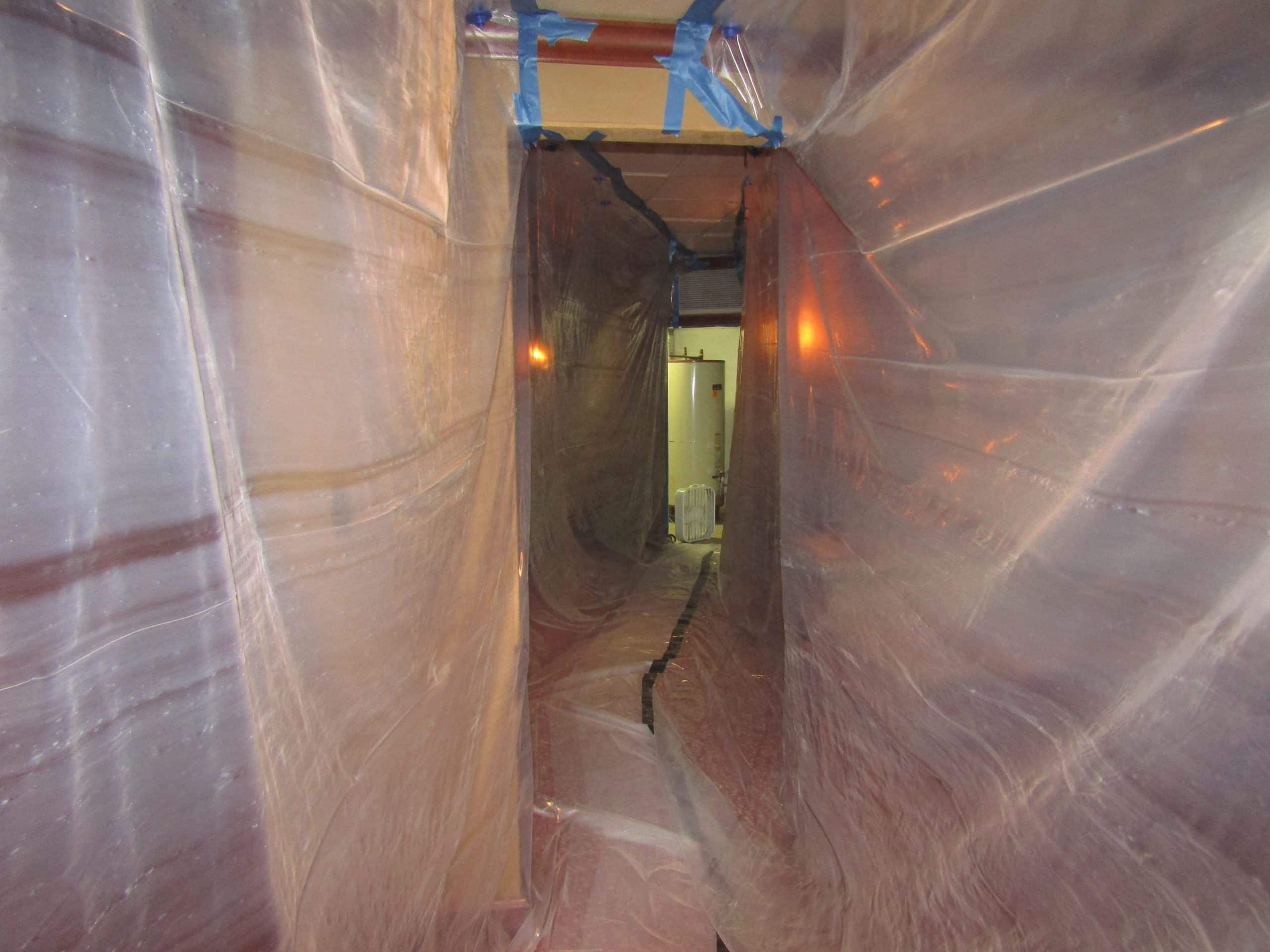
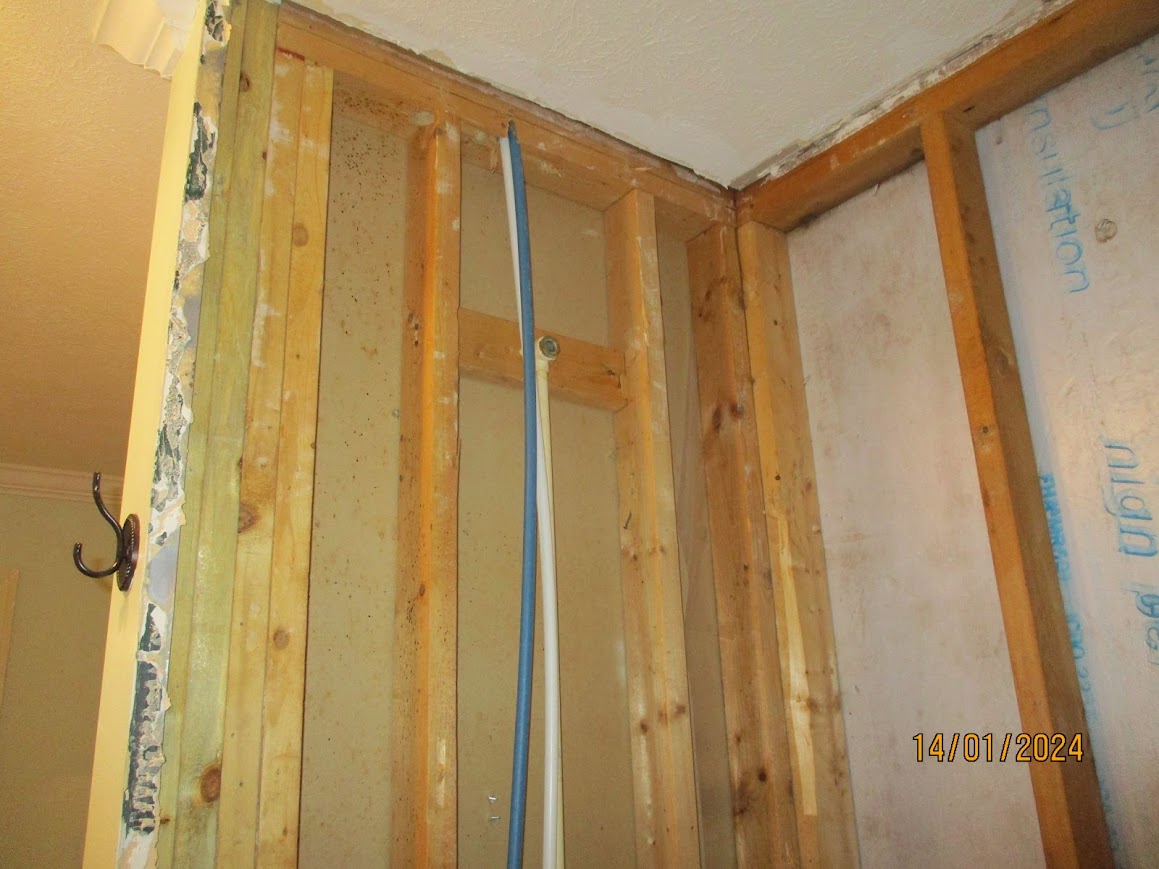
Hallway containment setup for mold remediation by Mold and Mildew Solutions in Alabama, ensuring effective mold removal and air quality improvement.
Preventive Measures
Mitigating the stack effect and improving indoor air quality involves strategic preventive measures. Regular home maintenance checks and implementing upgrades can make a significant impact. Ensuring that home air sealing, insulation, and ventilation are optimized can prevent unwanted air movements that contribute to the stack effect.
Homeowners should also consider certified services for containment setup and water damage repair, which help address potential threats at their root.
Effective Ventilation Systems
Ventilation is a key factor in reducing the stack effect. Upgrading to an effective ventilation system that includes energy recovery ventilators can help balance indoor and outdoor air pressure, reducing the stack effect’s intensity.
Besides, ensuring that vents and ducts are routinely cleaned and maintained can prevent blockages that compound air circulation problems. These improvements not only enhance air quality but also contribute to better health and comfort in your home.
Using Dehumidifiers and Air Purifiers
Implementing dehumidifiers can significantly reduce indoor humidity, a primary culprit in facilitating mold growth. By maintaining appropriate indoor moisture levels, homeowners can combat the negative aspects of the stack effect.
Air purifiers can be used to remove airborne particles and allergens, improving overall air quality. Together, these systems help maintain a clean and healthy home environment.
By understanding and applying these strategies, homeowners can effectively manage the stack effect, protecting their homes from moisture-related issues and ensuring better overall health for their occupants.
Take Action to Protect Your Home
Proactive measures are the best defense against the adverse effects of the stack effect. Here’s what you can do:
- Regular inspections for mold: Periodic checks can catch and address problems before they escalate.
- Improving building envelope: Enhance insulation and reduce air leaks to control air flow.
- Installing appropriate ventilation: Ensure good air exchange to moderate indoor conditions.
- Monitoring indoor humidity levels: Keep moisture in check to prevent mold growth.
- Utilizing attic and crawlspace protection: These areas are prone to problems if not properly maintained.
- Scheduling professional services as needed: Engage professionals for comprehensive solutions.
- Educating occupants about airflow: Awareness can prevent unintentional issues from arising.
Resources for Further Learning
For more information on managing the stack effect and preventing mold, take advantage of available resources. Online platforms offer guides and tips, while local services provide customized solutions.
Refer to valuable reference materials like a seasonal home maintenance checklist and details on addressing crawlspace mold health costs to further educate yourself.
These measures help ensure that you maintain a safe, healthy living environment while staying ahead of potential issues related to the stack effect.
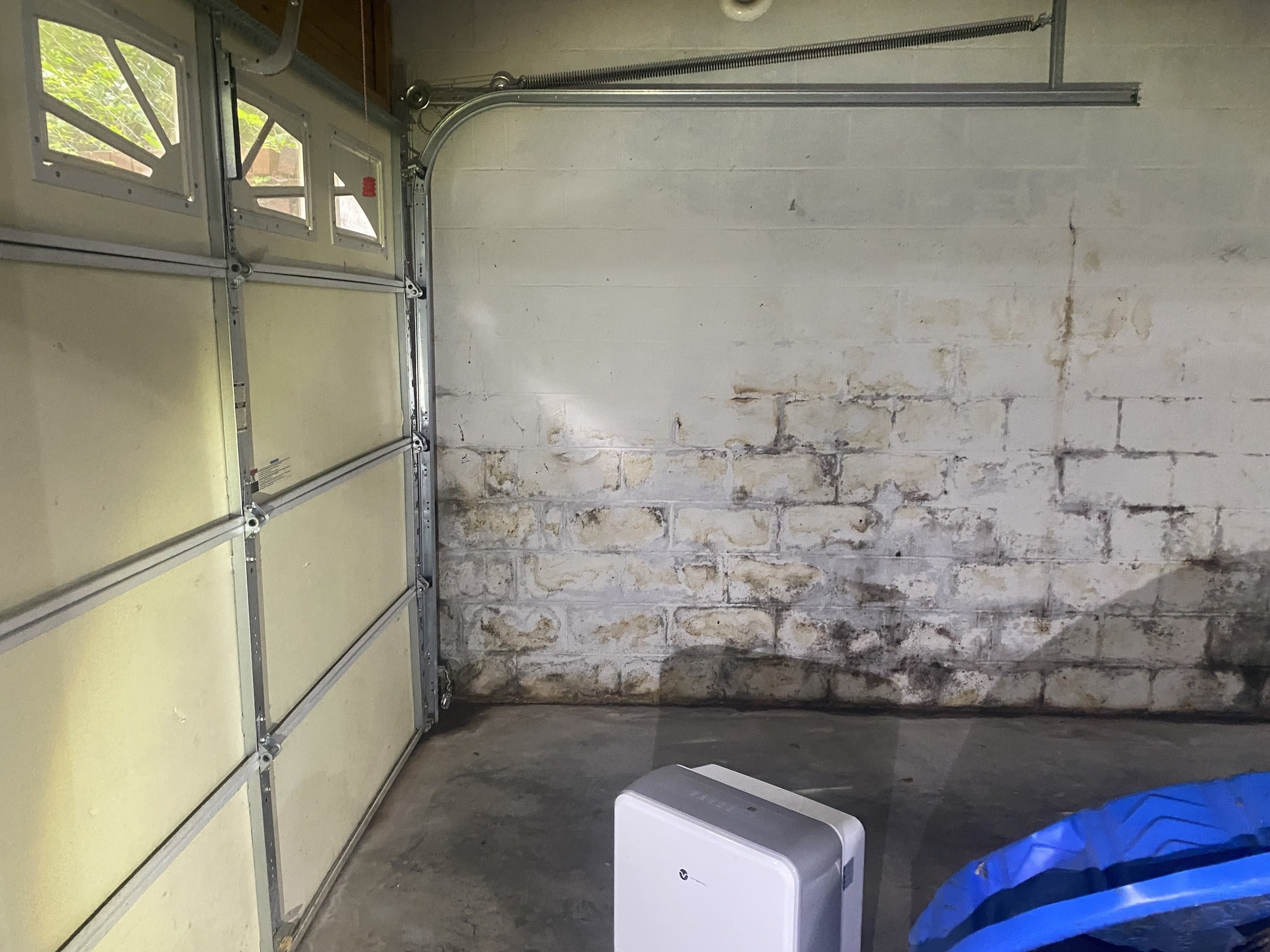
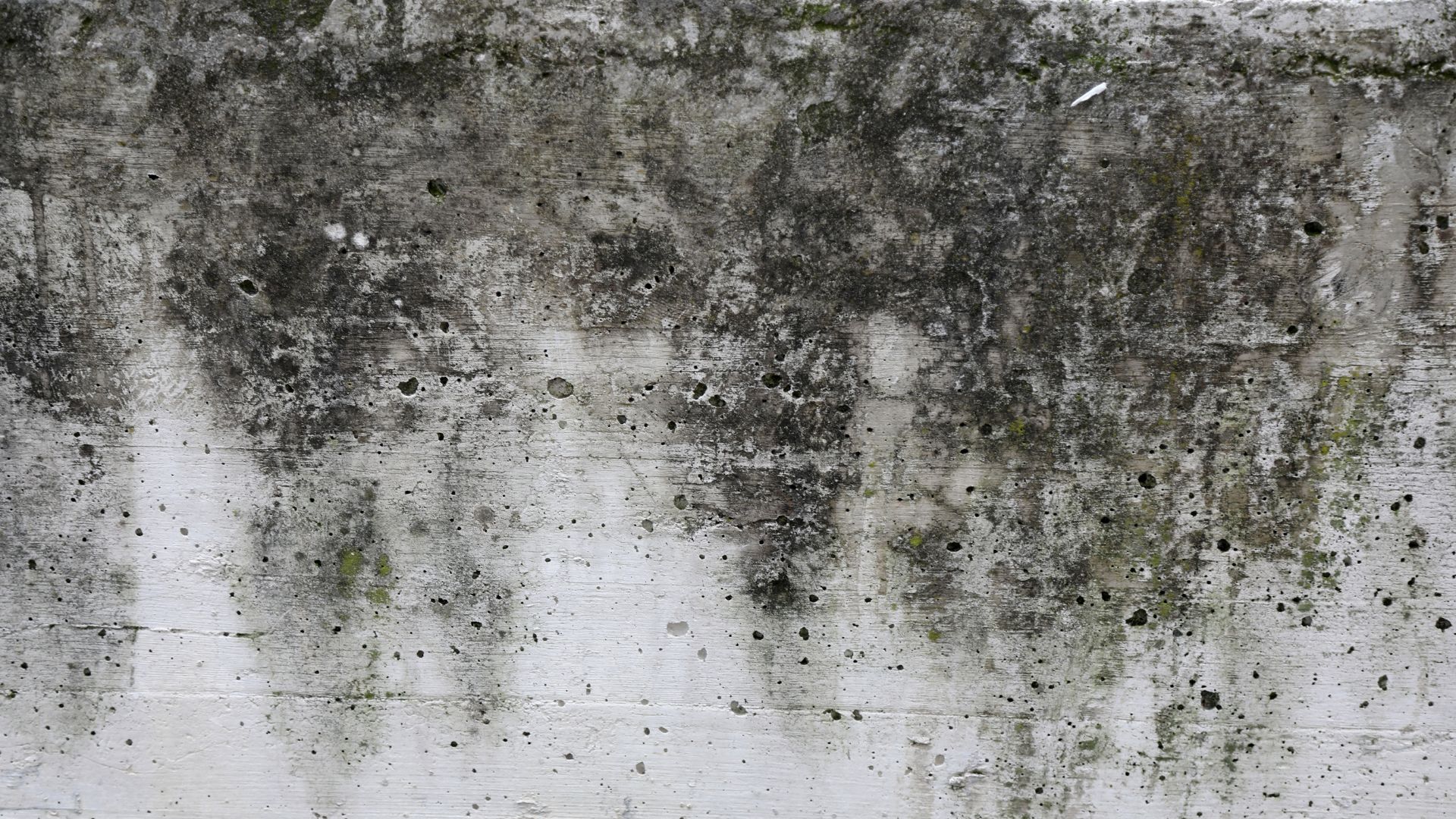
Garage wall showing efflorescence and mold treatment by Mold and Mildew Solutions, ensuring moisture control in Birmingham, AL.
Why Awareness Matters
Understanding the stack effect is crucial for every homeowner. This knowledge allows you to take comprehensive actions to prevent negative impacts on indoor air quality and structural integrity. Awareness leads to more informed decisions concerning maintenance and upgrades, ultimately safeguarding your family’s health.
By being proactive, you can better manage home air quality and avoid extensive damage that might arise from neglecting this phenomenon. Recognizing early signs and addressing them can prevent costly repairs and health issues.
Final Thoughts on Air Quality
Good air quality is a vital component of a healthy home. Addressing the stack effect is a step towards achieving this goal. Strategic home improvements and the use of modern air management systems can counteract many of the adverse effects associated with poor indoor air quality.
Regular maintenance and professional assessments ensure continuous monitoring and early problem identification. Whether dealing with attic mold removal or general air quality improvements, staying informed and prepared is key to maintaining a healthy living environment.
Ultimately, a better understanding of the stack effect empowers you to create a safer, healthier space for all occupants.
The stack effect occurs when warmer air rises inside a building, causing cooler air to be drawn in from below. This process is driven by temperature differences between the inside and outside, influencing air movement within the home. The stack effect can exacerbate air quality issues by drawing in outdoor pollutants and allergens, particularly if the building envelope has leaks. It can also contribute to moisture-related problems if warm air rises and creates condensation in cooler areas. Signs of mold growth include a musty smell, visible mold spots, especially in damp areas, discoloration on walls or ceilings, and health symptoms like allergies, respiratory issues, and cognitive problems that worsen indoors. Improving air quality involves addressing the stack effect through proper ventilation, sealing leaks, maintaining humidity levels, regularly cleaning HVAC systems, and using air purifiers and dehumidifiers to control indoor conditions. Professional services for mold remediation include inspection and assessment, moisture control, containment and purification, and restoration of affected areas. These services help prevent further mold growth and ensure a safe living environment.Understanding the Stack Effect FAQ