Introduction to Mold Prevention in Birmingham
Understanding Basement Mold
Basement mold in Birmingham is not just a cosmetic issue; it can compromise the structural integrity of your home and pose health risks. Identifying mold in its early stages can prevent costly damages. Homeowners should be aware of the potential sources of basement mold, such as leaks and poor ventilation, and take action immediately.
When mold appears, the first step is to understand why it’s growing. Factors like humidity and dampness create breeding grounds for mold. Recognizing these conditions swiftly can make a significant difference. To learn more about professional interventions, local homeowners can explore mold remediation companies.
Local crawl space solutions are vital in addressing these issues at the root, ensuring that mold doesn’t return once it has been treated. Additionally, understanding the mold remediation process can empower homeowners to make informed decisions.
Importance of Prevention
Prevention is always more effective and cheaper than dealing with mold after it appears. Implementing preventative measures can help maintain a mold-free environment in your basement. This includes ensuring proper ventilation and reducing humidity levels.
Residents should consider regular inspections as part of their home maintenance routine. By staying proactive through preventive measures, Birmingham homeowners can keep their basements mold-free.
This proactive approach not only protects the structure of the home but also the health of its inhabitants. Respiratory issues and allergies linked to mold can be mitigated with the right prevention methods.
Local Climate and Mold Risks
Birmingham’s humid climate makes basements particularly vulnerable to mold. The frequent rains and high humidity levels contribute significantly to mold growth. Homeowners must understand these local environmental factors when creating a mold prevention strategy.
The best way to mitigate these risks is by employing techniques like crawlspace encapsulation, which helps in sealing out moisture from entering basements and crawl spaces.
Additionally, crawlspace waterproofing offers a practical solution against dampness. Solutions for encapsulated crawlspaces in Birmingham, Alabama are specifically designed to combat the unique challenges of this climate.
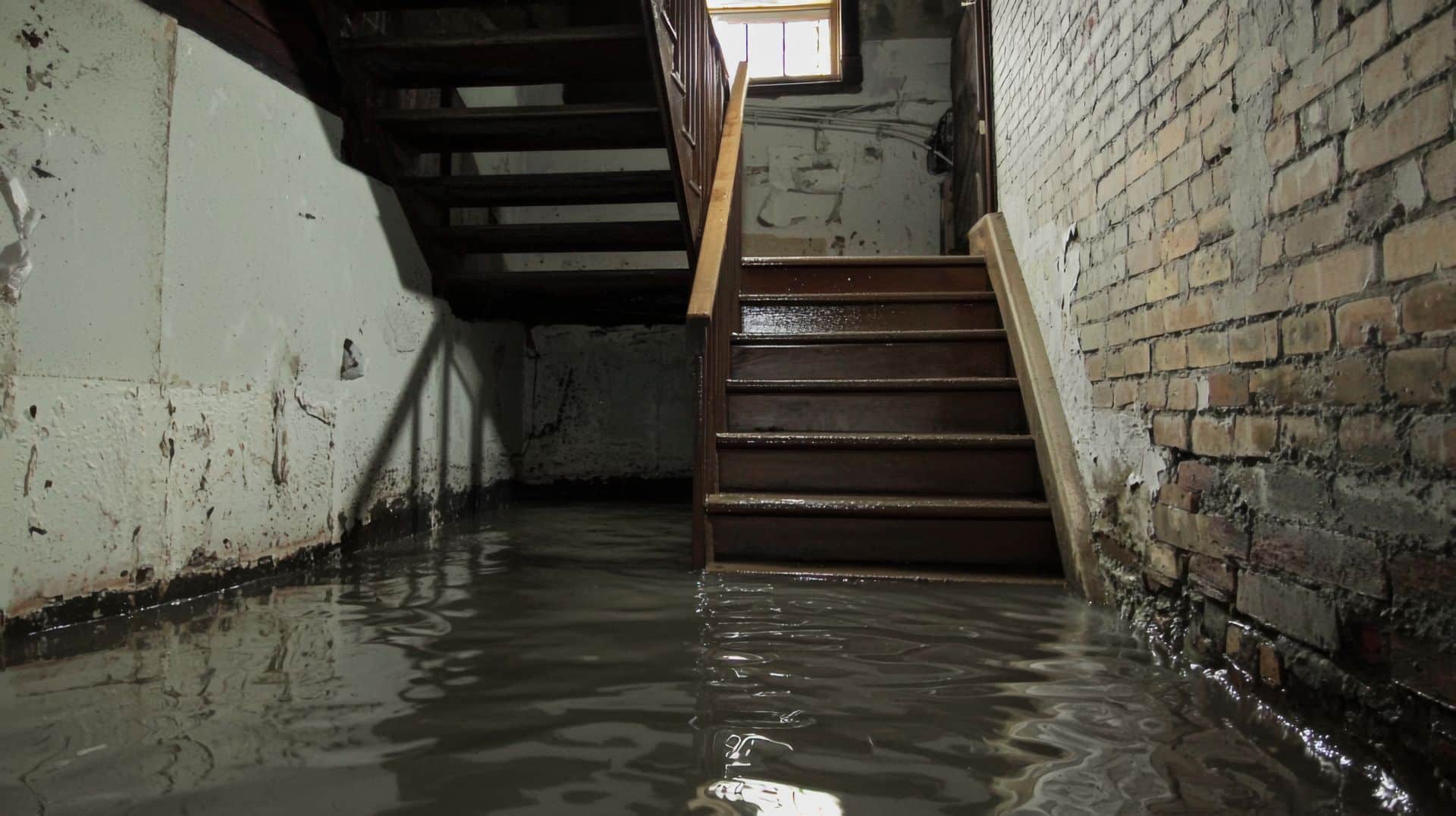
A basement in Birmingham, AL, shows significant water damage with flooding, highlighting the need for expert mold inspection and restoration services.
Common Causes and Identification of Basement Mold in Birmingham
Common Causes of Mold
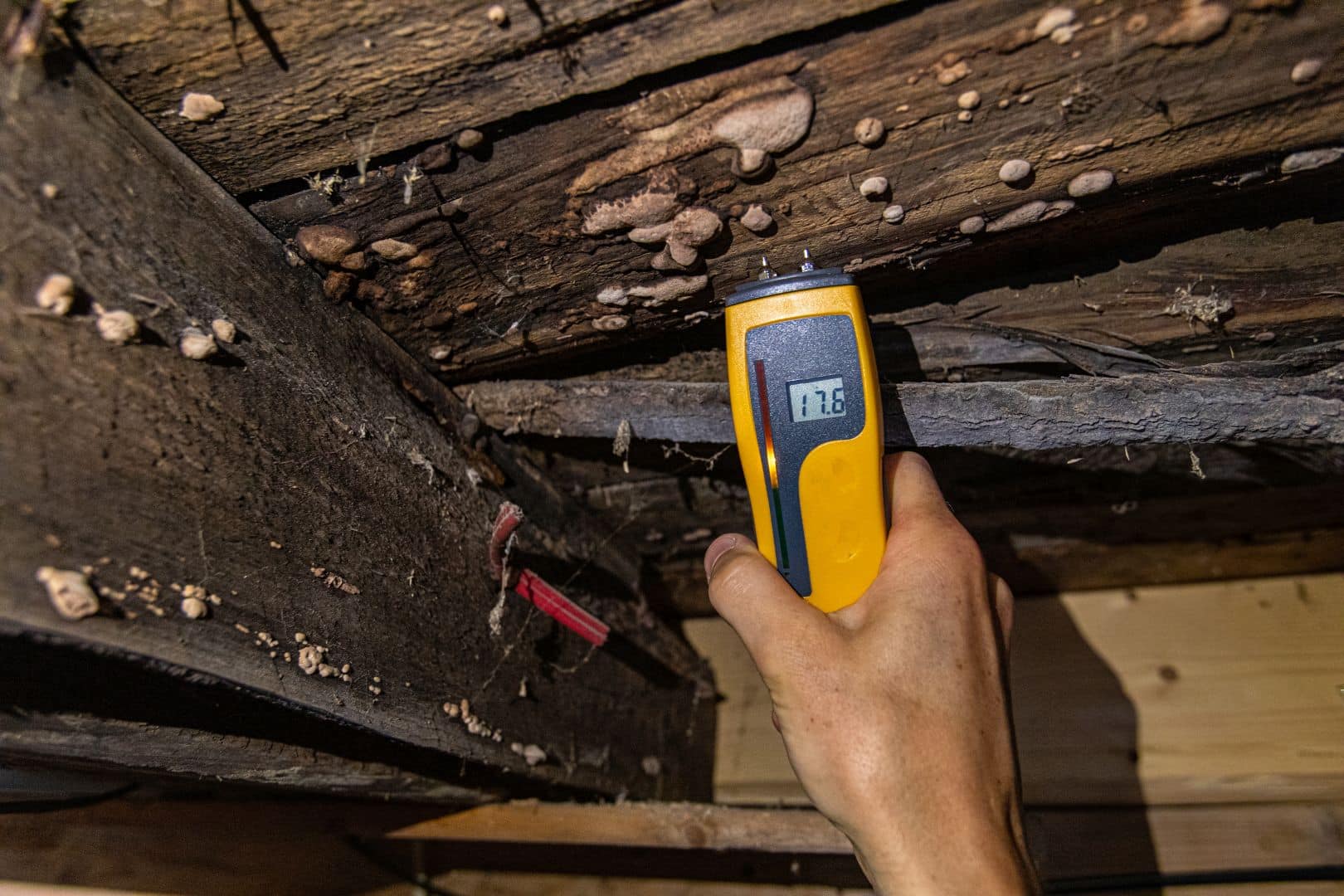
Basement mold is often caused by excess moisture from leaks, condensation, or humidity. In Birmingham, homes are particularly susceptible due to the climate. Water intrusion from poor drainage or inadequate waterproofing is a frequent culprit.
Damp environments, such as those caused by leaky pipes or insufficient ventilation, also cultivate mold growth. Identifying these conditions early can prevent extensive damage.
Local professionals can assist in diagnosing moisture issues and provide solutions to prevent future mold problems. For protecting your family’s health, consult family health protection services.
Signs of Mold Growth
Homeowners must be vigilant about certain indicators of mold. These signs can often be subtle but become increasingly apparent as mold proliferates. Recognizing them early is critical for timely intervention.
Here are common signs:
- Musty odors: A persistent, unpleasant smell is often the first sign of mold.
- Visible mold patches: Look for black, green, or white patches, especially in damp areas.
- Humidity levels: High humidity in your basement can foster mold growth.
- Dampness on walls: Wet or clammy walls are a telltale sign.
- Water stains on ceilings: Signs of leaks can lead to mold.
- Black spots on surfaces: These spots can quickly spread if not treated.
Detecting these signs early is essential for effective treatment. If you’re concerned about exposure, learn about mold exposure brain fog and its effects.
For professional assessment, contact mold remediation near me experts for thorough inspections and tailored solutions.
Practical Steps to Prevent Mold in Your Birmingham Basement
Proper Ventilation
Ensuring adequate ventilation in the basement is one of the simplest and most effective strategies for mold prevention. Proper airflow prevents moisture build-up, which is the primary cause of mold.
Install exhaust fans and regular vent openings for natural airflow. These efforts may significantly reduce household moisture, keeping mold spores at bay.
Additionally, ensure that your HVAC systems are clean and functional to facilitate better air circulation. Scheduling regular crawlspace inspections can help identify and rectify ventilation issues promptly.
Moisture Control Strategies
Controlling moisture levels is key in preventing mold. Utilize dehumidifiers to maintain optimal humidity, usually between 30% and 50%. Doing so will make your basement less inviting for mold.
Seal cracks in floors and walls to prevent water penetration. This strategy is crucial during the wet seasons when moisture can easily seep into the basement.
Furthermore, applying waterproof coatings on basement walls and floors provides an additional layer of protection, ensuring that water stays out of your home. For best results, consult moisture control resources.
Regular Inspections
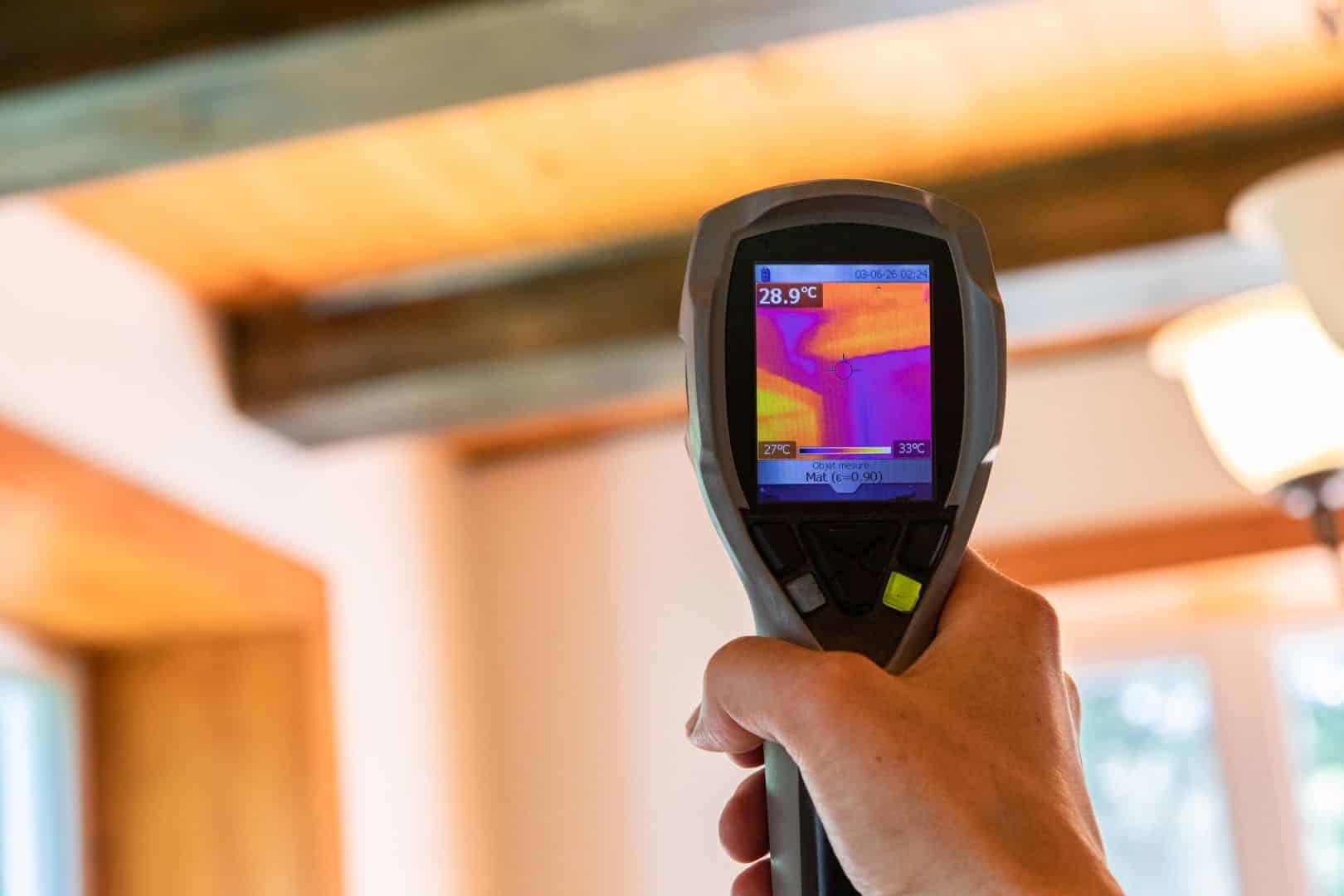
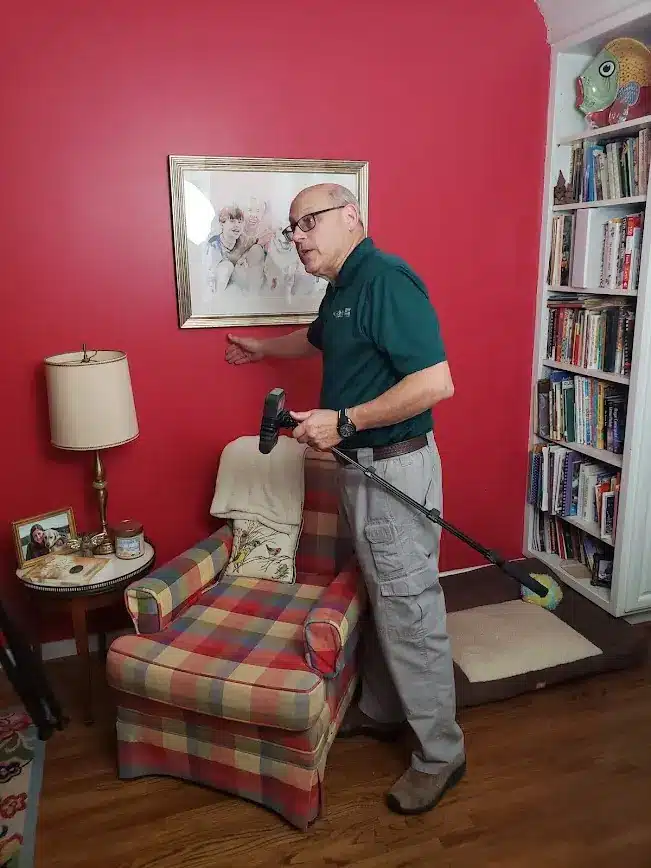
Scheduling regular inspections is imperative in mold prevention. These should include checks for leaks, HVAC systems, and drainage functionality.
Engage professionals to ensure all potential risk areas are covered. Regular DIY inspections can complement this, especially after heavy rain.
By systematically managing these inspections, you’ll significantly reduce the risk of mold growth. Remember to also look into foundation protection as a long-term strategy.
Effective Techniques for Basement Waterproofing and Encapsulation
Waterproofing Solutions
Waterproofing your basement involves several strategies, all of which are aimed at keeping moisture at bay. One method involves applying sealant to walls and floors to block water entry.
Installing sump pumps can also efficiently handle groundwater, preventing it from rising into your basement. This is particularly important in rain-prone Birmingham.
For those interested in comprehensive solutions, explore interior basement waterproofing services.
Encapsulation Benefits
Encapsulation is another effective solution in combating basement mold. It involves sealing all the vents, floors, walls, and the entire crawlspace envelope.
Here are some benefits:
- Prevents moisture intrusion: Complete encapsulation stops external moisture from seeping in.
- Improves air quality: Encapsulation reduces mold spores and dust, enhancing air quality.
- Enhances energy efficiency: With better control of humidity, your HVAC system works more efficiently.
- Reduces allergens: An encapsulated crawlspace keeps out pest allergens.
- Extends lifespan of structures: Reduced moisture means less structural damage over time.
- Increases property value: Homes with encapsulated spaces are more attractive to buyers.
- Better control of humidity: Consistent indoor climate control is easier to maintain.
- Decreases odors: Eliminating mold sources results in fresher indoor air.
Utilize crawl space encapsulation services to gain these benefits.
Hiring Professionals
While DIY projects can provide some relief, hiring professionals to waterproof and encapsulate your basement ensures the job is done correctly and safely.
Professional services bring expertise and equipment that most homeowners do not possess. This can make a significant difference in long-term outcomes.
Consider local experts knowledgeable in the stack effect to implement comprehensive solutions that are specific to Birmingham’s environmental factors.
The Importance of Regular Maintenance and Inspection
Maintenance Tasks
Regular maintenance can forestall the onset of mold in basements. Simple tasks go a long way in keeping your home mold-free.
Here is a checklist of tasks:
- Regular cleaning of gutters: Prevents overflow and water pooling near foundations.
- Checking for leaks: Regular checks ensure early detection and repair.
- Sealing cracks in foundations: Prevents moisture entry into the crawlspace.
- Inspecting HVAC systems: Ensures no moisture accumulation and proper function.
- Monitoring indoor humidity: Ensures optimal conditions for mold prevention.
- Using dehumidifiers: Reduces indoor humidity effectively.
These tasks should be part of your regular home-care regimen. It’s also beneficial to schedule sessions with commercial mold remediation experts for professional preventive measures.
Emergency Preparedness
Even with the best prevention strategies, emergencies can occur. Ensuring your basement is prepared can limit damage.
Consider having emergency kits, which include flashlights, portable dehumidifiers, and the contact information of local professionals like foundation inspection specialists, to handle immediate concerns.
Being prepared for air circulation problems can also expedite remedial actions and contain potential mold growth rapidly.
Addressing Mold Issues Despite Preventive Measures
Identifying Mold After it Appears
Even with regular maintenance, mold can still surface unexpectedly. It’s crucial to identify and address it promptly.
Learn to spot recurring moisture or new damp areas quickly, and inspect for mold if you notice persistent allergies or respiratory issues in the household.
Refer to insights on hidden health costs of untreated mold to understand the urgency of addressing mold issues.
Steps to Remediate Mold
The remediation process begins with assessing the extent of mold and removing it safely. Opt for mold-specific cleaning solutions to kill mold effectively.
The next step is to repair any moisture problems that could lead to mold reoccurring. This may involve fixing leaks or enhancing drainage systems.
For ongoing protection, consider seasonal inspections as part of your maintenance plan, tailored to seasonal maintenance schedules.
When to Call for Help
If mold proliferation is beyond your capacity to control, it’s time to seek professional help. Mold experts can conduct thorough cleaning and restore air quality.
Professionals are equipped with advanced tools and protective gear to safely and effectively remove mold and its roots.
In cases where health concerns are prevalent, it’s imperative to prioritize contacting family health protection services.
Taking Action: Mold Prevention and Professional Support
Final Thoughts
Mold prevention requires both awareness and proactive steps. By understanding the risks and adapting your home environment, you can keep your basement safe from mold.
Regular inspections and preventative maintenance should be your first line of defense against mold-related problems.
Explore options such as crawl space waterproofing for an all-encompassing approach to mold prevention.
Get Professional Help
Professional expertise in mold remediation cannot be overstated. It is important to have a reliable contact should you encounter extensive mold damage.
Professionals provide comprehensive services, including initial inspection, testing, and (if necessary) a detailed remediation plan.
Find local experts ready to help by searching for mold exposure symptoms and related services.
Stay Informed About Mold Prevention
Staying updated with the latest mold prevention techniques is essential. Joining local homeowner associations or networks can provide valuable resources and tips.
Community workshops and online seminars can also be helpful in learning about the latest technologies and methods available for mold control.
Understand the long-term effects of mold through resources discussing mold exposure brain fog to protect against future health impacts.
The best ways to prevent mold include ensuring proper ventilation, maintaining a regular cleaning schedule, using dehumidifiers, and performing regular inspections. Waterproofing and encapsulating your basement also significantly reduce moisture levels, preventing mold growth. It’s recommended to inspect your basement for mold at least twice a year. Additionally, after any significant weather events like heavy rainstorms, conducting an inspection can help catch any moisture intrusions early. For small, localized mold outbreaks, DIY removal with proper safety gear and cleaning solutions is possible. However, extensive mold growth requires professional remediation to ensure safety and comprehensive removal. Mold exposure can lead to respiratory issues, allergies, and exacerbation of asthma symptoms. Prolonged exposure has been linked to more severe effects such as cognitive impairments and chronic respiratory illnesses. Call a professional when mold covers a large area, if there’s extensive water damage, or if you’re experiencing persistent health-related symptoms. Professionals have the necessary equipment and expertise to remove mold safely and efficiently.Mold Prevention for Birmingham Homeowners FAQ